Matox News

Truth Over Trends, always!

Argentina weakens glacier protections with new bill aimed at resource development

In a defining moment for Argentina‘s resource management, governors from the mineral-rich provinces of Catamarca, Jujuy, Salta, Mendoza, and San Juan have publicly expressed their support for a landmark bill aimed at overhauling the country’s extractive laws. This move signals a significant shift in domestic policy, with regional leaders advocating for reforms that they argue are necessary to foster sustainable economic growth. Their backing underscores a broader divergence from the 2010 Glacier Law, which historically prioritized environmental preservation over resource exploitation, often stymieing the development of lucrative mineral deposits.

The original Glacier Law, enacted to protect critical glacial regions, has long been a contentious topic among nationalists and economic advocates who consider it an obstacle to vital industrial development. Critics, often from the environmental sector, warn that loosening restrictions could result in irreparable ecological damage, especially to fragile glacial landscapes. However, regional authorities emphasize that their support for the new bill aims to balance environmental safeguards with economic imperatives, advocating that “promoting a sustainable economic development of the provinces and the nation should not compromise the well-being of future generations.” Such rhetoric signals a strategic shift towards leveraging Argentina’s abundant mineral wealth, particularly in sectors like lithium, copper, and other critical raw materials for the global green economy.

International analysts and historians point to this moment as a critical turning point in Argentina’s national development strategy. The move aligns with a pattern seen across resource-dependent nations where regional governments seek autonomy to pursue economic opportunities that have the potential to transform local communities and reshape national geopolitical influence. The International Monetary Fund (IMF) and other global bodies have long warned that mismanagement or overly restrictive policies could hinder the country’s economic resilience in an increasingly competitive global market. The regional push for reform could likely force the central government to re-evaluate its stance, setting the stage for a new era of resource-driven growth or conflict over sovereignty and environmental responsibility.

This legislative shift also bears significant geopolitical implications. As Argentina moves to bolster its domestic mineral industries, it could reposition itself as a key player in the international supply chain for critical minerals—resources vital for emerging technologies and renewable energy systems. The decision holds the potential to elevate the nation’s standing among resource-exporting countries, intensifying competition with larger powers like China, Russia, and Chile. Yet, critics caution that such rapid development might come with social costs, including displacement of indigenous communities, environmental degradation, and increased regional tensions—issues closely monitored by international NGOs and policy think tanks.

As the debate intensifies, the world watches with bated breath. Will Argentina harness its mineral wealth to propel itself into a new economic prominence, or will it succumb to environmental catastrophe and internecine conflicts? The path taken by its leaders today will indelibly write the next chapter in the history of Latin America’s resource politics. Under the weight of history and the promise of wealth, a nation stands at the crossroads—its destiny still unfolding amidst the echoes of progress and the shadows of past mistakes.
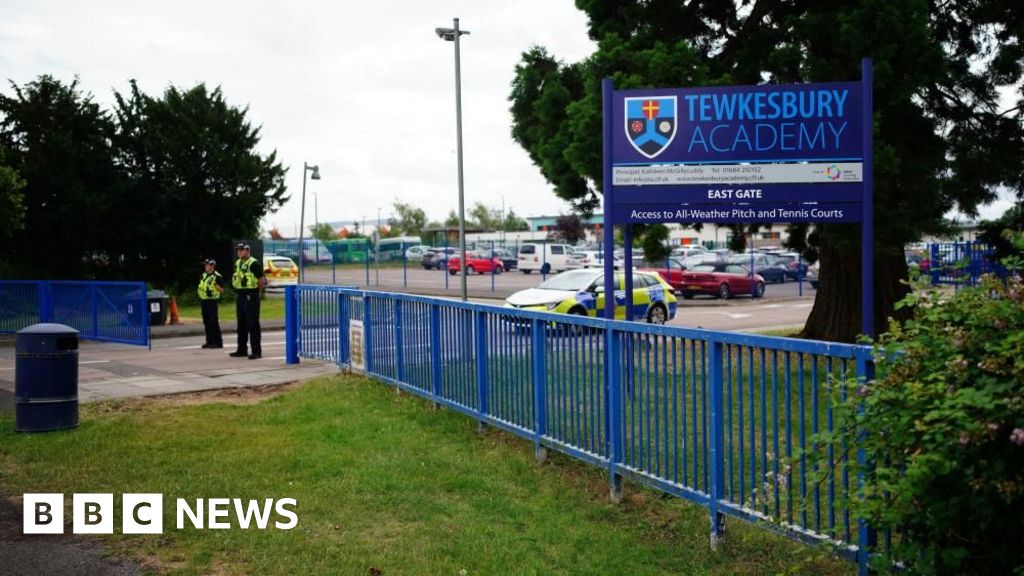
Tewkesbury Academy Teachers Strike Again Over Rising Behavior Issues Affecting Youth Development

In recent times, our educational institutions have become a microcosm of broader societal upheavals, revealing underlying tensions that threaten to destabilize the fabric of families, communities, and the future generations. As reports surface from schools across the country, it becomes evident that behavioral issues and disruptions are not isolated incidents but reflections of deeper social shifts. A striking example emerged recently when PE teacher Ian Brownhill, with over three decades of experience, expressed concern over the school’s declining discipline. Brownhill highlighted that the institution is “losing good kids” amidst rampant unruly behavior, including students going “on the rampage around site most lessons.”

This phenomenon underscores a wider societal malaise that impacts not just the educational environment but also the moral fabric of our younger generations. Sociologists such as Christopher Lasch have warned that the erosion of community values and the decline in social cohesion have a corrosive effect on youth, often manifesting as aggression and indiscipline within schools. Many experts argue that inadequate family stability, declining civic engagement, and the pervasive influence of social media contribute significantly to this decline, creating an atmosphere where respect for authority and discipline are increasingly subordinate to immediate gratification and peer validation. The social isolation and moral relativism that pervade contemporary society threaten to undermine the very core of educational discipline and community trust.

Moreover, the disruption resonates deeply with families who are trying to navigate the challenges of raising well-rounded individuals amid these chaotic influences. The disconnection between home and school environments creates a cycle where behavioral issues at school often mirror familial and societal dysfunctions. Without cohesive guidance and community support, schools become battlegrounds rather than places of learning. Historian Dr. David Hollinger emphasizes that today’s student unrest signals a need for resilient, value-driven societal structures — ones that reinforce shared responsibility among families, educators, and policy makers to restore order and moral purpose.

While these issues pose significant challenges, they also open a window for transformative change. Education authorities and communities must collaborate to foster environments that emphasize respect, accountability, and moral clarity. Solutions like increased engagement in civic education, mentoring programs, and community outreach can serve as anchors in turbulent waters. As we observe this ongoing societal saga, a question lingers: can we, as a collective, rekindle the moral compass that guides our youth and rebuild the bonds of trust and discipline critical to societal stability? The answer depends on our resilience and willingness to confront uncomfortable truths, recognizing that the future of our families and communities hinges on the moral and social groundwork we lay today. Society’s capacity to evolve, fostering hope amid adversity, remains the ultimate testament to our enduring commitment to a better tomorrow.

Serbia Approves Controversial Trump-Linked Development Plan

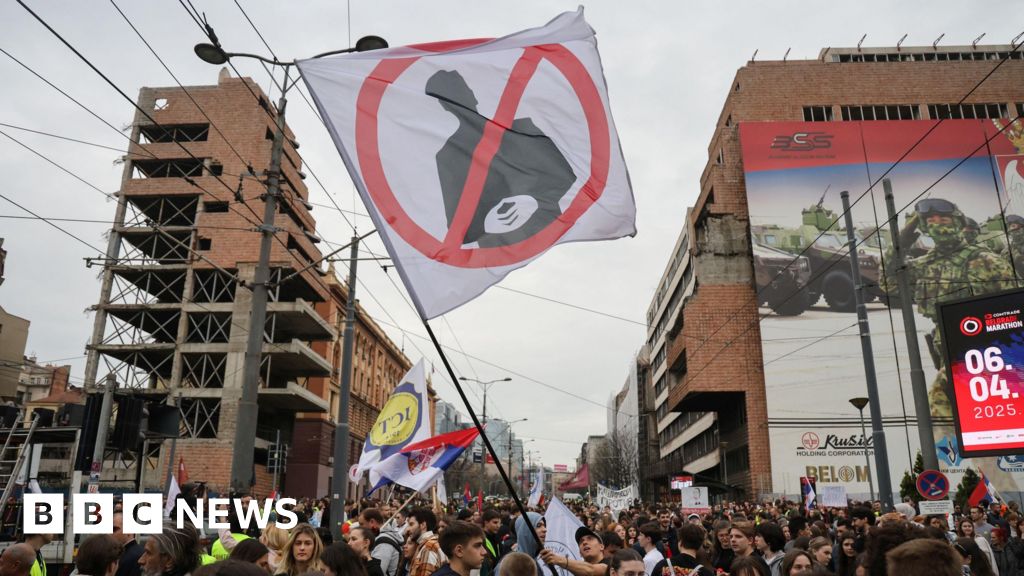
In a move that underscores the shifting sands of geopolitical influence, Serbia has recently passed legislation facilitating a controversial property development led by Jared Kushner, President Donald Trump’s son-in-law and head of Affinity Partners. This decision marks a significant pivot in Serbia’s domestic and international stance, as the government authorizes the transformation of a site imbued with historical symbolism—the former Yugoslav Army headquarters bombed during NATO’s 1999 intervention—into a luxury hotel and residential complex. Such developments are not merely economic in scope but resonate deeply within the societal fabric, touching on national identity, remembrance, and regional sovereignty.

The move has sparked fierce domestic protests and legal battles, illustrating the contentious nature of foreign-led developments transforming local landscapes. Critics within Serbia have condemned the legislation for undermining national heritage and violating constitutional principles, with opposition figures warning that the site will be replaced by casinos and frivolous entertainment. Meanwhile, the decision to strip the building’s protected status and lease it for 99 years to Kushner’s firm has intensified longstanding concerns about transparency, with investigations probing potential forgery of documentation used to facilitate this legal overhaul. The scenario exemplifies how internal political calculations intertwine with international diplomatic pursuits, culminating in a palpable tension that echoes far beyond Belgrade’s borders.

On the international stage, Serbia‘s strategic dance between Washington and Moscow is becoming increasingly delicate. While Vucic’s government seeks to bolster relations with the United States—evident in the professed desire to ‘overcome the burden from 1999’—it also maintains ties with Russia, especially in the spheres of energy and security. The decision to prioritize American investment, seemingly at the expense of historical memory, could have far-reaching consequences, threatening regional stability and complicating Serbia’s aspirations for broader European integration. Analysts warn that this development could ignite local opposition and possibly alienate Serbia’s traditional allies, setting the stage for a more polarized geopolitical environment.

As international observers and historians scrutinize the unfolding events, one thing remains clear: the decisions made today will shape the policies, identities, and allegiances of generations to come. With each passing moment, the legacy of the 1999 NATO intervention—once a symbol of international military intervention—transforms into a symbol of sovereignty challenges, economic shifts, and geopolitical contestation. The narrative of Serbia is still being written, and its next chapter will be dictated not only by its leaders but by the relentless undercurrents of history that choose to reveal or conceal the truth behind its rapidly evolving landscape.

Social Media Auto Publish Powered By : XYZScripts.com