Matox News

Truth Over Trends, always!

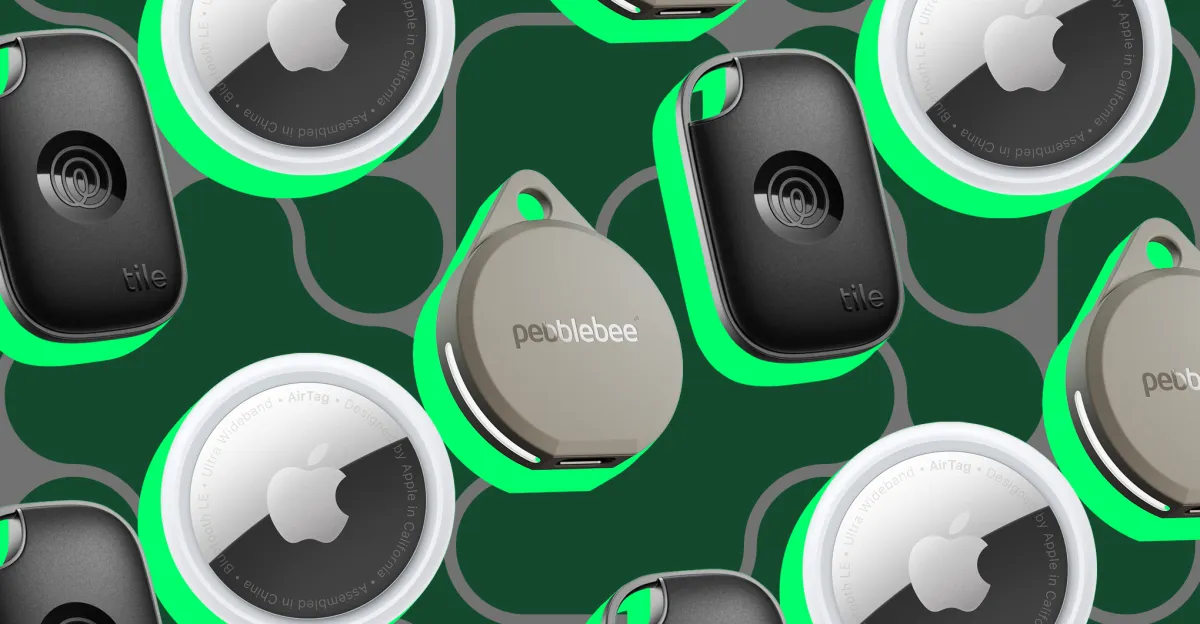
Top Bluetooth Trackers for Your Apple and Android Devices

Revolutionizing Personal Asset Management: The Future of Bluetooth Trackers

In recent years, Bluetooth trackers have transitioned from novelty gadgets to critical tools shaping the landscape of personal asset management and security. Leading tech giants like Apple, Tile, and emerging players such as Pebblebee are aggressively innovating, disrupting traditional methods of item recovery and security. The latest advancements—particularly integration with ultra-wideband (UWB) technology—are positioning these trackers as essential components in the New Digital Ecosystem. This evolution not only enhances user experience but significantly impacts how businesses and consumers handle lost items, theft prevention, and safety protocols, marking a profound shift in both consumer electronics and security industries.

At Apple, the introduction of second-generation AirTags exemplifies this innovation surge. Equipped with an upgraded UWB chip, the new AirTag delivers precision finding capabilities that far surpass the accuracy of traditional Bluetooth trackers. The device leverages Apple’s extensive Find My network, turning billions of Apple devices into a seamless, anonymous tracking grid—an industry disruptor that competitors are racing to emulate. The implications for disruption are colossal; Apple’s integration of UWB and proprietary features rest on a strategic business move that consolidates its ecosystem dominance, making it a formidable gatekeeper in personal tracking security. The trend towards hyper-precise tracking is poised to redefine user expectations, elevate security standards, and drive market growth in the next decade.

Emerging Competition and Market Dynamics

While Apple primes the market with precision, Android-based solutions are rapidly catching up. Tile continues to be the dominant provider for Android households, offering versatile form factors such as the Tile Slim and the larger Tile Pro. Notably, Tile’s recent support for anti-theft features—including ‘Scan and Secure’ alerts—demonstrates a burgeoning focus on consumer safety, addressing concerns around unauthorized tracking and privacy breaches. As a result, the market sees industry shifts towards anti-stalking technology, inspired by regulations and user safety demands, such as the highly innovative anti-stalking features coming with Tile’s recent lineups.

Furthermore, companies like Pebblebee and Samsung are innovating with features like rechargeable batteries, water resistance, and integration with large ecosystems—including Google’s Find Hub. The upcoming Eufy SmartTrack Card E40 aims to blend wireless charging with broad compatibility, including support for Google’s network. These developments signify market polarization—where innovation, privacy features, and cross-platform compatibility become key differentiators—shaping a fiercely competitive environment that demands agility and strategic foresight from industry leaders.

Implications for Business and Consumer Security

The disruption fueled by these technological strides carries enormous business implications:

  • Increased Market Penetration: Companies integrating UWB and privacy-centric features will access new consumer segments particularly concerned about security and theft prevention.
  • Enhanced Ecosystem Lock-in: Apple’s ecosystem advantages become more pronounced as their trackers leverage the Find My network, which, combined with innovative features, could create significant barriers for competitors.
  • Regulatory and Ethical Challenges: As anti-stalking and privacy protection features become standard, companies must navigate complex regulatory environments and develop ethics-focused security protocols.

Looking ahead, the rapid pace of innovation compels industry stakeholders to prioritize disruption-ready strategies—leveraging new tech like UWB, cross-device compatibility, and privacy innovation. With market dynamics tilting towards integrated, precise, and ethically conscious solutions, the race to dominate won’t just be thermal—it’s about shaping the security realities of tomorrow. For forward-thinking businesses and tech aficionados, seizing this moment is critical; the innovations now unfolding will define the next era of personal security and asset recovery, urging an immediate embrace of disruption or risk obsolescence.

‘Landfall’ spyware exploits zero-day to target Samsung Galaxy devices

Emerging Threats in Mobile Security: The Landfall Android Spyware Disrupts Samsung Galaxy Ecosystem

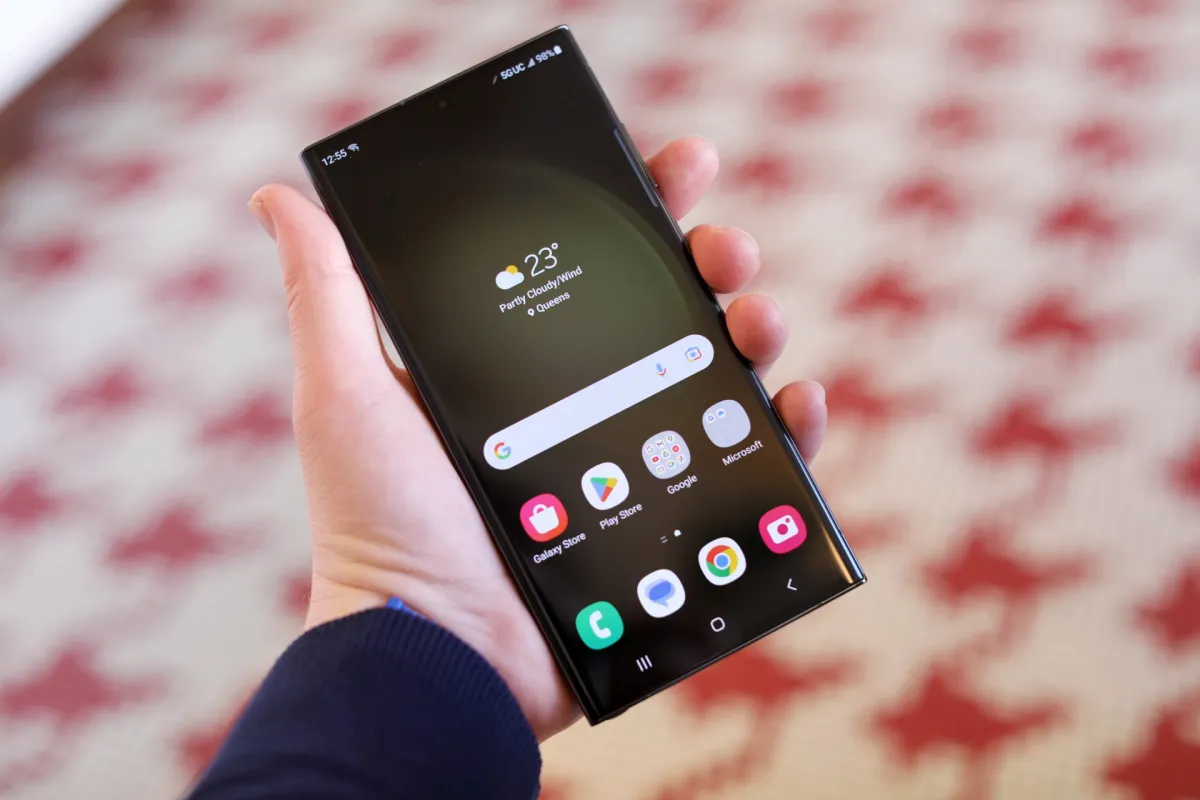
In a significant development that underscores the vulnerabilities inherent in mobile hardware manufacturing and software ecosystems, security researchers at Palo Alto Networks’ Unit 42 have uncovered a sophisticated Android spyware named Landfall. This spyware, which targeted Samsung Galaxy phones in an extensive, nearly year-long hacking campaign, highlights the rapid pace of cyber-attack innovation and the critical importance of proactive security measures in the tech industry. The discovery points to the ongoing disruption within the mobile security landscape, with potential implications for global markets and enterprise security frameworks.

The Landfall spyware operated by exploiting a previously unknown security flaw in Samsung’s Android software—classified as a zero-day vulnerability—identified as CVE-2025-21042. Zero-day exploits are notorious for their ability to bypass traditional defenses because they leverage vulnerabilities that even the manufacturer is unaware of until they are actively exploited. The fact that Samsung did not have prior knowledge of the flaw until this threat emerged raises questions about the robustness of its security architecture, especially in an era where rapid patching is critical for maintaining consumer trust and product integrity. Although Samsung issued a patch in April 2025, the damage caused during the window of exposure exemplifies the risks associated with complex software supply chains and the need for advanced detection strategies.

What makes Landfall particularly disruptive is its geopolitical footprint, with infection samples uploaded from regions including Morocco, Iran, Iraq, and Turkey, which underscores the escalating nexus between cyber espionage and global geo-politics. The Turkish national cyber readiness team, USOM, identified suspicious activity stemming from associated IP addresses, suggesting targeted operations against specific populations or organizations. Moreover, the spyware’s code revealed targets within the Galaxy S22, S23, S24, and Z model series, spanning Android versions 13 through 15—indicative of an expansive vulnerability that affects a broad range of flagship devices. This targeted disruption signals a new wave of cyber actors leveraging zero-day flaws not just for espionage but potentially for more malicious intents such as data exfiltration or sabotage.

From a broader business and industry perspective, this incident underscores the urgent need for hardware manufacturers, software developers, and cybersecurity firms to innovate faster and implement disruptive security paradigms. Industry experts, including Gartner analysts and MIT cybersecurity scholars, stress that the traditional reactive approach to security vulnerabilities is no longer sufficient in a landscape dominated by sophisticated threat actors. This incident exemplifies a fundamental industry’s shift towards proactive, AI-driven, and disruption-ready cybersecurity solutions. Tech companies must integrate continuous monitoring, automated patching, and resilient architecture designs to disrupt emerging threats before they can exploit vulnerabilities at scale.

As global markets and consumers become increasingly dependent on mobile technology for critical operations, the security of devices like Samsung’s Galaxy series transforms from a technical detail into a strategic imperative. The Landfall espionage campaign offers a compelling warning: in an environment of relentless technological disruption, those who fail to innovate risk being left behind in the dust of cyber adversaries outpacing traditional defenses. Moving forward, industry leaders must prioritize revolutionary security strategies to safeguard their innovation pipelines and preserve user trust—because the future belongs to those who act with urgency and foresight in the face of an evolving cyber threat landscape.

Here’s a rewritten headline with a moderate right-wing, youth-oriented lifestyle/trends news tone: “Ikea’s New Matter-Over-Thread Smart Devices: The Future of Affordable, Simplified Home Tech”

Ikea has long been a household staple, synonymous with affordable furniture and a certain DIY charm. Now, the brand is pivoting toward what could be the next big wave in modern living: smart home technology that is accessible, intuitive, and seamlessly integrated into everyday life. With the launch of 21 new smart devices—spanning lighting, sensors, and control mechanisms—Ikea aims to democratize the smart home trend, making it less of a niche and more of a lifestyle standard.

This move is not just about adding gadgets to your living space; it signals a cultural shift where technology becomes an effortless extension of personal comfort and societal identity. Driven by the rising influence of tech-savvy younger consumers, Ikea’s approach reflects a modern desire for convenience that aligns with affordability and simplicity, breaking down barriers that have historically kept smart home tech out of reach. According to sociologist Dr. Lisa Chen, this trend underscores a broader societal shift where convenience and tech integration become essential indicators of social status and lifestyle. As younger generations prioritize technology that simplifies life without the hefty price tag, Ikea’s expansion into this market exemplifies how cultural norms are evolving around the smart living concept.

Central to Ikea’s smart home ambitions is its commitment to the Matter-over-Thread protocol—an open standard developed by the Connectivity Standards Alliance. This technology ensures that devices from different brands can communicate effortlessly, eroding the old walls of proprietary ecosystems. For consumers, this means the ability to connect Ikea’s affordable and stylish lighting, sensors, and remotes with existing systems like Apple HomePods and Google Homes. The significance is profound: smart home technology is becoming truly interoperable, fostering a social environment where personalized automation is accessible to all. This technological inclusivity fuels a cultural movement—encouraging users to take control without fear of incompatibility, promoting a sense of empowerment that extends beyond mere gadgets to social identity and community.

Highlighting this shift are Ikea’s innovative product categories, from colorful Kajplats smart bulbs to practical sensors like Timmerflotte (temperature & humidity), Alpstuga (air quality), and Klippbok (water leak detection). These devices are designed not only for convenience but also for health, safety, and environmental awareness, reflecting a societal adjustment where our living environment is scrutinized and optimized via affordable tech. The company’s remote controls—ranging from simple dual-button versions to more sophisticated scroll-wheel options—highlight the desire for user-friendly interfaces that require little learning curve, resonating with a generation that values quick, intuitive solutions. As analysts like Sarah Patel observe, this evolution indicates that future smart living will be about emotional comfort and societal well-being, mediated through seamless tech integration that feels instinctive rather than intimidating.

Ultimately, Ikea’s smart home launch is more than a product release; it’s a societal narrative about accessibility, inclusivity, and the normalization of tech-powered living. But the question lurking behind this innovation is: as affordability and interoperability become the standard, what will be the next frontier? Will future smart homes transcend convenience to become catalysts for social change, or will there be unforeseen challenges in maintaining privacy, security, and human connection? With every step toward making tech truly ubiquitous and user-centric, the next big question is not just about gadgets—it’s about how our digital lives will redefine societal values in the coming decades.

Social Media Auto Publish Powered By : XYZScripts.com



