Matox News

Truth Over Trends, always!

All’s Fair’s Boldest and Most Jaw-Dropping Lines of Dialogue

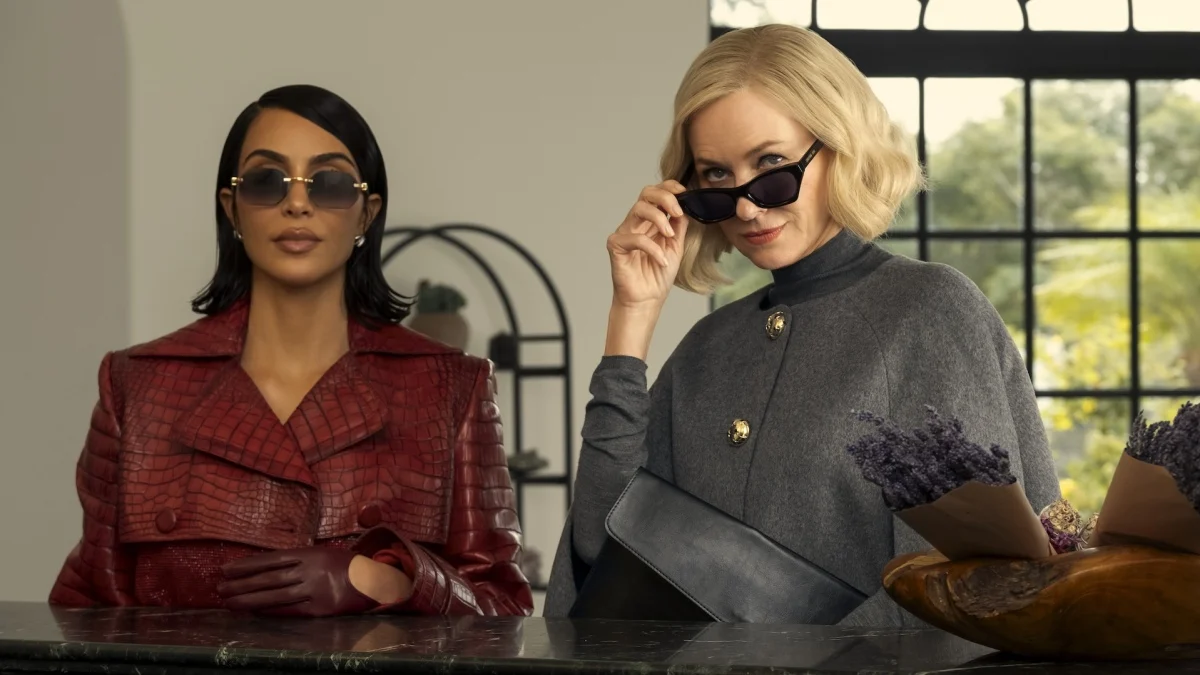
In the ever-evolving landscape of television, Ryan Murphy‘s new Hulu series, All’s Fair, has ignited a viral buzz across social media, stirring debate among viewers and critics alike. Dropping its first three episodes midweek, the show presents a daring, unapologetic satire of power, gender dynamics, and societal ambition—centered around a women-led, women-only law firm helmed by none other than Kim Kardashian. Ironically, despite the polarizing critical reviews describing it as “unforgivably dull” or “existentially terrible,” the series has become a goldmine of meme-worthy quips, capturing a cultural moment that refuses to be ignored.

This series embodies a unique shift in societal discourse, where entertainment is increasingly dissected not solely on narrative merit but for its social relevance. As critics fault it for lack of depth, the internet, led by a younger demographic, sees it as a mirror of the era’s flamboyance and irreverence. Influencers and entertainment analysts argue that the show’s viral appeal lies precisely in its over-the-top lines—like Liberty’s comedic roast of health trends or Emerald’s sassy retorts—that serve as modern society’s new form of rebellion against traditional decorum. The series champions a break from conventional storytelling, embracing spectacle, irony, and sharp dialogue that resonates with a generation eager for entertainment that’s both provocative and parody-laden.

  • Top Trends emerging from All’s Fair include:
  • Reclaiming power through satire
  • Celebrating bold female characters pushing societal boundaries
  • Leveraging social media memes for cultural commentary

While the show’s critics dismiss its repetitiveness and questionable depth, cultural commentators like sociologists posit that this emergent form of entertainment is reshaping how society debates social norms. It offers a playful yet pointed critique of the elite class, corporate sham, and gender politics—all through a lens that’s highly palatable to a youth audience increasingly skeptical of traditional authority figures. Viral clips, ranging from sarcastic one-liners to openly exaggerated character dynamics, symbolize a new cultural grammar: a playful yet confrontational approach to societal issues that can’t be easily dismissed. As a result, All’s Fair is not just a TV show but a cultural phenomenon that questions whether stereotypes about women in power or the legal system are ready for this kind of satirical reckoning.

In a twist that raises serious questions for future media, the question remains: are these irreverent, meme-driven shows paving the way for a new era of social critique, or are they just fleeting amusements? With influencers and critics debating whether this series is a groundbreaking commentary or merely entertainment for spectacle lovers, the next chapter of this trend might see society increasingly blending humor, social critique, and entertainment. The challenge lies in understanding whether this cultural shift signifies genuine change or just a passing moment of rebellious fun. As youths harness the viral power of memes and sharp dialogue, the age-old question persists—how will future storytelling evolve to balance entertainment with meaningful societal reflection?
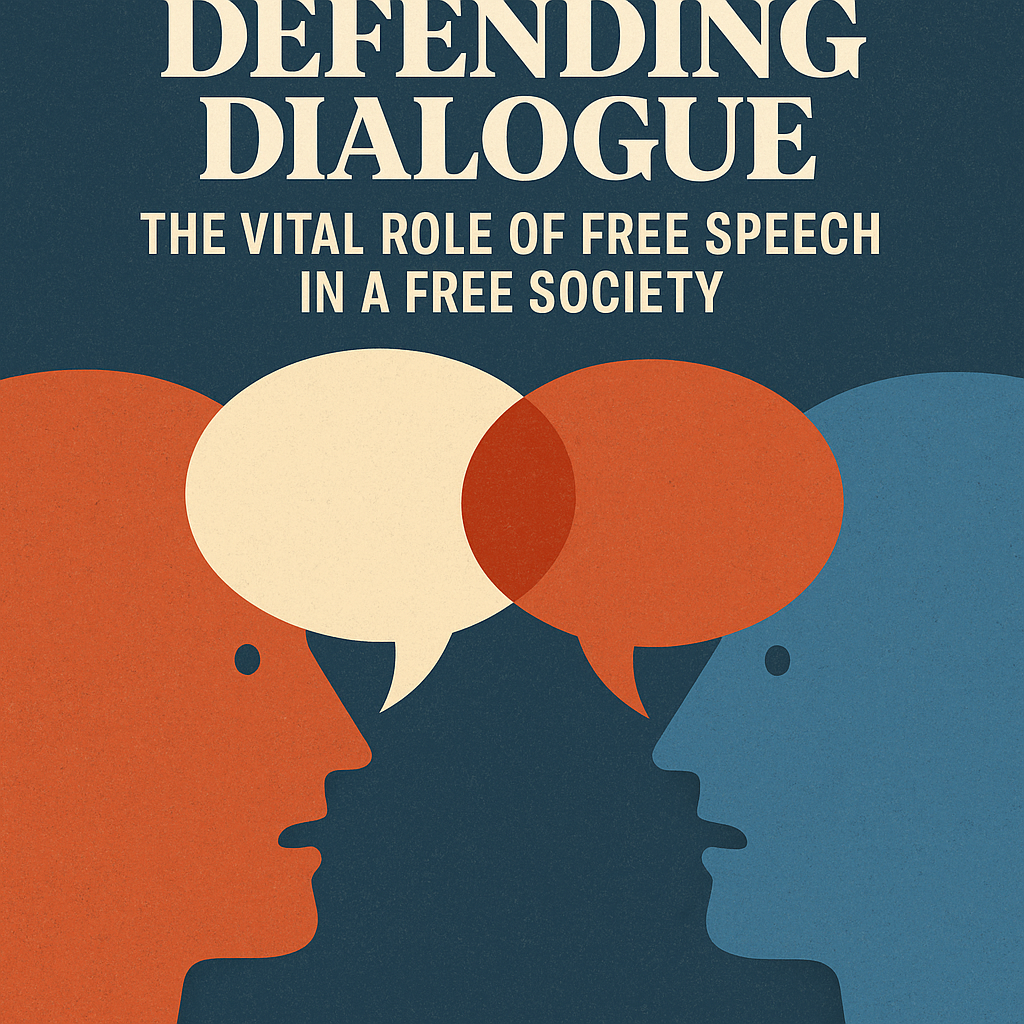
Defending Dialogue: The Vital Role of Free Speech in a Free Society

In an era marked by digital interconnectedness and rapid information exchange, the fundamental importance of free speech in maintaining a vibrant, healthy society cannot be overstated. Critics often posit that unchecked dialogue can foster divisiveness or misinformation, but history and empirical evidence suggest otherwise. John Stuart Mill, in his seminal work On Liberty, argued that the free exchange of ideas is essential not only for discovering truth but for preventing tyranny of the majority. When societies impose undue restrictions on speech, they risk silencing dissent, which can stifle innovation, suppress minority views, and erode the very foundations of democracy. The challenge lies in safeguarding open discourse without allowing harmful content to proliferate, a balancing act that underscores the importance of free and fair dialogue.

Supporters of free speech emphasize that censorship often backfires by driving controversial ideas underground, where they become more difficult to address openly. Economists like Friedrich Hayek have pointed out that free markets of ideas require safeguarding to foster societal progress. Moreover, the digital age has amplified the reach of individual voices, allowing youth-led movements and marginalized communities to challenge entrenched narratives effectively. Nevertheless, critics argue that platforms must moderate content to prevent harm; yet, overreach risks transforming these spaces into echo chambers. Protecting free speech entails constructing boundaries that deter abuse without curtailing authentic debate, a nuanced pursuit that defies simple solutions but remains central to societal resilience.

From a historical perspective, societies that champion liberty of expression tend to experience greater innovation and social cohesion. When citizens are empowered to voice dissent, governmental abuses are held accountable, and policies are scrutinized more effectively. Analysts suggest thatn an environment of robust debate fosters a culture of critical thinking—vital for adapting to complex challenges like technological change or global crises. Limiting speech, on the other hand, can cultivate a climate of conformity, where fear suppresses dissent and free inquiry diminishes. As thinkers like Alexis de Tocqueville observed, “Democratic societies flourish when the individual feels free to speak and think for themselves, even if their views are unpopular.”

Yet, amid the noise and chaos of our digital age, it is essential to remember that free speech is more than a right; it is a moral obligation. It demands responsibility—both from those who exercise it and from societies that protect it. If the future of free societies depends on anything, it is on their ability to defend this sacred space where ideas collide, challenge, and evolve. The weight of this responsibility is immense, for within the marrow of free speech lies the future of human progress itself—an enduring testament to our collective resilience and boundless aspiration, echoing through time as an unbreakable chorus that calls us to remain vigilant and unwavering in the pursuit of truth and liberty.

BBC Approves Certain Complaints Over Bob Vylan’s Glastonbury Performance, Sparking Youth Dialogue

The recent controversy surrounding the British punk duo Bob Vylan at Glastonbury serves as a stark reminder of how deeply culture remains intertwined with the very fabric of societal identity and historical memory. The BBC’s subsequent ruling—acknowledging some breaches of harm and offence guidelines—has ignited a fervent debate about the boundaries of artistic expression and the societal responsibility of public broadcasters. Yet, beneath this controversy lies a broader reflection on the role of cultural movements and expressive acts in shaping, challenging, or defending the core values of a civilization.

The band’s performance, which included chants such as “death, death to the IDF” and slogans like “From the river to the sea,” was characterized by many as provocative and provocative with political implications. Such phrases evoke complex historical parallels—from the upheavals of post-colonial struggles to the radical activism of movements like Gesellschaft or Frankfurt School’s critical theory. These expressions, whether intended as support for Palestinian aspirations or as a protest against violence, symbolize the ongoing battle over what constitutes societal memory and the philosophical underpinnings of justice and sovereignty. Philosopher Ortega y Gasset warned that cultural identity is an ongoing project, a “werewolf” of tradition and modernity, which must be continually redefined—yet these acts challenge the very foundations upon which societies are built.

Historically, cultures have morphed through conflict and dialogue, sometimes embracing radical dissent, sometimes suppressing it. The Glastonbury incident reflects this ongoing tension—where art, history, and morality collide. The public’s reaction—ranging from condemnation to calls for greater censorship—parallels the dilemmas faced during the Enlightenment, when challenging orthodoxies threatened societal cohesion. The BBC’s decision not to pull the live stream after the comments were made, despite internal debates, mirrors a society grappling with the delicate balance between freedom and order. As T.S. Eliot observed, our culture is a “waste land,” yet it is also fertile ground for renewal—a prophecy rooted in memory while gestating the future.

Ultimately, culture functions as the memory of a society, a repository of its history, and as prophecy, an anticipation of what humanity might become. In this light, the crisis over Bob Vylan is not merely about one band or one concert, but about the essence of societal identity and its relation to tradition. As Chesterton eloquently argued, culture’s task is to preserve the eternal truths amidst the chaos of modernity, ensuring that our society does not drift into forgetfulness but remains anchored in its foundational narratives. Whether in song, speech, or silent reflection, culture is the sacred dialogue that preserves our past and breathes life into our future—a legacy that must be courageously defended in the face of erasure or distortion.

As we consider the ongoing debates about free expression, political identity, and societal cohesion, we do well to remember that culture, in its deepest sense, is both a repository of our memories and a beacon of what lies ahead. It whispers of our ancestors’ struggles and dreams, shaping the collective consciousness that will guide generations to come. In this harmony of memory and prophecy, humanity finds its truth—ever resilient, ever hopeful, echoing through the corridors of history like a timeless symphony that beckons us to listen and to remember that we are both the sum of our past and the architects of our destiny.

Social Media Auto Publish Powered By : XYZScripts.com