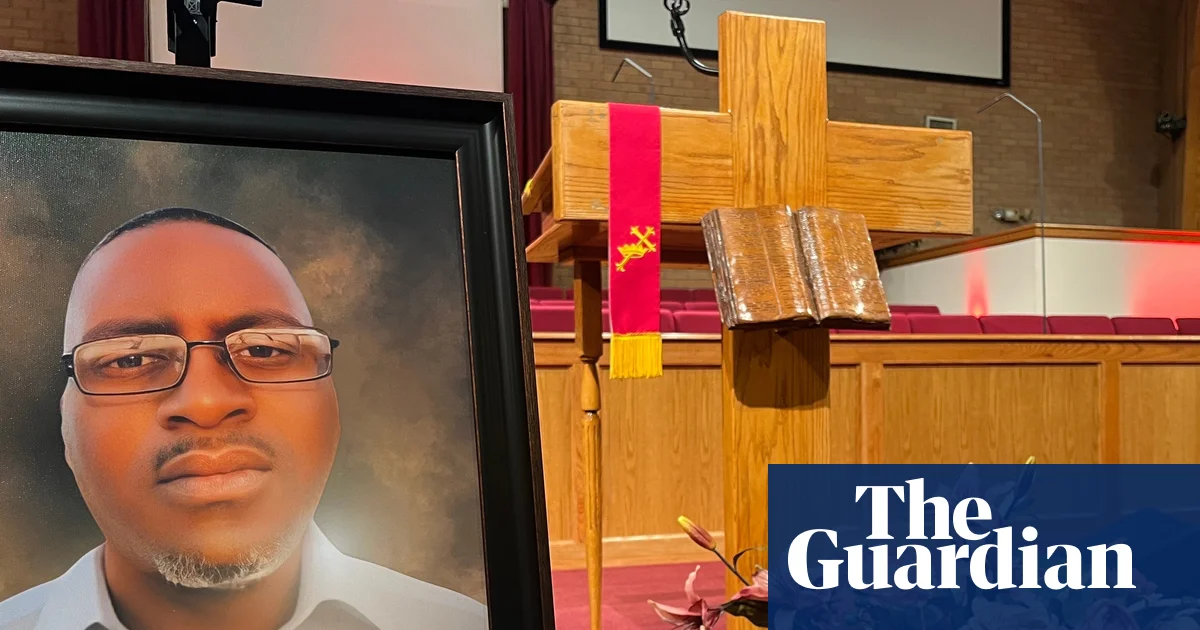

The recent case emerging from Kansas exemplifies the ongoing struggle for accountability and transparency within law enforcement, a challenge that resonates beyond national borders into the broader realm of global justice. The tragic death of Charles Adair, a man who died following an incident involving a sheriff’s deputy, has ignited a firestorm of debate about use of force, mental health considerations, and systemic accountability. Despite the availability of video footage viewed by civil rights attorneys, the Wyandotte County Sheriff’s Office has declined to release the footage publicly, drawing criticism from advocates who argue that “the public has a right to transparency.” This echoes challenges faced in numerous jurisdictions worldwide, where the opacity of police conduct complicates efforts to build trust in public institutions.
Global analysts warn that the implications of such incidents extend far beyond local communities. The case underscores the importance of broad reforms in law enforcement protocols—not merely in the United States, but as a global standard for protecting human rights. Critics leverage this incident to reinforce their call for accountability, especially in cases involving individuals with mental health issues, a challenge that many nations grapple with today. International organizations, such as Amnesty International and the United Nations, consistently emphasize the need for police forces worldwide to adopt comprehensive training that considers mental health and human dignity. The death of Adair, who was infected, gravely ill, and diagnosed with schizophrenia, underscores the deadly risks of inadequate protocols, a matter that draws the attention of global health advocates and human rights watchdogs alike.
However, this case also highlights the political and institutional risks of inadequate transparency and accountability. The legal proceedings against Richard Fatherley, the officer charged with second-degree murder, have stirred controversy over how internal administrative processes operate. Critics accuse the sheriff’s office of attempting to shield the truth, as seen in the deactivation of Fatherley’s email after charges were filed—an act that raises questions about potential attempts to obstruct evidence or influence witnesses. Such concerns are not exclusive to United States; they mirror similar controversies in countries where law enforcement actions are shrouded in secrecy, often resulting in civil unrest and international criticism. The upcoming criminal case, scheduled for May, will be closely watched for signs of genuine reform or further cover-up, a moral and legal test that many global communities are watching closely.
Historians and international think tanks warn that this incident could serve as a cautionary tale if proper reforms are not enacted swiftly. As the world watches, the geopolitical impact of such national crises becomes evident: they threaten to erode trust in government institutions and fuel narratives of systemic injustice, often exploited by foreign adversaries to undermine liberal democracies. Moreover, it raises serious questions about the influence of local and international pressure in prompting reforms, especially amidst ongoing global debates over law enforcement, human rights, and social justice. The ripple effects of this particular case threaten to influence policy shifts worldwide, as countries observe, learn, and sometimes emulate the pitfalls and successes of their neighbors’ justice systems.
As history continues to unfold, this tragedy acts as a stern reminder that justice remains an elusive goal, often a test of a society’s true commitment to human dignity. Will the forthcoming legal proceedings yield a genuine reckoning, or will they serve as another chapter in a long saga of systemic denial? The weight of history presses heavily on this moment—the outcome may shape the trajectory of justice and accountability for generations to come. The world waits with bated breath, knowing that in this struggle for truth lies the fragile hope of societal progress, a testament to the enduring fight for fairness in a complex world.