Matox News

Truth Over Trends, always!

Louvre Director Resigns Amidst Major Art Heist Scandal

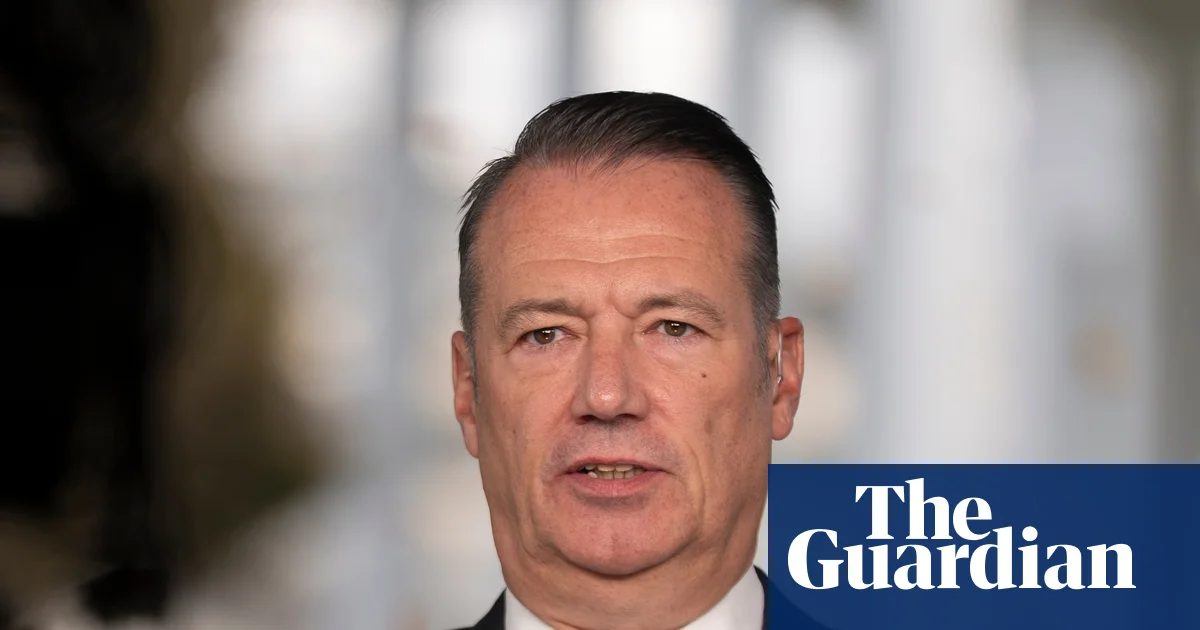
In an era defined by rapid geopolitical shifts and rising global tensions, the appointment of Leribault as the new leader of a prominent cultural institution signals more than just a managerial change. His primary mission to strengthen the safety and security of the museum’s collections, staff, and visitors exemplifies a broader move by France to reaffirm its commitment to cultural preservation amid mounting international uncertainties. As the cultural sector becomes increasingly entangled in political narratives, the emphasis on safeguarding heritage assets underscores a strategic effort to project soft power and maintain societal cohesion.

Many analysts argue that cultural institutions serve as critical battlegrounds in the ongoing contest for global influence. Historians like Dr. Catherine Lefevre suggest that “the safeguarding of national treasures is now intertwined with geopolitical resilience,” especially as nations face external pressures from emerging powers and covert interests seeking to manipulate cultural symbols for ideological ends. The mention of Leribault’s focus on “restoring a climate of trust” hints at past vulnerabilities — whether through recent security breaches or ideological conflicts that threaten the integrity of such institutions. Meanwhile, international organizations, including UNESCO, have voiced concerns about cultural heritage as a target in conflicts, emphasizing that “the preservation of history is crucial for fostering international understanding.”

This new leadership change also reflects a strategic shift in international cultural diplomacy. Countries are increasingly recognizing the geopolitical value embedded in well-maintained institutions. The focus on transformations necessary for the museum highlights a vision of modernization aimed at resilience — a move that resonates with global trends toward digital integration and security enhancement. Such efforts serve as a tangible signal that fragile cultural infrastructure must be fortified to withstand not only ideological assaults but also physical threats. As the world witnesses a rising tide of social upheaval, war, and unrest, the role of cultural institutions as bastions of national identity and resilience becomes ever more vital.

Ultimately, this appointment is more than a routine administrative update. It is a reflection of how nations, especially those with a profound historical footprint like France, view their cultural heritage as crucial in shaping national identity and asserting geopolitical position. Historians warn that neglecting these institutions can lead to irreversible loss, forever altering a nation’s narrative. As we watch this new chapter unfold, it underscores a key truth: in the ongoing struggle for global influence, heritage is more than just history — it is a battleground where the resolve of nations is tested, and the future of cultural sovereignty hangs in delicate balance. In the fluid, often dangerous currents of international diplomacy, the fight to preserve our shared history remains an unyielding testament to resilience — yet, the game has only just begun.

Brett Ratner, Melania's former director, spotted with woman in Epstein files—what's really going on?
Brett Ratner, Melania’s former director, spotted with woman in Epstein files—what’s really going on?

The recent release of photographs featuring American financier Jeffrey Epstein alongside entertainment figure Glenn Ratner and unidentified women has sent ripples across the international community, coinciding with Ratner’s controversial documentary about the First Lady of the United States. These images, emerging on the same day, have re-ignited debates over elite networks and their influence on global politics and society. While some may dismiss them as personal scandals, analysts and geopolitical observers recognize a deeper significance rooted in the power dynamics of transnational elites that span borders and disciplines.

The timing of this revelation is often viewed by experts as a calculated move, designed to divert global attention from more pressing geopolitical shifts. According to international relations scholars, the interplay between scandal and political discourse illustrates the fragility of public trust in institutions—particularly when intertwined with influential figures connected to wealth, power, and political agendas. The images highlight a broader concern: how clandestine associations among the world’s elite can impact governance, policy decisions, and international stability. From the corridors of Washington to diplomatic capitals worldwide, questions are emerging about the extent to which such networks control or influence paramount issues ranging from economic policy to national security.

In response to the fallout, numerous organizations and analysts have voiced warnings about the potential erosion of transparency and accountability. For instance, the European Council on Foreign Relations emphasizes that these revelations underscore the importance of scrutinizing transnational elite connections, especially in an era marked by rising geopolitical tensions. The United Nations and other international bodies continue to call for investigations into these influential circles. Meanwhile, historians warn against dismissing such scandals as mere distractions. Instead, they argue that these incidents are *markers* of larger shifts that threaten to redefine the balance of power—fostering a new era of clandestine diplomacy that operates beneath the veneer of public scrutiny.

As the world watches, the narrative remains unwritten; history’s pen continues to inscribe each development with profound consequences. The revelations serve as a stark reminder that the forces shaping our future are often hidden behind the facade of civility and diplomatic protocol. Whether these images will herald a decisive turning point or fade into the background remains uncertain. Nonetheless, the weight of history presses heavily on current events, urging societies to reflect on the unseen currents that now threaten the foundations of democratic transparency and international order. As the shadows lengthen over the corridors of power, only time will reveal the true scope of this unfolding story—an epoch where alliances, secrets, and scandals may determine the trajectory of nations for generations to come.

Minnesota Judge Calls Out Acting ICE Director, Warns of Consequences for Ignoring Court Orders

Judicial Authorities Push Back Against Federal Immigration Policies in Minnesota

The escalating tensions between federal immigration authorities and the judiciary in Minnesota underscore a rising confrontation that threatens to reshape the landscape of U.S. immigration enforcement. At the heart of this conflict is the recent intervention by the state’s top federal judge, Patrick Schiltz, who summoned the acting head of Immigration and Customs Enforcement (ICE), Todd Lyons, warning of contempt of court charges for defying judicial orders. This dramatic stance highlights an emerging crisis of authority, where individual judges are actively contesting federal directives, raising profound questions about the rule of law versus executive overreach.

The core issue stems from Operation Metro Surge, a sweeping and aggressive immigration crackdown initiated under the previous Trump administration. The operation has responded with a series of controversial and often unlawful detention practices targeting immigrants in Minnesota. Many detention cases have entered the judicial pipeline with emergency lawsuits filed on behalf of individuals claiming wrongful arrest and extended detention, often without proper legal process. Judge Schiltz and other federal judges have voiced concern that the administration’s disregard for court orders is causing “significant hardship,” with detainees being moved far from their homes or held in states like Texas despite clear court directives to keep them in Minnesota.

Legal Resistance Reflects Broader Geopolitical and Societal Shifts

  • Judicial rebukes have set the stage for potential *legal challenges* that could either restrain or halt federal immigration enforcement efforts in Minnesota entirely.
  • These developments symbolize a broader *conflict between state and federal authority*—a phenomenon that resonates beyond the borders of Minnesota and into the heart of U.S. sovereignty.
  • Internationally, critics interpret this clash as a reflection of America’s internal struggles over national identity, immigration policy, and the constitutional separation of powers, echoing debates that many analysts compare to volatile shifts currently unfolding in other global democracies.

Leading international organizations and senior analysts warn that ongoing resistance against federal directives could weaken the fabric of international rule of law, especially as the United States serves as a model for judicial independence and constitutional governance. Historians remind us, through echoes of past conflicts, that such internal disputes often signal profound societal transformations—sometimes for better, sometimes for worse. The ongoing confrontation in Minnesota is unlikely to remain isolated, with the potential to inspire or suppress similar resistance in other states facing federal immigration policies.

Implications for the Global Power Balance

As President Biden’s administration seeks to implement more humane immigration reforms, these legal battles expose a complex interstate power dynamic. The pushback from Minnesota’s judiciary complicates the *administration’s efforts* to craft a cohesive national immigration strategy, especially when faced with states that prioritize local policies like sanctuary jurisdictions. The potential for federal-state conflicts to escalate already hints at a fragmented approach to governance that could weaken U.S. credibility abroad. Many international observers see the situation as emblematic of a broader weakening of American institutional authority, which might undermine the country’s ability to project power and stability in the global arena.

This unfolding chapter in U.S. domestic politics bears resemblance to rising sovereigntism observed in other nations, where regional entities challenge centralized authority. The clash over immigration enforcement reveals a society fractured over the very definition of justice and national sovereignty—a duel that could define the United States’ future as a beacon of rule of law or a divided union struggling with internal discord. The weight of history hangs heavily as courts and federal agencies navigate this uncertainty, their decisions shaping the legacy of a nation facing its most defining test yet.

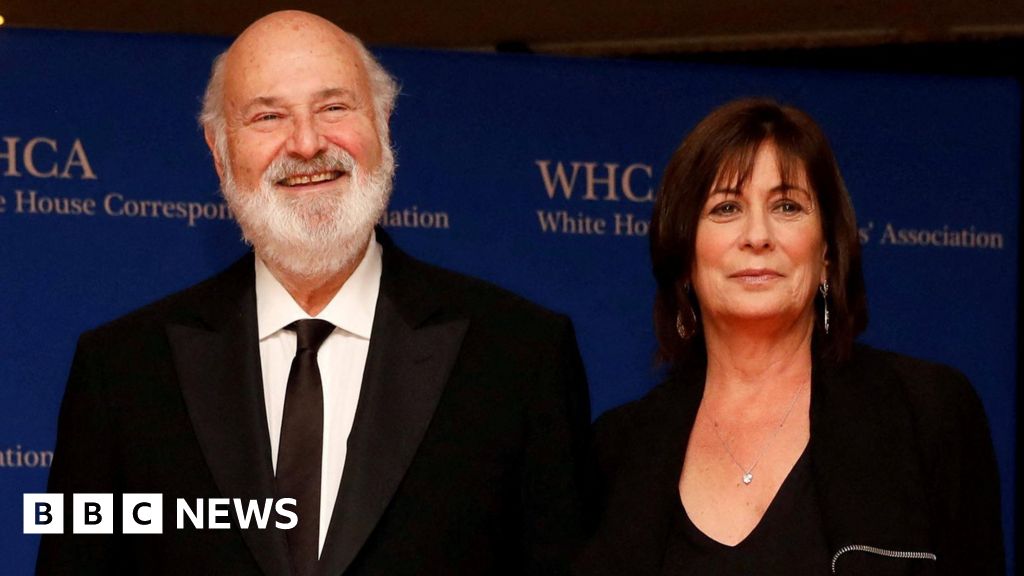
Hollywood director and wife Michele tragically found dead at LA home

Hollywood Legend Rob Reiner and Wife Michele Found Dead in LA: A Tragic Turning Point with Global Resonance

The sudden death of Rob Reiner, a revered filmmaker and actor whose career spanned over five decades, has sent shockwaves through the entertainment industry and the broader cultural landscape. Found lifeless alongside his wife Michele in their upscale Los Angeles Brentwood home, authorities are investigating the incident as an apparent homicide, marking a disturbing turning point in American cultural history. The implications extend far beyond individual grief, igniting conversations about societal safety, political activism, and the enduring influence of Hollywood on global narratives.

Reiner’s legacy is deeply intertwined with eras of social change, both in cinema and in activism. Known for directing enduring classics like The Princess Bride, When Harry Met Sally, and A Few Good Men, he was celebrated not only as a Hollywood icon but also as a passionate advocate for social justice. California Governor Gavin Newsom called him a “big-hearted genius”, emphasizing how his works contributed to shaping American values. As an influential figure, Reiner’s life reflected a powerful connection between cultural influence and societal responsibility, inspiring millions worldwide to pursue justice, civility, and purpose. The discovery of his death in his homeprised the nation but also ignited broader concerns about rising violence and societal instability.

  • The Los Angeles Police Department responded swiftly, opening a homicide investigation into the circumstances surrounding Reiner’s and his wife Michele’s deaths.
  • The authorities revealed that both bodies were found hours after emergency services received a call for aid, but no immediate details about injuries or weapon use were disclosed.
  • The incident underscores a widening cultural fissure, where the glittering veneer of Hollywood often masks darker trends of societal decay.

Global institutions and cultural voices have highlighted the incident as symptomatic of a troubled era. United Nations-aligned analysts have warned that such tragedies underscore the importance of strengthening community safety and resilience. Meanwhile, international leaders point to the incident as a haunting reminder of the delicate balance between public figures’ private lives and the societal obligation to safeguard all citizens. Prominent voices like Barack Obama underscored Reiner’s contributions, noting his dedication to humanitarian causes and his capacity to inspire generations with stories that reflect the enduring human spirit. This tragedy is not merely a personal loss but a stark symbol of how societal upheavals influence even the most iconic figures.

Historians and critics are already framing this event within a wider context of cultural reckoning. Some suggest it serves as a poignant call to action—a reminder of the persistent need to address violence, mental health, and social inequality that threaten to fracture societies worldwide. The impact of Reiner’s films transcends entertainment; they serve as mirrors reflecting societal hopes, fears, and lessons. As countries grapple with similar issues—ranging from rising crime to political extremism—the death of Reiner and his wife could catalyze renewed calls for social reform and civic activism. The world now watches with bated breath, as the figures behind the camera—whose voices once sought to challenge injustice—become silent witnesses to the ongoing struggle. In this moment of profound loss, the question remains: how will history remember the stories they leave behind, and what legacy will endure from this tragic chapter?

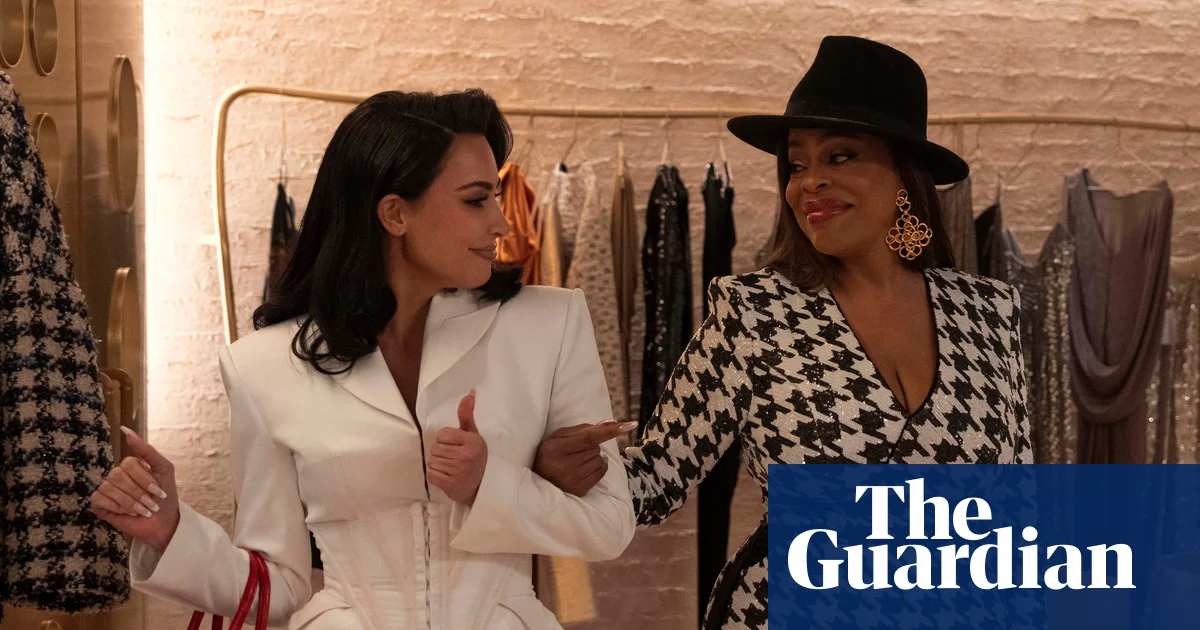
Director of Kim Kardashian’s All’s Fair addresses critics: ‘We’re hopeful opinions will shift’ | U.S. Television

In an era where cultural expression often mirrors societal shifts, the recent reception of the series “All’s Fair” highlights a crucial lesson: not everything curated for mass consumption will resonate universally, and that divergence is itself a reflection of society’s complex fabric. Directed by Anthony Hemingway, a veteran of acclaimed productions such as The Wire and True Blood, the show purports to explore themes of law, femininity, and human frailty through the lens of a female-led law firm specializing in divorce. Yet, despite its ambitious storytelling and the star power of Oscar nominees like Glenn Close and Naomi Watts, it has faced scathing criticism and has been labeled as “fascinatingly, incomprehensibly, existentially terrible” by critics. Such disparagement raises the question: in a culture increasingly obsessed with instant validation, how do we discern genuine artistry from superficiality?

The critics’ aversion to “All’s Fair” exemplifies a broader cultural tendency towards dismissiveness of ventures that challenge the conventional. Hemingway’s response—that “not everything is for everybody”—echoes the insights of thinkers like Ortega y Gasset, who lamented the commodification of culture and underscored the importance of individual aesthetic judgment. In a time preoccupied with the superficial, authentic artistry must often grapple with indifference before claiming its rightful place in the cultural dialogue. Hemingway draws a pertinent parallel between the show’s initial reception and the initial indifference that characterized revolutionary works such as Shakespeare’s or Beethoven’s. Like them, “All’s Fair” seeks to strike a chord that may not resonate immediately but holds the potential for cultural relevance over time, emphasizing that true art often requires patience and openness to new paradigms.

Furthermore, Hemingway’s defense of the show as “wish fulfillment” and a reflection of the human condition highlights an essential argument: culture’s role in shaping identity and societal understanding. In an age where cynicism often dominates, the attempt to grapple with how humans process loss, hope, and justice through storytelling remains vital. This echoes Chesterton’s assertion that “art is the signature of man,” an indelible mark of human aspiration and frailty. As history and philosophy remind us, culture is both memory and prophecy—a record of our collective past that guides and informs our future. Hemingway’s emphasis on the show’s evolving nature and his call for patience encapsulate this notion, suggesting that true cultural works are less about immediate applause and more about planting seeds for future reflection.

In the end, the enduring power of culture lies in its ability to connect us to ourselves and to the times yet to come. Like a song that echo’s through the ages or a monument carved in stone, it embodies our hopes, fears, and memories. As T.S. Eliot noted, “Our civilization is in a state of flux, but culture—true culture—is what sustains and elevates us through change.” Thus, whether “All’s Fair” finds its audience or not, it reminds us of the vital truth: culture is both our collective memory and our prophetic voice—an enduring testament to the nobility and complexity of human life, inspiring us still to dream, reflect, and forge a future rooted in our deepest human essence.

Social Media Auto Publish Powered By : XYZScripts.com