
Matox News

Truth Over Trends, always!

Discord sleuths breach Anthropic’s Mythos — investigation underway

Emerging Tech and Cybersecurity Developments Signal Disruption and Industry Transformations

The rapid evolution of artificial intelligence continues to redefine the landscape of cybersecurity, with recent discoveries illustrating both groundbreaking innovation and profound risks. Mozilla leveraged early access to Anthropic’s Mythos Preview, an AI model designed to identify software vulnerabilities, to proactively enhance the security of its Firefox 150 browser. This case exemplifies the disruptive potential of AI-driven security tools in software development, marking a significant step forward in proactive threat mitigation. As industry leaders and security experts like Gartner highlight, the integration of sophisticated AI models into cybersecurity infrastructure could shift the paradigm from reactive to preventative defense, fundamentally altering how technology companies approach vulnerability management.

However, the story isn’t solely one of positive disruption. A noteworthy breach involving Anthropic’s Mythos has exposed vulnerabilities in controlling these potent AI tools. A group of amateur hackers on Discord managed to access Mythos after analyzing a recent breach at startup Mercor—a strategic move that underscores the dangers inherent in AI proliferation. These hackers, aided by knowledge of model hosting formats potentially linked to a web URL, accessed unreleased AI models, including Mythos, without sophisticated hacking techniques. Their actions, though currently limited to building simple websites, expose a destabilizing trend: malicious actors gaining early access to cutting-edge AI models could eventually lead to catastrophic breaches or AI-enabled cyber warfare. This incidence signals a need for relentless security and oversight, especially as AI models become integral to critical infrastructure and enterprise operations.

The disruption extends into the criminal underworld, as law enforcement cracks down on transnational illegal enterprises leveraging AI and digital scams. The U.S. Department of Justice recently charged two Chinese nationals for managing a vast human-trafficking scam compound in Southeast Asia, which employed fake job offers and cryptocurrency fraud to enslave victims—some, notably, with links to the United States. The DOJ’s actions, including the seizure of $700 million worth of assets and the disruption of Telegram channels used for these criminal activities, encapsulate the urgent necessity for tech-enabled law enforcement to keep pace with evolving digital crime strategies. These efforts demonstrate the business implications of cybersecurity: as AI disrupts traditional crime vectors, authorities and private entities must innovate rapidly to stay ahead of malicious actors.

In tandem, advances in mobile security have exposed vulnerabilities in seemingly secure encrypted messaging platforms like Signal. Reports have surfaced that, despite end-to-end encryption, message notifications stored within iOS push notification databases can still be accessed—even after deleting messages. Apple swiftly responded with security updates, yet this underscores a broader trend: as AI-driven exploits become more advanced and targeted, traditional encryption may no longer suffice. Industries relying on mobile communication and data privacy must now adapt; best practices include configurable notification settings and heightened device security. The intersection of security flaws and AI innovation signals a turning point—emphasizing why tomorrow’s cybersecurity frameworks must integrate smart, adaptive AI solutions to combat increasingly sophisticated threats.

Looking Forward: Urgency in Embracing Innovation Responsibly

The convergence of AI innovation, disruption, and increased cybersecurity threats paints a complex future—one that demands swift and decisive action from tech firms, policymakers, and security professionals alike. As MIT researchers and industry giants like Elon Musk argue, the natural trajectory is toward more powerful AI models that are not only tools for progress but also potential vectors for wrongdoers. Industry leaders must prioritize robust security architectures, leveraging AI for defense, while instituting stringent access controls to prevent unauthorized use or exploitation.

Disruptive technologies are reshaping the threat landscape, and those who fail to adapt risk falling behind. The competitive advantage lies with organizations that leverage innovation responsibly and anticipate future shifts—whether through enhanced vulnerability detection, secure deployment of AI models, or proactive law enforcement engagement. In this fast-moving arena, timeliness and agility are paramount; the future belongs to those prepared for the next wave of disruption, ready to harness AI’s power to forge a safer, more resilient digital world.
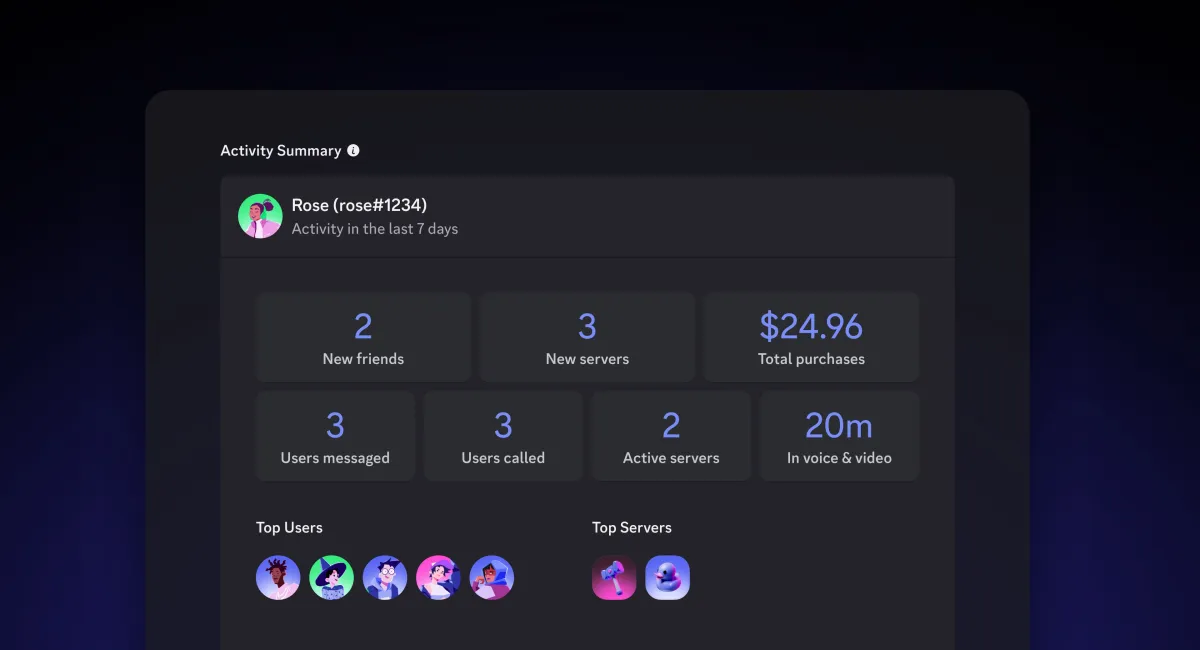
Discord’s Family Center update empowers parents to keep tabs on weekly spending—gear up for safer, smarter gaming!

Discord Unveils Next-Generation Parental Monitoring Tools, Signaling Industry Disruption

In a move that underscores the increasing importance of youth safety in digital spaces, Discord has rolled out a suite of substantial updates to its Family Center platform. These enhancements, aimed primarily at empowering guardians with deeper insights into their teens’ activity, embody the broader trend of tech giants intensifying parental oversight. At a time when social platforms face mounting scrutiny over youth privacy, Discord’s latest features position it as a disruptive force, potentially reshaping parental engagement across social media.

Among the most notable innovations is the expansion of guardians’ visibility into their teens’ digital behavior, including detailed reports on purchases, interaction patterns, and communication activity. Guardians can now track weekly expenditure within Discord’s Shop and Nitro subscriptions, gaining awareness of how teens allocate both time and money. Additionally, along with showing top interacted users and servers, Discord’s platform provides comprehensive insights into time spent on voice and video calls, reflecting an industry-wide response to the ‘teen safety’ wave fostered by competitors like Meta and Snapchat. The implications for business disruption are significant, as platforms move from passive monitoring to active engagement, potentially increasing user retention through safer environments, while simultaneously appealing to parental authority as a core feature.

Adding to this paradigm shift are enhanced parental controls, which now include restrictions on direct messaging, content filtering, and data privacy management. Guardians can dictate how their teens interact within Discord, a regime that echoes the industry’s strategic emphasis on responsible data practices and privacy. Experts from MIT and industry analysts from Gartner recognize that such features could usher in a new era of product differentiation—a crucial factor for platforms seeking to sustain relevance among younger demographics aware of privacy concerns. Meanwhile, Discord’s flexible reporting options—allowing teens to notify guardians of content reports—highlight an evolving model where transparency and communication become central to platform trustworthiness.

However, the deployment of these tools raises critical questions about industry standards and regulatory impacts. While fostering safer environments, increased oversight may prompt competitors to accelerate innovation, leading to a disruption in the social media landscape. With the backdrop of a sharply competitive market, where Elon Musk’s \href{https://parents.snapchat.com/safeguards-for-teens}{Snapchat} and Meta’s \href{https://techcrunch.com/2024/01/25/meta-teen-controls/}{tighter restrictions} are already reshaping youth interaction, Discord’s strategic move could accelerate the trend toward privacy-first, guardian-centric social spaces.

Future Outlook: Navigating the Next Wave of Social Tech

Looking ahead, the technology sector must brace for a rapid evolution in how digital platforms balance disruption and responsibility. As industry leaders like Gartner forecast an inevitable convergence of youth-centric design and privacy safeguards, Discord’s initiatives serve as a blueprint for the future of social media. In this high-stakes environment, the race is on to develop platforms that not only captivate younger audiences but also foster trust and security—critical ingredients for long-term business sustainability. With regulatory pressures mounting and consumer expectations shifting, developers and investors must act swiftly to secure a competitive edge, or risk being left behind in the digital revolution.

Discord warns: ID photos of 70,000 users may be leaked—security concerns mount for young users

Discord Data Leak: A Symptom of Broader Cybersecurity Challenges

The recent cyber incident involving Discord, a social platform with over 200 million users worldwide, underscores a pressing reality faced by nations, corporations, and societies in the digital age. The platform disclosed that approximately 70,000 users had their personal information and partial credit card details leaked. Although officials confirmed that the core platform was not compromised, the breach involved a third-party vendor responsible for age verification, revealing vulnerabilities in what is often considered “the digital frontier of the 21st century.” This incident exemplifies the escalating arms race between cybercriminals and security agencies, where hackers increasingly target auxiliary systems exploiting their less robust defenses.

International analysts and cybersecurity experts widely agree that such breaches are not isolated but part of a broader pattern impacting all sectors and regions. Recent investigations suggest that cybercriminals are relentless in their pursuit of lucrative data, which can command premium prices on the black market. These illicit markets facilitate scams, identity theft, and financial fraud, threatening not only individual users but also national security. Recognized organizations, including INTERPOL and EUROPOL, warn that the proliferation of such cyber threats could destabilize digital economies and undermine public trust in international institutions. The United States and other Western nations have responded by accelerating efforts to bolster cybersecurity resilience, but adversaries continue to find new vectors of attack.

Critics of current cybersecurity measures highlight that patching vulnerabilities in third-party vendors is no longer sufficient. Instead, they call for a comprehensive overhaul of digital infrastructure, emphasizing the importance of stringent vetting and continuous monitoring. Cybersecurity analysts warn that if nations fail to address these systemic weaknesses, the risk of a sustained cyber arms race becomes inevitable, with consequences comparable to traditional conflicts. Meanwhile, some experts claim that data breaches, such as this one with Discord, are just a precursor to more large-scale attacks targeting critical infrastructure and governmental networks in the coming years.

As nations grapple with balancing technological innovation and security, the geopolitical impact of such cyber incidents is profound. Countries that lead in cybersecurity technology and strategy secure advantages in international diplomacy and economic stability, while those caught unprepared risk becoming vulnerable targets or pawns in broader geopolitical chess. Historians warn that recent lapses in digital security could leave a lasting scar on the fabric of international relations, as cyber conflicts increasingly intertwine with traditional diplomacy. With the digital battleground extending beyond borders and ideologies, the world stands at a crossroads where every data breach could be the spark igniting a new era of conflict. As the weight of this unfolding history bears down, the question remains: will global power structures adapt swiftly enough to prevent chaos, or will they be overwhelmed as the digital age’s darker side emerges from the shadows?

Social Media Auto Publish Powered By : XYZScripts.com



