Matox News

Truth Over Trends, always!

Vibrant Views, Authentic Shops & Local Pubs: Discover the Heartbeat of the Llŷn Peninsula’s Community Spirit — Wales Holidays

While many conventional travel destinations emphasize bustling cities or tourist-heavy spots, Wales’ Llŷn Peninsula offers a different perspective—one rooted in community resilience, natural beauty, and a steadfast connection to heritage. This region embodies the _renewal of rural vitality_, showcasing how local initiatives are redefining what it means to live, work, and explore in a traditionally rural setting. It is a testament to the power of community-driven revival, inspiring a new generation to see value in their collective identity and natural environment.

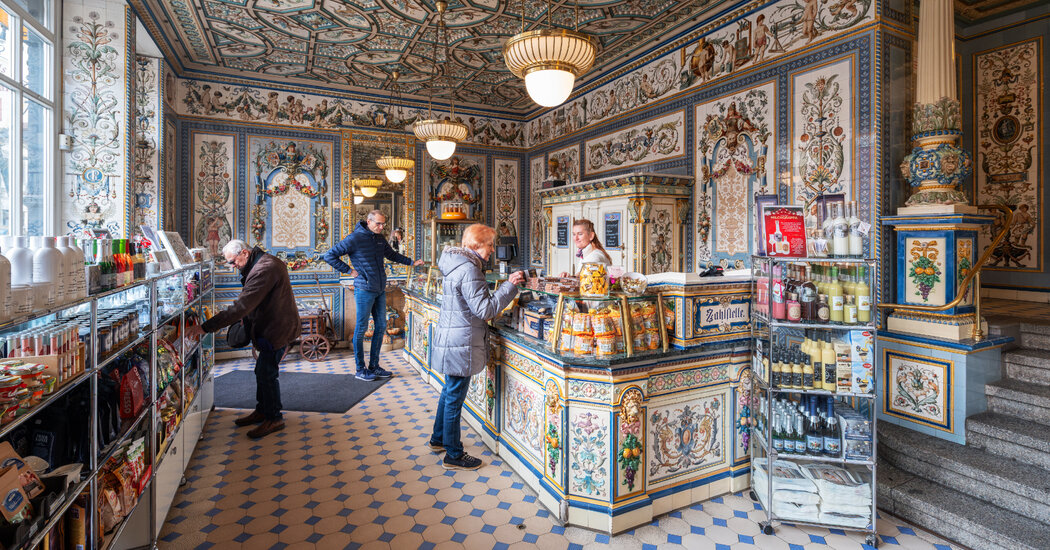
Throughout the area, a noteworthy trend emerges: community pubs, shops, and cultural centres are not just surviving but thriving. The revival of establishments like Tafarn y Fic and Tafarn y Plu signals a strategic shift towards _local empowerment_. These venues serve as vital social hubs, fostering *a sense of belonging* while also attracting visitors eager to experience authentic Welsh life. For instance, the ‘Fic’ pub in Llithfaen, once on the brink of closure, was revitalized by local initiative—a testament to the region’s capacity for grassroots action. Such efforts embody the growing *collective confidence* that defines contemporary Welsh rural life, showing that resilience often begins in the heart of small communities.

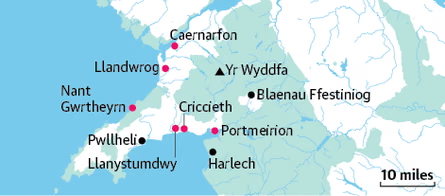
This spirit of revival is complemented by the region’s rich cultural and natural tapestry. The Wales Coast Path weaves nearly 100 miles along the peninsula, revealing stunning vistas reminiscent of the masterpieces by JMW Turner, who famously captured the area’s ever-changing light. From the dramatic castle ruins at Criccieth to the vibrant sandbanks of Dinas Dinlle, every step along this path underscores the importance of conserving and cherishing regional landscapes. Additionally, charming villages such as Caernarfon exemplify how heritage preservation and modern entrepreneurship—like the recent development of the Ty’n Llan community pub—can work hand in hand to create vibrant, sustainable local economies. Visitors are encouraged not only to explore the scenery but to engage with the community, whether through learning Welsh at local pubs or participating in cultural events, thus making the journey both educational and enriching.

For those seeking a lifestyle that integrates natural beauty with purposeful community engagement, Wales’ Llŷn Peninsula offers a compelling blueprint. It’s a reminder that investing in local initiatives, celebrating heritage, and embracing a _mindful appreciation of the land and its people_, can lead to a _more resilient and inspiring community_. As you walk its scenic trails and engage with its warm-hearted inhabitants, the region becomes more than a travel destination—it transforms into a mirror reflecting the potential within us all to embrace _locally rooted prosperity and shared well-being_. The journey here is not merely about viewing landscapes but about reconnecting with the essence of what makes a community truly vital and alive—values that can inspire individual wellness and collective strength.

  • Explore local pubs and shops—see how community spirit keeps traditions alive.
  • Experience the natural beauty—walk the Wales Coast Path and appreciate changing light and scenery.
  • Engage with cultural heritage—visit museums, historic sites, and participate in local events.
  • Support sustainable, community-led initiatives—buy from local businesses and participate in cultural exchanges.

In the end, the story of Wales’ Llŷn Peninsula is a tale of hope—an enduring reminder that the resilience of a community, rooted in its land and traditions, can inspire us all to embrace our own journeys. For in the pursuit of _wellness, shared experiences, and cultural preservation_, lies a profound truth: that true vitality springs from within, fueled by connections to our roots and a collective sense of purpose. As the sun sets over the rugged landscape, it leaves behind an invitation—peaceful yet powerful—to live intentionally and embrace the ongoing adventure of life.
Discover Laurie Spiegel’s groundbreaking early ambient album—must-listen for young tech enthusiasts

Exploring the Intersection of Innovation and Disruption in Music Technology

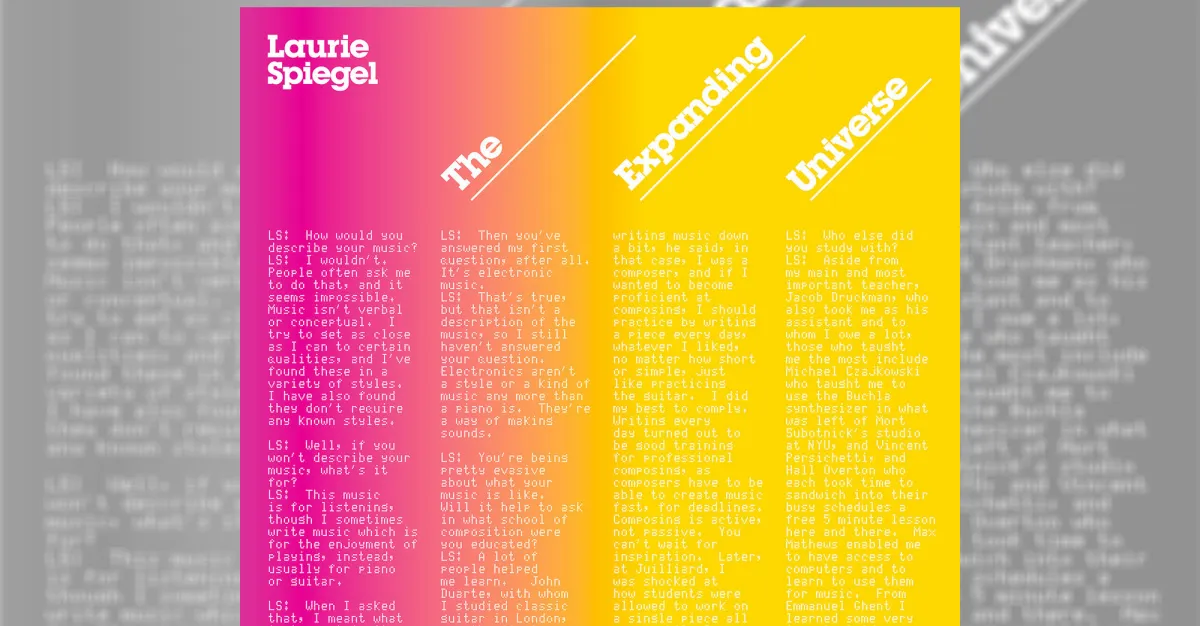
Recent insights into the pioneering work of Laurie Spiegel, a trailblazer in electronic composition, underscore the rapid evolution of music technology and its profound implications for the industry. Spiegel’s 1980 masterpiece, The Expanding Universe, exemplifies a blend of synth experimentalism with nascent algorithmic composition techniques—a precursor to today’s AI-driven music creation. Her pioneering approach challenges traditional notions of instrumentation and composition, signaling a paradigm shift that continues to influence contemporary artists and tech innovators.

Within this context, we observe a broader disruption in how music is produced, consumed, and monetized. The absence of percussion in much of Spiegel’s work, juxtaposed with tracks like “Clockworks”—which ventures into proto-industrial and noise aesthetics—illustrates a departure from mainstream norms. Remarkably, the track’s elements suggest potential for unlicensed sample-free generation and repurposing within platforms like Underground Hip-Hop. This phenomenon signifies a potential for innovative artists and tech firms to leverage AI-powered algorithms for creating proprietary sounds, bypassing traditional copyright constraints and redefining value in digital music ecosystems.

Industry analysts, including Gartner and MIT researchers, emphasize that this wave of technological disruption is set to overhaul the music industry’s economic model. Companies such as OpenAI, Google, and Apple are investing heavily in AI-driven generative tools. These innovations promise to democratize music creation—reducing the barriers for aspiring artists—whilst presenting challenges for legacy labels heavily reliant on licensed recordings. Moreover, the rise of algorithmic works raises questions about authorship, ownership, and intellectual property in digital platforms, compelling stakeholders to rethink existing policies.

As disruptive technologies continue to mature, industry insiders warn that failure to adapt could lead to obsolescence for traditional players. The shifting landscape demands a forward-looking approach—embracing blockchain, AI, and real-time data analytics to remain competitive. The evolution from Spiegel’s experimental synths to cutting-edge neural network compositions encapsulates a larger trend: innovation is erasing the boundaries of creative production. Futures of music and tech are converging towards an era where artificial intelligence not only augments but potentially surpasses human creativity, requiring industry leaders and entrepreneurs to act swiftly or face obsolescence.

In conclusion, the current trajectory signals a period of unprecedented opportunity and threat. The rapid integration of AI and algorithmic techniques into music underscores the importance of strategic foresight. Key players—be they established giants like Apple or agile startups—must harness this momentum to shape the future of cultural creation. As industry icons like Elon Musk and Peter Thiel advocate for relentless innovation, the window to influence this transformative wave narrows. The relentless march of technology underscores one enduring truth: those who adapt today will define the soundscape of tomorrow.

Discover the Hidden Stories: Take This Quiz on Mysteries in America’s Small Towns

In an increasingly homogenized world, the sense of place emerges as a vital thread woven into the fabric of cultural identity. Literature and narrative are not merely tools of entertainment but serve as mirrors reflecting the soul of a community and its history. The recent exploration of American towns through a literary geography quiz underscores how settings are often more than mere backdrops — they function as living, breathing characters shaping the story’s trajectory. This phenomenon echoes the timeless truth that culture is both memory and prophecy; it anchors a society in its roots while hinting at its future.

Historically, the connection between geography and cultural consciousness has been recognized by thinkers like Oswald Spengler and Arnold Toynbee, who perceived civilizations as organisms rooted in their land and tradition. Today, this truth persists. In American literature, towns evoke a distinct spirit — from the stoic resilience of small Midwestern villages to the rugged independence of frontier towns. As T.S. Eliot once suggested, culture comprises an ongoing dialogue with the past, informing the present and guiding the future. Literature set in specific locations acts as a testament to that dialogue, anchoring abstract values and collective identity in a tangible landscape.

This recognition of place as essential to cultural continuity is especially vital in a global age driven by rapid change and digital fragmentation. The tradition of storytelling forms a cornerstone of societal cohesion, as it preserves shared values and history. It is what G.K. Chesterton celebrated as the enduring strength of localism and community — the idea that our roots define us, and that cultural memory endures through stories told about and within those places. The towns and cities we cherish are not arbitrary; they are repositories of agonistic memory and collective resilience, embodying what it means to be rooted in a specific cultural soil.

In contemplating the enduring importance of place in shaping identity, we confront the delicate balance between the preservation of tradition and the dynamism of cultural evolution. The challenge is to honor our ancestral heritage while embracing the ongoing narrative of modern life. As Gilbert Keith Chesterton insightfully observed, “Tradition means giving a vote to the most obscure of all classes — our ancestors”. This speaks to the idea that real culture is akin to a sacred trust, passed down through generations, yet alive in the present. Our collective cultural fabric is a living archive, whispering both of who we were and what we might yet become.

Ultimately, culture embodies both the memory of human experience and the prophecy of future generations. It is the poetry of our shared journey, echoing in the towns that serve as both monuments of the past and green shoots of hope for the future. As we reflect on stories rooted in distinct places across the United States, let us remember that in each imprinted landscape lies a fragment of divine craftsmanship — a testament that the human spirit, anchored in history, charts a course toward eternity. In this interplay of memory and prospect, we find the divine unfolding in the portals of our localities, and in doing so, we glimpse the poetry that echoes through all of human civilization: a living, breathing symphony of memory and prophecy.

Discover 50% Off DoorDash with This February 2026 Promo—Save Big, Eat Easy!

DoorDash’s Evolution: Disruption, Innovation, and Future Business Implications

In a landscape defined by rapid technological disruption, DoorDash emerges not merely as a food delivery service but as a pioneering force in shaping the future of consumer interaction and retail logistics. The company’s recent advancements—ranging from expanded dine-in capabilities to strategic partnerships—underscore a broader shift towards integrated on-demand experiences that cater to a digitally native demographic eager for convenience and personalized rewards. According to industry analysts at Gartner, companies that innovate beyond their core offerings are set to dominate the emerging *hypermobility* economy, where seamless user engagement is paramount.

DoorDash’s latest initiatives, such as the Going Out program, exemplify a disruptive approach by blending traditional dining with app-based reservations and loyalty rewards. This move signifies a fundamental transformation of the restaurant experience, driven by hyper-personalization and data-driven loyalty mechanisms. By allowing customers to book, earn incentives, and receive exclusive in-store benefits through a single platform—initially in metropolitan hubs like NYC and Miami—DoorDash is strategically positioning itself at the intersection of e-commerce, hospitality, and social commerce. This integrated approach is poised to challenge rudimentary delivery models, pushing competitors to innovate rapidly or risk obsolescence.

From a business perspective, these innovations have profound implications. The company’s aggressive promotional strategies, including free delivery offers and substantial DashPass discounts, serve as a gateway to increasing user engagement. Partnerships such as the Chase partnership for three months of free DashPass reflect strategic moves to lock in customer loyalty while expanding market penetration. Moreover, DoorDash’s embrace of subscription-based models, like DashPass, aligns with emerging consumer preferences for subscriptions and recurring engagement, which are predictions shared by MIT researchers exploring future retail ecosystems.

From a broader industry standpoint, these advancements signal a shift in competitive dynamics. Major players such as Uber Eats and Grubhub are responding by increasing their own investments in hybrid retail concepts. This trend not only fuels disruption but also accelerates the push towards a new retail paradigm—where delivery, dine-in, and social experiences are seamlessly integrated within a single digital platform. As Elon Musk emphasizes, innovation thrives on “cross-industry synergy,” and DoorDash’s multi-faceted approach exemplifies this principle. In the coming years, if these strategies prove successful, the implications could extend beyond food delivery, fundamentally transforming retail, hospitality, and even urban planning.

With these developments happening now, the urgency for established players and startups alike is clear. The fight for market share in the on-demand economy is intensifying, with innovation set to redefine consumer expectations. As industry experts warn about *technology fatigue* and *market saturation*, the companies that leverage disruption, innovate rapidly, and harness data-driven loyalty will carve out dominant positions. DoorDash’s trajectory indicates a future where on-demand convenience is not just about delivery—it’s about creating integrated, personalized, and incentivized ecosystems that prioritize consumer loyalty and operational agility. Now is the moment for stakeholders to watch closely: the next chapter of digital commerce is unfolding, and those who act swiftly will dictate the pace of tomorrow’s retail revolution.

Discover the Ultimate Quiz on Oscar-Winning Adaptations of Beloved Books—Are You Ready to Test Your Literary Cinema Savvy?

In an age where the visage of culture frequently appears in fleeting media snippets and digital scrolls, the enduring legacy of literature rooted in tradition reveals a profound truth: culture is both memory and prophecy. When films such as To Kill a Mockingbird or The Lord of the Rings leap from page to screen, they do more than entertain; they anchor us in the values, struggles, and aspirations of the human spirit. These adaptations serve as cultural touchstones, a bridge across generations that imparts the wisdom of the past while shaping the moral fabric of future society. Such transformations affirm Ortega y Gasset’s notion that the vital essence of culture is its continuity—its ability to forge identity through shared stories and enduring ideals.

Indeed, the process of adaptation underscores the vital role culture plays in defining identity, tradition, and societal cohesion. When cinematic renditions of Gatsby or The Great Gatsby juxtapose visual spectacle with literary depth, they embody not just artistic reinterpretation but also a testament to the persistent influence of tradition amid modern upheaval. With each retelling, we revisit core questions of what we value, how we see ourselves, and how our collective memory informs our moral compass. The historian Tocqueville warned of the danger of losing sight of this cultural memory amidst rapid social change, yet adaptation ensures that these stories remain vital, evolving with the society that venerates them.

Philosophers like G.K. Chesterton have long celebrated the instinct of tradition—the idea that society’s moral backbone is built on stories, symbols, and physical artifacts passed through generations. Film and theater serve as living repositories of this tradition, transforming static words into vibrant, communal experiences that stir our deepest loyalties. These adaptations remind us that culture is not static but dynamic, constantly reshaped by the needs and values of each era, yet rooted in a shared human narrative. As T.S. Eliot mused, “the past is never quite past,” and perhaps through these cinematic portals, we find ourselves in dialogue with that very past—an ongoing conversation that shapes our present and guides our collective vision of the future.

Ultimately, the revival of literary works through visual media affirms that culture is humanity’s living memory, its moral compass, and its prophetic voice. Each film, each adaptation, acts as a segment of a grand, unfolding tapestry—where stories become symbols, and symbols become the foundation of shared identity. In this celestial dance, literature and art serve as both guardians of tradition and harbingers of renewal. As we watch history and myth reemerge on the screen, let us remember that culture’s true power lies not only in its ability to preserve the past but also in its capacity to inspire the future—manifesting as a luminous prophecy that beckons us toward higher ideals and nobler visions of what it means to be human.

36 Hours in Dresden: Discover the Heart of Germany’s Cultural Heritage

In the heart of Saxony lies Dresden, a city that embodies the profound relationship between culture, identity, and societal continuity. Its historic skyline, lush with restored Baroque architecture, stands as a testament not only to artistic brilliance but also to resilience and the enduring spirit of a people. This city, a crucible where Old Masters like Rembrandt and Canaletto once captured divine beauty, now hosts a vibrant avant-garde movement that demonstrates culture’s ongoing capacity to adapt and evolve. The cultural fabric of Dresden reminds us that history is never distant or detached; it is an intrinsic part of a nation’s soul, shaping its worldview and moral compass.

Walking through Dresden’s streets during the Christmas season, one encounters one of Europe’s oldest and most cherished markets. Here, amid the scent of gingerbread and mulled wine, tradition is not merely preserved; it is reinterpreted. This market, in its timeless aura, echoes a deeper truth articulated by Tocqueville: that democratic societies are rooted in shared cultural practices that foster a sense of collective identity. The celebration of Christmas in Dresden underscores that culture serves as a repository of a community’s values, memories, and hopes for the future. It is a counterbalance to the transient nature of modernity, ensuring that the essence of a people’s story remains alive through symbols, rituals, and shared experiences.

The city’s current cultural scene extends beyond its historical marvels. It is a frontier for modern expressions of artistic innovation, where artists like Gerhard Richter and Anselm Kiefer push boundaries, demonstrating that tradition and modernity can coalesce into a powerful dialogue. This dynamic exemplifies what Ortega y Gasset described as a culture that must \”live through its works,\” heralding an ongoing conversation between the past and present. In this dialogue, culture is not static but a living, breathing entity that anchors society in its roots while propelling it forward. As history teaches us, the true strength of a civilization lies in its capacity to remember and redefine itself in response to the ever-changing currents of time.

Ultimately, Dresden’s enduring charm and cultural vitality remind us that culture is both memory and prophecy. It is memory—a reservoir of traditions, struggles, and triumphs that bind society in shared purpose—and prophecy—a glimpse into what humanity might become when rooted in its most authentic selves. As T.S. Eliot once observed, \”A tradition is an inheritance, and must be a legacy that we care for and pass on.\” Thus, the cultural legacy of Dresden continues to illuminate our path, inspiring a worldview where the origins of our identity serve as the foundation for our aspirations. In the quiet grandeur of its restored facades and bustling markets, there resides a profound reminder: that our culture, like the eternal city itself, is the living archive of human greatness—a prophecy of better days crafted in the mosaic of memory.

Discover the Essential Book of 2025: Let Us Guide Your Next Read

In an era saturated with transient distractions and fleeting impressions, culture remains the vital anchor of collective identity, a vessel that preserves our past and propels us toward the future. Literature, in particular, embodies this persistent dialogue between memory and prophecy. As Ortega y Gasset observed, our cultural existence is a “collective autobiography,” woven through stories, traditions, and artistic expressions that define who we are. This is particularly salient today, as young audiences navigate the complex landscape of modernity, seeking roots amid rapid change and ideological turbulence.

The cultural canon serves as the repository of our values and ideals, yet it is not static; it evolves by engaging with contemporary realities and reinterpreting age-old narratives. Movements like Romanticism and Modernism once challenged conventional notions, opening space for individualism, freedom, and spiritual inquiry—elements that continue to resonate in the fabric of national and personal identity. Today, social critics and thinkers like Chesterton have emphasized how culture is fundamentally a moral language, illuminating the virtues of tradition while defending them against nihilistic tendencies. For youthful minds, literature becomes both a mirror reflecting societal standards and a torch guiding future aspirations.

Historically, the link between cultural expression and societal structure can be viewed through the lens of Tocqueville, who lamented that democracy’s embrace of equality risked eroding the aristocratic virtues of excellence and distinction. Yet, in the modern revival of cultural classics—be it in literature, film, or visual arts—we witness an ongoing debate about what constitutes authentic tradition. The rediscovery of works like Chesterton’s essays or Eliot’s poetry reminds us that cultural heritage is not merely the preservation of relics but an active dialogue that molds our worldview. For the young, engaging with this heritage is an act of rebellion and reverence—a recognition that culture is both memory and prophecy.

As we stand at the crossroads of history’s vast archive, the poetic fabric of culture whispers of human hopes and fears—its stories echo in the collective memory while illuminating the path forward. For in culture’s ongoing symphony, each generation contributes a stanza, weaving continuity with innovation. It is a testament to humanity’s enduring quest: to remember who we are, while willing ourselves toward what we might become. Ultimately, culture is the soul’s script—a script that continues to write its crescendo through the ages, reminding us that we are both heirs and architects of an eternal narrative, destined to craft meaning from the threads of memory and the aspirations of prophecy.

Discover the Thrill: Exploring Hong Kong’s Wild Snake Safari Adventure

In a world fixated on instant gratification and digital distraction, the lifestyle shifts towards wellness and personal enrichment are more vital than ever—an acceleration driven by our relentless pursuit of meaning, adventure, and harmony with nature. One fascinating case study unfolds amidst the verdant terrains of Hong Kong, a city-famous for its towering skyscrapers and densely packed streets, yet profoundly intertwined with lush, protected landscapes home to over 50 snake species. This convergence of urban dynamism and wild biodiversity exemplifies a broader cultural shift: people are increasingly seeking authentic encounters with the natural world, not just as a means of leisure but as a path toward well-being and self-awareness.

Enter the extraordinary initiatives led by snake expert William Sargent, whose Snake Safaris offer daring yet educational excursions into Hong Kong’s subtropical wilderness. Since 2017, Sargent’s nocturnal tours through Tai Mo Shan Country Park—Hong Kong’s highest peak—have attracted hundreds of adventurous visitors each year, driven by an entrepreneurial spirit that combines danger, discovery, and personal growth. These experiences don’t just satisfy a thrill; they transform perceptions, challenging longstanding stigmas about snakes and fostering a sense of curiosity and respect for wildlife. As Sargent’s work demonstrates, embracing nature-based activities is increasingly seen as essential for mental clarity, physical activity, and even social bonding, cultivating a lifestyle that harmonizes risk with responsibility in pursuit of inner peace.

Thematic to this wellness renaissance is a growing awareness of the importance of enlightened conservation. Despite the controversial cultural factors—snakes being a traditional ingredient in cuisine or used in medicine—there’s a rising tide of advocacy and community-building. Sargent’s role extends beyond tours; he’s actively combatting misconceptions by engaging with local schools, setting up online communities like the Hong Kong Snakes Facebook Group, and pushing for progressive policies like the Rapid Release Program, which ensures rescued snakes are returned to their natural habitat rather than being unnecessarily killed or stored. Such efforts reflect a cultural shift, recognizing that personal impact involves not just individual health but also ecological harmony—a pursuit of balance that reinvigorates respect for our environment amid rapid urban expansion.

For young explorers eager to redefine what lifestyle means in a fast-changing world, Hong Kong’s blend of urban pace and wilderness offers an inspiring blueprint. It’s about cultivating curiosity and courage, engaging with nature responsibly, and, ultimately, forging a deeper connection with oneself and the world. As Sargent’s tours reveal: true wellness isn’t just a state of mind—it’s a journey through the dazzling mosaic of skyscrapers and bamboo-lined trails, where every encounter, even with a venomous creature, becomes an act of personal growth. The path to well-being is paved with adventure, respect, and the unwavering pursuit of balance—a testament that physical vitality and spiritual fulfillment are woven into the wild, waiting for those bold enough to seek them out.

  • Explore local, nature-centered adventures that challenge and inspire.
  • Engage with community efforts to protect and respect local wildlife.
  • Prioritize experiences that foster _wellness_, _curiosity_, and _personal growth_.
Discover the understated and unexpected: the coolest men’s knitwear brands shaping the new style rebellion

In an era dominated by fast fashion and fleeting trends, a new movement among the youth is quietly reshaping how men approach wardrobe staples: knitwear. Once relegated to the realm of grandma’s closet or reserved for winter wear, knitwear now stands at the forefront of social relevance and cultural impact. This shift isn’t merely about warmth—it’s a statement about long-term investment, responsibility, and individual style. Influencers like Pedro Pascal and Paul Mescal are leading the charge, sporting cropped silhouettes and statement knits that achieve a chic yet rebellious aesthetic, emphasizing the importance of personalization and authenticity in menswear.

The embrace of responsible knitwear is redefining what it means to dress with purpose. Endorsed by brands like Asket and Sheep Inc, today’s consumers are more conscious of the societal and environmental footprint of their clothing choices. Transparency is becoming as vital as durability, with notable brands offering conservation-focused initiatives such as repairing or recycling, and sourcing textiles from regenerative farms. The rise of carbon-negative knitwear—where your jumper becomes part of the solution rather than the problem—illustrates how fashion is cementing its role as a social force. Such narratives elevate knitwear from simple apparel to a symbol of activism and lifestyle alignment, especially among younger generations seeking authenticity and impact.

Trends in Knitwear: From High Street to Luxury

Mid-range and luxury brands are elevating knitwear to an art form. A Day’s March exemplifies this with its minimalist, Scandinavian aesthetic, offering luxurious pieces like mohair sweaters and cardigans that boast understated elegance and purpose. Meanwhile, Les Deux taps into the demand for statement knitwear, with options that include bold colors and playful graphics, embodying a counter-culture feel that resonates with youth seeking individuality. On the high street, brands like Uniqlo and Gap cater to a broader audience, making quality knitwear accessible, with staples like cashmere crew necks and merino wool sweatshirts priced under £100. This democratization of premium textiles underscores a collective shift towards quality over quantity, driven by a desire for durable, versatile, and stylish wardrobe foundations.

The Cultural and Social Significance

What makes this resurgence of knitwear particularly compelling is its cultural resonance. Modern knitwear isn’t just about practicality—it’s intertwined with socially conscious narratives. Whether it’s through brands promoting regenerative wool, or influencers experimenting with layered textures and vintage-inspired designs, the trend signifies a collective move toward meaningful fashion. Sociologists point out that this evolution symbolizes a rejection of disposable fashion: today’s young men want garments that tell stories, reflect values, and stand the test of time.

Yet, amid this backdrop of style and responsibility, a next big question looms: as knitwear becomes a symbol of cultural authenticity and activism, how will future trends balance fast-paced innovation with the long-term ethics of sustainable fashion? Will the market sustain this level of conscientious consumerism, or is it another fleeting fad? As influencers and brands continue to push the conversation, one thing remains clear—this isn’t just about clothing; it’s about redefining societal values around an age-old craft that’s now more relevant than ever.

The Met’s Top 20 Most Provocative Artworks: Test Your Eye and Discover the Unseen

As the shadows lengthen and October’s chill sets in, the Metropolitan Museum of Art reveals a different face—a spectral gallery of the human psyche’s darkest corners. Traditionally regarded as a temple of aesthetic marvels—shimmering Impressionist landscapes, delicate kimonos, and marble gods—the museum during Halloween transforms into a haunted hall of echoes, where art acts as a mirror to mankind’s deepest anxieties. Here, with centuries of artworks ranging from ancient relics to modern horrors, we witness how culture is far more than mere decoration; it is the vessel carrying the profound stories of saints and sinners, myths and monsters, that define our identity and societal fabric.

Human history, as noted by thinkers like Tocqueville, is woven with the threads of shared symbols and collective memories—elements that affirm cohesion and continuity in the face of chaos. The artworks uncovered during this dark season serve as symbols of a universal truth: that culture, at its core, is both memoria and prophecy. The haunting images of medieval saints battling demonic forces or classical sculptures depicting menacing mythical beasts become more than relics—they become reflections of our own inner struggles and societal fears. As Chesterton argued, the true function of art is to reveal the moral order amidst disorder. These macabre masterpieces, in their spectral silence, uphold an unyielding vigilance, testifying to a civilization’s resilience against modern nihilism.

Philosophers like Ortega y Gasset have long emphasized that a society’s vitality depends on its cultural foundations. When the shift from tradition to chaos threatens our collective stability, it is art—especially the “haunted” works of the past—that anchors us. These artworks, echoing through the corridors of time, tell stories of moral daring, of the perennial struggle between good and evil, and remind us that our cultural inheritance is a sacred trust—an ongoing dialogue between memory and aspiration. The museum’s spectral turn during October becomes a reminder: that culture is neither static nor dead but a living, breathing entity infused with our collective hopes and fears, illuminating the path of human destiny.

So, as we wander through this labyrinth of shadows, let us remember that culture is both the memory of our ancestors and the prophecy of our future. In the ghostly silence of these haunted halls, art whispers that humanity’s greatest legacy is not merely what we create, but what we preserve—our moral compass, our shared stories, and our hope for coming dawn. Indeed, in contemplating these spectral artworks, we are invited to see ourselves anew—an eternal dialogue of the soul, where the echoes of the past forge the promise of tomorrow, and the memory of humanity’s darkness reveals the luminous potential of its light.

Social Media Auto Publish Powered By : XYZScripts.com