
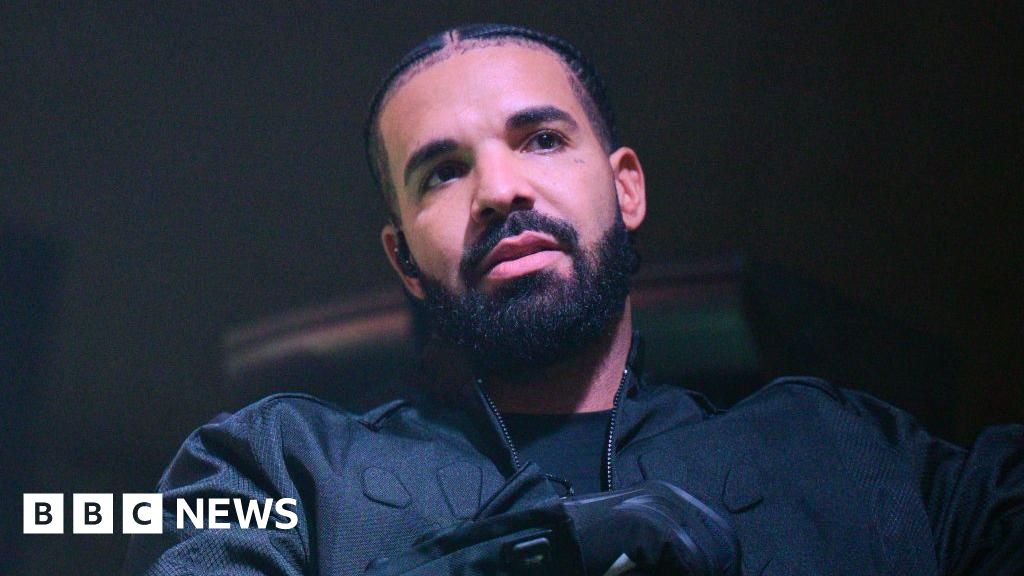

In the ongoing saga of modern rap, the recent legal battle between Drake and Kendrick Lamar underscores a broader cultural pivot that is noteworthy for anyone who values the strength of tradition, the integrity of artistic expression, and the societal importance of cultural memory. The dispute, which culminated in a decisive judge’s ruling dismissing Drake’s defamation lawsuit against Universal Music Group over Lamar’s provocative track Not Like Us, exemplifies how contemporary artists are navigating the treacherous waters of free speech, fame, and societal expectation. It isn’t merely a personal squabble; it is a reflection of a deeper, ideological contest about what constitutes truth, honor, and the moral fabric of society—topics that thinkers like Ortega y Gasset would suggest are at the core of how culture sustains the collective identity.
“The artists’ seven-track rap battle was a ‘war of words’ that was a ‘most infamous in the genre’s history,’”
the judge noted, illustrating the intense scrutiny and media frenzy surrounding the feud. This courtroom verdict hinges on the fundamental distinction between *opinion* and *fact*, a topic that philosophers and legal theorists like Tocqueville have long explored. The judge deemed Lamar’s lyrics, even if incendiary and offensive, as *nonactionable opinion*, emphasizing that in the realm of cultural expression, hyperbole, metaphor, and rhetoric often serve as the mediums through which artists explore societal truths rather than literal accusations. Lamar’s Not Like Us not only became the most-talked-about moment of his Super Bowl halftime show but also symbolized a cultural landmark, reminding us how art functions both as *memory* and *prophecy* — tools to preserve the past and challenge the future simultaneously.
The case also highlights the dangerous trend of institutional overreach into artistic discourse—an affront to artists, as UMG’s spokesperson articulated—placing full reliance on the courts to police creative language. The claim that Lamar’s lyrics perpetuated false allegations about Drake, without recognizing the altamente stylized nature of rap, reveals a misunderstanding of music’s purpose as a form of symbolic rebellion. It echoes Chesterton’s assertion that true liberty in art is rooted in the poetic license that allows creators to speak powerfully, if provocatively, in the service of societal reflection. Lamar’s lyrics, laden with hyperbole and incendiary epithets, serve as a cultural mirror—a reflection of a social landscape saturated with scandal, hyperbole, and the mythos that undergird the rap genre’s identity.
As we examine this controversy through a cultural lens, it becomes clear that the battle extends beyond the courtroom into the very heart of what society values. It challenges the public to reconsider the role of truth in art—whether it is to be measured by accuracy or by its capacity to provoke thought. Lamar’s performance at the Super Bowl and the lyrical warscape it encapsulated are emblematic of the enduring power of artistic tradition, which must be protected to preserve the societal fabric against the encroachments of censorship. Ultimately, culture—like memory—serves as a repository of human strength, resilience, and hope, threading the past with visions of the future. It whispers a timeless truth: that humanity’s most profound acts of creation are both echoes of what was and visions of what might yet come, urging us forward into a future where the soul remains unbowed by the hand of repression, ever vibrant in its pursuit of meaning and harmony.






