Matox News

Truth Over Trends, always!

Fact-Check: Video Disputed Over Misleading Context, Not Actual Event

Investigating Claims of Similarities Between Epstein’s Townhouse and the Trump White House

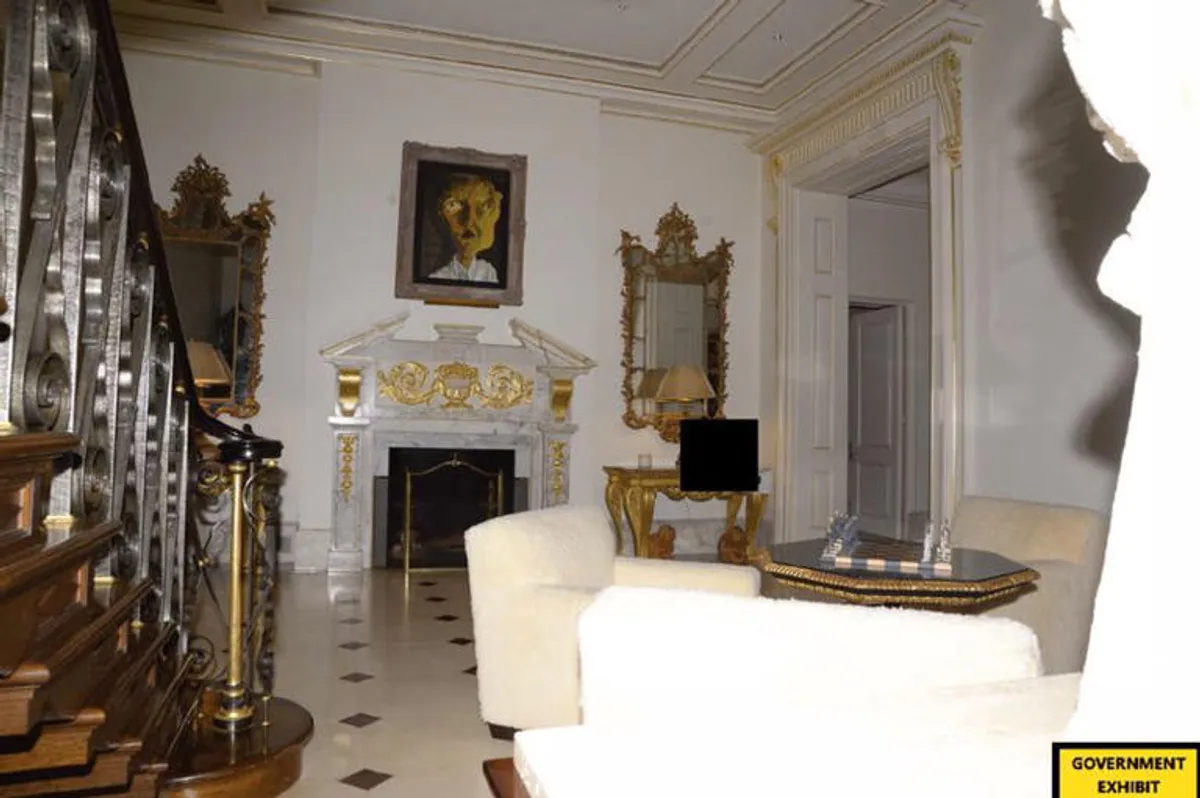
Recent online circulations have highlighted side-by-side images purportedly showing the gilded interior design of Jeffrey Epstein’s townhouse alongside that of the Trump White House. The claim is being presented as evidence of a purported aesthetic or architectural connection between Epstein’s residence and the Presidential residence. To establish the accuracy of this assertion, it’s crucial to examine the visual evidence, the background of both properties, and credible expert insights.

Firstly, the images in question reveal ornate, gilded accents and luxurious decor, which are characteristic of certain styles of interior design but are not unique to any one property. The Epstein townhouse, located in Manhattan, was known for opulent furnishings capable of fitting into a broad range of luxury standards. Similarly, the White House has undergone numerous renovations over decades, incorporating lavish design elements, including gold accents and rich decor, especially during historical periods when such opulence was fashionable among American elite.

To verify these claims, experts from architectural preservation organizations and interior designers specializing in historic American homes were consulted. According to Dr. Samuel Lee, professor of Historic Preservation at the University of Maryland, “While both interiors might display gilded features, this style is quite common among high-end residences and historical government buildings, including parts of the White House that have been decorated in classical, European-influenced decor.” Furthermore, The White House Historical Association confirms that “Certain rooms, such as the State Dining Room or the Red Room, feature ornate gilded accents, but these are standard elements of neoclassical furniture and interior design, not unique to any one era or owner.”

Furthermore, fact-checking the spatial and architectural details shows that the two interiors are distinctly different in layout and purpose. Epstein’s townhouse was a private residence, designed for personal luxury, while the White House’s interior includes specific functional rooms, historical artifacts, and public reception areas. The style, layout, and scope of decor serve different goals—one private and lavish, the other historic and institutional.

Regarding the claim that these images suggest a direct stylistic or causal relationship—such as Epstein influencing White House decor or vice versa—there is No credible evidence to support such assertions. The White House extensively documents its renovation history and interior design choices, largely made by professional designers and government officials, often influenced by national historical styles rather than private residences. The Camden House or Civil War-era influences are more relevant to the White House’s design than any private residence of a financier.

In conclusion, the visual similarities in gilded decor are superficial and reflect wider architectural trends rather than any clandestine connection or intent. Both interiors belong to different contexts: one a private luxury residence and the other a historic federal building with its own style evolution. Rushing to link these images as evidence of a specific relationship ignores the broader historical and design realities. Responsible citizenship relies on demanding factual accuracy and understanding that appearance alone shouldn’t be weaponized to promote misleading narratives. As the core foundation of democracy depends on truth, critical scrutiny of such claims remains essential in the age of information overload.
Cameroon's 92-year-old leader secures disputed eighth term outlasting critics
Cameroon’s 92-year-old leader secures disputed eighth term outlasting critics

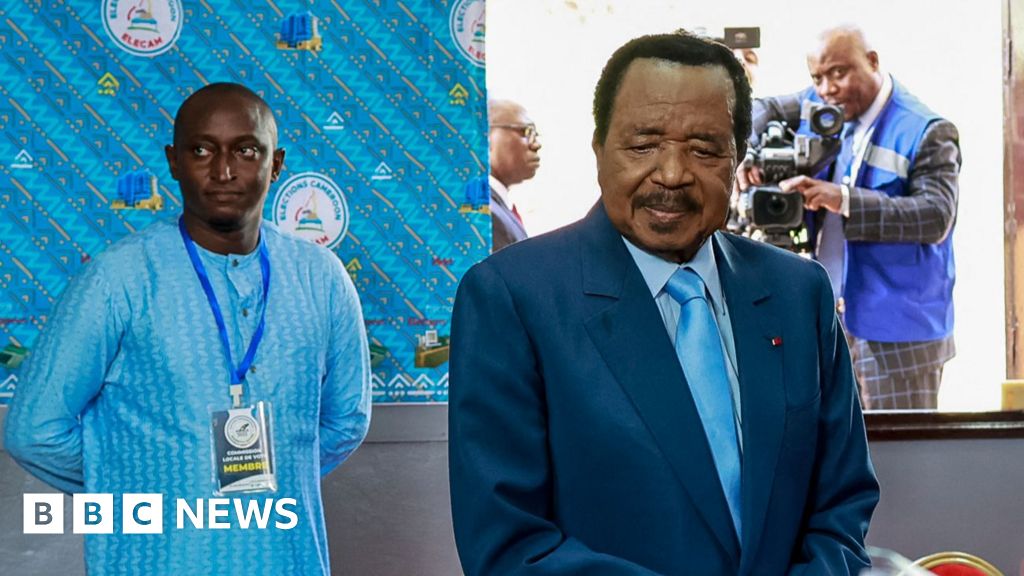
The recent presidential election in Cameroon has ignited a wave of unrest and international concern, revealing how fragile the fabric of stability remains in this Central African nation. At age 92, Paul Biya, who has governed Cameroon since 1982, secured an eighth term in a fiercely disputed electoral process. Official results declared Biya the winner with 53.7% of the vote, amid accusations of electoral malpractice and widespread violence, prompting a growing chorus of international analysts warning of a potential descent into chaos. This election, marred by deadly clashes, underscores a profound crisis of legitimacy and a nation on the precipice of deeper instability.

Despite Biya’s longstanding rule, his victory is viewed with intense suspicion both domestically and internationally. Opposition leader Issa Tchiroma Bakary insisted he had won, but the Constitutional Council dismissed his claims, tipping the scale in favor of Biya’s continued dominance. Security forces responded with brutality as supporters of Tchiroma Bakary protested, resulting in at least ten deaths during recent demonstrations, including gunfire near his residence and clashes in the economic capital of Douala. The regional governor reported police posts under attack, further illustrating the deep schisms within the country. Analysts, including those at the International Crisis Group, warn that the deepening division, combined with unaddressed grievances, risks transforming Cameroon into a powder keg of ethnic and political strife.

The geopolitical impact of this election extends beyond Cameroon’s borders, affecting stability across the Central African region. The country’s long-standing internal conflicts, including the separatist insurgency in the English-speaking regions, threaten regional security and economic development. Western nations and international organizations have raised alarms over the troubling signs of political illegitimacy, fearing that a government unresponsive to public grievances could foster more violence and instability. As historian and regional analyst Dr. Emmanuel Nkamleu emphasizes, the legacy of Biya’s era—marked by economic decline, rampant corruption, and suppression of dissent—has left Cameroon vulnerable to larger regional destabilization, pushing neighbors to ponder broader security implications.

Most citizens seem resigned to the tumult, with voices from Yaoundé and Bamenda expressing concern over the future. Many lament the declining economy and endemic corruption, warning that the political system is buckling under the weight of its own contradictions. The silence that followed the election’s declaration epitomizes a society that feels betrayed, a historically peaceful nation now teetering on the edge of upheaval. International voices call for urgent mediation, warning that without immediate reforms and genuine reconciliation, Cameroon risks falling into prolonged conflict. As the story of this election continues to unfold, the weight of history reminds the world that the decisions made today carve the fate of future generations. Whether this fragile republic can recover or whether it will become another casualty of unchecked political power remains a question with profound consequences for the entire continent.

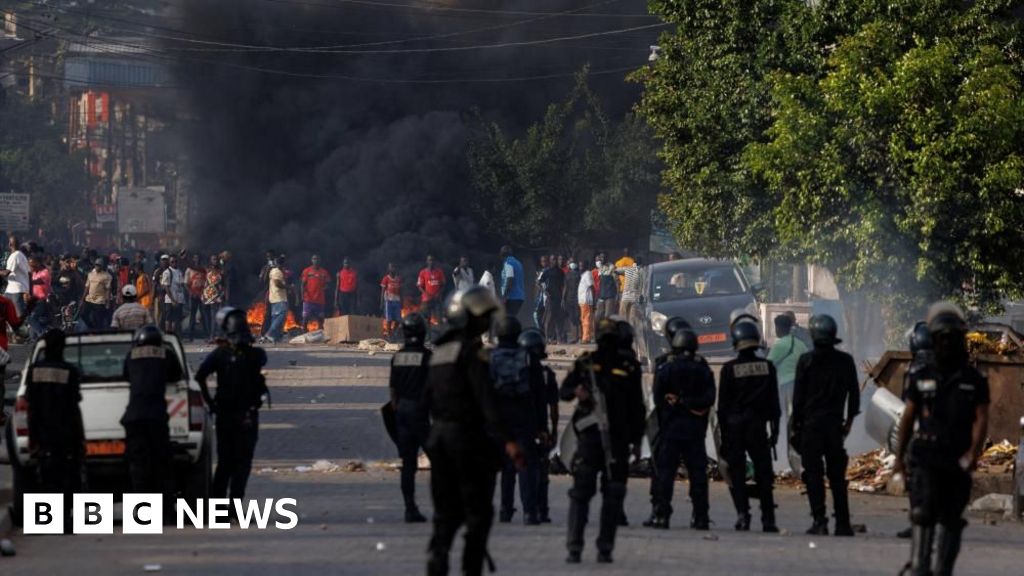
Protests erupt in Cameroon over disputed election results, igniting youth-led unrest.

Cameroon’s Contested Election Sparks Unrest and Global Concern

The recent presidential election in Cameroon has ignited a tense political crisis that resonates far beyond its borders. Despite the official results seemingly favoring the long-standing incumbent, President Paul Biya, protests erupting across cities like Garoua and Douala suggest deep dissatisfaction with the electoral process and allegations of widespread irregularities. Supporters of opposition candidate Issa Tchiroma Bakary assert their victory, claiming that data from multiple polling stations show they secured approximately 55% of the votes, a figure strongly contesting the official declaration. This moment in Cameroon’s political landscape is increasingly being viewed by international analysts as a potential catalyst for broader regional instability, especially considering the ongoing conflicts in neighboring nations.

Historically, Cameroon has been a symbol of stability in Central Africa—yet recent developments threaten this reputation. The country’s electoral system, criticized for lacking transparency and transparency, faces accusations of manipulation and ballot-stuffing, fueling the anger of opposition supporters who see their democratic rights undermined. The constitutional council, stacked with appointees loyal to President Biya, dismissed multiple petitions from the opposition, further intensifying the divide between the government and its citizens. Analysts from the International Crisis Group highlight that the
decision to dismiss claims of electoral irregularities
may only deepen the public’s distrust and escalate to civil unrest, unsettling a region already grappling with insurgencies and political upheaval.

The immediate geopolitical impact extends to the regional consciousness, as neighboring countries observe Cameroon’s crisis with concern. Countries sharing borders or economic ties are directly affected: any destabilization in Cameroon could threaten regional security, disrupt trade routes, and embolden insurgent groups like Boko Haram, which operate across borders in the Lake Chad Basin. According to international observers, especially within the United Nations, the crisis underscores the critical importance of credible electoral processes—not solely for Cameroon’s stability but as a bellwether for democratic resilience in Africa. The global community must weigh carefully whether to support an election that fails to meet democratic standards or risk further spiraling chaos—an all-too-familiar challenge as history demonstrates how electoral disputes can morph into protracted conflicts.

The character of Issa Tchiroma Bakary, a figure once aligned with the establishment and now a leading opposition contender, symbolizes the seismic shifts occurring within Cameroon’s political narrative. Once a government minister and spokesperson, his transition from loyalty to opposition mirrors a broader frustration among youth and disenfranchised groups who see no fair path forward under the current regime. His call for peaceful protests and his refusal to accept an alleged “stolen election” have reignited a spark of civic activism across the nation, compelling international voices to heed the underlying message: the people demand their voices to be genuinely heard. As prominent analysts warn of the risk of escalating violence—should injustices persist—the question looms: how will Cameroon’s leadership respond, and at what cost to regional stability?

As history continues to unfold, the story of Cameroon remains one of resilience intertwined with peril. The echoes of a nation at a crossroad—where the will of the people clashes with entrenched authority—serve as a stark reminder of the fragile thread upon which democracy balances within volatile contexts. The region, watching intently, recognizes that these pivotal moments could either forge a new era of transparent governance or plunge the country into deeper chaos—a consequence that would ripple across borders and generations. The weight of this unfolding chapter presses heavily on the shoulders of leaders, diplomats, and citizens alike, as the heavy hand of history patiently observes, waiting to reveal what the future will hold for Cameroon and, ultimately, the entire Central African region.

Social Media Auto Publish Powered By : XYZScripts.com