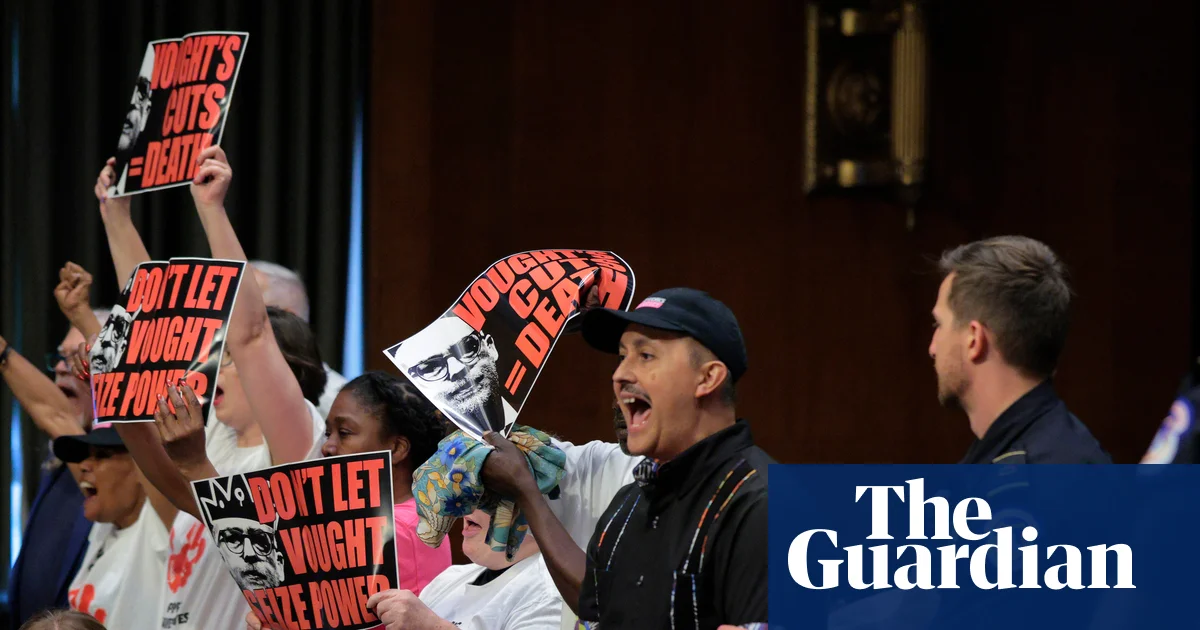

The United States, long seen as a global leader in health and development aid, is witnessing a disturbing shift that threatens to reshape its international influence. Recent domestic debates over funding for PEPFAR (President’s Emergency Plan for AIDS Relief) highlight a broader strain within Washington’s foreign policy, raising questions about how much of its power and moral standing the US is willing to sacrifice. Despite bipartisan support in Congress, the Trump administration’s deliberate slashing of aid—particularly the nearly halving of global health spending in the upcoming fiscal year—signals a shift towards prioritizing domestic issues over international commitments. International analysts warn that such decisions weaken not just US credibility but also the entire framework of global health governance, which relies heavily on American leadership and resources.
The controversial move to impede funds for HIV/AIDS programs, which have historically saved millions of lives worldwide, echoes a troubling trend toward austerity in American foreign aid policies. The GAO (Government Accountability Office) recently found that funds intended for PEPFAR are being impounded—an act contrary to the Impoundment Control Act. This bureaucratic maneuver effectively withholds the money despite formal approval by Congress, manifesting a direct challenge to the legislative branch’s authority. Critics, including health organizations and international observers, interpret this as not only a breach of process but also a form of sabotage against one of America’s most successful health initiatives. As historian Michael O’Hara warns, such sustained neglect could irrevocably undermine America’s moral authority in the world’s health crises, encouraging rival nations to fill the void.
- In the first year of these cuts, an estimated 780,000 lives were lost due to diminished aid, with projections suggesting millions more could succumb if current policies persist.
- Congress approved funding for PEPFAR at $4.6 billion, yet operational delays and obstruction hinder the actual disbursement of these funds to vital organizations on the ground.
- The administration’s rejection of the aid—a core element of bipartisan consensus—aligns with a broader pattern of U.S. disengagement from global leadership, especially on issues perceived as foreign policy liabilities.
This retreat has profound geopolitical impact. Newly empowered rivals such as China and Russia are stepping into the vacuum, expanding their influence under the guise of offering aid and strategic partnerships. Their growing presence in Africa, Southeast Asia, and Latin America challenges the traditional dominance of Western-led institutions. Meanwhile, how the U.S. handles its foreign aid policies influences societal perceptions of American promises and commitments abroad. When aid is withheld or politicized, it not only jeopardizes public health but also diminishes trust among emerging nations that have historically looked to the U.S. as a symbol of stability and generosity.
International organizations like the WHO and UNAIDS express concern that such policy shifts could set a dangerous precedent, eroding the global consensus on shared responsibility for health crises. Experts warn that failure to sustain aid efforts risk creating a global environment where poverty, disease, and instability become intertwined, fueling cycles of chaos that threaten regional and international stability. The political struggles inside Washington thus have consequences that extend far beyond borders, shaping the future of international order in unpredictable ways.
As history unfolds in these tense corridors of power, the question remains: will the U.S. restore its commitment and leadership in global health, or will it cede its moral authority to rivals eager to exploit its retreat? The current clash over aid funding is not merely a budgetary dispute but a crucial battleground where the future of American influence and the lives of millions hang in the balance. In the end, the decisions made today will echo through history, dictating whether the U.S. remains a beacon of hope or a shadow on the global stage—a choice with ramifications that extend beyond the immediate and into the very foundation of international stability.