Matox News

Truth Over Trends, always!

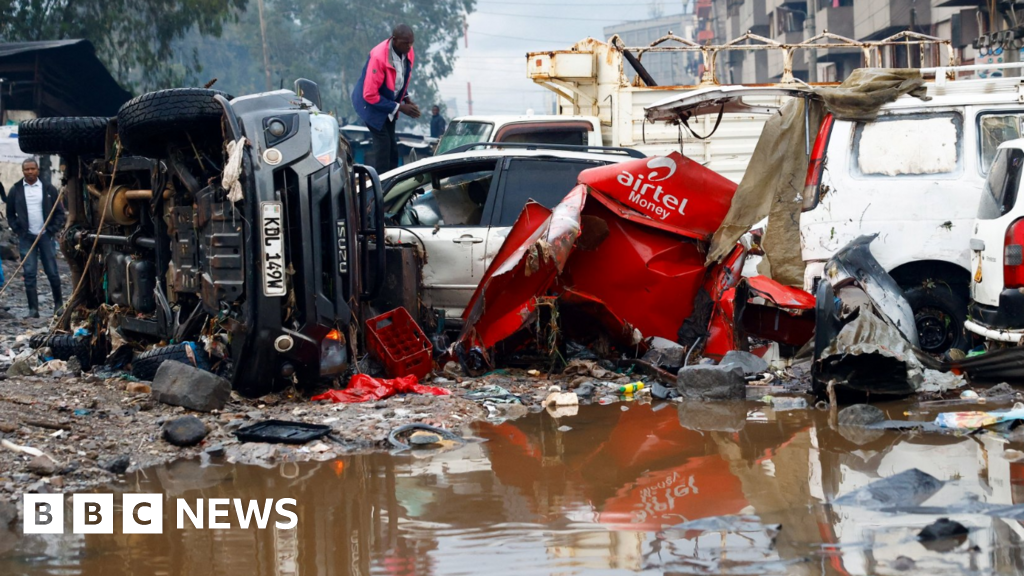
Heavy Rains Flood Nairobi, Taking 23 Lives and Disrupting the City

Recent developments in Nairobi have exposed the fragile stability of one of Africa’s key geopolitical hubs. Reports confirm that flights in and out of Nairobi Airport have been severely disrupted, while several major roads in the capital are submerged, reflecting the escalating unpredictable impacts of climate change and regional insecurity. Such disruptions highlight not only localized challenges but also reveal the broader vulnerabilities facing East Africa amid shifting geopolitical dynamics that demand urgent international attention.

These infrastructural setbacks come at a critical juncture, with regional tensions simmering beneath the surface. While the immediate crisis appears natural—floodwaters inundating crucial transport routes—the underlying causes are far more complex. Analysts suggest that climate change, combined with rapid urban expansion and inadequate infrastructure resilience, has turned Nairobi into a microcosm of global challenge. Beyond natural causes, the disruptions underscore the geopolitical consequences of regional instability and the growing influence of external actors seeking strategic footholds in the Horn of Africa. Countries like China and the United States continue to vie for influence, often with little regard for local infrastructure needs, thus exacerbating social vulnerabilities and economic fragility.

Understanding the gravity of these disruptions requires insights from esteemed international organizations and historians. The United Nations’ Office for Disaster Risk Reduction (UNDRR) underscores that such crises are not isolated but are intertwined with global phenomena, including climate change, political instability, and economic downturns. Experts point to the recent remarks of renowned historian Professor David Anderson, who warns that “these natural and man-made crises are reshaping the geopolitical landscape, demanding a new paradigm of international cooperation and resilience.” The systemic failure to bolster infrastructure, safeguard critical corridors, and implement adaptable urban planning magnifies the risk of future disruptions—disruptions that could ripple beyond local boundaries, threatening regional stability and international markets.

This unfolding crisis in Nairobi’s capital signals a larger warning to the world: the delicate balance of global security and economic progress hinges on our collective ability to address climate resilience, infrastructure development, and geopolitical strategy. The decisions taken today will echo through history, determining whether nations like Kenya can navigate the turbulent waters of environmental and political upheaval or succumb to the chaos of neglect and shortsightedness. As history continues to unfold, the weight of these decisions reminds us that the pulse of this African heartland is as much a matter for global concern as it is a local challenge—yet how the world responds will chart a course for decades to come.
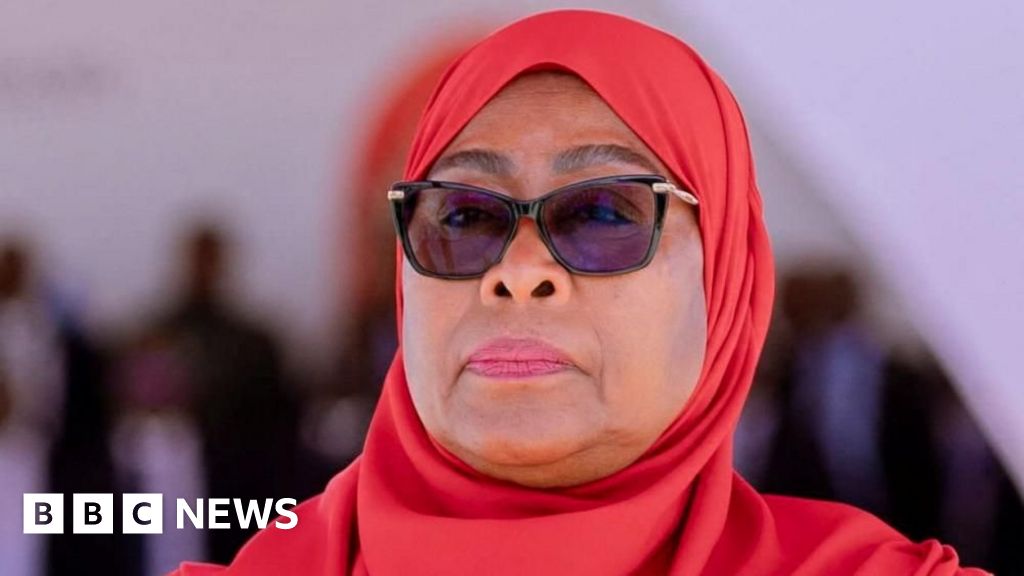

President Under Fire for Disrupting National Stability

Post-Election Violence Unveils Tanzania’s Fragile Stability and Shifts Geopolitical Dynamics

Once hailed as Africa’s beacon of stability, United Republic of Tanzania is currently grappling with its most severe political crisis in decades. The tumult follows the recent presidential election, which has cast a long shadow over the nation’s reputation for peace. The contested poll, which resulted in President Samia Suluhu Hassan securing a 98% victory, has sparked widespread unrest and international criticism, exposing the underlying fractures within Tanzanian society and its political fabric.

According to multiple analysts, the election was marred by systemic flaws, including *ballot-stuffing, repression, and a crackdown on opposition figures*—a stark departure from Tanzania’s traditional image of calm order rooted in Julius Nyerere’s legacy. Key opposition candidates were either detained or disqualified, effectively removing genuine contestation from the electoral process. As regional bodies like the African Union and the Southern African Development Community voiced concerns over *electoral irregularities*, international observers signaled that the election did not meet accepted democratic standards, shaking the legitimacy of Samia’s presidency. This crisis underscores a critical moment in Tanzania’s post-independence history, as the nation faces questions about its democratic resilience and future trajectory.

At the heart of this turmoil lies what some experts deem a *systemic betrayal of Tanzanian ideals*. Long regarded as an island of calm, the recent violence and protests, driven largely by youth disillusionment, economic grievances, and political marginalization, reveal a society that has become increasingly hostile to authoritarian tendencies. Historians like Professor Samuel Moyo warn that the *myth of Tanzanian exceptionalism*—a narrative of peaceful progress—has been shattered. The escalation of protests, which culminated in casualties and funerals for those killed in the unrest, signals a turning point—*a society swelling with anger, pushed to the brink by decades of ignored grievances and a throttling political environment*. This unrest echoes globally, reminiscent of youth-led mobilisations demanding representation and reform, like those seen in *Kenya* and *South Africa*.

As President Samia Suluhu Hassan consolidates power, her leadership has come under unprecedented scrutiny. From initial promises of transparency, reconciliation, and reform, her government’s recent crackdown, including *the detention of opposition leaders*, signals a return to *centralized authority and political repression*. Political analyst Prof. Peter Kagwanja notes that her move towards *authoritarian consolidation* risks tarnishing her legacy, especially as her internal political maneuvers—marked by cabinet reshuffles and loyalty tests—mirror the autocratic tendencies of her predecessor, John Magufuli. The narrative of the “lioness” protector has given way to fears of a *ruler sharply detached from the democratic aspirations of Tanzanian youth*. The *international community* watches warily, with European and American officials warning that continued repression threatens to isolate Tanzania further, undermining its influence in East Africa.

History remains unwritten, yet the weight of this unfolding drama is felt acutely across the continent. As Tanzania descends into a phase of *increasing internal strife and international censure*, the question looms: Will this nation, birthed from a legacy of unity and anti-colonial resilience, be able to emerge from the shadows of its internal crises?* The international stage holds its breath as the story of Tanzania’s next chapter unfolds—a story that could either reaffirm its place as a pillar of stability in Africa or serve as a stark warning of Democracy’s fragile veneer in an increasingly turbulent world.

Social Media Auto Publish Powered By : XYZScripts.com

