Matox News

Truth Over Trends, always!

Unsafe clinics in England jeopardize kids with ADHD, doctors warn

Global Implications of Private Healthcare Deregulation in Pediatric ADHD Treatment

In recent years, international health policies have faced mounting scrutiny amid a surge in private healthcare providers offering remote assessments for children diagnosed with attention deficit hyperactivity disorder (ADHD). Countries around the world are grappling with the consequences of deregulating medical protocols, particularly as the demand for quick, accessible mental health care grows rapidly. The UK, in an illustrative case, has uncovered alarming evidence of *widespread unsafe practices* within private clinics operating through online platforms, prescribing potent stimulants such as methylphenidate—commonly known by the brand Ritalin—without the necessary physical examinations that serve as a safeguard for young patients.

British medical authorities, alarmed by this trend, have been compelled to overhaul their guidelines, mandating face-to-face assessments prior to medication prescription. This shift underscores a broader predicament faced across several nations, where the rush to expand access to mental health services via privatization collides with the essential need to uphold clinical safety standards. Historian and policy analysts cite this incident as a critical turning point—highlighting how decisions driven by economic interests and bureaucratic expediency threaten to undermine the long-term health and societal stability of vulnerable populations. The cases detailed by Dr. Rashad Nawaz, a pediatrician in Manchester, reveal children with undiagnosed heart conditions being put at undue risk, exposing systemic vulnerabilities that could resonate globally if left unaddressed.

As international health organizations monitor the fallout from these failures, the geopolitical impact becomes evident: nations facing similar privatization pressures could follow the UK’s example, jeopardizing patient safety for short-term cost savings. Reports from experts warn that privatization schemes integrated into state-funded health systems often result in “deskilling” of local healthcare professionals and over-reliance on telemedicine practices lacking physical assessment components. In *misguided pursuit of efficiency*, some private entities prioritize profits over clinical excellence, pushing the boundaries of permissible practice into dangerous territories. The ripple effects threaten to deepen inequalities, with marginalized children bearing the brunt of these policy missteps, fostering tensions within already fragile social fabrics.

In response, the UK’s Greater Manchester has enacted stringent safeguards—implementing new pathways that require face-to-face checks and thorough physical assessments—reasserting the authority of face-to-face medicine as a cornerstone of safe practice. This move serves as a cautionary tale for other countries contemplating similar deregulation. Yet, the overarching question remains: how long can societies afford to gamble with the health of their youngest? As international watchdogs like the World Health Organization weigh in, the coming years may witness a decisive shift—either towards a renewed commitment to clinical integrity or a descent into an era where profit chokes out essential regulation. History’s pen hovers over this chapter, ready to inscribe whether the lessons learned now will forge a future of responsible medicine or leave a scar on global health that future generations will mourn.”

Doctors warn NHS postcode lottery is blocking youth’s access to new cancer treatments

Postcode Lottery in Cancer Treatment Sparks Societal Concerns

In the heart of England’s healthcare system, a troubling divide has emerged—a deepening postcode lottery that determines access to cutting-edge cancer treatments. The Royal College of Radiologists and Radiotherapy UK warn that many cancer patients are being denied access to innovative radiotherapy options such as stereotactic ablative body radiotherapy (SABR) and molecular radiotherapy (MRT), treatments proven to improve survival rates and reduce side effects. These procedures, widely available in other developed nations, are hampered by bureaucratic red tape and an archaic funding system within the NHS. Such disparities threaten to fracture the fabric of equitable healthcare, impacting families, communities, and the very moral fabric of society that aspires to provide everyone with a fair shot at life.

This disparity in treatment access underscores a broader societal failure where social inequalities expand beyond socioeconomic boundaries and into healthcare outcomes. As sociologists like Charles Murray have argued, a society’s strength hinges on its ability to provide equal opportunities—not just economically, but morally through access to essential services like healthcare. The current system, plagued by complex funding policies, restricts the availability of advanced treatments to a handful of hospitals that can afford the £250,000 equipment costs—costs that are often covered by charities rather than the NHS. Consequently, patients in more deprived areas are left with outdated therapies or, tragically, to seek private treatment, creating a two-tier system that fosters social division and erodes societal trust.

This issue resonates deeply within families, where the ripple effect of healthcare disparities influences not only health outcomes but societal stability. Children grow up witnessing inequalities, fostering resentment and disengagement from the common good. The lack of uniform access hampers the collective effort to reduce cancer mortality, which in Britain remains high compared to other countries, despite the UK’s reputation as a leader in medical research. The slow rollout of advanced radiotherapy techniques is emblematic of bureaucratic inertia, which, according to social critic Dr. Nicky Thorp, means we are “missing out on treatments that could treat cancer more effectively, with fewer side effects, and over fewer doses.” Such delays threaten to turn cancer into an unforgiving shadow looming over families, disproportionately impacting those in underserved areas, thus widening societal rifts.

Describing the situation as a “postcode lottery,” Professor Pat Price highlights how the broken funding system perpetuates fundamental inequalities. She emphasizes that the UK’s poor cancer survival rates stem from a failure of policy and resource allocation, not a lack of knowledge or technology. The challenge lies in transitioning from an outdated tariff system that disincentivizes hospitals from adopting newer treatments—an issue that needs urgent reform. As Cancer Research UK points out, the consequences are stark: despite being a global leader in cancer research, Britain’s survival rates lag behind other countries, a reflection of systemic failures that damage not just lives but societal cohesion. Here too, the moral question arises: should healthcare depend on where one lives, or should advancements be available to all by virtue of being citizens? The answer must echo through the halls of policymakers, urging a movement toward true national health equity.

While NHS England asserts that its upcoming cancer plan aims to make these novel treatments more accessible, critics remain cautious. The hope for a future where every hospital offers these life-saving options is buoyed by the moral imperative to provide equal care, but tangible change depends on substantial funding and systemic overhaul. As society faces this ongoing crisis, a reflection surfaces: societal health isn’t solely measured in medical statistics, but in the resilience of families, the strength of communities, and the moral commitment of a nation to protect its most vulnerable. Society’s challenge, then, is not merely technological progress but a collective resolve to bridge divides, to champion fairness, and to forge a future where opportunity and care are not dictated by postcode but are a shared inheritance for all.

Doctors warn NHS test delays threaten hundreds of thousands in England

UK Healthcare Crisis: Widespread Test Delays Threaten Patient Outcomes

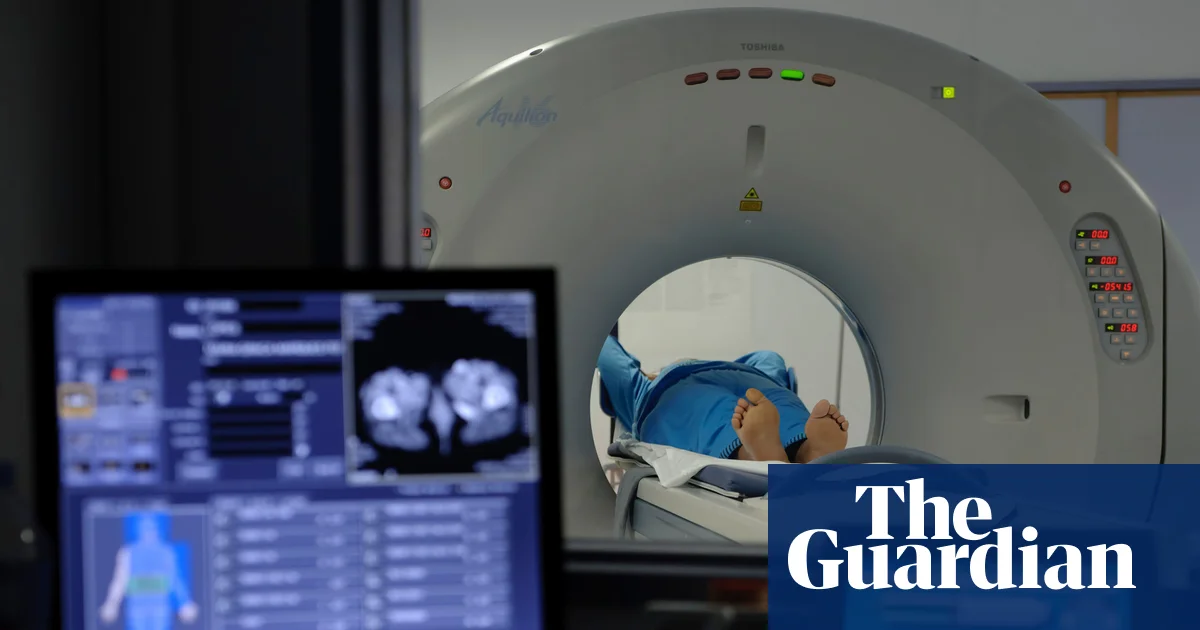
The United Kingdom currently faces a troubling healthcare crisis that underscores the cracks in its once-lauded National Health Service (NHS). According to recent data analyzed by the Royal College of Radiologists (RCR), nearly 400,000 patients—specifically 386,849 in September—are waiting more than six weeks for essential diagnostic tests such as CT scans, MRIs, ultrasounds, and other critical assessments needed to identify life-threatening conditions. These delays are more than mere inconveniences; they pose genuine risks to patient health, with some potentially facing preventable deaths due to late diagnoses.

This crisis is further compounded by official targets set by NHS England, which aims to limit waits of over six weeks to less than 20% of all patients by 2027. Yet, as the Royal College reports, nearly half (46%) of trusts are failing to meet even this reduced benchmark, highlighting a healthcare system in crisis. With many hospital trusts unable to meet their own standards since 2015, the delays reflect deeper systemic issues—including chronic radiologist shortages and inadequate healthcare funding—further exacerbating a situation where timely diagnosis can mean the difference between life and death. As Dr. Stephen Harden, president of the RCR, emphasized, “Any delay to accessing treatment can worsen health outcomes and even lead to preventable deaths.”

Broader Implications: How Internal Failures Signal Geopolitical Consequences

The unfolding UK healthcare crisis has judged the nation’s social and political fabric as fragile, while casting a shadow over the government’s reputation and impacting societal trust. International observers, including global health analysts and historians, warn that such systemic failures are indicative of larger governance issues. The Department of Health and Social Care claims to have inherited a “broken NHS” but asserts that recent reforms and investments—albeit insufficient—are turning the tide. Nevertheless, critics and independent organizations such as the Institute for Fiscal Studies have cast doubt on future promises, especially their bold pledge to restore an 18-week maximum waiting period for hospital care by 2029—a goal increasingly viewed as overly optimistic given the persistent backlog.

These internal failures do not exist in isolation; they ripple into the international arena by affecting the UK’s standing as an advocate for health security and stability. As population health declines due to untreated diseases, the United Kingdom’s influence wanes. Furthermore, the ongoing healthcare quandary underscores the critical importance of not only military and economic strength but also resilient public health systems—an insight that international point-men like the World Health Organization recognize, especially amidst emerging global health threats.

Historical Context and Future Outlook

Medical historians often cite the UK’s NHS as a beacon of socialized medicine, but recent trends demonstrate that even the most revered institutions are susceptible to resource misallocation and political neglect. This crisis reflects a broader tale of national priorities shifting away from patient-centered care toward bureaucratic and financial constraints. As analysts observe, if the UK’s healthcare system continues to falter, it risks becoming a cautionary tale of social decline, with its societal fabric unraveling under the weight of unmet needs and lost trust.

The warnings issued by think tanks and independent analysts point toward an ominous future where the repercussions of delayed diagnoses and inadequate treatment could escalate into a broader humanitarian catastrophe. The fight for better healthcare is now intertwined with national sovereignty, economic stability, and international influence. As Britain grapples with internal failures, the pressing question remains: how will history judge this chapter—whether as a moment of decline or a catalyst for reform? The answer lies just beyond the horizon, waiting to be written in the blood and resilience of a nation at a crossroads, teetering on the brink of an uncertain future, where the weight of mounting failures drags the last remnants of trust into an uncertain abyss.

Resident doctors reject Wes Streeting’s last-minute deal; strike to proceed—urgent action needed for NHS future

Societal Strain and the Future of Our Medical Workforce

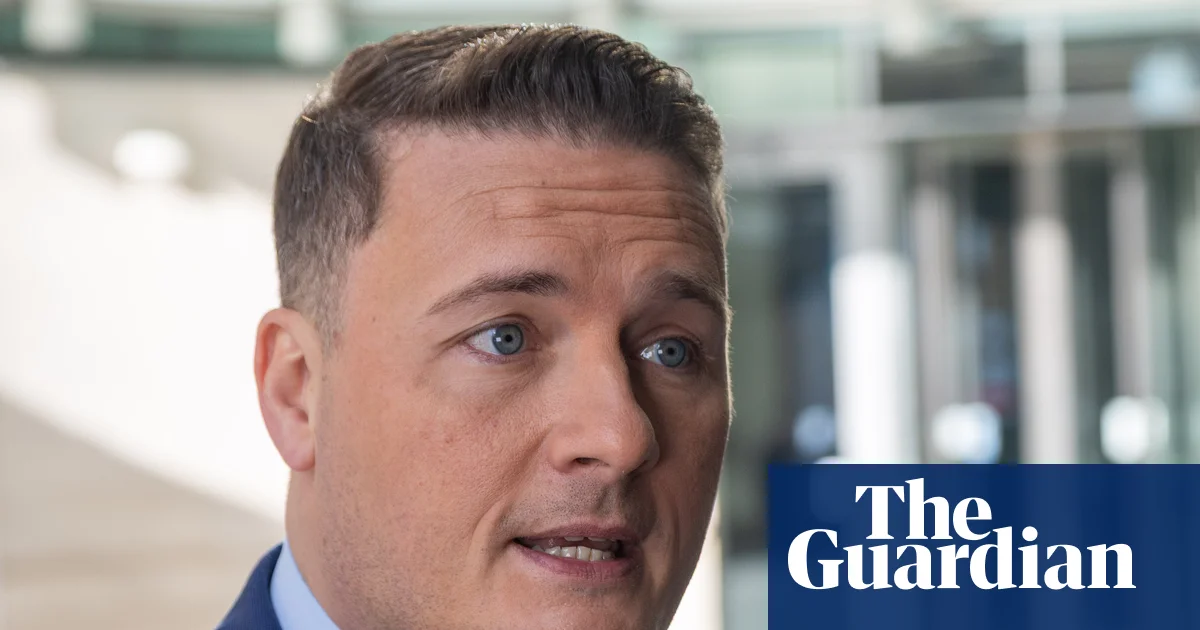
The ongoing dispute between resident doctors and the NHS highlights a critical challenge facing British society: the strain on healthcare institutions and the families they serve. As the long-standing conflict escalates, the imminent five-day strike threatens to leave vulnerable patients without essential care, underscoring how social issues ripple into families’ wellbeing. The core of the problem lies in how society values and compensates essential workers. The controversy surrounding the offer made by Health Secretary Wes Streeting reflects a deeper societal debate about fairness, career progression, and the moral obligation to ensure adequate healthcare for all.

Despite Streeting’s attempt to tamper down tensions with a renewed offer—doubling the number of new training places and covering examination fees—the discontent persists among resident doctors. The lingering discontent is rooted in a broader cultural shift where many young professionals feel undervalued and overburdened, resulting in a crisis of morale and recruitment. Influenced by sociologists like Richard Sennett, who warns that **a society that undervalues its workers risks societal decline**, the situation reveals a conflict between economic constraints and the moral duty to maintain a robust, compassionate healthcare system.

This social tension extends beyond individual careers, affecting families and communities. Young families rely on a functioning health system, yet they are increasingly faced with the reality that accessible and timely care may become a luxury rather than a given. The key challenge, reflected in the rejection of Streeting’s limited offer, is that **too many aspiring doctors still face barriers that hinder professional advancement**. The statistics speak volumes: with 30,000 applicants vying for only 10,000 training positions annually, the system’s *disconnect from societal needs* is glaring. Historians note that such disparities threaten to erode the social fabric, as frustration grows among the youth who see their future opportunities diminishing.

Real change depends on addressing the root causes of social inequality. As Dr. Jack Fletcher, chair of the Resident Doctors Committee, emphasizes, delivering a multi-year, comprehensive pay deal that restores the value of salaries lost since 2006 is essential. Without this, the cycle of disillusionment, strikes, and staffing shortages will persist, further impacting families, educators, and entire communities. The challenge lies in balancing the nation’s finite resources with the moral imperative to support those who care for society’s most vulnerable. As society stands at this crossroads, it must reflect on a fundamental question—how much are we willing to invest in our future, embodied by the health and education of our youth? The answer will shape the society we nurture for generations to come, determining whether we emerge stronger or risk society’s moral and social decline.

Indian court orders doctors to get their handwriting right—common sense for future generations

India’s Court Crusade Against Illegible Prescriptions: A Wake-Up Call with Global Ramifications

In recent months, India has spotlighted a critical issue that resonates far beyond its borders: the peril of illegible medical handwriting. The Punjab and Haryana High Court issued a landmark order emphasizing that a legible medical prescription is a fundamental right—not a mere matter of aesthetics, but a vital safeguard for patient safety. This judicial stance underscores a broader, urgent global concern: how the failure to standardize and digitize prescriptions can have deadly consequences. Experts and health authorities in various countries recognize that the age-old problem of ruined handwriting is not just a humorous anecdote but a serious medical risk that demands international attention.

The core of the issue became painfully clear in India when Justice Jasgurpreet Singh Puri criticized a medico-legal report rendered by a government doctor for being entirely unintelligible, which he remarked could mean the difference between life and death. Despite advances in technology, some government physicians still rely on handwritten prescriptions, often impossibly difficult to decipher. Accurate, clear communication between doctors and pharmacists is a cornerstone of patient safety, and neglecting this standard has historically led to medical errors, preventable deaths, and tragic outcomes. Studies from the United States and the United Kingdom reveal that poorly written prescriptions contribute to massive medical errors, with one report estimating that in the US, over 7,000 deaths annually are directly linked to handwriting-related errors—a statistic arguably underreported in countries like India.

While India’s health system faces unique challenges—overcrowding, resource limitations, and cultural habits—this order signals a necessary global shift. Countries worldwide are increasingly moving towards **digitized prescriptions** to reduce ambiguity. International organizations and health authorities, including the World Health Organization (WHO), advocate for mandatory electronic health records and digital prescribing systems, emphasizing that such technology could cut medication errors by up to 50%. Countries like Scotland have already embarked on large-scale rollouts of such systems, dramatically reducing harm. However, in rural and underserved regions, handwritten prescriptions persist, perpetuating the risks and highlighting the importance of digital literacy and infrastructure investments—a challenge not unique to India but present across developing nations.

Historically, the unassuming scrawl of a doctor has caused death and injury, and the danger persists. The 1999 Institute of Medicine report in the US revealed that at least 44,000 preventable deaths occur annually due to medical errors—including poorly written prescriptions. Critical voices warn that in a hyperconnected world, such risks should be unacceptable. As historians and analysts observe, these small but deadly lapses serve as stark reminders of where negligence and outdated practices intersect with technology and human lives. This latest judicial ruling from India is more than a national story; it’s a clarion call for global healthcare systems to prioritize clarity, transparency, and technological modernization. How nations choose to address this issue—through policy, innovation, and education—will shape the course of healthcare safety for generations.

As the threads of global health, technology, and law weave together in this unfolding story, history’s weight presses heavily on the shoulders of policymakers and practitioners worldwide. The silent tragedy of unreadable prescriptions persists—yet it is within this silence that the echoes of change are stirring. The question remains: will the world heed the urgent warnings and act decisively, or will we allow the pages of history to continue turning, with lives, perhaps, hanging in the margins of illegibility?

Streeting: Rely on doctors, not Trump, for paracetamol advice.

In a recent discussion surrounding a contentious claim made by former President Donald Trump, medical experts are urging expectant mothers to disregard any assertions suggesting a connection between the painkiller and autism. This issue has gained traction as the debate around vaccines and autism continues to polarize public opinion. Health professionals emphasize that scientific evidence does not support such claims and encourage pregnant women to prioritize their health and the well-being of their unborn children.

Trump’s remarks have sparked a wave of reactions, particularly among those who value evidence-based medicine. Experts argue that misinformation can have harmful consequences, particularly for vulnerable populations. It’s essential to rely on credible studies and expert consensus when making health decisions, especially during pregnancy, as the stakes are incredibly high for both mother and child. The prevailing view in the scientific community is clear: there is no proven link between the use of this painkiller and autism, so it’s vital that pregnant women receive accurate information.

The conversation around this topic highlights a broader concern about how misinformation can spread rapidly through social media and political discourse. Youth today are particularly susceptible to these narratives, making it crucial for them to seek out reliable sources of information. As we navigate these discussions, we must foster an environment where facts and research stand at the forefront of public health discussions, rather than sensationalized claims that can undermine trust in medical professionals.

In conclusion, as young people engage with political figures and their statements, it’s important to cultivate critical thinking skills and prioritize factual information. By encouraging pregnant women and the wider community to consult medical experts and rely on established research, we can promote a healthier society that is better informed about the issues that matter most. Let’s champion accuracy in our discussions while advocating for policies that truly benefit public health.

Social Media Auto Publish Powered By : XYZScripts.com