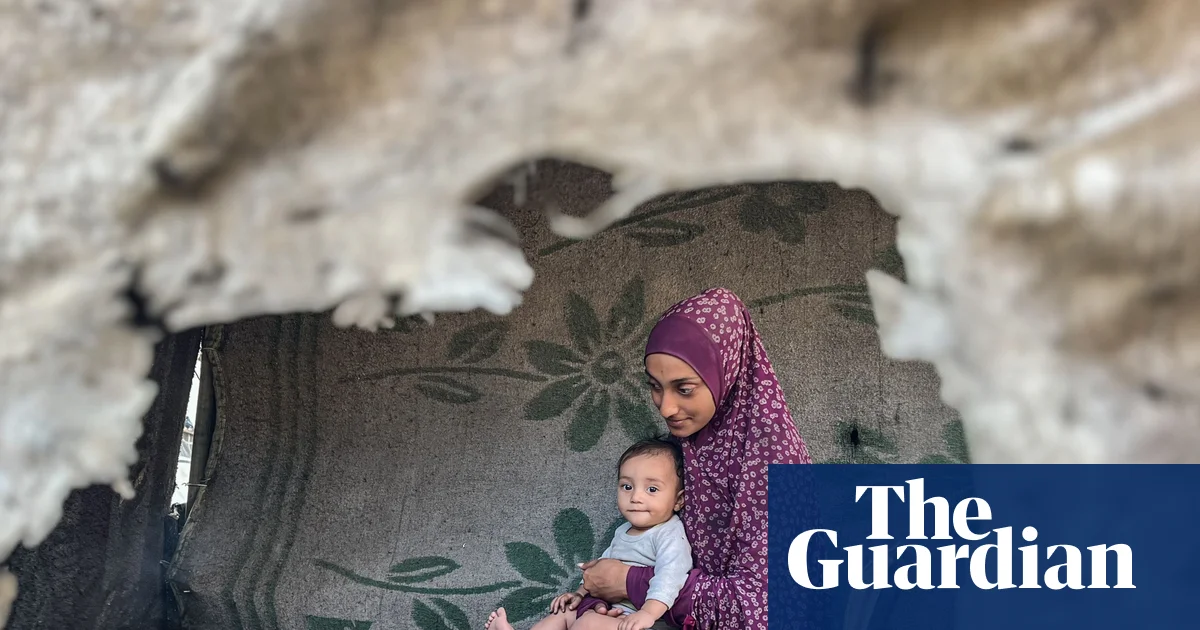

Amidst the lingering shadows of conflict, the plight of families in Gaza has become a stark mirror of how global social and financial support wanes in the face of shifting geopolitical narratives. Despite the ongoing humanitarian crisis—marked by widespread displacement, destroyed infrastructure, and the vulnerable struggle for basic necessities—the steady flow of aid and donations has experienced a disturbing decline. This decline not only jeopardizes immediate survival but also threatens to unravel the social fabric of a community already stretched to its breaking point. The withdrawal of support underscores a broader societal challenge: how international communities prioritize crises and the moral responsibility institutions and individuals bear in times of waning public interest.
Research by social commentators and sociologists warns us that the decline in aid—whether through charitable donations or governmental funding—does more than affect immediate relief efforts; it reverberates through families and communities. As Megan Hall, a volunteer who manages dozens of mutual aid funds for Palestinian families, warns, “mutual aid has kept people alive for two years. And now going into winter, many don’t even have winter clothing or blankets.” This grassroots resilience is often overlooked in public discourse, yet its collapse signifies a breakdown in communal support systems, forcing families to face brutal winters, hunger, and displacement with increasingly limited resources. Denied timely aid, families are pushed onto the brink, their collective trauma magnified by the erosion of hope and community ties.
Compounding this crisis is a demographic crisis. Over 70% of Gaza’s population—nearly 1.9 million people—live in conditions where they are exposed to the elements, with infrastructure virtually decimated, and healthcare systems in ruins, according to SARI Global. The displacement and recurrent trauma have degraded communal resilience, especially among the vulnerable. The sociologist Dr. Samuel Hernandez notes, “When social cohesion is damaged—when families are displaced repeatedly—the cycles of despair deepen, and the ability to rebuild disappears.” The fabric of society itself is fraying, as families face the unimaginable: eviction, hunger, and the loss of loved ones—all compounded by the lack of sustained external support.
At its core, this crisis challenges the very essence of society’s moral compass. How can a global community, with all its resources, turn away when faces are hungry, children are cold, and families live in the rubble of their former homes? Fundraisers and humanitarian organizations emphasize that a decline in support does not mean the crisis has ended; rather, it signals a moral failing—a waning sense of shared responsibility. As Oxfam and Save the Children warn, the cold calculus of aid disbursement often ignores the human toll of neglect. The question for society becomes: will we witness the silent erosion of aid and let the suffering of Gaza’s children become another forgotten chapter? Or will we rally to restore support, recognizing that social solidarity is the true measure of moral progress? The challenge before us is not merely one of logistics but a moral choice—to sustain hope amid the ashes and trench the tides of despair. Society’s future depends on this resolve, for in every displaced family, in every child’s trembling breath, lays the reflection of our collective humanity—and a hope that even in darkness, change is possible.