
Australia Confronts E-bike Injury Surge: A Growing Threat to Society and Public Health
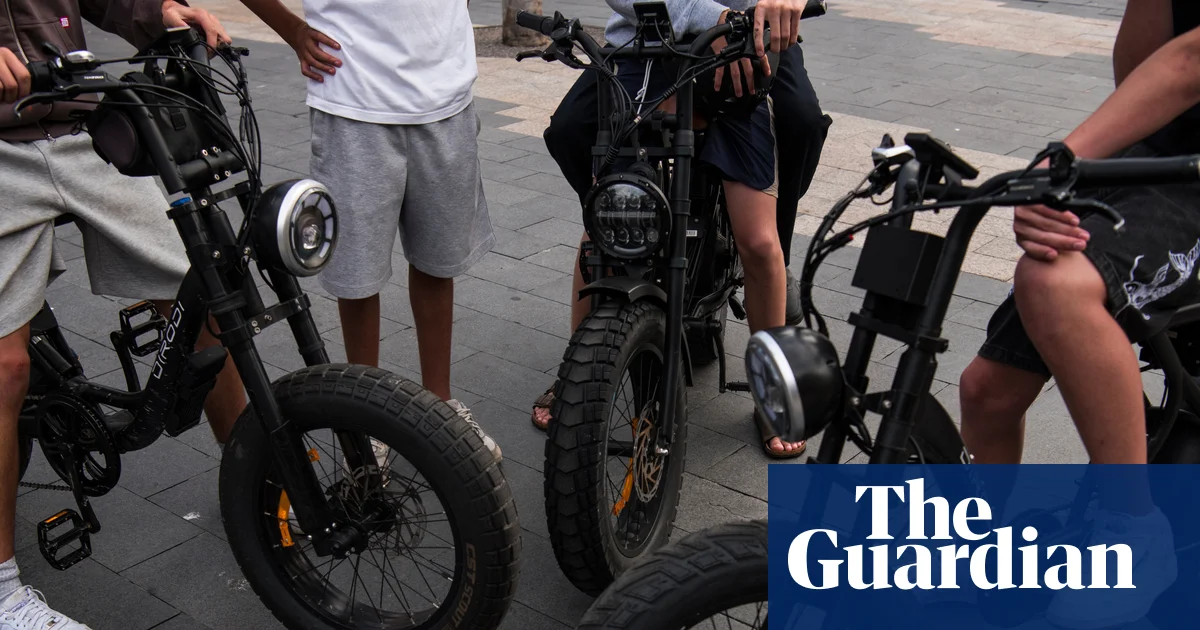
Amidst a global push towards sustainable urban transportation, Australia finds itself grappling with a troubling rise in e-bike related injuries, highlighting the complex challenges of innovation in modern cities. Recent data from St Vincent’s Hospital in Sydney reveals a staggering doubling of serious e-bike injuries in 2025 compared to the previous year, with a 350% increase since 2023. This statistic underscores a critical international issue—the unintended consequences that accompany technological adaptation. With over 200 cases requiring trauma response and nearly half necessitating surgical intervention, the aftermath paints a stark picture of how fast-paced, and sometimes reckless, adoption of new transport modes can destabilize societal safety nets.
This surge in injuries raises broader geopolitical and policy questions. The Australian government’s 2021 relaxation of import standards—aimed at encouraging cleaner transportation—accidentally facilitated the influx of illegal modifications and overpowered e-bikes, which now dominate accidents statistics. The recent re-tightening of standards in late 2025—restricting motors to 25 km/h and 250 watts—reflects a reactive step, yet the damage has been done. Analysts suggest that the unintended consequence of such policies might be a rise in emergency hospitalizations, especially when considering the illegal modifications making bikes faster and more dangerous. This phenomenon highlights how policy shifts can create societal ripple effects, necessitating more balanced, preventative approaches that prioritize safety over pushy innovation.
The international community and public health experts warn that Australia’s experience may soon mirror an emerging global crisis. Countries like Queensland report similar injury increases, with preliminary police data indicating four fatalities in 2025. Global organizations such as the World Health Organization have already flagged the rapid uptick in e-bike injuries as a potential health emergency. The surge predominantly affects young adults in their 30s, with reports suggesting an increasing incidence among younger populations. Experts caution that the dangers are amplified at night and under the influence of alcohol or drugs, making the injuries more severe and difficult to prevent. Such patterns threaten to strain healthcare systems worldwide and challenge the priorities of urban planners, law enforcement, and public health officials who must now address the fallout from ill-regulated e-bike proliferation.
As nations try to balance the benefits of eco-friendly mobility with public safety, the weight of history looms large. The urgent need for international cooperation, stricter safety standards, and public awareness campaigns is no longer optional—it is a matter of societal survival. The escalating toll serves as a sobering warning of how rapid technological changes, when left unchecked, can spiral into crises that threaten to unravel the social fabric. As cities and countries face the consequences of their choices, the story of e-bikes in Australia—yet again—becomes a narrative about the very limits of progress and the unyielding weight of history still unfolding on the streets of the future.