
In a world where fashion giants often cling to tradition and legacy, the emergence of Matthieu Blazy at Chanel signals a seismic shift. The 41-year-old Belgian designer, once a relatively unknown name outside the industry, is now steering one of the most iconic brands in history through a curious blend of tradition and innovation. His recent debut Haute Couture collection, hosted at Paris’s Grand Palais, did not just earn applause; it ignited a cultural wave that challenges entrenched notions of beauty, age, and the role of storytelling in fashion.
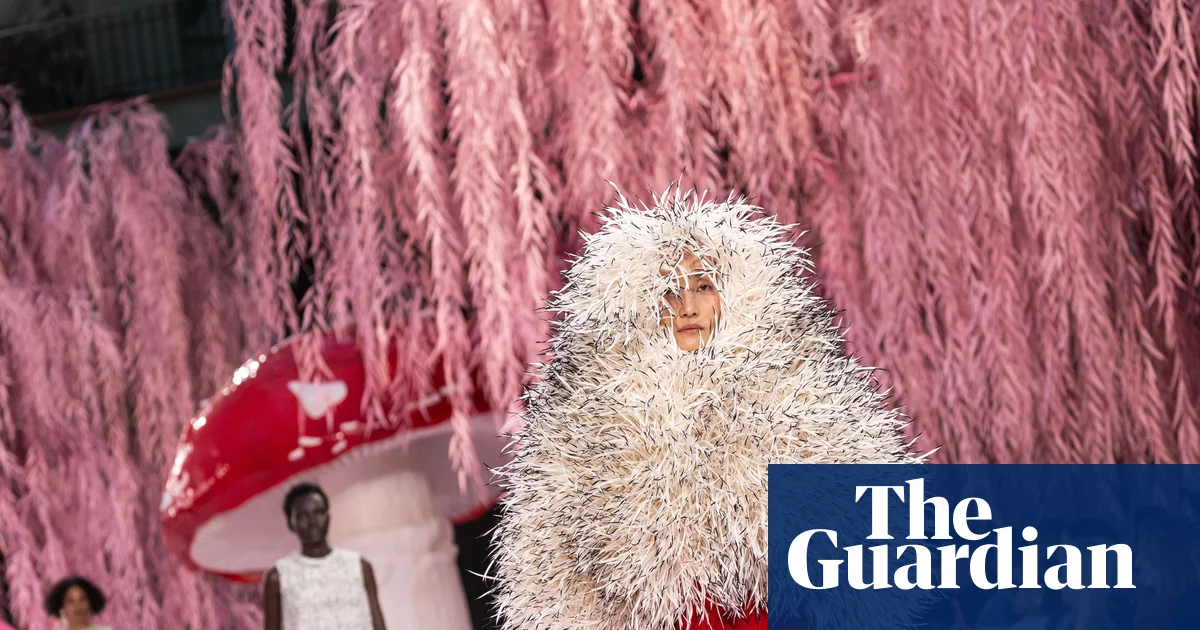
The show’s aesthetic was a masterclass in redefining luxury. From a boxy suit in tissue-thin mousseline to daring transparent jackets adorned with ropes of gems, Blazy’s designs showcased craftsmanship that is both heroic and warm. In a deliberate break from the typical high-gloss runway, he included multigenerational casting, intentionally featuring models of diverse ages and backgrounds—women who “have lived” and “have seen the world.” According to the designer, this shift in casting isn’t just about visual representation but a statement that beauty, wisdom, and life experience are integral to modern femininity. This cultural impact resonates with a generation increasingly questioning superficial standards, turning their gaze towards authenticity and lived-in stories.
The influence of influencers like Dua Lipa and industry icons such as Anna Wintour backstage underscores a societal desire for brands to connect deeply with personal narratives and individual identities. Blazy’s request for models to incorporate personal items—a love letter, initials, a word like “kindness”—stands out as an extension of this shift. These intimate touches, stitched into garments by Paris’s renowned Lesage embroiderers, elevate fashion beyond mere aesthetics, making it a vessel for emotional storytelling. This approach is part of a broader trend where consumers seek a more meaningful engagement with brands, echoing a societal craving for authenticity and depth amidst a superficial influencer-driven culture.
What truly sets Blazy apart—and hints at the future of fashion—is how he balances youthful boldness with a reverence for craftsmanship. His use of trompe l’œil techniques, painted denim mimicking casual wear, and leather feathers crafted into dresses, all echo a conscious effort to blend fantasy with reality. This ‘fairytale’ era—exemplified by animated previews with Snow White bluebirds—serves as a metaphor for a collective desire for escapism and renewal. Yet beneath the enchantment, there is a strategic, almost revolutionary statement: fashion’s power to reflect societal shifts and redefine identity. As Blazy’s Chanel appears to embrace a storybook aesthetic, a question lingers: Could this fairy-tale phase be the new standard for aspirational society? Or is it just a temporary chapter in a larger movement towards genuine self-expression?