Matox News

Truth Over Trends, always!

Will Ireland's new warning labels finally curb youth drinking?
Will Ireland’s new warning labels finally curb youth drinking?

In a move that underscores how domestic policies intertwine with international trade dynamics, Ireland has delayed the compulsory enforcement of new alcohol warning labels until 2028. Originally signed into law in 2023, these labels aim to combat the nation’s pervasive drinking culture by highlighting the severe health risks linked to alcohol consumption. However, the Irish government cites uncertainty within the global trading environment as the reason for postponing their mandatory adoption, a decision that has ignited debates about the influence of multinational beverage companies on policy decisions and public health priorities versus commercial interests.

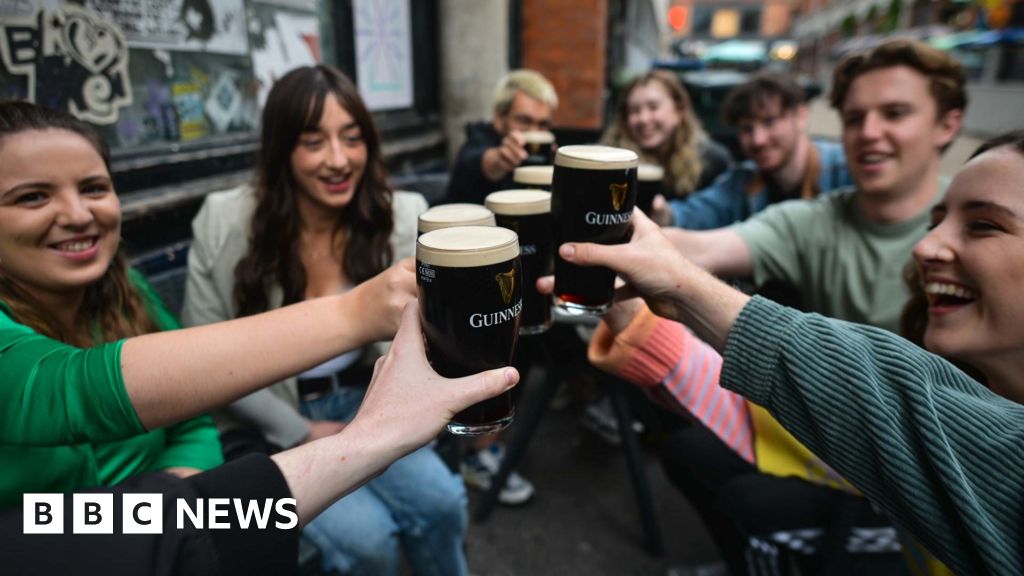
Historians and analysts widely observe that Ireland’s social fabric has been historically woven with or around alcohol—particularly in the form of pints at local pubs, traditional music, and community gatherings. According to public health groups, 75% of Irish youth aged 15-24 now consume alcohol regularly, with binge drinking among the highest in Europe. Despite decreasing overall consumption over the past quarter-century, recent studies indicate that early alcohol use and hazardous drinking patterns among youth remain stubbornly high, driven by cultural acceptance and social norms. The new labels, which explicitly state that drinking causes liver disease and certain cancers, are seen by some as a necessary measure—yet their delayed enforcement exemplifies the power of the alcohol industry lobby and its influence on policy within the European Union’s legal framework.

International organizations such as the World Health Organization have been vocal about the importance of health warnings to curb alcohol-related harm, warning that without decisive action, societies risk a future burdened by preventable diseases. Nevertheless, Ireland’s situation highlights a critical dilemma faced by many nations: how to balance public health initiatives with economic interests. The decision to defer the labels has been condemned by advocates who argue that it is an example of regulatory capture—where entrenched commercial interests influence policymaking—jeopardizing the country’s health future. Meanwhile, industry representatives have called for harmonized EU-wide standards, fearing that piecemeal regulations hamper trade and competitiveness. This ongoing tension exemplifies the geopolitical impact of such decisions, as countries navigate the complex landscape of international trade agreements, health regulations, and corporate influence.

As Irish youth continue to consume alcohol at high rates—despite increased awareness and warning labels—the broader question remains: how resilient are societal norms against the pressures of globalization and corporate lobbying? In Dublin’s bustling streets and vibrant pubs, where social life often revolves around alcohol, many young people like Jack admit they flirt with the idea of sobriety but find it difficult to detach from culturally ingrained patterns. Meanwhile, as the government delays, some health advocates warn that history is watching, and future generations may bear the cost of today’s deferred action. With each passing year, society inches closer to a pivotal crossroads—will it be the moment to confront the deep-seated cultural affinity for alcohol, or will it succumb to the economic forces that threaten to drown out public health priorities? Only time will tell, but the story of Ireland’s drinking culture and its influence on policy decisions remains a stark reminder that history is a battleground where societal values are continually tested and rewritten.

Wellingborough teacher loses license after reckless drinking and driving incident at school gates

Community Trust and the Fragility of Education Governance

Recent incidents at schools across communities reveal unsettling breaches of trust that threaten the integrity of our education system. Particularly, the case of Michelle Stant, a former teacher at Friars Academy, underscores how social issues such as substance abuse and misconduct can have devastating repercussions, not only for the individual involved but also for the families and students who rely on a safe, disciplined learning environment. The misconduct panel’s decision to impose an indefinite ban on Ms. Stant’s teaching license highlights the grave consequences that failure of moral judgment can inflict upon the fabric of our schools.

The ripple effects on families and the broader society

Recognized social theorists like Charles Murray have long emphasized the importance of stable social institutions—particularly families and schools—in shaping responsible citizens. When educators, entrusted with nurturing future generations, fall into misconduct, the societal fabric frays. The case of Ms. Stant, who acknowledged drinking on the job and even drove her vehicle into school property, illuminates how individual moral lapses can undermine the trust necessary for effective community functioning. Families are directly affected as their children’s safety becomes compromised, and the ripple effect can lead to increased societal disillusionment and a decline in communal cohesion.

Challenges and pathways toward accountability and renewal

  • Strengthening teacher support systems to detect burnout and mental health issues before misconduct occurs.
  • Implementing robust oversight procedures, including random alcohol testing and reflective assessments.
  • Fostering a culture of accountability within school institutions, supported by community engagement.
  • Encouraging moral and ethical training that emphasizes values-based education as a core element of professional development.

Academic voices like Dr. Christopher Lasch warn that societal decline often begins with the erosion of moral standards within key institutions. As the education sector faces these crises, the question remains: How can schools rebuild trust when trust has been eroded? The answer lies in comprehensive reforms that prioritize ethical integrity, community involvement, and transparent accountability. While social tensions persist, history teaches that such crises also offer opportunities for renewal and societal growth. Educators and communities must stay vigilant, embracing the challenge of restoring dignity to our schools, so that the next generation can learn not only from textbooks but also from the moral courage of their teachers.

A society’s hope lies beyond the horizon

As society navigates this complex landscape of moral lapses and social tensions, it is imperative to remember that the societal fabric is woven from the threads of individual virtue and collective responsibility. Addressing the challenges revealed by incidents such as Ms. Stant’s requires more than punitive measures; it demands a renewed grasp of shared values, moral renewal, and societal commitment to building resilient communities. Only then can we hope that our institutions—especially those tasked with shaping the minds and morals of future generations—will once again serve as bastions of integrity and hope.

Social Media Auto Publish Powered By : XYZScripts.com



