Matox News

Truth Over Trends, always!

From Uber driver in the U.S. to fearing jihadist threats in Somalia—how local roots meet global dangers

Geopolitical Shifts in the Wake of Somali Deportations: A Warning from the Frontlines

In recent months, a wave of deportations from the United States to Somalia has exposed the fragility of international migration policies amid rising anti-immigrant rhetoric and changing administrations. These deportations, involving Somali nationals who sought refuge in the US, are not merely individual cases but signals of profound geopolitical repercussions that resonate far beyond the borders of the United States. As President Donald Trump publicly disparages Somali migrants, calling for tougher restrictions and even suggesting they should “go back to where they came from,” the international community, analysts, and historians warn that these policies threaten to undermine years of fragile stability in the Horn of Africa while fueling anti-foreigner sentiments domestically.

Most noteworthy is the case of Mahad Mohamud, a Somali man deported from Minneapolis after spending over a decade in various countries, including South Africa, Brazil, and the US. Mahad, known on social media as Garyaqaan, built a significant following defending his clan’s interests in Somalia—an act viewed with suspicion by US authorities amid the broader discourse of national security. His case highlights how independent voices, particularly those amplified through social media, are increasingly perceived as threats to political narratives. Mahad’s detention and eventual deportation—despite his claims of innocence and FBI clearance—mirror broader policies that cast aside nuanced assessments of individual safety in favor of harsh border enforcement. The geopolitical impact is vast, as deported individuals often face an unstable Somalia ravaged by years of anarchy, Islamist insurgencies, and economic collapse. Historians warn that these policies, driven by election-year rhetoric, risk reigniting conflicts and depriving Somali society of diaspora-led development efforts.

Moreover, the deportation crisis is casting a long shadow over the Somali-American community—America’s largest Somali diaspora, numbering approximately 80,000 in Minneapolis alone. Following statements from President Trump vowing the end of temporary protected status, the Somali community faces renewed hostility, with social media videos depicting immigration agents conducting door-to-door searches in neighborhoods like Little Mogadishu. Many residents, fearing deportation, have responded by evacuating their homes discreetly, leaving lives in limbo. This tension unravels the broader how decisions made in Washington directly affect the fabric of local societies, fueling fears, protests, and a sense of abandonment. These developments echo the warnings of international observers who argue that a shift towards aggressive immigration crackdowns without comprehensive security frameworks risks destabilizing immigrant communities in the US while emboldening Islamist militant groups like al-Shabab. The repercussions for stability and security, both in the US and the Horn of Africa, are profound and ongoing.

As history’s ongoing narrative unfolds, the deportation phenomenon underscores a brutal reality: policies driven by populist rhetoric often overlook the intricate human stories behind migration. Mahad Mohamud’s heartfelt reunion with his children and his fears of assassination are emblematic of the human toll inflicted by political agendas that treat these individuals as mere pawns. Analysts and seasoned diplomats warn that the current trajectory risks not only exacerbating Somalia’s humanitarian crisis but also deepening the divide between immigrant communities and their host nations, creating fertile ground for radicalization and conflict. With the shadows of past conflicts and current instability lengthening, the international community is left to ponder whether these policies will serve as a turning point or a catalyst for unforeseen chaos. The weight of history presses heavily upon these unfolding events, reminding the world that in the arena of geopolitics, choices today carve the legacy of tomorrow—a legacy still being written, and nowhere more critically than in the lives of those caught between nations.


Texas centenarian bus driver, 95, defies age with no plans to stop

Age, Work, and Societal Shifts: The Lifelong Dedication of Raymond Hager Sparks Broader Reflections

In an era marked by mounting economic pressures and evolving social norms, the inspiring story of Raymond Hager, the 95-year-old bus driver from Texas, resonates as a microcosm of a worldwide phenomenon. Recognized by Guinness World Records as the oldest active bus driver, Hager’s unwavering dedication to his career exemplifies the changing landscape of work and retirement across nations. While his personal story focuses on individual perseverance, it also underscores the broader implications of demographic shifts, economic realities, and societal values, influencing international debates on aging, labor policies, and economic resilience.

Hager’s commitment to his profession reflects a broader trend—an aging workforce that challenges conventional retirement norms. In the United States, economic stagnation, soaring living costs, and stagnant wages are pushing individuals to extend their working years well beyond traditional retirement age. According to international labor analysts, this trend is not isolated; many advanced economies face similar realities, prompting policymakers to reconsider social security systems and labor laws. Experts point out that this shift could reshape national economies, strain social safety nets, and influence societal perceptions of aging. Nations such as Japan and Germany are already grappling with these complexities as their populations age at unprecedented rates, threatening to redefine productivity parameters and social cohesion on the global stage.

The international community observes such individual stories with mixed emotions. On one hand, they highlight resilience and personal purpose; on the other, they raise questions about how societies can sustain economic vitality and social stability amid demographic transformations. Global institutions like the United Nations and the World Bank have issued reports emphasizing the importance of adaptable socio-economic policies that address the aging phenomenon. These organizations warn that unprepared societies risk increased healthcare costs, labor shortages, and diminished economic growth if they fail to implement reforms that encourage lifelong employment and flexible work arrangements.

The geopolitical impact of these demographic trends extends further when considering international migration, workforce mobility, and shifting power dynamics. Countries with youthful populations, such as India and parts of Africa, could find themselves at the cusp of new economic opportunities by attracting aging professionals from the West. Meanwhile, nations with declining populations may become increasingly dependent on foreign labor, potentially fueling migration debates, diplomatic negotiations, and geopolitical alliances. These shifts will unquestionably influence global power balances, economic alliances, and even cultural perceptions of aging and productivity.

As this chapter of history continues to unfold, the story of individuals like Raymond Hager serves as a symbol of perseverance and an indicator of systemic change. His story is a reminder that societal progress demands adaptability—not only in laws and policies but also in cultural attitudes towards aging and work. With the weight of emerging demographic realities pressing down on national leaders worldwide, the legacy of such figures warns us that the future hinges on our ability to redefine aging—transforming it from a symbol of decline into one of enduring contribution. In the ongoing narrative of human history, the choices made today will resonate for generations, leaving an indelible mark on how societies will navigate the uncharted territories of aging and economic resilience.

Delivery driver jailed for killing man aiding woman in wedding fight

In a world increasingly marked by instability and local conflicts, the recent case of Hassan Jhangur’s criminal actions in the United Kingdom underscores the profound consequences of unchecked violence. Jhangur, a 25-year-old man, was sentenced to a minimum of 26 years in prison after deliberately running his car into a group of innocent bystanders, tragically killing Chris Marriott, a 46-year-old food delivery driver and a man known for his compassion and community service. This heinous act, rooted in a family feud that culminated in a public dispute, exemplifies how personal conflicts can erupt into catastrophic events, threatening societal stability and human lives. Local authorities and judges alike recognize that such senseless violence leaves a scar not only on the victims and their families but also on the fabric of society itself.

This incident provides a stark reminder of how domestic disputes and familial rivalries sometimes spill over into the wider community, with devastating consequences. The court proceedings revealed a narrative of deep-seated tension, precipitated by a wedding celebration weekend that turned into chaos and ultimately tragedy. Witnesses testified that the collision was not accidental but a calculated attack, with Jhangur intentionally targeting bystanders in a moment of fury. The courtroom verdict highlighted the deliberate nature of the violence, with Judge Morris condemning it as “hot-headed and wanton.” Such cases act as a rallying point for international organizations like the United Nations and Interpol to emphasize the need for stronger mechanisms to prevent violence rooted in social discord, which can have ripple effects far beyond local communities.

From a geostrategic perspective, the impact of localized violence extends into broader geopolitical dynamics, especially in an era where nations are grappling with internal divisions and external threats. Countries like the United States, Russia, and China face their own internal tumult, but incidents like Jhangur’s demonstrate that internal disputes, if unresolved, threaten national stability and international peace. Analysts warn that such acts of unchecked violence can be exploited politically, leading to increased social polarization and possibly fueling social unrest that affects regional security. The case also echoes a warning issued by countless historians and international experts that domestic violence and societal breakdowns often serve as precursors to larger conflicts, weakening nations from within while adversaries look on with strategic interest. The violence in Sheffield might be a microcosm of the dangerous fragility of social order across the globe, urging policymakers to prioritize social cohesion and community resilience.

As the world watches, the tragic story of Chris Marriott’s death becomes a poignant chapter in a larger, ongoing narrative—that history is often shaped not just by grand diplomatic treaties or military conflicts, but also by individual acts of violence and societal breakdowns. The weight of these moments lingers in the collective consciousness, urging nations to reflect on basic human values and the importance of justice and social harmony. The coming years will reveal whether such tragic incidents serve as catalysts for meaningful change or simply fade into the background of a tumultuous world. Yet, the lessons remain clear: in a world teetering on the edge of instability, every act of violence leaves an indelible mark, and history’s pen continues to write its story, one tragic event at a time.

Multiple injured as driver recklessly hits 10 on Ile d’Oléron—authorities crack down on rising dangers

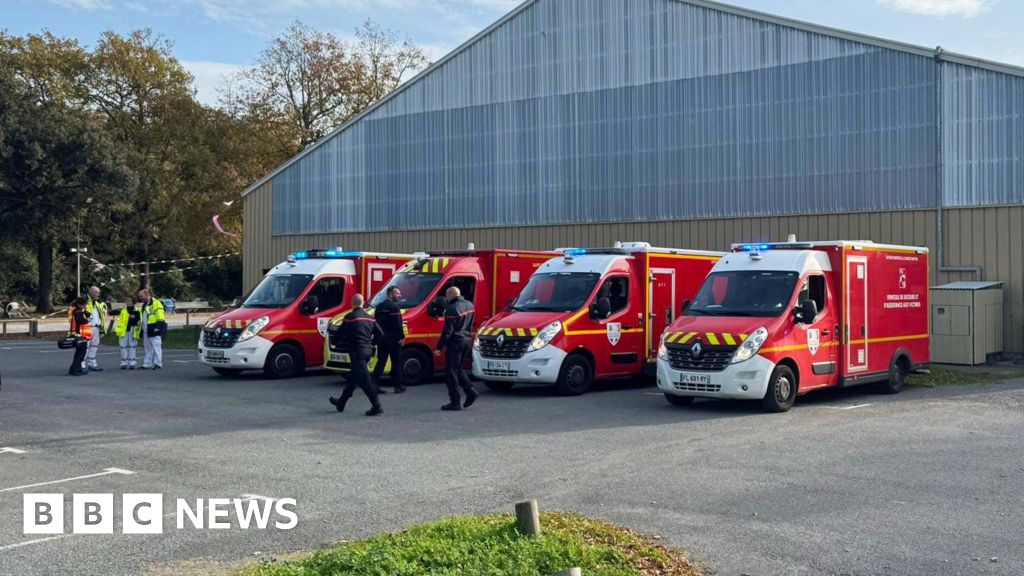
The quiet beauty of Ile d’Oléron, a renowned holiday haven off the west coast of France, was shattered by a shocking act of violence that has sent ripples through the international community. In an incident that authorities suspect may have terrorist undertones, a local man in his mid-30s deliberately drove into pedestrians and cyclists, critically injuring four individuals, including a young girl. The attacker, identified as a resident of the island, was eventually subdued and arrested following a dramatic confrontation, highlighting concerns about emerging threats not only in France but across Europe.

According to reports, the suspect drove through the villages of Dolus d’Oléron and Saint-Pierre-d’Oléron, deliberately targeting civilians in a disturbing display of violence. After the assault, he abandoned his vehicle and set it ablaze, an act that prompted an immediate response from local authorities. The suspect reportedly shouted “Allahu Akbar” during his arrest, raising alarms over potential connections to extremist ideologies, although France’s anti-terror agencies have thus far declined to take charge of the investigation. Still, the fact that the man was known to police raises pressing questions about the efficacy of security systems and early warning procedures in borderless Europe. This incident underscores an ominous trend: how individual grievances or ideological radicalization can manifest in unprecedented acts of terror, threatening societal stability and international security.

Globally, this event resonates within a broader context of rising geopolitical tension. European nations, grappling with complex issues of integration, cultural identity, and security, are increasingly vulnerable to lone-wolf attacks that exploit societal fractures. Analysts from EU security agencies warn that such incidents are not isolated but symptomatic of a global push by extremist groups to destabilize Western democracies. Their impact extends far beyond the immediate victims, fostering a climate of fear that can be manipulated to justify authoritarian measures—an unsettling evolution in the war against terror. Furthermore, the incident on Ile d’Oléron places under question the resilience of small, popular tourist destinations—which, due to their economic dependence on flow of visitors, are now potential targets, shifting the geopolitical landscape of security.

Prominent historians and international security experts emphasize that the ongoing threat in Europe is a critical turning point in the struggle to defend shared values. Many argue that without strengthened intelligence cooperation and community engagement, such tragedies could become more frequent and more devastating, affecting nations and societies at their very core. As France faces this new reality, the incident leaves an indelible mark—reminding us that history is still writing itself, and that the battle for the soul of the West is far from over. With each new act of violence, the world witnesses how fragile the veneer of safety truly is, prompting a sobering reflection: in the ongoing contest of ideas, will civilization prevail against those who seek to sow chaos?

India’s First Female Train Driver: Breaking Barriers and Leading the Way Forward

India’s Trailblazer: Surekha Yadav and the Broader Impact on Gender Equality in Critical Sectors

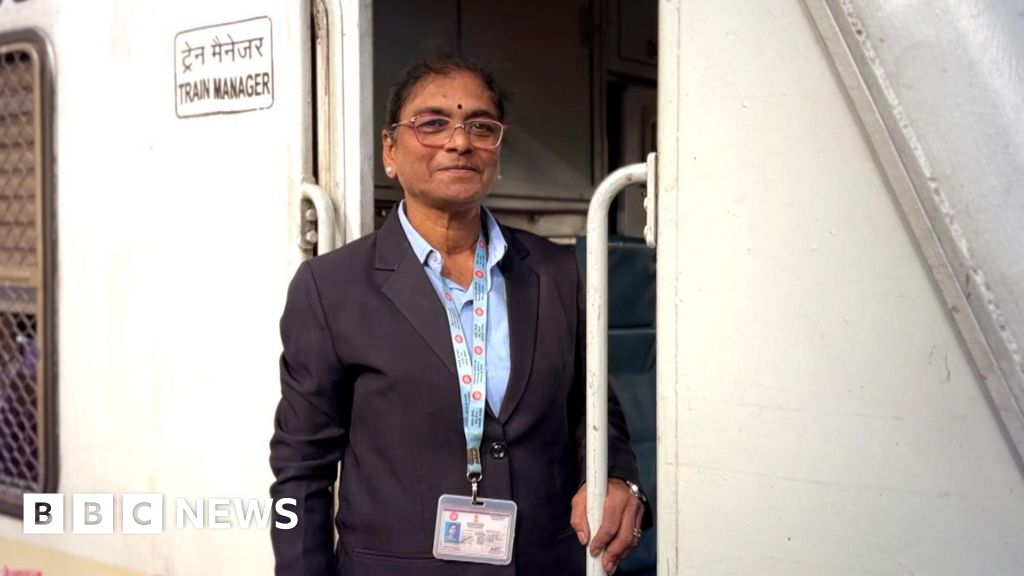
In a groundbreaking testament to persistence and progressive change, Surekha Yadav recently bid farewell after 36 years of service as India’s first female train driver. Her remarkable career, which began in 1989, symbolizes more than personal achievement—it underscores a shifting tide in gender roles within India’s traditionally male-dominated infrastructure sectors. Yadav’s journey from rural Maharashtra to operating the nation’s railways highlights the critical *geopolitical impact* of fostering equal opportunities in industries vital to economic development.

When Yadav first took to the locomotive, her decision defied societal norms. She entered into a profession then unthinkable for women, particularly in India, where government jobs are among the most coveted for the security and perks they offer. Her success challenged entrenched stereotypes, paving the way for a new generation of women amid a system historically reserved for men. Increasingly, international organizations, including the United Nations and global labor advocates, emphasize the importance of integrating women into strategic sectors such as transportation and engineering — a move that directly influences social stability and economic resilience in developing nations.

Unpacking the international significance of Yadav’s career

  • Her story has become a symbol of *progressive social change*, inspiring industries worldwide to break gender barriers and adopt inclusive recruitment policies.
  • As one of over 2,000 women now operating Indian Railways, her influence extends beyond individual achievement to national strategies aimed at empowering women in critical roles.
  • Historians and analysts, including Dr. Rajeev Malhotra, argue that Yadav embodies the *turning point* in India’s social fabric, where economic necessity meets evolving perceptions of gender roles.

Furthermore, the *geopolitical impact* resonates globally, as nations observe India’s efforts to modernize and diversify its workforce. India, with its sprawling rail network and strategic position as a rising economic power, aims to project an image of progressiveness and gender equality. This not only enhances India’s soft power but also sets a precedent for other developing nations attempting to balance modernization with traditional values. International organizations increasingly recognize the importance of such domestic shifts, as they bolster the global fight against gender discrimination, which remains embedded in many sectors worldwide.

How decisions at the policy level influence societies and nations

The Indian government’s recognition of jobs like train-driving as *winnable battles for social inclusion* illustrates a broader international trend towards sustainable development and gender parity. Ms. Yadav’s mentorship of aspiring women operators exemplifies how individual careers catalyze societal change, challenging societal norms and expanding the horizons of what is considered possible for women. These stories foster an environment where gender becomes less of a barrier to participation in vital sectors—enhancing economic productivity and social cohesion.

Experts from the World Economic Forum emphasize that such shifts in employment patterns not only empower women but also serve as a *game-changer* in addressing unemployment and economic inequality. By breaking ceilings in transportation and engineering, nations reinforce their commitment to cultivating resilient societies capable of adapting to global challenges, including climate change, urbanization, and technological disruption. As India continues to interlace its development goals with gender inclusivity, the international community watches closely, poised to learn and emulate this model of transformation.

The Ongoing Archive of Meaning

As Ms. Yadav’s locomotive finally pulls into the station after decades of service, she leaves behind more than just a legacy of skill and determination. Her retirement marks a *significant point in history*, yet the odyssey of gender equality in India’s infrastructure remains incomplete. The weight of her story underscores that decisions—local, national, and international—shape the societal landscape and write the next chapter of history. With each train that departs and arrives, there is a silent acknowledgment that every mile driven is a mile towards a more inclusive and resilient future—an indelible mark in the ongoing march of progress.

Social Media Auto Publish Powered By : XYZScripts.com