Matox News

Truth Over Trends, always!

FCA to Reveal Compensation Plan for UK Car Finance Scandal—Protecting Young Drivers’ Rights

Millions of Drivers Await Compensation in the Wake of the UK Car Finance Scandal

The United Kingdom is currently embroiled in a high-stakes financial controversy that echoes beyond its borders, with regulators set to announce the details of a compensation scheme impacting approximately 14 million consumers. This scandal, rooted in controversial commission payments between car lenders and dealerships, has revealed the vulnerabilities within longstanding finance systems. The Financial Conduct Authority (FCA) has outlined an £11 billion scheme intended to address the overcharging of borrowers, a figure significantly lower than some analysts’ estimation of £44 billion in total damages. Nonetheless, this move underscores a broader international debate about consumer protection, regulatory oversight, and financial accountability.

Key to understanding the geopolitical impact is recognizing how economic decisions within a nation resonate globally. The UK’s move to implement a compensation scheme surfaces as one of the largest instances of financial redress in recent history, raising fears of ripple effects in the global car financing market. Industry stakeholders, including lenders and the Finance and Leasing Association (FLA), have expressed concern that the scheme’s generosity could destabilize the sector, leading to fewer loans or increased borrowing costs for consumers. As analysts from international financial watchdogs warn, such measures could set alarming precedents, encouraging other nations to adopt similar overregulation or, worse, risking financial instability. This is not merely a domestic issue; it offers a cautionary tale on the delicate balance between consumer protection and free-market economics, a debate echoing from Washington to Brussels and beyond.

Legal Challenges and Political Tensions Signal a Broader Struggle for Sovereignty and Economic Autonomy

The UK government and industry players are now preparing for potential legal battles that threaten to delay or circumvent the scheme’s implementation, with claims law firms and lenders signaling their readiness to challenge outcomes. Notably, a major claims law firm, Courmacs Legal, is planning a £66 million omnibus lawsuit representing thousands of borrowers, effectively pre-empting the FCA’s scheme and asserting a collective defense of consumer rights. This legal showdown is unfolding amidst strong political rhetoric that warns against excessive payouts, especially from the Chancellor Rachel Reeves, who has cautioned judges and warned against potential “overreach” in protecting consumers. Such actions illuminate how internal political tensions and industry lobbying are intertwined, revealing a broader struggle for sovereignty over financial regulation that could set precedents far beyond the UK’s borders.

International observers and historians warn that this is more than just a scandal confined to car finance; it’s a microcosm of rising tensions around global economic sovereignty. As regulatory agencies tighten controls in response to economic crises and consumer threats, the potential for conflict between national interests and international financial markets intensifies. The decisions made here—whether to uphold or challenge the scheme—will influence how nations manage similar crises and balance the scales of justice with economic stability. In this unfolding chapter of financial history, the UK’s resolve to redress a decade-long scandal will determine whether the world shifts towards empowered consumers or volatile markets prone to unchecked overreach.

As history continues to be written in the corridors of power, the forces of regulation, industry, and politics collide. The weight of this moment will echo into the future, shaping the balance of power, sovereignty, and societal stability in the face of a turbulent global economy. The question lingers: will justice be served, or will the costs of reform tip the scales towards chaos? The answer remains elusive, resonating as a stark reminder that history — like finance itself — is a delicate and uncertain dance, forever teetering on the brink of change.

Tiger Woods Faces DUI Charges After Crash: A Wake-Up Call for Young Drivers

In an era where international attention often centers around high-profile legal incidents, the recent crash involving Tiger Woods on Beach Road in Jupiter Island underscores the far-reaching geopolitical impact of individual events that transcend national borders. While the incident itself involves an American sports icon, its ripple effects extend into the broader fabric of global perceptions surrounding law enforcement, accountability, and the complex intersection of fame and state authority. According to Sheriff Budensiek, Woods was involved in an incident following an alleged attempt to overtake a pressure cleaner truck at high speed, which led to a series of investigations and legal proceedings that resonate beyond local jurisdiction.

  • The sheriff disclosed that Woods exhibited signs of impairment, but tests at the scene indicated a “triple zero” breathalyser result, complicating the narrative and raising questions about investigative procedures.
  • Woods refused a urine test, invoking his legal rights, which has resulted in charges for refusal rather than impairment — a legal distinction that complicates accountability.
  • President Donald Trump publicly expressed sympathy, emphasizing the personal toll of the incident, illustrating how high-profile cases in the U.S. attract international cultural and political attention.

Analysts and international observers highlight that such incidents, especially involving revered figures like Woods, influence societal expectations of celebrity conduct and state authority. As historian Mark Levinson points out, “The manner in which authorities handle allegations against prominent individuals becomes a mirror reflecting national values and legal standards.” This case exemplifies the ongoing tension between individual rights and societal interests—particularly how authorities navigate investigations involving iconic personalities. Moreover, with investigations suggesting Woods was “cooperative but trying not to incriminate himself,” the case underscores the delicate balance law enforcement must maintain between due process and public sentiment.

In a broader context, this incident also exposes the potential risks of drug or alcohol impairment in an era of growing scrutiny and legal reform. The refusal to submit a urine test, while legally permissible, leaves a void in definitive evidence and may influence future policy adjustments concerning impaired driving. The incident’s narrative, amplified by media coverage, stimulates debate over the consistent application of justice, the role of personal privacy, and the influence of fame in legal outcomes. The accident’s implications ripple into international discussions on law enforcement standards, the influence of social stature on justice, and the societal values that prioritize celebrity over accountability.

As global institutions continue to analyze and respond to these rapid developments, the event remains a poignant example of how individual moments can shape history. The unfolding story of Woods’ legal predicament is a stark reminder that behind the veneer of fame lies a fragile veneer of societal justice—an ongoing narrative where personal conduct, legal integrity, and international perception collide. With Woods set to be released on bond and facing misdemeanors, the incident leaves the world pondering: how will this story, a microcosm of societal values and power, ultimately influence the international dialogue on justice, celebrity, and the rule of law?

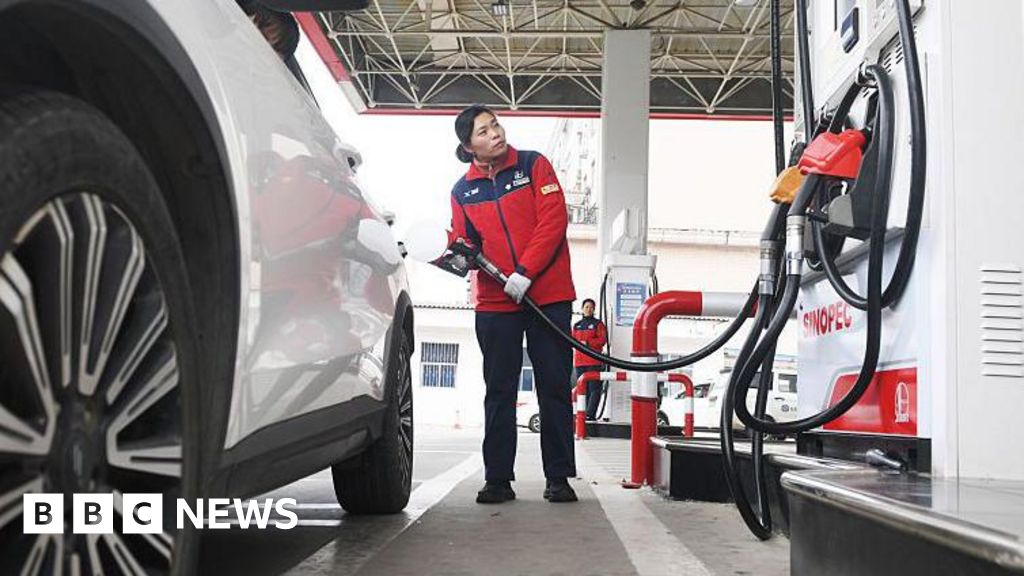
China eases fuel price hikes to lighten drivers’ load

Global Tensions Rise as Countries Confront Soaring Fuel Prices

In the midst of escalating global energy prices, nations worldwide find themselves at a critical juncture, grappling with economic stability and geopolitical stability. Fuel costs have surged dramatically, driven by a complex mix of international supply chain disruptions, geopolitical tensions, and shifts in global energy markets. As a result, many governments are implementing a variety of measures—ranging from domestic policy adjustments to strategic diplomatic maneuvers—in an effort to shield their populations from the economic fallout. This volatile environment underscores the fragile interconnectedness of global economies and signals a potential redefinition of geopolitical alliances.

Across the European Union, many member states are under mounting pressure to support their energy sectors amidst these turbulent prices. Some have accelerated plans to diversify away from Russian energy, while others face internal discord over subsidy schemes and strategic reserves. The crisis has reignited debates among analysts about the sustainability of current energy dependencies. The United States has responded with strategic petroleum reserves release and increased domestic oil production, aiming to stabilize its market. Yet, experts warn that these measures are only temporary fixes in a broader struggle for energy sovereignty. The International Energy Agency (IEA) has issued a stark warning: without significant structural reforms and diversification, global economies could face prolonged economic pain, especially in energy-dependent sectors.

Meanwhile, Russia and OPEC-aligned nations hold a pivotal influence on global supplies, and their decisions continue to ripple across markets. The recent decision by OPEC+ to modestly cut production quotas has triggered renewed fears of supply shortages, exacerbating inflationary pressures around the world. Leading geopolitical analysts underline that such moves are less about market economics and more about signaling power struggles amid shifting alliances. These developments risk inflaming tensions with Western powers, which view the cuts as a strategic attempt to leverage energy resources for geopolitical advantage. The repercussions of these actions are felt not only in stock exchanges and energy markets but also in the diplomatic corridors of major capitals, as debates intensify over energy independence and security.

The geopolitical shift is not merely an economic issue but also a profound societal challenge. Countries are forced to make difficult choices—cutting subsidies, rationing fuel, or seeking new alliances—to cope with the crisis. These measures carry long-term consequences, potentially reshaping regional power dynamics and internal political stability. Historians and geopolitical analysts warn that this turbulence could accelerate the decline of certain traditional energy-dependent alliances and herald the rise of new blocs committed to energy sovereignty. The International Crisis Group emphasizes that failure to address these core issues could lead to instability, unrest, and even conflicts over resources. As nations scramble to secure their futures, the global stage seems poised for an uncertain transformation, where the decisions made today could echo through history.

The ongoing saga of energy geopolitics is a stark reminder that history continues to be written in moments of crisis. The decisions taken now—whether to push for independence from unreliable suppliers, bolster domestic industries, or reshape international treaties—will determine the course of the future. The world watches as powers assert their influence amidst rapidly changing circumstances, and the weight of their choices hangs heavy in the balance. As the geopolitical landscape shifts once again, humanity must confront the daunting realities of a new energy era—one where the echoes of these decisions will resonate long into the future, shaping the course of history on a scale unprecedented in recent memory.

Ford taps F1 tech and rewards to craft $30K electric truck for young drivers

Ford’s Bold Shift: Disrupting the EV Market with Innovation

In a move that underscores the relentless pace of disruption in the automotive industry, Ford is charting a new course with its Universal EV platform (UEV), signaling a strategic pivot aimed at revitalizing its EV business amid recent setbacks. After incurring a significant $19.5 billion loss in December, Ford has ended its production of the battery-electric F-150 Lightning, abruptly shifting focus to more affordable, scalable electric vehicles designed for efficiency and mass-market appeal. This move signals a clear response to investor pressures and a recognition that innovation must translate into viable business models capable of competing with electric giants like Tesla.

At the heart of Ford’s new strategy is a ground-up architectural overhaul: the UEV platform. This “clean sheet” design emphasizes modularity, lightweight construction, and manufacturing efficiency. Built upon aluminum unicastings—a technique borrowed from Tesla and Rivian—this platform minimizes parts and assembly time, driving down costs while maximizing durability and performance. Experts at MIT and analysts from Gartner acknowledge that such innovation in manufacturing could redefine profit margins in the EV market, allowing Ford to produce a broad array of vehicles including trucks, sedans, crossovers, and commercial vans from a single, versatile platform. The implication is profound: a tectonic shift in manufacturing economics that could make EVs more accessible, changing the landscape for competitors and consumers alike.

Disruption through Efficiency and Software Innovation

  • The UEV system employs single-piece aluminum components and a downsized, high-efficiency battery, offering about 15% more range—roughly 50 miles—compared to traditional gas-powered trucks.
  • The move to a zonal architecture—a departure from scattered ECUs—reduces complexity, cost, and weight, enabling ford to develop its own software stack for vehicle control.

According to Alan Clarke, who led Ford’s team of ex-Tesla engineers, the platform is designed around efficiency and affordability: “It’s built around making long-range EV travel accessible to more people.” This focus on cost-effective mass production is a game-changer, especially as traditional automakers struggle with scaling EV manufacturing profitably. The integrated control modules and proprietary software developed by Ford provide a strategic edge, giving the company full control over vehicle functions, sensor integration, and user experience— capabilities that can rival Tesla’s vertically integrated approach.

Implications for Industry and Market Dynamics

The innovation embodied in Ford’s approach highlights a broader trend of disruptive potential sweeping through the auto industry. If successful, Ford’s UEV could serve as a template for legacy automakers seeking to compete with Tesla’s dominance by reducing costs and increasing flexibility in manufacturing. Market analysts from Gartner forecast that a shift toward unified platform architectures and integrated software will accelerate overall EV adoption, pushing industry standards towards modular, scalable designs aligned with the evolving needs of consumers and commercial fleets.

Yet, challenges remain. As Peter Thiel and other tech investors warn, “innovation alone isn’t enough”; the ability to massively scale, maintain quality, and develop a robust software ecosystem will determine whether Ford can capitalize on these technological advancements. In the near future, industry leaders must innovate relentlessly, embracing disruption or risk being left behind. The next 12-24 months are crucial as Ford’s new EV strategy begins to take shape, setting the stage for a new era of automotive competition rooted in innovation, efficiency, and software supremacy.

In this high-stakes race, Ford’s bold move underscores a fundamental truth: the future belongs to those who innovate with purpose and execute at scale. As investor confidence, consumer expectations, and industry standards evolve rapidly, the urgency to disrupt and adapt has never been greater. The coming years will reveal whether Ford’s paradigm shift will trigger a seismic shift across the industry or serve as a cautionary tale for complacency in the face of technological upheaval.

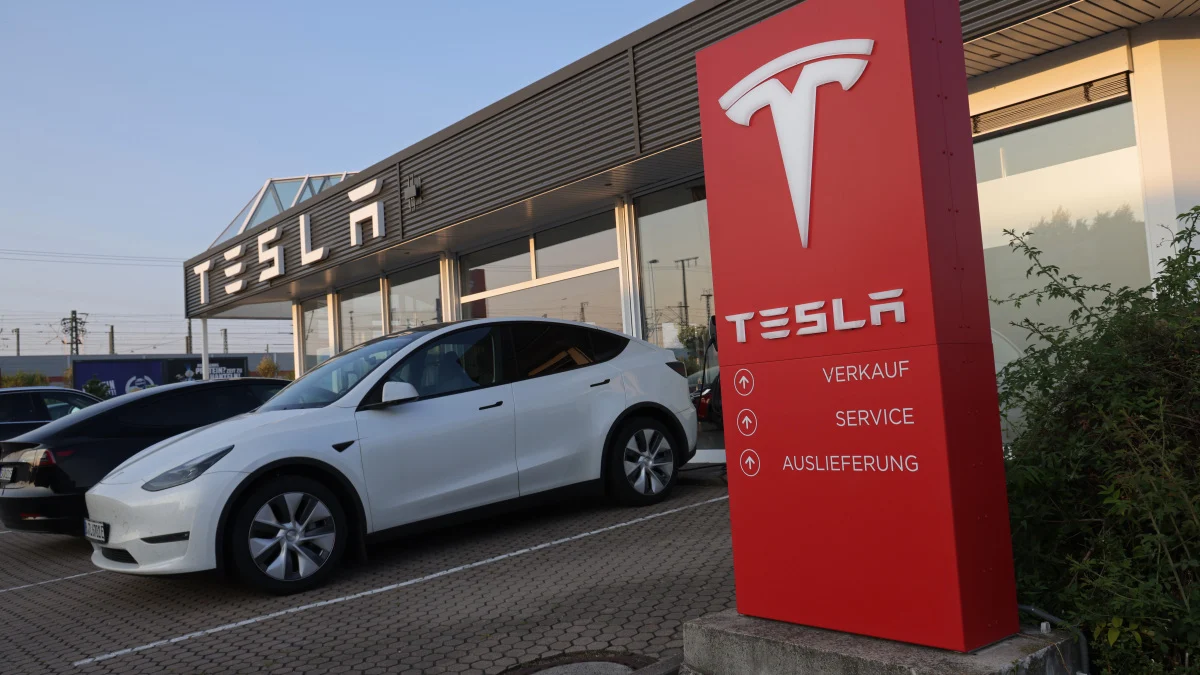
Tesla Issues Recall for 13,000 Model 3 and Y Vehicles: What Young Drivers Need to Know

The Latest Recall: Tesla’s Ongoing Battle with Vehicle Safety

In what might seem like just another chapter in Tesla’s relentless push to dominate the electric vehicle market, reports from the National Highway Traffic Safety Administration (NHTSA) reveal a significant recall impacting over 13,000 Model 3 and Model Y vehicles manufactured between March and August 2025. While Tesla has previously built its reputation on cutting-edge innovation, this recall underscores an unsettling reality—even the most advanced tech vehicles are vulnerable to critical safety issues.

The problem, as detailed by NHTSA, stems from a glitch in the battery pack contactor, caused by a poor coil termination connection. This can lead to an unexpected loss of propulsion, presenting a clear safety concern for drivers and passengers alike. Interestingly, Tesla’s proactive stance—invoking a voluntary recall—demonstrates the company’s awareness of its societal responsibility, despite the fact that such recalls are not legally mandated. They plan to handle repairs by physically replacing the faulty contactors at service centers; a decision that highlights the importance of tangible safety fixes over mere software updates. As Elon Musk’s brand continues to evolve, this move reflects a broader shift: Tesla is increasingly being scrutinized for safety, transparency, and accountability—elements that resonate with a new generation of consumers who value trust as much as innovation.

Blood, Sweat, and Recalls: The Broader Impact on Culture and Consumer Trust

  • Ongoing safety concerns have cast a shadow over Tesla’s reputation, especially with prior issues involving the Cybertruck, such as the accelerator pedal lodging or exterior panels detaching during driving. These recurrent problems could be fueling a culture of skepticism among younger consumers who idolize the brand’s futuristic image but are increasingly wary of its reliability.
  • Influencers like Jonathon Ramsey and tech analysts point to Tesla’s growth as a double-edged sword—innovation coupled with growing scrutiny could define its future trajectory. Meanwhile, social movements emphasizing safety transparency are shaping how brands are held accountable in the digital age.
  • Yet, amidst these setbacks, Tesla’s ability to address issues head-on might be what preserves its cultural impact. For the youth, Tesla isn’t just a car brand; it symbolizes a movement toward sustainable progress and technological mastery. This intersection of societal ideals and product evolution continues to redefine the automotive lifestyle, transforming it from mere transportation to a statement of identity.

The Future of EVs and the Next Big Question

As Tesla navigates its latest safety hurdles, a compelling question emerges for consumers and industry watchers alike: Will these recurring recalls undermine the brand’s revolutionary standing, or will Tesla’s swift and transparent responses bolster its credibility in the long run? In a world increasingly driven by digital trust and social activism, the way Tesla handles these setbacks might determine whether the brand stays at the forefront of innovation or becomes a cautionary tale in corporate responsibility.

While the headlines focus on technical glitches, the bigger story is about our society’s evolving relationship with technology—how much risk are we willing to accept for the promise of a cleaner, more advanced future, and how will our expectations change as these innovations become more deeply embedded in our daily lives? The next chapter remains unwritten, but one thing is clear: the question of trust and safety will be central to defining the cultural landscape of electric vehicles for years to come.

Social Media Auto Publish Powered By : XYZScripts.com