Matox News

Truth Over Trends, always!

Zelensky heads to Saudi Arabia after pitching Ukraine’s drone tech

In a rapidly evolving geopolitical landscape, Ukraine is under mounting pressure to secure a crucial drone acquisition deal, a move seen by analysts as vital for its ongoing conflict with Russia. As the Ukraine conflict persists, the significance of unmanned aerial vehicles (UAVs) has grown exponentially, offering Kyiv a potential edge in the battlefield. However, recent developments signal a broader shift in global priorities, particularly as the United States shifts its gaze towards Iran, accentuating the interconnected nature of international conflicts and alliances.

U.S. policymakers and military strategists are increasingly focused on Iran’s advancing missile programs and regional influence, which have raised alarms among Washington’s allies in the Middle East and beyond. As U.S. Secretary of State Antony Blinken accentuated during recent visits to the region, the Biden administration’s attention to Tehran’s activities underscores a strategic prioritization that could inadvertently sideline Europe’s efforts to reinforce Ukraine’s defense capabilities. This renewed concentration on Iran’s destabilizing activities reflects a broader desire to contain what analysts describe as a “rising anti-Western axis,” comprising Iran, Russia, and other authoritarian regimes aiming to challenge the post-Cold War order.

Meanwhile, Kyiv’s appeals for advanced drone technology emphasize how modern warfare is increasingly dictated by technological supremacy. Ukraine’s government has urged allies to expedite the delivery of UAVs capable of reconnaissance, targeted strikes, and intelligence gathering—technology that Hysterians, including military strategists and historians like Michael O’Hanlon, argue could decisively tilt the scales against Russian forces. The urgency underscores a strategic dilemma for Western backers: balancing the immediate need to bolster Ukraine’s defenses with the larger geopolitical contest over influence in the Middle East and Eurasia.

  • The Biden administration’s shifting priorities signal that U.S. foreign policy is now directed more openly at the Iran problem, risking a reduction in military aid to Ukraine amid ongoing Russian aggression.
  • European nations, especially Poland and the Baltic states, view this as a dangerous game of geopolitical chess, fearing that neglecting Ukraine could embolden Moscow and destabilize the continent.
  • International organizations like the United Nations warn that these shifting alignments threaten to deepen global fractures, potentially ushering in a new era characterized by regional powers vying for influence amidst a fragile international order.

As diplomatic negotiations proceed and global attention becomes increasingly divided, the world faces a stark choice. Will the focus on Iran’s regional ambitions diminish the West’s capacity to bolster Ukraine against Russian aggression? Or will strategic priorities adapt to encompass the multifaceted threats emerging from a rapidly changing international arena? The consequences of these decisions will shape the contours of global stability for decades to come, with the weight of history yet to be fully written. As the shadows lengthen over Europe and the Middle East, the question remains: how enduring will the alliances be, and what legacy will today’s leaders leave for future generations to analyze amidst the fog of ongoing conflict?

Chad Threatens Retaliation After Sudan Drone Attack Kills 17 Mourners

In a decisive move that has sent shockwaves across the heart of Central Africa, President Idris Mahamat Déby has ordered the nation’s military to be on high alert amid increasing regional tensions. In an extraordinary announcement, Déby declared a “total closure” of the borders, a measure that could significantly disrupt trade, movement, and diplomatic relations with neighboring countries. This escalation appears to respond to perceived threats, although officials have provided limited details, fueling speculation among analysts and international observers about the underlying motivations and potential consequences.

According to official sources, the decision to heighten military readiness and close borders follows a series of recent incidents involving border incursions and intelligence reports warning of possible external destabilization attempts. Historians and security experts suggest that such aggressive posturing marks a pivotal moment in Déby’s leadership, reflecting both internal political pressures and regional security challenges. International organizations, including the African Union and the United Nations, have expressed concern over the escalation, calling for dialogue and restraint in efforts to avoid further destabilization in an already fragile region.

The geopolitical impact of this decision extends well beyond Chad. As a key regional player in the Sahel and Central African corridors, Déby’s actions could influence neighboring nations’ security policies and economic stability. Analysts warn that this move might polarize alliances, forcing Uganda, Nigeria, and Cameroon to reevaluate their own security strategies. Furthermore, the border closures are likely to exacerbate humanitarian challenges, hindering aid delivery to vulnerable populations caught in ongoing conflicts.

Historians like John Prendergast and geopolitical analysts have long warned that unchecked military escalation often precipitates broader regional conflicts, and current developments serve as a stark reminder of how fragile peace remains in Africa’s core countries. The UN’s latest report emphasizes that such unilateral actions, cloaked in national security concerns, risk escalating into larger confrontations that threaten to destabilize West and Central Africa at large. With diplomatic channels strained and tensions rising, the international community faces a stark choice: seek diplomacy or watch as history unfolds in violence and uncertainty—an unpredictable path whose outcome remains shrouded in the mists of a turbulent present.

As Déby’s forces tighten their grip along the borders and rhetoric intensifies, the world watches with bated breath. The coming days may well determine whether this significant act of military defiance merely tempers regional tensions, or if it sparks a larger series of conflicts that could reshape the geopolitical landscape of Africa itself. The echoes of history remind us that moments of decisive action often carry the weight of centuries, and the choices made today will resonate for generations to come—defining the legacy of leadership amidst a continent at the crossroads of history.

Iranian security leader Ali Larijani eliminated in drone attack

In a shocking development, state television across the Middle East has confirmed the deaths of a prominent leader and a senior figure, Gholamreza Soleimani. The circumstances surrounding their demise remain shrouded in mystery, yet their passing marks a pivotal moment in the region’s ongoing struggle for influence and stability. This event underscores the delicate balance of power in a geopolitically volatile area, where every shift can trigger ripple effects far beyond national borders.

The deaths come amidst intensified regional tensions and ongoing conflicts involving various domestic and international actors. The loss of such high-profile figures is expected to significantly shape the trajectory of regional diplomacy and security. Analysts suggest that these events may catalyze a renewed wave of instability, as factions within the Middle East recalibrate their strategies in response to this apparent power vacuum. Prominent international organizations, including the United Nations and Middle East Policy Forum, have issued statements urging caution and emphasizing the importance of safeguarding civilian lives amid this turmoil.

The geopolitical impact of these deaths cannot be overstated. Historically, such high-profile losses have often precipitated shifts in alliances and escalation of hostilities. Consulting experts and renowned historians point to previous instances where the sudden removal of key figures led to unpredictable consequences—sometimes paving the way for peace negotiations, but often exacerbating conflicts. The regional power dynamics are now on the brink of upheaval, with nations competing and aligning into new blocs, affected profoundly by decisions made in the coming weeks. How regional leaders respond could shape the prospects for stability or chaos for years to come.

In particular, the death of these figures is expected to impact ongoing negotiations over territorial disputes, economic alliances, and military confrontations. Countries such as Iran and Saudi Arabia are likely to reassess their strategies, possibly leading to a recalibration of policies or retaliatory actions. The U.S. and European Union are closely monitoring developments, aware that any change in the regional balance could influence global markets and international security. As the weight of history presses down upon these fragile nations, the international community faces an uncertain future—one in which control and influence may shift as quickly as the sands in a desert storm.

As history continues to unfold amid the dust of recent upheavals, the world must confront the stark reality that these losses may just be the beginning of a new chapter—one where alliances are tested and chaos threatens to engulf the fragile peace. The passage of these influential figures leaves a void that may define the coming era: a future written in the shifting sands of power, where the margin for error is razor-thin and the stakes could not be higher. The weight of the past, the immediate chaos, and the uncertain future merge to craft a narrative still being written—one that could shape the course of history for generations to come.

European Allies Mobilize to Strengthen Cyprus Defenses After Drone Attacks on British Base

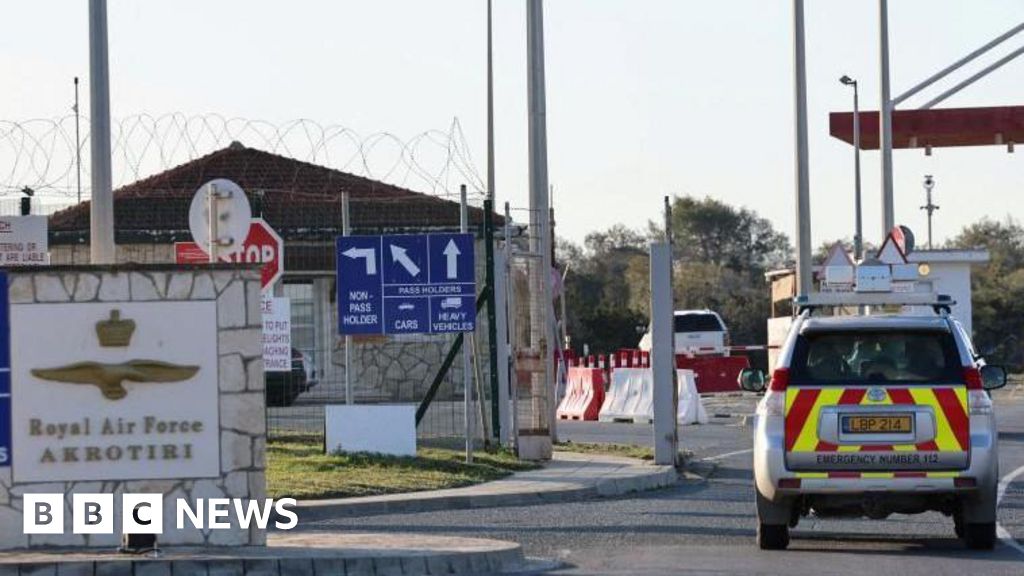
The recent escalation involving Cyprus and the accusations against the Iran-backed group Hezbollah mark a concerning shift in regional stability. The Cypriot government suspects that Hezbollah was responsible for a targeted attack on the United Kingdom’s RAF Akrotiri base, a critical strategic point in the eastern Mediterranean. This incident underscores the increasing reach of Iran-backed factions across the Middle East and their potential to influence international security far beyond their traditional spheres of influence.

As tensions mount, analysts emphasize the geopolitical significance of this development. The RAF Akrotiri base, a key outpost for British and allied operations, plays a pivotal role in overseeing the volatile Middle East and maintaining NATO interests in the region. The suspicion that Hezbollah, influenced by Iran’s regional ambitions, would target such a strategic asset indicates a troubling willingness to challenge Western military presence. Historically, Hezbollah’s involvement in conflicts across Lebanon and Syria has been closely monitored by international intelligence agencies as part of Iran’s broader strategy to counterbalance U.S. and Western influence.

In response, international organizations and regional powers are calling for restraint while carefully analyzing the incidents’ implications. The United Kingdom has condemned the attack, warning of serious repercussions should evidence confirm Hezbollah’s involvement. Meanwhile, the United States and its allies underscore the importance of responding decisively to prevent further destabilization. Many experts, including regional security analysts, believe this event could serve as a catalyst for renewed debates on Iran’s regional strategy and the effectiveness of international sanctions intended to curb its influence. Some warn that failure to address these provocations could embolden terrorist groups and escalate conflicts that threaten not just the eastern Mediterranean but global stability.

Ultimately, the situation remains fluid, with each decision carrying profound consequences for nations and societies. The attack at RAF Akrotiri symbolizes a troubling moment in the ongoing struggle for influence in the Middle East, revealing the fragile balance of power and the potential for small incidents to ignite larger conflicts. As historians and analysts observe from afar, the eyes of the world remain fixed on Cyprus — a seemingly distant but critically significant flashpoint. With every passing moment, the course of history continues to unfold, threatening to reshape alliances and redefine the security landscape in ways yet unseen. The next chapter in this unfolding drama will determine whether diplomacy prevails or if this incident signals a deeper, more dangerous confrontation.

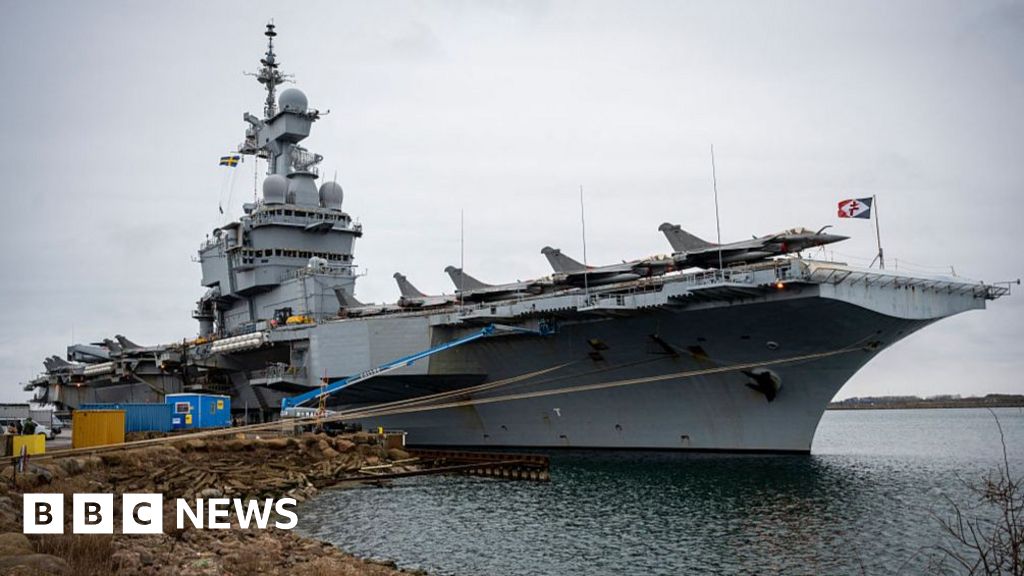
Swedish officials suggest suspected Russian drone targeted French carrier—raises tension in Europe

STOCKHOLM— In a striking display of regional concern, Swedish Prime Minister Ulf Kristersson addressed the nation from the deck of a military carrier, emphasizing the gravity of recent military incidents that have escalated tensions along the Nordic border. In a candid assessment, Kristersson declared the event, which he characterized as serious, to be not entirely unexpected, signaling a brewing storm that threatens to alter the security landscape of Northern Europe.

Kristersson’s remarks highlight a disturbing pattern, as many analysts interpret the incident as part of a broader Russian strategy aimed at projecting power beyond its traditional spheres of influence. “It is very difficult to see as a coincidence,” he remarked, pointing to the persistent tempo of Russian military movements and provocative actions that mirror tactics observed in other regions where Russia has sought to assert dominance. Historically, such behaviors have been a prelude to more aggressive policies, raising alarms both within NATO and among neighboring nations wary of increased Russian assertiveness.

International organizations and security experts have sounded the alarm over these developments. The NATO alliance, already on edge after recent provocations, views these incidents as a potential preamble to further destabilization. According to analysts from the International Crisis Group, “This pattern of behavior signifies a calculated effort by Russia to challenge the existing security order in the region, and while escalations may seem isolated, they are part of a larger strategy of intimidation and influence.” The implications of such actions extend beyond regional borders, threatening the fragile balance of peace and risking a broader confrontation that could ignite across Europe.

Decisions made today echo profoundly on the geopolitical stage. Sweden’s decision to bolster its military readiness signifies a clear shift in policy, aligning with NATO’s efforts to deter Russian expansionism. The analyses of historians like Dr. Eric L. Hanley suggest that these moments could serve as either a reaffirmation of Western resilience or, conversely, a catalyst for renewed conflict if diplomatic channels fail to contain the crisis. Meanwhile, international institutions such as the United Nations have expressed concern but lack the decisive authority to curb such aggressive maneuvers without a unified response from the West.

As the world watches, the unfolding series of provocations and countermeasures signals a pivotal chapter—one that could determine the stability of Europe for generations. The weight of history presses heavily on today’s leaders, whose choices will shape a continent teetering on the edge of a potential new Cold War. The tense silence before the next move is deafening, and the eyes of history remain fixed on the unfolding narrative, where every decision could either forge a new era of peace or plunge the region into chaos, echoing the tumult of the 20th century’s darkest hours.

Democrats criticize US military for shooting down CBP drone at border—are they putting politics over security?

U.S. Border Security and the Flawed Logic of Anti-Drone Operations

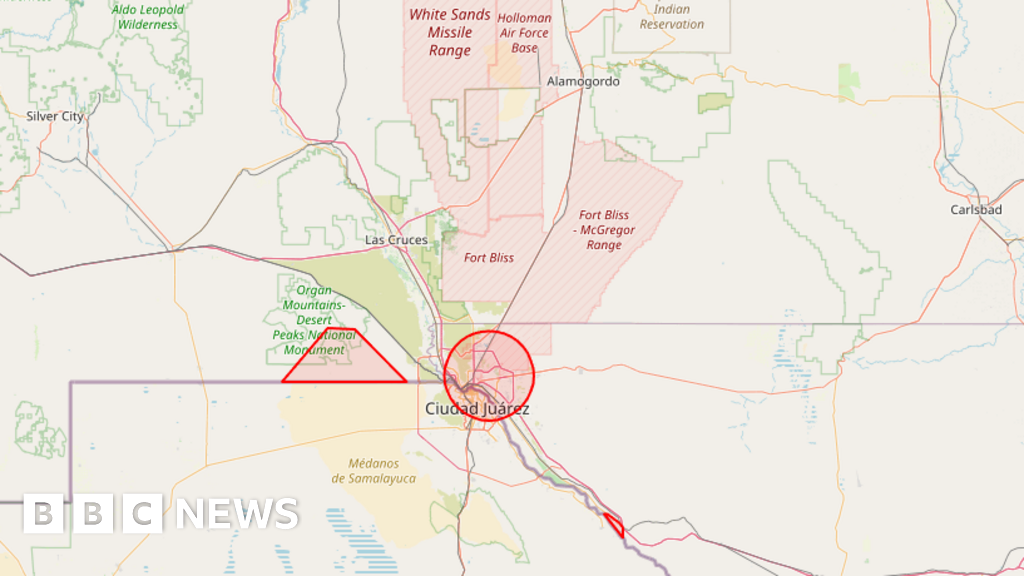
The recent series of incidents along the U.S.-Mexico border reveals a troubling trend in America’s border security and aviation management. With airspace closures, drone misidentification, and intra-agency conflicts, the American federal government appears to be caught in a cycle of chaos and indecision. The latest event involving the U.S. military shooting down a drone presumed to be a threat, only to discover it belonged to U.S. Customs and Border Protection, underscores a misjudged strategy that threatens not just national security, but also public trust. Analysts warn that such reckless operations, powered by improvised high-energy laser deployments, could escalate into larger diplomatic and military miscalculations, especially given the sensitive border region.

The strategic missteps were compounded by inter-agency disagreements—particularly between the Pentagon, the FAA, and CBP—illustrating a fractured command structure. Congressional critics, especially Democratic members like Senators Tammy Duckworth and representatives Rick Larsen and Bennie Thompson, have voiced grave concerns about the lack of coordination and the “incompetence” fueling these border violations. These incidents are a clear reflection of a broader deficiency in strategic planning and oversight, fueling fears of escalation that could create international tensions or even unintended conflicts.

International observers and historians have repeatedly warned about the peril of uncoordinated military actions near contested borders. Such blunders can rapidly spiral into crises, especially in a geopolitically sensitive region like North America. The use of high-energy lasers—a technology still in its infancy—raises questions about its safety and efficacy. The FAA’s call for a comprehensive safety review underscores the technology’s emerging risks, and experts warn that deploying such systems without proper regulation could violate international norms and invite retaliation. This chaos occurs amid a backdrop of ongoing debates about border security, drug trafficking, and migrants—pressing issues that demand prudent, coordinated responses rather than reckless show-of-force tactics.

The U.S. border remains a flashpoint for geopolitical contention, with organized crime, drug cartels, and increased militarization making the region volatile. The incident near Fort Hancock, adjacent to one of the world’s most active smuggling corridors linked to the Sinaloa cartel, demonstrates how missteps in security operations risk fueling violence and destabilization. As international organizations like the United Nations assess the implications of U.S. border policies, history teaches that haphazard military interventions only deepen conflicts and undermine sovereignty. The continuing dispute over the management of drone technology serves as a stark warning: decisions taken in haste today could cast long shadows over future geopolitical stability. In the evolving chessboard of global power, mishandled border security operations threaten to become catalysts for far larger conflicts, echoing historic failures in reckless militarization.

El Paso No-Fly Fail Sparks Broader Drone Security Crisis for America

Broader Implications of Recent U.S. Anti-Drone Innovations Highlighted by El Paso Airspace Incident

The recent airspace closure over El Paso, Texas, has raised significant questions about the trajectory of U.S. nationally critical drone defense technologies. Although the closure lasted only eight hours, the incident underscores a pivotal shift toward energy-based weaponry as the future of short-range air defense systems. The event, initially attributed to potential incursion by Mexican cartel drones, appears now to involve the deployment of laser counter-drone systems supplied by AeroVironment—a company at the forefront of energy weapon innovations.

According to public reports, the defense system used was the LOCUST anti-drone laser, a 20-kilowatt directed energy weapon designed specifically for small drone neutralization. This marks a significant step in disrupting traditional air defense paradigms—moving away from bulky, costly interceptors toward lightweight, energy-efficient lasers. Industry analysts note that these systems have become particularly relevant given the proliferation of inexpensive and accessible drones. As high-powered microwave and laser defenses ramp up, a new era of energy-based warfare is emerging, potentially reshaping how national security responds to non-traditional aerial threats.

Innovation in Anti-Drone Technologies and Industry Disruption

The deployment of the LOCUST system, along with its subsequent acquisition by BlueHalo (a subsidiary of AV Inc.), signals a broader disruptive wave in defense innovation. The shift toward directed-energy weapons aligns with the U.S. Army’s ongoing experiments, such as the recent energy weapon tests aimed at establishing energy-based multi-mission defense capabilities. Such systems promise higher operational readiness, reduced logistics burdens, and faster response times compared to traditional missile-based systems.

  • Key features include portability, reduced cost per shot, and rapid engagement.
  • Recent developments have seen the delivery of multiple LOCUST units to the U.S. Army as part of the AMP-HEL program.
  • Industry leaders emphasize that energy weapons could soon become integral components of integrated air defense architectures.

Experts like Peter Thiel and institutions such as MIT predict that disruption driven by directed-energy systems will redefine battlefield paradigms, placing energy weapons as the preferred method of drone suppression. This technological leap favors agile, scalable defense solutions that could soon render legacy countermeasures obsolete, fundamentally shifting the market landscape and geopolitical dynamics.

The Future: A Race Toward Dominance in Energy-Driven Defense

What makes this shift urgent is the accelerating proliferation of low-cost drones, which can be deployed swiftly and in large numbers. The increasing affordability and accessibility of such hardware threaten to undermine established airspace security protocols, compelling both government and private sectors to prioritize energy-based defense innovations. As defense giants and emerging startups race to develop more sophisticated laser and microwave systems, the geopolitical stakes are higher than ever.

In this context, innovation and disruption are not merely buzzwords—they are the blueprint for national security and economic strength in the 21st century. The El Paso incident highlights that energy weapons, once relegated to science fiction, are now being operationalized at a rapid pace. The question for industry leaders and policymakers is clear: Who will lead this new arms race, and how will global power balances shift in the face of technological superiority? The future belongs to those who recognize that energy-based defense systems are not just an evolution—they are a revolution, demanding swift strategic adaptation to stay ahead of emerging threats.

El Paso airspace shut down sparks chaos — blame balloons or drone threats?

In a move that has sent shockwaves through the regional and international landscape, El Paso‘s airspace was abruptly closed for ten days, a shutdown reportedly triggered by a dispute over drone technology testing conducted by the United States military. This unexpected decision underscores the fragile geopolitical climate in North America and its potential implications for broader security dynamics. Although official sources remain tight-lipped about the specific causes, various intelligence reports and military analysts suggest that the closure was directly linked to advanced drone testing operations—an area where technological escalation intertwines dangerously with sovereignty and security concerns.

The resurgence of drone capabilities has become a focal point of contention between military authorities and regional stakeholders. Critics argue that such testing, especially when conducted near border regions like El Paso, could inadvertently escalate tensions with neighboring nations or destabilize an already volatile security environment. The incident highlights the rapid pace at which technological advancements in military hardware are influencing geopolitical stability. Historians and security experts warn that without clear international protocols, these tests risk fueling an arms race that could destabilize diplomatic efforts and trigger an unintended escalation of conflict.

This closure has far-reaching geopolitical impact. Regional actors—including Mexico and various Latin American nations—are closely monitoring the United States’ military maneuvers, wary of how these tests might affect border security and regional stability. Furthermore, global institutions such as the United Nations have increasingly voiced concern over the reckless deployment of emerging military technology in sensitive zones. The turning point lies in how these technological demonstrations are perceived: as defensive innovations or as acts that could inadvertently trigger a new arms race. The decision to shutter airspace—although temporary—intensifies existing debates about transparency, sovereignty, and the need for international regulations governing drone warfare.

As the dust settles on this dispute, the world’s eyes remain fixed on Washington and its military-industrial complex. Analysts warn that such isolated incidents, if unchecked, herald a new era of confrontational posture. The international community, under increasing pressure from peace advocates and global watchdogs, faces a critical choice: to embrace arms control or risk spiraling into unprecedented levels of technological conflict. History will judge whether this brief closure marks a relic of posturing or the beginning of a broader strategic recalibration. The pages of history continue to turn swiftly, with the next chapter yet unwritten, leaving nations to ponder—are we entering a phase of responsible stewardship or reckless escalation?

Drone attack on UN base in Sudan chaos kills six peacekeepers

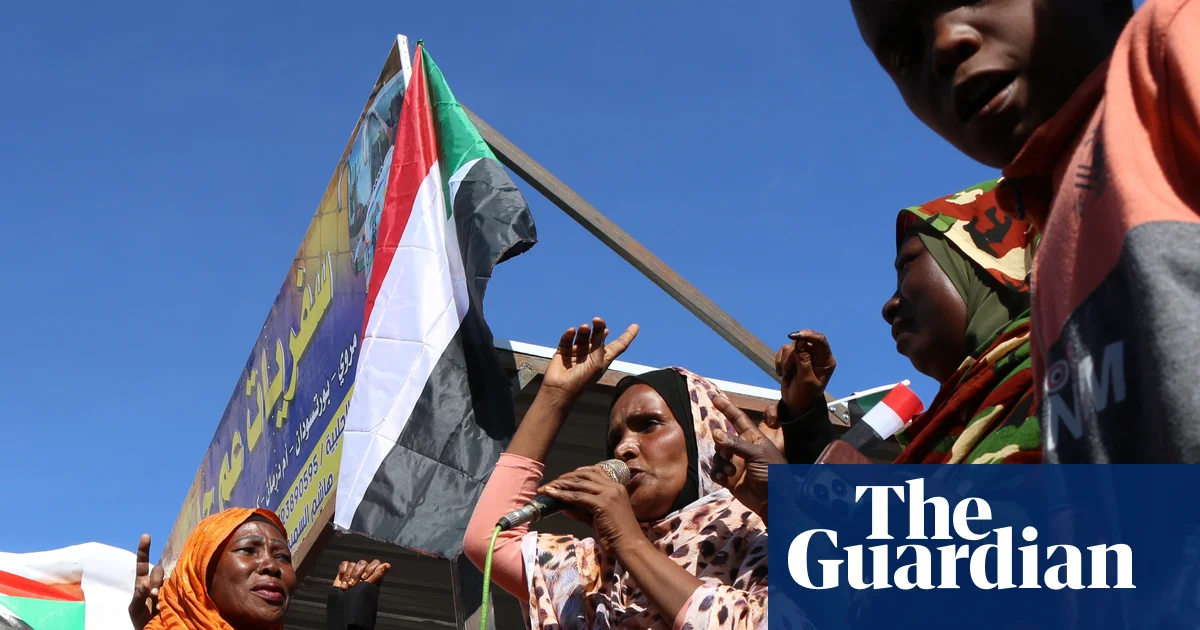
The recent drone strike on Sudan marks a perilous escalation in a country already embroiled in chaos and destruction. The attack targeted a United Nations peacekeeping facility in Kadugli, a strategic city in Kordofan, resulting in the tragic death of six Bangladeshi peacekeepers and the injury of eight others. As UN Secretary-General António Guterres condemned the assault as a war crime, the geopolitical implications reverberate far beyond Sudan’s borders, underscoring the fragility of international peace initiatives and the chaos unleashed when lawlessness gains the upper hand.

These troubling events highlight the complexity of the ongoing civil unrest that has torn Sudan apart since April 2023. The country’s internal conflict, centered between the military and the notorious Rapid Support Forces (RSF), exposes a power struggle that has cascaded into regional instability. The armed conflict has spilled over into Kordofan and Darfur, regions historically troubled by ethnic violence and resource disputes. For experts and analysts, this attack reflects a deliberate attempt by insurgents to destabilize international efforts and challenge the authority of global peacekeepers – a direct threat to the stability of not only Sudan but the wider Horn of Africa.

  • The Sudanese military blamed the RSF for orchestrating the strike, amid claims that rebel factions are increasingly employing asymmetric tactics to undermine peace efforts.
  • The region’s oil resources, especially in Abyei, remain a flashpoint, with the United Nations and regional powers deeply concerned about escalations that threaten to ignite a broader conflict.
  • International organizations, such as the United Nations, warn that these targeted attacks could constitute a breach of international law and war crimes, fueling fears of a descent into full-scale chaos.

The geopolitical impact of this violence is profound. The UN has called for an immediate ceasefire, emphasizing the necessity of an inclusive, Sudanese-led political process to resolve the crisis. Yet, with each escalation, the threat of regional destabilization looms larger. China and Russia have strategic interests in the region, while Western powers seek to contain the spillover of violence into neighboring countries—an enduring struggle that echoes Cold War rivalries. The recent sanctions imposed by UK on RSF commanders, linked to mass killings, illustrate the international community’s attempt to exert pressure, yet these measures may prove insufficient amidst ongoing hostilities.

Historians and analysts warn that the Sudanese tragedy is a pivotal moment in Africa’s emerging security landscape. Experts suggest that the continued resort to violence, particularly against peacekeepers and civilians, signifies a breakdown of state authority and the ascendancy of chaos—an ominous sign for the future of regional stability. As the world watches Sudan teeter on the brink of complete disintegration, the question remains: will international diplomacy succeed in bringing about peace, or will history record this as a turning point toward prolonged conflict?

In the shadow of this unfolding catastrophe, the weight of history presses heavily upon the present. The fate of Sudan, a land rich in history but battered by internal strife, hangs precariously in the balance—a testament to how fragile the veneer of peace can be when lawlessness is permitted to flourish. As global powers maneuver and civilians bear the brunt of these conflicts, the world must confront the harsh truth: the quest for stability is ongoing, and the next chapters remain unwritten. The echoes of higher ideals clash with the brutal realities of war, leaving history to decide whether this moment marks a new dawn for peace or the early shadows of a much darker era to come.

UN Report: Chernobyl Radiation Shield’s Safety Compromised After Drone Strike

Chernobyl’s Shield Fails Under Threat

The International Atomic Energy Agency (IAEA) has issued a stark warning about the deteriorating safety conditions surrounding the Chernobyl nuclear power plant, a site forever etched into the history of human error and environmental catastrophe. Following a drone strike earlier this year—an incident that Kyiv accuses Russia of orchestrating—the iconic containment structure, built as a safeguard over the nuclear reactor in 1986, can no longer fulfill its primary safety function. According to recent IAEA assessments, the massive steel and concrete shelter has sustained damage, losing its confinement capability and raising alarming concerns over potential radioactive release—a scenario with catastrophic geopolitical impact.

Ukraine has long been caught in the crossfire of a wider geopolitical conflict between Russia and Western powers, with Moscow denying involvement in the drone attack. The damage to Chernobyl’s shield underscores the broader dangers posed by ongoing hostilities. While environmental experts like Jim Smith from the University of Portsmouth argue that immediate health risks are low—thanks to the still-intact containment sarcophagus—the significance lies in what this incident suggests about security and stability. The IAEA’s recent safety assessment revealed that, despite some repairs, the outer shell suffered severe damage that could, without immediate intervention, lead to further deterioration of the site’s safety infrastructure.

How Decisions Shape Societies and the Global Balance

The destruction of the Chernobyl shield comes at a critical juncture for Ukraine, as it grapples with ongoing Russian strikes targeting key energy infrastructure, including electrical substations vital for reactor cooling and power distribution. The IAEA’s ongoing inspections highlight the fragile state of nuclear safety amid escalating conflict. For Russia, the assault on Ukraine’s infrastructure signals a strategy designed to weaken Kyiv’s resilience, yet it also inadvertently elevates the risk of a nuclear incident with far-reaching consequences. The international community watches anxiously, as the fate of Chernobyl and Ukraine’s energy security are intertwined with broader geopolitical shifts.

Historian and international relations analysts warn that the decision to strike such a historically sensitive site isn’t merely tactical—it could soften inhibitions around using nuclear power or weapons in future conflicts. As Rafael Grossi, the IAEA director general, emphasizes, timely restoration and reinforcement are essential to thwart further degradation, but the window for effective intervention is narrowing. The damage underscores the dangerous precedent set when wartime hostilities extend into zones once deemed as symbols of disaster and caution. “An attack on a nuclear site is an attack on humanity itself,” warns numerous scientific voices.

Out of the Shadows of History and Into the Present Danger

As the world teeters between stability and chaos, the recent assessment at Chernobyl leaves a haunting message: choices made during moments of crisis ripple through history, affecting generations to come. The steel shell that once contained the radioactive debris, now battered by war, is a stark reminder of the precarious balance between technological safeguards and human folly under the weight of international conflict. The escalating violence in Ukraine, exemplified by Russia’s strike on Kremenchuk and damage to vital infrastructure, signals a disturbing trend where the battlefield extends into the domain of nuclear safety.

Until the balance shifts or a new diplomatic path emerges, the shadows of Chernobyl loom large. The world stands at the precipice, witnessing how decisions in distant corridors of power can ignite a chain of events capable of challenging the very fabric of modern civilization. In this unfolding story of risk and resilience, the true test of international resolve remains—will humanity learn from its past, or will it be dragged into a new era of preventable catastrophe?

Social Media Auto Publish Powered By : XYZScripts.com