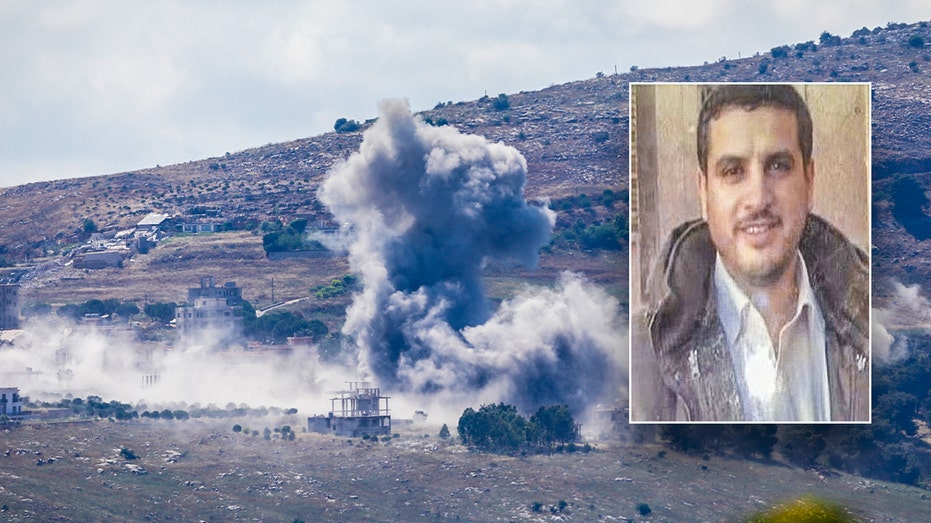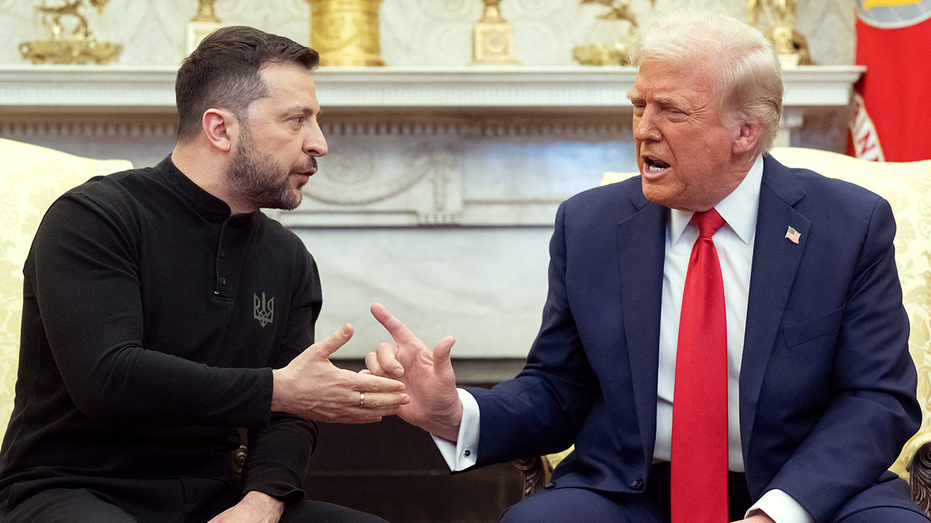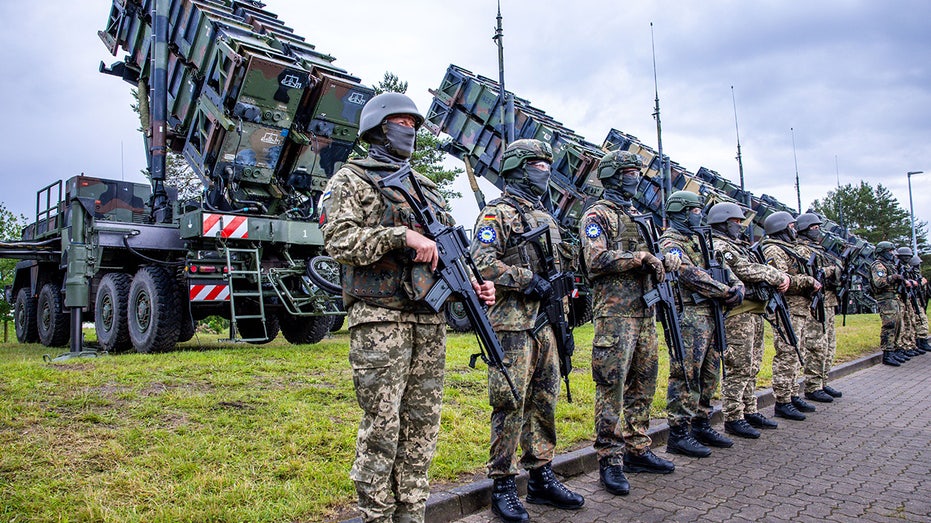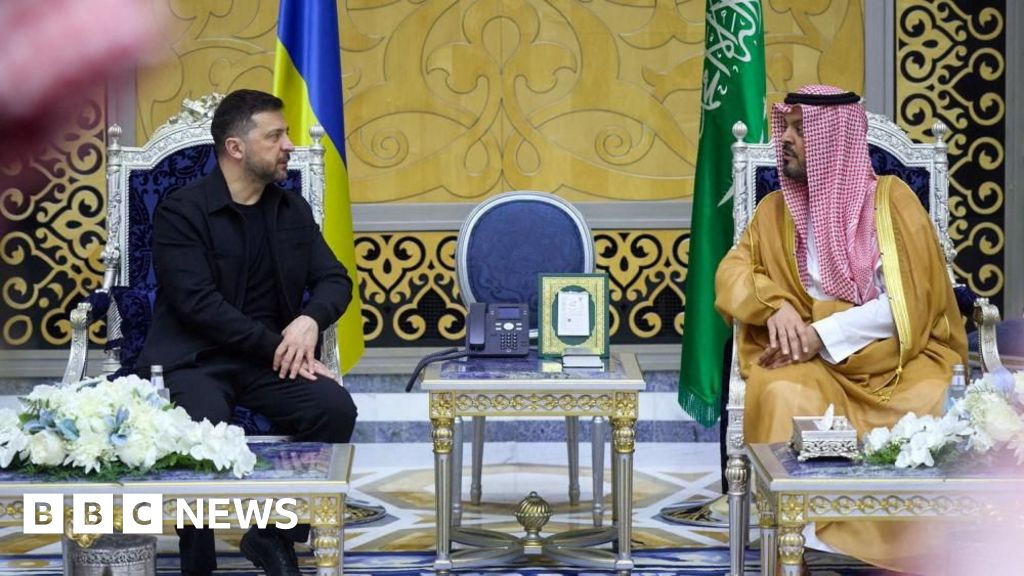
In a rapidly evolving geopolitical landscape, Ukraine is under mounting pressure to secure a crucial drone acquisition deal, a move seen by analysts as vital for its ongoing conflict with Russia. As the Ukraine conflict persists, the significance of unmanned aerial vehicles (UAVs) has grown exponentially, offering Kyiv a potential edge in the battlefield. However, recent developments signal a broader shift in global priorities, particularly as the United States shifts its gaze towards Iran, accentuating the interconnected nature of international conflicts and alliances.
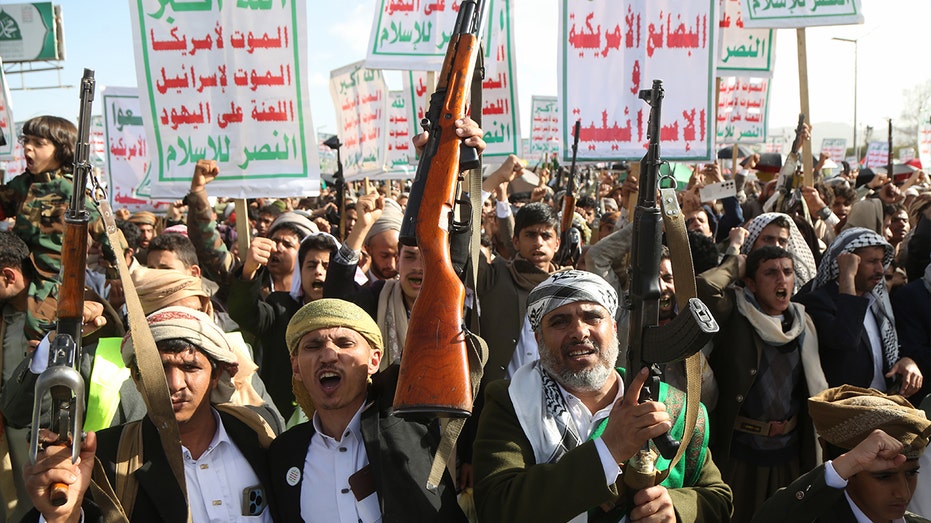
U.S. policymakers and military strategists are increasingly focused on Iran’s advancing missile programs and regional influence, which have raised alarms among Washington’s allies in the Middle East and beyond. As U.S. Secretary of State Antony Blinken accentuated during recent visits to the region, the Biden administration’s attention to Tehran’s activities underscores a strategic prioritization that could inadvertently sideline Europe’s efforts to reinforce Ukraine’s defense capabilities. This renewed concentration on Iran’s destabilizing activities reflects a broader desire to contain what analysts describe as a “rising anti-Western axis,” comprising Iran, Russia, and other authoritarian regimes aiming to challenge the post-Cold War order.
Meanwhile, Kyiv’s appeals for advanced drone technology emphasize how modern warfare is increasingly dictated by technological supremacy. Ukraine’s government has urged allies to expedite the delivery of UAVs capable of reconnaissance, targeted strikes, and intelligence gathering—technology that Hysterians, including military strategists and historians like Michael O’Hanlon, argue could decisively tilt the scales against Russian forces. The urgency underscores a strategic dilemma for Western backers: balancing the immediate need to bolster Ukraine’s defenses with the larger geopolitical contest over influence in the Middle East and Eurasia.
- The Biden administration’s shifting priorities signal that U.S. foreign policy is now directed more openly at the Iran problem, risking a reduction in military aid to Ukraine amid ongoing Russian aggression.
- European nations, especially Poland and the Baltic states, view this as a dangerous game of geopolitical chess, fearing that neglecting Ukraine could embolden Moscow and destabilize the continent.
- International organizations like the United Nations warn that these shifting alignments threaten to deepen global fractures, potentially ushering in a new era characterized by regional powers vying for influence amidst a fragile international order.
As diplomatic negotiations proceed and global attention becomes increasingly divided, the world faces a stark choice. Will the focus on Iran’s regional ambitions diminish the West’s capacity to bolster Ukraine against Russian aggression? Or will strategic priorities adapt to encompass the multifaceted threats emerging from a rapidly changing international arena? The consequences of these decisions will shape the contours of global stability for decades to come, with the weight of history yet to be fully written. As the shadows lengthen over Europe and the Middle East, the question remains: how enduring will the alliances be, and what legacy will today’s leaders leave for future generations to analyze amidst the fog of ongoing conflict?