Matox News

Truth Over Trends, always!

Charges dropped for Georgia teens involved in prank that led to teacher's death
Charges dropped for Georgia teens involved in prank that led to teacher’s death

The recent legal case involving a student prank that resulted in a fatality has captured international attention, highlighting the profound geopolitical impact of domestic judicial proceedings and societal responses. The incident—a tragic misadventure stemming from what was initially believed to be a harmless prank—has now escalated into a larger discussion about legal protocols, youth conduct, and the role of authorities in maintaining societal stability. As countries grapple with crises—both internal and external—the ripple effects of such tragedies extend well beyond local communities, influencing perceptions of justice and governance worldwide.

The family of the teacher involved in the incident has urged prosecutors to drop charges, including one of homicide, arguing that doing so is necessary to prevent a separate tragedy from occurring. This plea underscores a broader debate about how legal systems balance justice with societal harmony. Critics argue that pressing forward with charges might escalate tensions, potentially igniting social unrest. Conversely, many advocates stress that accountability is crucial in upholding the rule of law, especially in an era where youth violence and reckless behavior threaten to destabilize societies. International organizations such as the United Nations have long emphasized that legal transparency fosters social cohesion, but recent events suggest that, in practice, legal outcomes can sometimes deepen societal divides rather than heal them.

Historians and analysts—many of whom have scrutinized similar incidents around the globe—point out that the decisions made in such cases have enduring how nations and societies adapt their moral and legal frameworks. The case’s potential dismissal could be misinterpreted as a signal that youth delinquency is being tolerated, a troubling precedent when considered against the backdrop of rising social unrest in various regions. As international observers warn, these kinds of legal decisions do not occur in isolation but are part of a broader narrative that shapes a nation’s moral compass and influences its geopolitical stance. Countries like Russia and China have demonstrated how tightly controlled justice can be used to maintain social order, contrasting sharply with Western liberal legal ideals. The tension between justice and stability remains a defining feature of global geopolitics today.

As diplomatic analysts examine the unfolding fallout, it is apparent that these incidents serve as microcosms of larger geopolitical struggles. The repercussions of local judicial decisions echo through international corridors, influencing alliances, diplomatic narratives, and even economic stability. The fate of this case might seem confined to a courtroom, but its ramifications ripple outward—shaping perceptions of justice, governance, and societal resilience. In this moment of uncertainty, history is watching, and the weight of the future hangs delicately in the balance. As nations deliberate their next moves, they are reminded that, ultimately, the decisions made today will resonate for generations, shaping the course of history amid the ongoing quest for stability and justice.

Justice prevails as charges dropped against Australian debt collector Panthera Finance

Global Impact of Australia’s Shift in Debt Collection Laws

In a landmark decision, Australia has once again highlighted the delicate balance between consumer protections and corporate oversight, with significant geopolitical reverberations potentially influencing international standards. The recent court case involving Panthera Finance, a prominent debt collection firm, underscores shifting legal interpretations that extend beyond domestic borders. This case, centered on whether Panthera was technically engaged in illicit debt collection practices, marks a pivotal moment in how nations temper regulation with economic competitiveness in a rapidly globalizing financial industry. As legal experts and international organizations analyze the ruling, the core question persists: How do such decisions influence societal perceptions of corporate accountability and state sovereignty?

Legal Nuances and International Ripple Effects

  • The Victorian magistrates’ court dismissed charges against Panthera Finance, citing a narrow interpretation of debt collection statutes that hinge on whom the debt is owed to.
  • Legal counsel for the company argued that their client was in fact the owner of the debts, hence not technically engaging in prohibited collection activities.
  • The ruling raises a significant ambiguity in Australian law—one that many analysts fear could be exploited by other corporations operating across jurisdictions with varying laws.

Most notably, this outcome sparks debate among international legal circles and global economic policymakers. While some experts warn that broadening legal loopholes endangers consumers, others, like certain Australian lawmakers, see the decision as a safeguard against overregulation stifling economic activity. The situation draws parallels with past international legal shifts where corporate interests have challenged regulatory frameworks in pursuit of profit, often at the expense of societal protections. Thinkers such as Professor James Smith of the International Law Institute warn that such legal pragmatism must be balanced with international commitments to consumer rights, especially in a climate where cross-border transactions are becoming the norm.

The Geopolitical Impact and Societal Consequences

This legal outcome exemplifies the broader geopolitical impact of national regulatory philosophies. As Australia navigates its relationship with *international bodies* and trade partners, decisions like these signal a more cautious approach—one that could embolden other nations to relax rules under similar presumptions. Meanwhile, the economic repercussions of such legal shifts can ripple globally, influencing how financial firms operate in diverse regulatory environments. Consequently, societies face increasing pressure to adapt — balancing growth with transparency and making sure vulnerable consumers aren’t left behind in the pursuit of economic freedom.

Indeed, the case exemplifies a phenomenon observed by analysts—how strategic legal interpretations and international policy shifts shape the future of global commerce and societal trust. Governments, international organizations, and corporate players are now locked in a complex dance, where the slightest constitutional or legal nuance can define the trajectory of national and global stability. As historians like Dr. Anna Rodriguez reflect, this moment signals not just a legal victory or defeat, but a step in the larger evolution of how societies will regulate, control, and protect their citizens amidst a pluralistic and interconnected world—a story still being written with each court ruling, treaty, and policy change.

In the unfolding saga of nations striving to find the right balance of power, regulation, and economic liberty, the decision in Melbourne serves as a stark reminder: the true weight of history is carried not just in today’s verdicts, but in the future frameworks they forge — frameworks that will define what kind of world justice and societal harmony can withstand the test of time.

Shipping emissions levy dropped as US influence wins again

Intense Geopolitical Tug-of-War Delays Global Shipping Climate Initiative

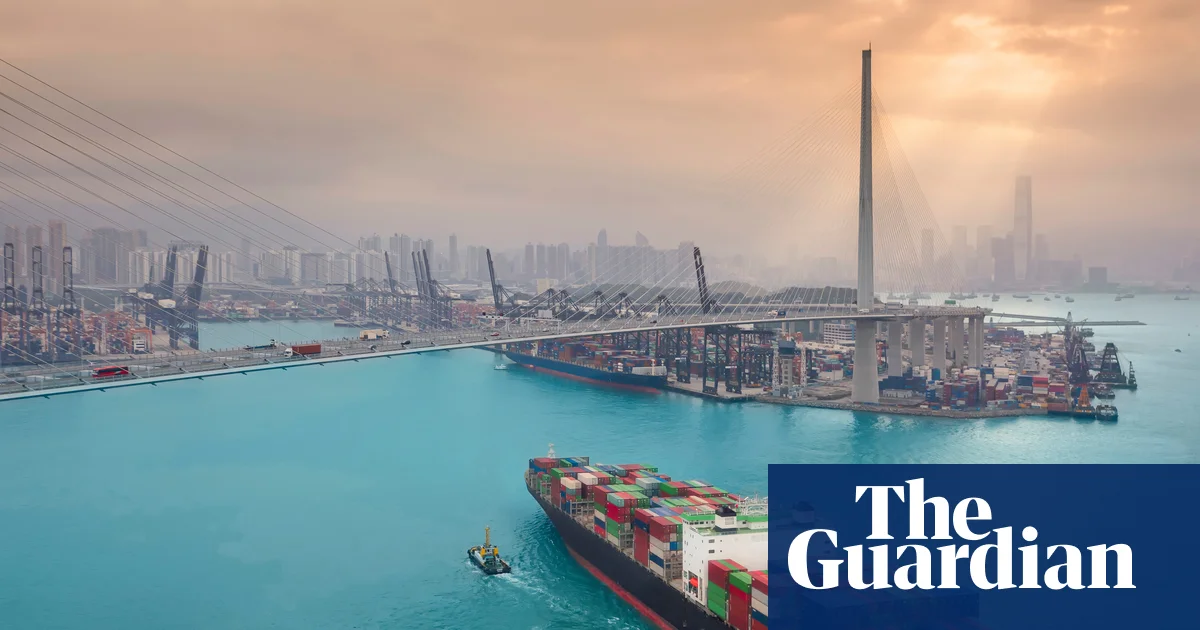
In a dramatic turn at the International Maritime Organization (IMO) headquarters in London, persistent pressure from the United States has effectively thwarted a long-planned effort to introduce a modest but crucial climate damage fee on global shipping. After days of contentious negotiations, a decisive vote resulted in the delay of a proposed emissions pricing mechanism, stalling a significant step forward in worldwide climate governance. This outcome underscores how the geopolitical interests of powerful nations, especially those heavily reliant on fossil fuels, continue to obstruct collective environmental efforts, revealing a stark divide between climate ambition and national self-interest.

Since April, when a majority of IMO member states initially supported the measure, opposition has surged, primarily driven by US lobbying and threats of tariffs, penalties, and visa restrictions. According to analysts, this aggressive stance exemplifies how fossil fuel-dependent states, including Russia and Saudi Arabia, leverage economic and diplomatic pressure to safeguard their carbon-intensive industries. They aim to undermine international consensus, prolonging uncertainty in global maritime trade and delaying tangible climate action. Arsenio Dominguez, the IMO secretary-general, openly criticized the discord, imploring delegates to reflect on their approach, warning that future discussions risk similar fractiousness. This internal chaos diminishes hope for swift reforms, jeopardizing the global shipping sector’s capacity to reduce its roughly 3% share of global greenhouse gases, projected to double by mid-century if left unregulated.

The decision also holds profound geopolitical significance, exemplifying how climate issues are becoming battlegrounds for broader strategic and economic interests. As small developing nations like Vanuatu express frustration at being sidelined—warning of growing climate impacts—the delay symbolizes a shift where the interests of petrostates take precedence over immediate environmental needs. Meanwhile, the prospect of future revenue from the proposed levy, estimated at over $10 billion annually, is concentrated within the shipping industry itself—revenue that many argue will benefit industrial modernization rather than aid vulnerable nations facing climate catastrophe. Such disparities highlight the increasing divide between wealthier, fossil fuel-based economies and poorer nations, which bear the brunt of climate disruptions but lack the means to adapt.

As international organizations and climate analysts interpret this setback, the overarching concern remains clear: the long road ahead for meaningful climate reform. Despite the delay, experts like Dr. Simon Bullock warn that blocking progress only intensifies the climate crisis, further entrenching the influence of fossil fuel interests. The postponement until next year means years of continued emissions, as the intended measures require technical assessment before implementation—possibly pushing real change into the late 2020s. Meanwhile, the upcoming Cop30 UN climate summit in Brazil looms as a critical forum where these unresolved tensions will surface anew, with the world watching how history chooses to unfold in what many see as the decisive decade for climate action. The fate of the planet now teeters under the weight of political power plays, reminding us that the struggle for a sustainable future remains as much a geopolitical battle as an environmental one—where the outcome will shape the course of history for generations to come.

Social Media Auto Publish Powered By : XYZScripts.com