Matox News

Truth Over Trends, always!

HBO’s New Game of Thrones Spin-Off Drops This January—Don’t Miss It!

HBO Unveils ‘A Knight of Seven Kingdoms’: A Game-Changer in Fantasy Adaptations

In a significant move that underscores the evolving landscape of entertainment and technology, HBO announced today at this year’s New York Comic-Con that its upcoming six-episode series, A Knight of Seven Kingdoms, will premiere on January 18th, 2026. Adapted from George R.R. Martin’s Tales of Dunk and Egg novellas—an origin story set decades before the events of A Song of Ice and Fire—the series exemplifies how legacy franchises can be revitalized through new storytelling formats. This strategic move demonstrates the importance of disruption in traditional media, as streaming platforms invest heavily in immersive, serialized fantasy content that leverages cutting-edge tech for deeper viewer engagement.

What makes this announcement particularly noteworthy is the underlying implication for the broader business of entertainment technology. By tapping into exclusive storytelling rooted in a globally recognized franchise, HBO aims to disrupt conventional TV models, emphasizing serialized, narrative-rich content that demands innovation in both production and distribution. This approach aligns with industry insights from Gartner and MIT Media Lab, suggesting that future success hinges on combining technological innovation with compelling narratives to captivate younger audiences increasingly accustomed to interactive and immersive digital experiences.

Technological Innovation and Industry Impact

Beyond just storytelling, the series’ development highlights the integration of advanced visual effects and digital production techniques. This signals a shift toward more sophisticated and cost-effective content creation, driven by breakthroughs in AI-assisted CGI, virtual production sets, and remote collaboration tools. Technological disruption is allowing studios like HBO to produce higher-quality content faster and more affordably, thereby intensifying competition among streaming giants. Such advances are essential for maintaining market relevance in an industry that is fraught with rapid change and innovation.

Furthermore, with the global audience’s shift toward interactive engagement and personalized experiences, industry leaders are exploring how to leverage next-generation streaming technologies, including augmented reality (AR) and virtual reality (VR). These innovations promise to redefine viewer immersion and interactivity, creating entirely new business opportunities and revenue streams. Analysts from PWC emphasize that companies that proactively adopt these emerging tech trends will secure a competitive edge, setting standards rife with disruption and strategic advantage.

Future Outlook: A Race Toward the Next Tech Horizon

Looking ahead, the announcement of A Knight of Seven Kingdoms exemplifies a broader industry trend—legacy properties revitalized through technological innovation that appeal to a new generation of tech-savvy consumers. As Hollywood and Silicon Valley continue to converge, the race to dominate future entertainment markets hinges on disruptive innovation and the ability to craft next-level narratives that integrate seamlessly with emerging digital platforms. Already, voices like Elon Musk and Peter Thiel warn that the most successful companies will be those that invest in technologies transforming content delivery and engagement over the coming decade.

In conclusion, HBO’s strategic pivot toward adaptive storytelling and technological enhancement signals an urgent call for industry players to accelerate their innovation pipelines. The future belongs to the pioneers willing to challenge norms and leverage technology to forge new storytelling paradigms—disrupting not just how stories are told, but fundamentally transforming the entire entertainment ecosystem. As the streaming landscape becomes increasingly competitive, those who lead the charge today will shape the cultural and economic fabric of tomorrow’s digital age.

MoD drops millions on private schools to sideline Welsh language, sparking outrage among youth and society

Society at a Crossroads: The Impact of Language and Military Support on Welsh Communities

In contemporary Wales, social tensions surrounding language preservation and support for military families reveal deeper challenges faced by communities striving to balance cultural identity with societal needs. At the core of this debate is the funding allocated by the Ministry of Defence (MoD) to support service personnel and their children. According to recent figures obtained through the Freedom of Information Act, nearly £1 million is spent annually to send children to private schools in north Wales, primarily because* state schools teach lessons partly or entirely in Welsh. This expenditure highlights how cultural shifts and linguistic priorities influence social and educational decisions, often creating friction between community values and government policy.

Critics argue that this funding, which covers tuition, trips, and transport, merely perpetuates division within diverse communities. Plaid Cymru has labeled it a “complete waste of money” and an “insult to our language,” emphasizing that Welsh should be promoted within public education rather than supplemented through private funding. Conversely, proponents, including the Conservative Party, contend that parents have the right to choose their preferred language of instruction, especially for children of military families who often face frequent relocations. *Such arguments expose the deep social tensions rooted in demographic shifts and differing visions for Welsh identity, where the rights and options for families are often caught between external political influences and local cultural priorities.

The interplay of language and education becomes even more complex when considering the **service personnel who serve across different regions**. The MoD’s Day School Allowance specifically supports families in areas where bilingual or non-English education dominates, offering up to £22,755 annually for tuition in private schools. This policy is rooted in a desire to minimize educational disruption for children who move frequently due to military duties. Yet, it raises questions about the broader societal implications of funding special privileges based on linguistic and regional considerations. Critics argue this approach may inadvertently deepen regional divides, while supporters see it as a humane response to the realities faced by military families.

In contemporary social discourse, leaders like Natasha Asghar and Cefin Campbell MS highlight the importance of respecting the two official languages of Wales. Asghar emphasizes that “parents should always have the option” to choose the language of instruction, advocating for a solution that respects individual rights in a multilingual society. Meanwhile, Campbell decries spending on “preventing young people” from learning Welsh, framing it as an act of cultural insensitivity and a missed opportunity for societal enrichment. These debates illustrate how social issues surrounding language education are fundamentally about the preservation of cultural identity versus the need for inclusive, accessible public services.

Ultimately, the societal challenges in Wales reflect a broader narrative of balancing tradition with modernity, unity with diversity. As the nation navigates these complex issues, one must wonder: will society succeed in fostering a community where cultural pride and individual choice coexist harmoniously, or will these tensions deepen into irreparable divides? Society’s resilience lies not just in policy and funding but in a collective commitment to fostering understanding among its diverse voices—an enduring hope that, despite the noise of controversy, society might yet forge a future where all families find belonging and opportunity amidst the cracks of our social fabric.

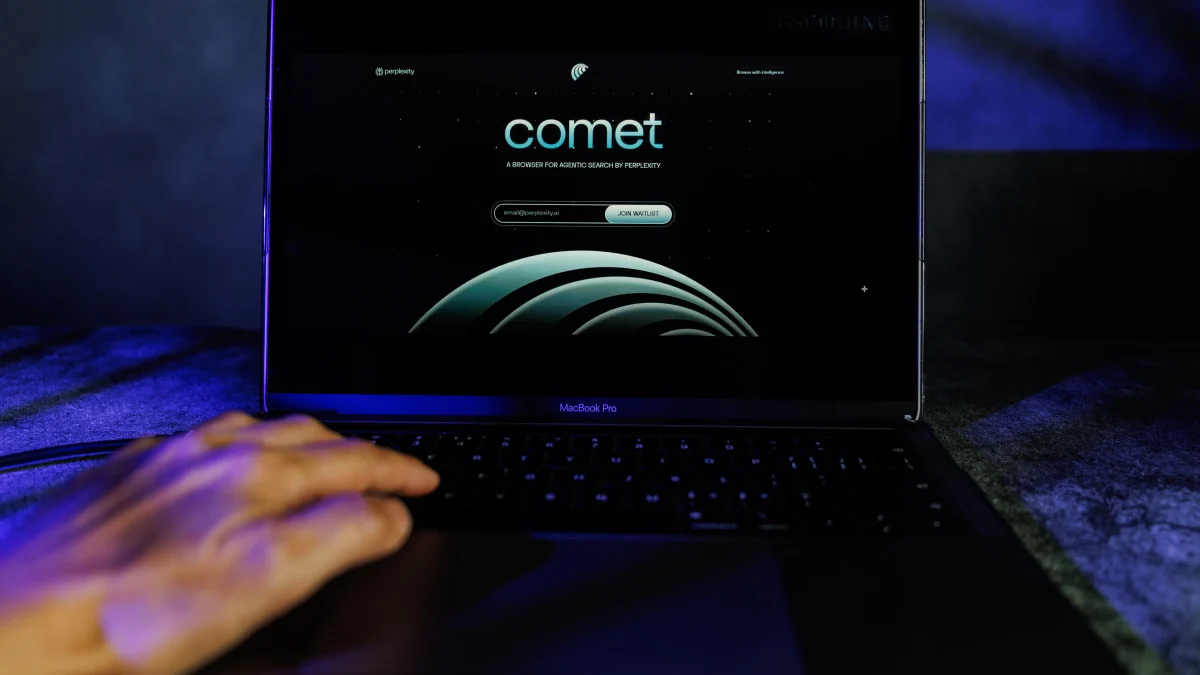
Perplexity Drops Comet AI Browser—Here’s How Young Trendsetters Can Get a First Look

In the rapidly evolving landscape of technology and digital consumption, artificial intelligence continues to disrupt traditional online behaviors, positioning itself as the new cornerstone of innovation. The latest frontrunner in this movement is Perplexity with its recently launched Comet AI web browser, now available freely for desktop users. This development isn’t just a minor software update; it signifies a cultural shift towards mainstream acceptance of AI as an integral part of how we explore and interact with the internet.

When Comet first debuted over the summer, access was limited to invite-only or paid subscriptions, creating a sort of exclusive club for early adopters and tech enthusiasts. However, the recent move to open access for all users reflects a broader industry trend—democratizing AI tools and pushing them into the hands of everyday consumers. This transition could be seen as the start of a new era, where AI becomes a standard feature rather than an emerging novelty. Influencers and digital trend analysts are already heralding Comet as a prime example of how AI-integrated browsing is poised to redefine the way younger generations engage with the internet. As these tools become more user-friendly and accessible, it raises a crucial question: will AI browsers dominate the future of search, supplanting traditional engines like Google, or will they merely supplement our existing search habits?

How Comet Reshapes the Digital Playground

Comet’s standout feature is its seamless integration of an AI assistant directly into the browsing experience. Unlike conventional browsers where users switch between tabs or separate apps, Comet allows users to interact, ask questions, and even perform tasks directly within the browser environment. This built-in AI makes information retrieval faster and more intuitive, aligning perfectly with the tech-savvy, fast-paced lifestyle of today’s youth. According to sociologists studying digital behaviors, this fusion of AI with everyday browsing signifies more than just convenience; it fosters a new form of digital literacy where AI and human interaction become indistinguishable.

  • Efficiency: Instantly get context-aware answers without disrupting your workflow.
  • Customization: Learn user preferences and tailor search results accordingly.
  • Social relevance: Stay ahead on trending topics with real-time AI insights integrated into your browsing sessions.

The societal impact of this shift is profound. As young users increasingly rely on AI-powered tools, a new cultural identity begins to form—one where tech literacy and quick adaptability are highly valued. Influencers within the tech community highlight Comet’s potential to foster a generation of independent digital explorers who do not merely passively consume content but actively shape their online world with AI assistance.

The Broader Implications for Society and Future Trends

While Comet’s free release might seem like just an upgrade in convenience, it underscores an important social milestone. The accessibility of AI tools like Comet signals a future where AI-driven browsing could become the norm across different demographics, not just niche tech circles. Moreover, as these tools continue to rise, they could influence education, workplaces, and even social interactions. Experts like futurists and digital sociologists ask, are we moving toward a future where AI enhances human agency or diminishes it?

What remains to be seen is how this shift will shape our cultural landscape. Will AI browsers foster greater independence and creative freedom, or will they consolidate algorithms that push us toward more homogenized internet consumption? The next big question therefore is not just about technology; it’s about how our society as a whole chooses to integrate and regulate AI. As youth-driven trends push for more accessible, intuitive AI tools like Comet, society must grapple with the social and ethical implications of living in an increasingly AI-enhanced digital world.

Honor Magic 8 Pro drops a new AI button — tech gets smarter for the next-gen user

Honor Launches the Magic 8 Series: Aiming to Disrupt the Premium Smartphone Arena

In a move highlighting ongoing innovation within the competitive premium smartphone segment, Honor has unveiled its flagship Magic 8 series, combining cutting-edge hardware with emerging AI functionalities. The Magic 8 Pro, set to debut initially in China before arriving in Europe, underscores the company’s ambition to challenge industry titans like Apple and Samsung through strategic innovation and disruptive design. Priced at over €1,000 ($1,200), the Magic 8 aims to deliver flagship-level performance with a focus on AI enhancements, camera prowess, and processing power.

Key to its disruptive approach is the phone’s integrated AI button, a feature that signals a shift in how smartphones prioritize user experience through AI-driven functionalities. Honor clarifies that this button is dedicated solely to AI-related tasks, suggesting a future where smartphones become more intuitive and personalized. Coupled with the latest Qualcomm Snapdragon 8 Elite Gen 5 processor—an upgrade also adopted by the upcoming Xiaomi 17 series—the Magic 8 Pro is positioned as a powerhouse built for high-performance AI applications and demanding workflows. Analysts from Gartner project that such hardware integrations will become industry standard, transforming mobile devices into portable supercomputers.

The business implications of this positioning are clear: Honor is not merely offering a smartphone but is disrupting the traditional flagship formula by emphasizing AI innovation and disruption in user interface paradigms. Additionally, new features like Magic Color, an AI-powered tool for dynamically restyling images and videos using different color palettes, exemplify how AI is being woven into core smartphone capabilities. These enhancements not only elevate the user experience but also open avenues for revenue through app ecosystem upgrades, AI-driven services, and possibly subscription models, echoing trends seen in tech giants like Apple and Google.

With plans to introduce a range of models—including the anticipated Magic 8 Ultra and Mini—Honor is betting on sustained innovation to consolidate its position in the high-end mobile space. The upcoming unveiling of the Magic Pad 3 Pro, also powered by the Snapdragon 8 Elite Gen 5, signals an integrated ecosystem push that could redefine consumer expectations for interconnected devices. Industry experts suggest that the rapid rollout of these advanced models may accelerate a broader industry shift towards AI-centric hardware, with firms like MIT and Stanford emphasizing AI’s role as the next major leap in mobile tech evolution.

Looking forward, the competitive edge for Honor and similar disruptors hinges on their ability to leverage disruptive AI applications and hardware innovations to outpace established incumbents. As giants continue to refine their own flagship offerings, the importance of AI-driven features and high-performance chips will only intensify. The coming months could mark a pivotal moment, where tactical innovation and bold business strategies determine the future landscape of premium mobile technology. For tech enthusiasts and industry watchers alike, the race to dominate the AI-powered mobile future has begun—and the speed of innovation is unlikely to slow down anytime soon.

Social Media Auto Publish Powered By : XYZScripts.com