
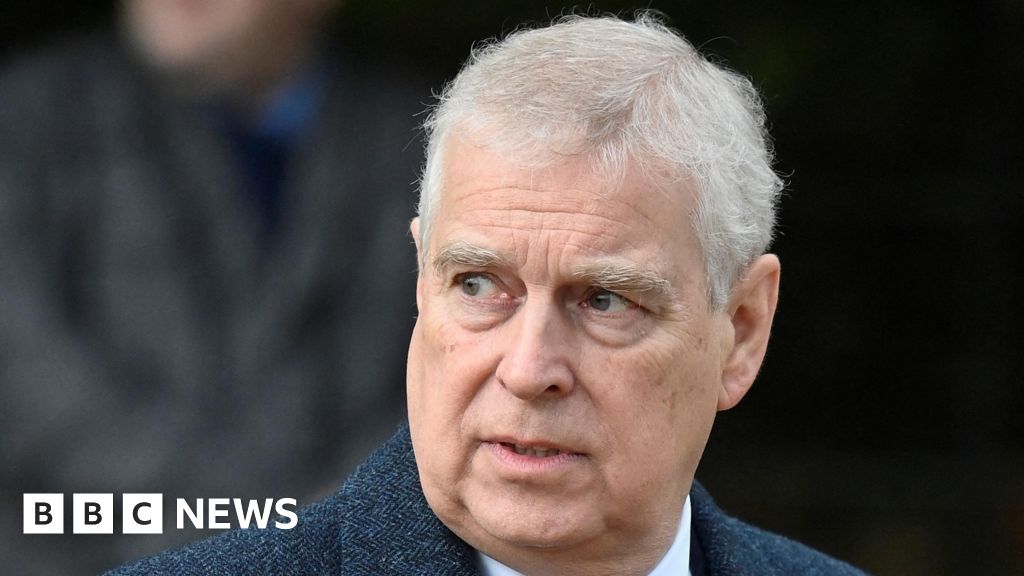

In recent weeks, the British monarchy has endured a turbulent chapter that underscores the enduring significance of cultural tradition as both a reflection and a unifying force within society. Prince Andrew’s decision to relinquish all royal titles, including the Duke of York, amidst persistent scandal and moral scrutiny, echoes a broader narrative of decline and adaptation that has characterized royal institutions across history. While critics may hastily dismiss this as a mere crisis of individual morality, it profoundly illuminates how culture shapes identity and societal cohesion. As Ortega y Gasset observed, societies are not merely collections of individuals but living organisms whose collective spirit sustains its vitality through shared symbols, values, and rituals. The monarchy, historically a custodian of tradition, now finds itself at a crossroads where the erosion of aristocratic privilege confronts a need for renewal rooted in and sustained by cultural continuity.
The controversy surrounding Prince Andrew is not simply a scandal but a lens into the shifting moral landscapes that challenge the authoritarian-prescriptive era of the past. His associations with Jeffrey Epstein and subsequent allegations have dragged into the light uncomfortable truths about privilege, power, and the perils of a world disconnected from the ordinary citizen’s moral compass. As Tocqueville warned, democracy’s strength lies in its capacity to hold institutions accountable, ensuring that a new form of civic virtue replaces aristocratic immunity. The prince’s decision to step down, therefore, is a symbolic gesture—a recognition that the fabric of societal trust must be woven anew, with threads of responsibility, humility, and accountability. This moment reverberates beyond personal failings, calling into question the very nature of authority and the ethical foundations upon which modern societies are built.
Culture, as Chesterton championed, acts as a “moral space”—a repository of memory, a prophecy of hopes. The Royal Family’s evolution in the midst of scandal underscores the vital role of tradition as both a safeguard and a force of renewal. As society’s guardians, cultural icons and institutions must adapt without losing sight of their vital role in shaping collective identity. The monarchy’s present trial reveals that the future of tradition depends on its ability to remain rooted in the moral truths of the past while daring to confront the complexities of today. In this tension between memory and prophecy, culture becomes a dynamic dialogue—an ongoing act of storytelling that sustains the soul of a nation. As T.S. Eliot once said, “The historical sense involves a perception, not only of the pastness of the past, but of its presence.” The history of the monarchy—the continuity through upheaval and moral challenge—serves as a mirror reflecting that the soul of a society is both its memory and its prophecy.
In the final analysis, the narrative is not merely about titles or scandals but about the enduring power of culture to define who we are and who we aspire to be. The royal upheaval signifies more than a personal fall—it symbolizes a society’s relentless quest for authenticity, moral integrity, and rootedness amidst changing tides. Culture remains the language through which a community negotiates its identity, negotiates its ideals, and projects its hopes into the horizon. It is both the memory that sustains us and the prophecy that beckons us forward, a testament to humanity’s eternal dance between memory’s rootedness and prophecy’s ascent—an enduring testament that the heart of civilization beats strongest where history and hope intertwine.





