Matox News

Truth Over Trends, always!

Score Big: Over 10 Must-See Early Black Friday Apple iPad Deals for the Trendsetters

The Rise of Early Black Friday Apple iPad Deals and Their Cultural Significance

As Black Friday approaches, a shift in consumer behavior is underway that reveals much about our evolving social norms and relationship with technology. Traditionally seen as a single, explosive shopping event in late November, the holiday season now kicks off early, with tech giants like Apple leading the charge in offering substantial discounts on their most coveted devices. This phenomenon is more than mere consumerism; it is a reflection of changing social values and the heightened importance of digital connectivity among young Americans. The early bird gets the deal—and for many, that means securing the latest iPad models at prices that highlight an increasingly competitive landscape among major retailers.

Influencers and tech analysts now recognize that these early deals shape a new cultural narrative: the merging of lifestyle enhancement with practical productivity. For instance, brands like Amazon, Best Buy, and Walmart are competing head-to-head, spotlighting not only savings but also the social status that comes with owning cutting-edge Apple gadgets. The iPad Pro, for example, is on sale for up to $200 off, with models like the 13-inch M4 chip variant already chilling at close to its historic low of $1,299. This is significant—especially when considering how such devices are now embedded in our identity as digital natives. The graying line between work and leisure continues to blur as young users embrace tablets not just for entertainment but as essential tools for education, content creation, and social connection.

Beyond the pricing hacks and flash sales, these tech discounts serve as a marker of a broader societal shift—a shift towards prioritizing digital fluency and self-optimization. Sociologists suggest that Early Black Friday deals on tools like the iPad Air and iPad Mini mirror the ambitions of a generation eager to leverage technology to shape their future. Experts observe that this trend emphasizes a collective aspiration for innovation and self-reliance. A prime example: the iPad Air in a vibrant purple or sleek blue, now offered at nearly $50 off, symbolizes not just affordability but a form of lifestyle branding—an emblem of youth empowerment in the digital age. These devices are not mere gadgets; they are *extensions* of our identity and social capitalization.

But here’s the next big question: as these early Black Friday deals become the new norm, are we witnessing a permanent shift in how the younger generations approach consumerism and technology? Will the accumulation of digital tools redefine notions of status, productivity, and community? Influencers and tech futurists are already debating whether this early shopping frenzy signals a predictable evolution or a disturbance in the traditional retail calendar. What remains clear is that the cultural impact of snagging your latest iPad at a discounted rate may be just the beginning—prompting us to ask whether the future of society will be more driven by *early adoption* and *digital identity* than by the conventional rhythms of commerce.

Lisbon funicular crash: Early reports expose numerous safety failures

Lisbon Tragically Reveals Flaws in Infrastructure Oversight

In a harrowing incident that sends shockwaves across the international community, Lisbon’s historic Glória funicular abruptly derailed on 3 September, resulting in the tragic loss of 16 lives and leaving 20 others injured. This tragic event, now under investigation, underscores the dangerous gaps that exist in infrastructure safety oversight worldwide, particularly in aging urban transit systems. The preliminary report released this week exposes a series of critical failures, including the use of untested, non-certified equipment, which have reignited debates about the accountability of public transport management and the importance of rigorous safety standards.

Analysis from industry experts and international organizations highlights that this catastrophe was not merely an accident but a symptom of deeper systemic failings. According to Portugal’s Air and Rail Accident Investigations Bureau, the root cause was a defective underground cable, acting as a counterweight between the funicular’s carriages. Disconcertingly, this cable was acquired in 2022 by Lisbon’s public transport operator Carris without proper certification for passenger transportation, revealing glaring oversight deficiencies. Moreover, the report indicates that the cable had been in use for over 600 days on the historic line without incident, raising questions about the decision-making processes of the authorities entrusted with public safety.

Magnifying this troubling reality, the investigation further exposes lapses in routine oversight, maintenance, and emergency preparedness. The emergency brake system, which could have possibly prevented the full extent of the tragedy, failed to activate properly because it had never been tested beforehand. The Linuxist report hints that multiple layers of safety checks either did not occur or were inadequately executed. Lisbon’s Mayor, Carlos Moedas, has publicly stated the incident “was due to technical causes, not political,” yet critics argue that insufficient oversight and bureaucratic neglect have long plagued the city’s aging infrastructure. These failures illustrate a broader, systemic problem: how governments and local entities often prioritize budget constraints over safety, leaving citizens vulnerable to preventable disasters.

The international ramifications of such failures are profound. As analysts warn, similar urban centers around the globe face the same risk if antiquated infrastructure remains unregulated. The incident in Lisbon serves as a stark cautionary tale—highlighting the importance of updated standards, transparent oversight, and responsible management—core principles championed by institutions like the International Association of Public Transport. Historians of urban development caution that neglecting maintenance and safety protocols can tarnish a city’s legacy and threaten its social fabric. While the full investigation into the Glória funicular accident is expected to take approximately 11 months, the incident has already sparked international calls for stronger safety measures and more accountability in public transportation systems.

As the city grapples with loss and the need for urgent reforms, the weight of history presses heavily on future decisions. Each failure, each avoided crisis, leaves behind a shadow, reminding the world that infrastructure is not merely steel and cables—it is a testament to societal priorities, accountability, and the rule of law. The unfolding story in Lisbon is more than a localized tragedy; it is a defining chapter in the ongoing struggle to safeguard human lives in an era where speed and innovation must never outpace responsibility. Humanity now stands at a critical juncture, where the decisions made today could either build resilient societies or pave the way for future, even more devastating, failures. In this moment of reckoning, the lessons from Lisbon are painfully clear: safety is non-negotiable, and neglect has its price—written in lives lost, and history’s unyielding judgment.

Édouard Philippe Urges Macron to Hold Early Presidential Election for a Stronger Future

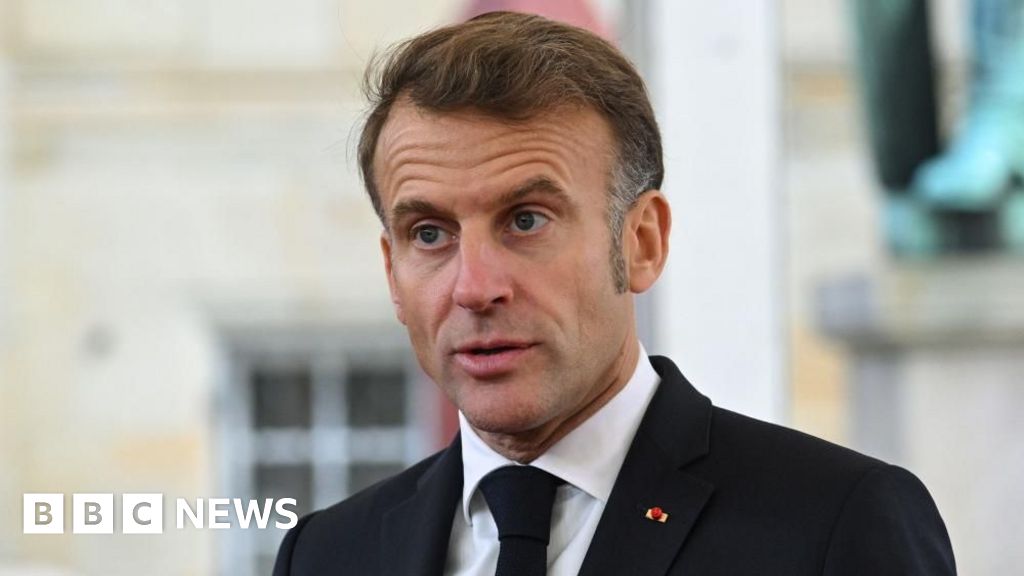
France finds itself embroiled in a phase of profound political instability that threatens not only its domestic stability but also has wider geopolitical implications. Since President Emmanuel Macron assumed office in 2017, France has grappled with mounting economic difficulties, a fractured parliament, and a loss of public confidence. The recent rapid succession of prime ministers—Sébastien Lecornu following Sébaud Lecornu’s resignation—illustrates the depth of the crisis. These upheavals have culminated in calls from within Macron’s circle for a strategic pivot: timing the appointment of a prime minister capable of rallying support for crucial economic reforms and then initiating early presidential elections.

Key political figures, including Macron’s former Prime Minister Édouard Philippe, have controversial opinions about the president’s handling of the crisis. Philippe’s recent remarks emphasize the need for Macron to exercise a pragmatic approach—placing national stability above partisan interests. “It’s up to the president to live up to his mandate,” Philippe asserted, underscoring the critical role Macron must play in resolving the status quo and ensuring a peaceful transition. Meanwhile, rising dissatisfaction within Macron’s own party, Renaissance, exemplifies waning support and growing dissent among his allies. Gabriel Attal, who briefly served as prime minister this year, publicly questioned Macron’s recent decisions—highlighting how internal party fractures are complicating efforts to stabilize governance.

International observers and analysts are warning of the potential fallout from a prolonged political crisis in France. The nation’s economic woes—particularly the soaring public debt projected to reach 5.4% of GDP—have only deepened unrest. Budget deficits, ineffective parliamentary support, and failed reforms have created a perfect storm, destabilizing French society and undermining Paris’s standing on the global stage. As France’s parliamentary majority appears increasingly tenuous, the risk of policy paralysis increases, which could cause ripple effects across European institutions. Critics suggest that without decisive leadership, France might descend into further chaos, with risks of social unrest and diminished influence in EU policy-making.”

Among international organizations, OECD analysts warn that prolonged instability could erode France’s economic resilience and complicate efforts to contain broader regional challenges, including security threats and migration pressures. Historians note that France’s current predicament echoes past crises where weak leadership led to upheaval—such as the fall of the Fourth Republic—serving as a stark warning that internal discord can rapidly escalate into wider instability. As Macron walks alone along the banks of the River Seine, his solitary figure symbolizes a nation at a crossroads—a country where the weight of history and the urgency of now collide, leaving the future shrouded in uncertainty. The question remains: will France’s leaders rally to forge a path forward, or will the mounting chaos plunge it into an irreversible decline? The answer—like history itself—remains unresolved, as time’s relentless tide continues to shape the fate of a nation.

Deloitte doubles down on AI, despite hefty refunds for its early plays

Global Consulting Power Deloitte Embraces AI Innovation with Claude Deployment

In a decisive move reflecting the rapid evolution of enterprise AI, Deloitte announced its nationwide rollout of Claude, an advanced conversational AI developed by Anthropic, to nearly 500,000 employees. This strategic adoption is emblematic of a broader trend where industry leaders seek to harness emerging AI technologies to revolutionize consulting, data analysis, and decision-making processes. The decision underscores a fundamental shift—businesses are increasingly positioning AI as a core competitive weapon, challenging traditional methods and inspiring disruption across sectors.

This deployment follows a momentary setback where Deloitte had to issue a refund for a report contaminated by AI hallucinations—erroneous outputs that undermine trust in emerging AI systems. Such incidents highlight the delicate balance between innovation and reliability, prompting tech giants and industry players alike to carefully navigate robustness and ethical deployment. However, this stumble has not deterred Deloitte; instead, it signals a rallying cry for the broader enterprise sector to refine AI safety protocols and accelerate adoption of more dependable models. As Gartner analysts point out, the AI market’s trajectory is one of aggressive growth, driven by enterprise demand for smarter, faster, and more cost-efficient solutions.

The strategic move to integrate Claude bolsters Deloitte’s position in the competitive consultancy space, positioning the firm at the forefront of tech-driven disruption. By leveraging this sophisticated AI, Deloitte aims to streamline workflows, enhance client insights, and foster innovation—mirroring initiatives led by MIT researchers and Elon Musk’s Neuralink, who emphasize AI’s transformative potential if harnessed responsibly. The integration signals an industry awakening to the disruptive power of AI not solely for automation but also for generating strategic value, a necessity in an increasingly complex market environment. Evidence suggests that early adopters of such groundbreaking AI solutions will secure a significant strategic advantage, while laggards risk obsolescence.

The business implications of this AI adoption are profound, with market analysts forecasting a wave of new AI-centric service offerings, product innovations, and operational efficiencies. As Peter Thiel advocates, the future belongs to those who leverage AI to reshape industries from healthcare to finance. The key question now is how fast traditional sectors will adapt, and whether the current regulatory landscape can keep pace with accelerating technological innovation. With Deloitte leading by example, the message to the global enterprise community is clear: the future belongs to the agile, the innovative, and those willing to disrupt the status quo.

As the industry forges ahead, the urgency for businesses to adopt a proactive stance on AI cannot be overstated. Disruption is inevitable, and only the swift will thrive in this new era of technological dominance. The Claude rollout marks a pivotal moment—not just for Deloitte but for the entire ecosystem aiming to leverage AI for strategic dominance. The question remains: will industry leaders rise to the challenge or fall behind in the wake of an AI-driven revolution that promises to redefine the very fabric of business today and into the future?

Top chargers dropping early — get ready before Prime Day hits!

Harnessing Portable Power: The Future of Mobile Energy Solutions Dominates Tech Discourse

In an era where technological disruption is reshaping how we connect, work, and play, portable power innovations are taking center stage. Industry leaders like Anker and Jackery continue to push the boundaries of mobility, positioning themselves not just as accessory providers but as pivotal players in the burgeoning portable energy market. These advancements could redefine the interface between consumers and technology, emphasizing innovation, convenience, and resilience.

The recent launch of Anker’s 633 Magnetic Battery exemplifies how companies are integrating disruptive features into compact form factors. This MagSafe-compatible charger combines high efficiency with user-centric features such as an integrated kickstand and multiple charging modes—wireless at 7.5W or through its USB-C port at 20W. Its support for passthrough charging and dual-port options profoundly impacts on-the-go energy management. While gadget users have long perhaps accepted the constraints of power limitations, innovations like this shift the paradigm, enabling a seamless, always-connected experience. With a capacity of 10,000mAh, enough to power most smartphones, it underscores a market trend toward more energy delivery in smaller packages.

On the industrial front, the emergence of dedicated portable power stations such as Jackery’s Explorer 1000 V2 signals a shift toward *off-grid sustainability*. Its design—notably three AC outlets, multiple USB ports, and an impressive 1,070Wh capacity—positions it as an essential device for outdoor adventurers, emergency preparedness, and remote work settings. Early October Prime Day deals, which cut its price to under $430, reflect strategic pricing aimed at capturing a segment eager for reliable, high-capacity power on demand. Given that Jackery claims its batteries retain about 70% of their capacity after 4,000 cycles, the platform’s longevity makes it a disruptive force in traditional power storage industries. Companies that pivot quickly to incorporate these mobile solutions could capture unprecedented market share, especially as remote work and outdoor activities accelerate globally.

The business implications are equally dynamic, with innovations driving a new competitive landscape. Analysts such as Gartner forecast that portable power devices will grow at a compound annual rate exceeding 20% in the coming years, driven by shifting consumer expectations and the relentless rise of mobile lifestyles. Tech giants and startups alike are investing heavily in R&D—integrating AI for smarter power management, developing lighter yet more durable battery chemistries, and exploring hybrid systems that combine solar with conventional energy sources. This wave of disruption not only threatens established utilities but also paves the way for new ecosystems of integrated, sustainable energy solutions. Firms that prioritize interoperability, durability, and rapid charging will dominate emerging markets, fundamentally altering how we think about energy independence.

Looking ahead, the pace of innovation suggests a tech landscape increasingly defined by lightweight, high-capacity, and eco-friendly portability. The convergence of AI, IoT, and battery technology heralds a future where **portable energy devices** are not just tools but strategic assets—enabling everything from autonomous remote operations to emergency disaster response. As industry pioneers like Elon Musk and Peter Thiel emphasize, maintaining a sense of urgency and anticipating breakthrough shifts will be crucial for stakeholders aiming to lead this dynamic sector. In the coming decade, the race to dominate portable power markets will likely determine the next wave of technological sovereignty, with those embracing innovation at its core poised to define the future of mobility and resilience.

Social Media Auto Publish Powered By : XYZScripts.com