Matox News

Truth Over Trends, always!

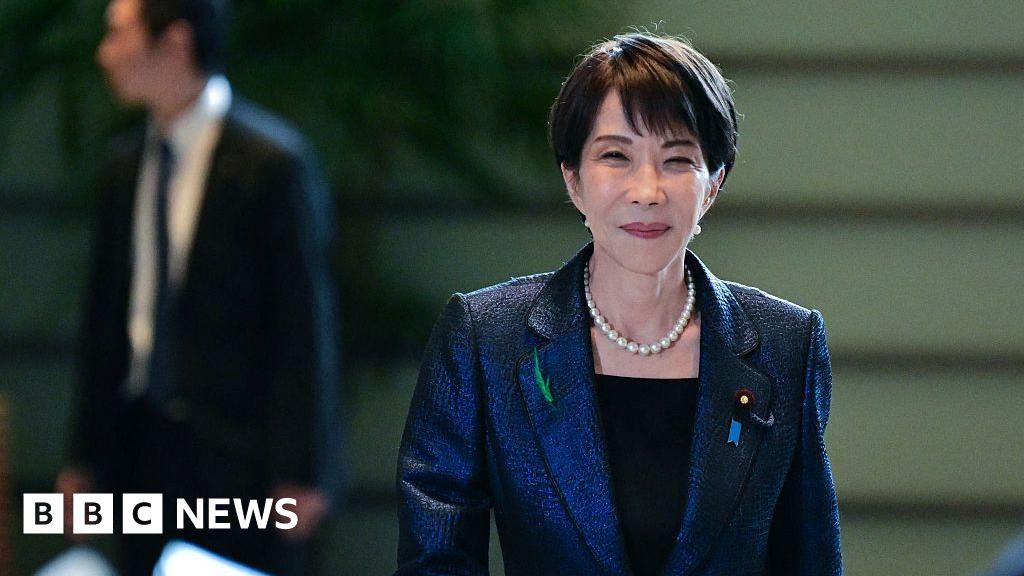
Japan eases arms export limits, shifting away from post-WW2 pacifist stance

In a significant shift poised to reshape global military dynamics, Japan has cleared the way for the export of weapons to more than a dozen countries. This development marks a decisive departure from Japan’s post-World War II pacifist stance, which historically emphasized non-aggression and limited military engagement. The recent policy change, formalized through domestic legislative adjustments, enables Japan to proactively sell defense equipment and technology, thereby positioning itself as an emerging player in international arms markets.

Experts and analysts from across the geopolitical spectrum recognize this move as a clear indicator of Tokyo’s rising ambitions and strategic recalibration. According to senior officials at the International Institute for Strategic Studies (IISS), this shift could significantly enhance Japan’s influence in regional security architectures, particularly within the Indo-Pacific corridor—a zone increasingly contested by greater powers. By expanding its arms exports, Japan aims to bolster alliances with partner nations, secure lucrative markets, and assert its own defense industry on the world stage. However, critics argue that such actions carry risks, including escalation of regional conflicts and complicating diplomatic relations with nations wary of Japan’s rearmament.

This decision also holds profound geopolitical impact on neighboring superpowers and global institutions. Beijing and Moscow have voiced cautious concern, viewing Japan’s rearmament as a potential threat to regional stability. Meanwhile, Washington has welcomed Japan’s expanded defense role as a means to balance China’s growing influence and to strengthen the collective security framework of the Quad alliance, which includes the United States, India, and Australia. The U.S. State Department has publicly underscored Japan’s right to self-defense, framing this move as a vital component of the Indo-Pacific’s strategic fabric.

Historical and policy analysts underline that Japan’s pivot towards active arms exports reflects a broader global pattern where nations are recalibrating their military strategies amid ongoing conflicts and geopolitical upheavals. Historian Dr. Lucas Ardley notes, “This shift is emblematic of a larger trend: nations once wary of militarization are now rediscovering the importance of strategic autonomy and technology sovereignty.”

Key implications include:
  • Enhancement of Japan’s defense industry and technological innovation trajectory
  • Potential proliferation of weapons technology into fragile regions
  • Reconfiguration of regional power balances and alliances
  • Increased pressure on international diplomatic efforts to control arms escalation

As Japan embarks on this new chapter, the world must reckon with the profound implications of a pacifist nation rearming itself in an era marked by regional flashpoints and geopolitical uncertainty. The historic decision fuels a narrative of national sovereignty asserting itself against a backdrop of global instability, underscoring that history is always moving forward, often unpredictably. For many, the question remains: can Japan navigate this new trajectory without igniting a broader arms race, or will it simply mark the beginning of a new era of militarized diplomacy? Only time will tell, yet the weight of history continues to press heavily upon the unfolding future.
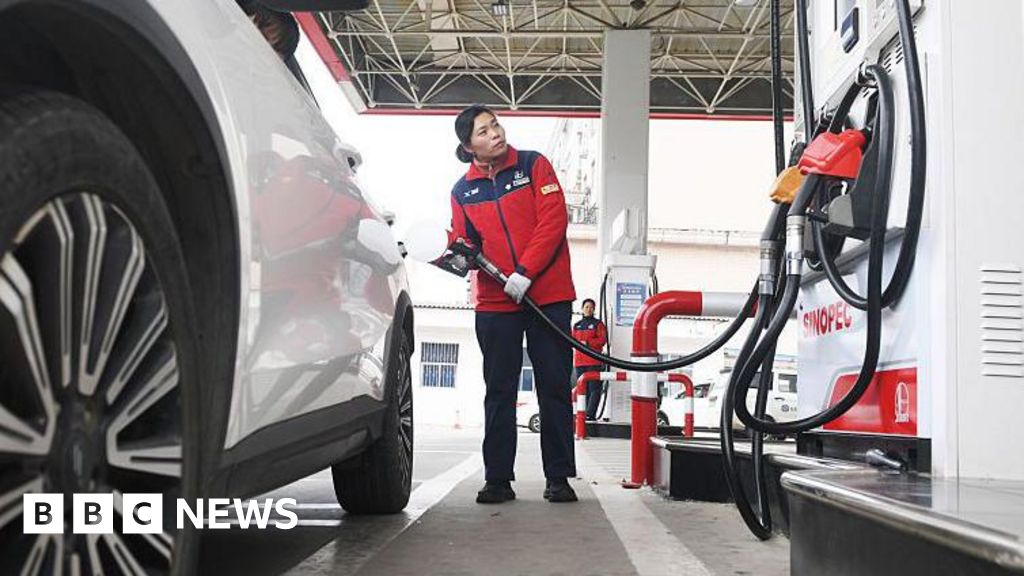
China eases fuel price hikes to lighten drivers’ load

Global Tensions Rise as Countries Confront Soaring Fuel Prices

In the midst of escalating global energy prices, nations worldwide find themselves at a critical juncture, grappling with economic stability and geopolitical stability. Fuel costs have surged dramatically, driven by a complex mix of international supply chain disruptions, geopolitical tensions, and shifts in global energy markets. As a result, many governments are implementing a variety of measures—ranging from domestic policy adjustments to strategic diplomatic maneuvers—in an effort to shield their populations from the economic fallout. This volatile environment underscores the fragile interconnectedness of global economies and signals a potential redefinition of geopolitical alliances.

Across the European Union, many member states are under mounting pressure to support their energy sectors amidst these turbulent prices. Some have accelerated plans to diversify away from Russian energy, while others face internal discord over subsidy schemes and strategic reserves. The crisis has reignited debates among analysts about the sustainability of current energy dependencies. The United States has responded with strategic petroleum reserves release and increased domestic oil production, aiming to stabilize its market. Yet, experts warn that these measures are only temporary fixes in a broader struggle for energy sovereignty. The International Energy Agency (IEA) has issued a stark warning: without significant structural reforms and diversification, global economies could face prolonged economic pain, especially in energy-dependent sectors.

Meanwhile, Russia and OPEC-aligned nations hold a pivotal influence on global supplies, and their decisions continue to ripple across markets. The recent decision by OPEC+ to modestly cut production quotas has triggered renewed fears of supply shortages, exacerbating inflationary pressures around the world. Leading geopolitical analysts underline that such moves are less about market economics and more about signaling power struggles amid shifting alliances. These developments risk inflaming tensions with Western powers, which view the cuts as a strategic attempt to leverage energy resources for geopolitical advantage. The repercussions of these actions are felt not only in stock exchanges and energy markets but also in the diplomatic corridors of major capitals, as debates intensify over energy independence and security.

The geopolitical shift is not merely an economic issue but also a profound societal challenge. Countries are forced to make difficult choices—cutting subsidies, rationing fuel, or seeking new alliances—to cope with the crisis. These measures carry long-term consequences, potentially reshaping regional power dynamics and internal political stability. Historians and geopolitical analysts warn that this turbulence could accelerate the decline of certain traditional energy-dependent alliances and herald the rise of new blocs committed to energy sovereignty. The International Crisis Group emphasizes that failure to address these core issues could lead to instability, unrest, and even conflicts over resources. As nations scramble to secure their futures, the global stage seems poised for an uncertain transformation, where the decisions made today could echo through history.

The ongoing saga of energy geopolitics is a stark reminder that history continues to be written in moments of crisis. The decisions taken now—whether to push for independence from unreliable suppliers, bolster domestic industries, or reshape international treaties—will determine the course of the future. The world watches as powers assert their influence amidst rapidly changing circumstances, and the weight of their choices hangs heavy in the balance. As the geopolitical landscape shifts once again, humanity must confront the daunting realities of a new energy era—one where the echoes of these decisions will resonate long into the future, shaping the course of history on a scale unprecedented in recent memory.

Middle East Tensions: Trump Signals De-escalation as US Eases Iran Oil Sanctions; Israel Strikes Back

Middle East Tensions Escalate as Regional Power Dynamics Shift

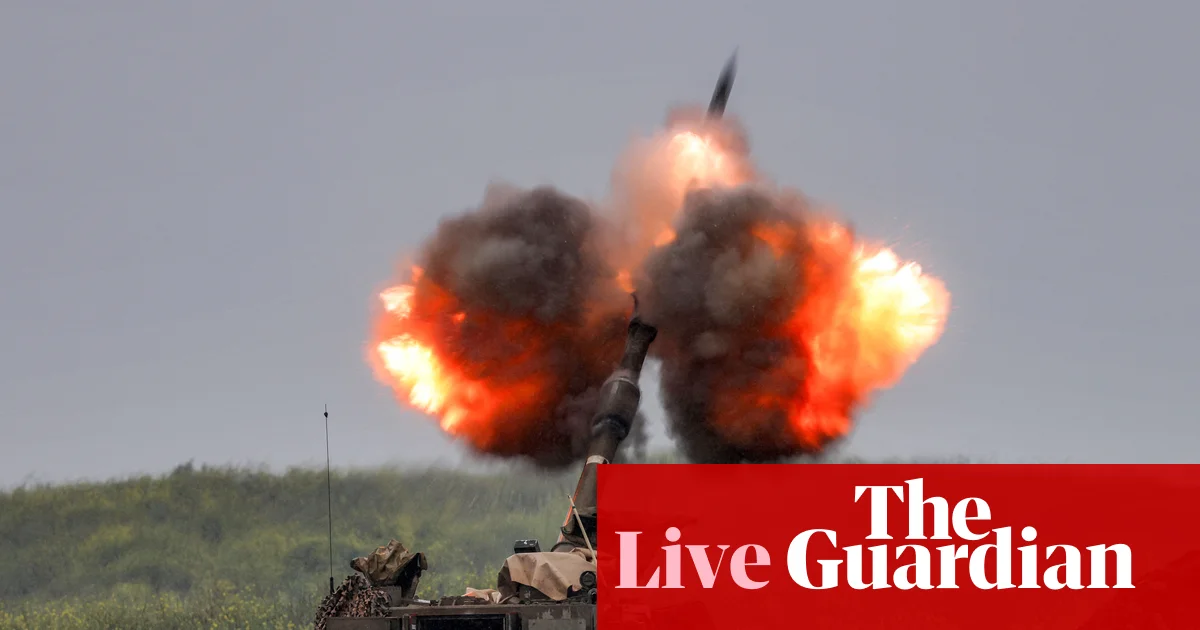
In a rapidly unfolding geopolitical crisis, Saudi Arabia has publicly condemned Israel‘s military strikes on Syrian military camps, branding them as “aggression” and calling upon the international community for urgent intervention. These developments point to a dangerous escalation in a region already teetering on the brink of prolonged conflict. As Turkey joins in decrying the attacks as “a dangerous escalation,” the stakes for regional stability and global security remain critically high, with key players entangled in a web of sectarian tensions, military moves, and diplomatic fissures.

Israel’s military has justified its recent strikes in southern Syria as a response to hostile activities against the Druze community in Sweida province, promising to continue operations aimed at protecting minority groups. Yet, this approach only deepens regional instability, provoking outrage from neighboring nations. Syria, meanwhile, has condemned the Israeli intervention as a blatant violation of sovereignty, framing it as “flimsy pretexts and fabricated excuses.” These rhetoric exchanges highlight the fragile state of Middle Eastern diplomacy, where war and mitigation remain perilously intertwined. Historians warn that such military confrontations risk re-igniting long-standing sectarian and territorial disputes, with profound repercussions for international law and sovereignty norms.

Meanwhile, the broader geopolitical landscape intensifies with Iran’s pursuit of retaliatory military actions and diplomatic maneuvers. Iran’s Supreme Leader, Mojtaba Khamenei, stated that Tehran has inflicted a “dizzying blow” on its enemies, prompting Israel to retaliate with strikes against “regime targets” in Tehran early Saturday. Iran’s recent launches of drone and missile attacks towards Saudi Arabia and Israel mark a worrying escalation in the region’s proxy conflicts. The threatened global repercussions are already palpable, as the US considers winding down its military engagement in the Middle East, a move announced by President Donald Trump. This shift raises questions about the trajectory of international influence—whether a true de-escalation or merely a pause before darker days ahead.

The nuclear ambitions and missile capabilities of Iran continue to pose significant threats to maritime trade routes, notably the Strait of Hormuz. Iran has reportedly helped Japan secure vital shipping lanes, emphasizing its strategic importance in global energy markets. Concurrently, Iran’s firing of ballistic missiles at Diego Garcia, a key US-UK military installation in the Indian Ocean, indicates Tehran’s willingness to project power far beyond the Middle East. Such acts compound international fears of a wider conflagration involving great powers and their allies, further destabilizing an already volatile region. These developments, observed keenly by analysts like those at the UN Security Council and geopolitical think tanks, underscore how decisions made on the ground ripple outward, threatening global economic stability and peace.

As the Middle East’s chaos unfolds amid accusations of “flagrant violations” and threats from Iran’s military spokesperson against “recreational and tourist sites” worldwide, history warns of a cycle of violence with devastating consequences. The region’s most powerful nations face a pivotal moment: either defuse tensions through genuine diplomacy or plunge into a protracted conflict whose echoes will unfold across decades. The unfolding story is a stark reminder that in a world of interconnected nations, every military strike, diplomatic rebuff, or policy shift carries the weight of history’s judgment—an enduring testament to the perilous dance of power, faith, and destiny.

Social Media Auto Publish Powered By : XYZScripts.com



