Matox News

Truth Over Trends, always!

NASA captures first images of earthset and solar eclipse during moon flyby, highlighting innovative space exploration for the next generation

As humanity continues to peer into the cosmos, our perspective of Earth evolves in tandem with shifting geopolitical realities. The images of the iconic ‘Earthrise’ and the recent solar eclipse, captured by astronauts, serve as profound reminders of our planet’s fragile unity amidst a rapidly changing international landscape. These celestial phenomena symbolize not only the beauty of our world but also the pressing need for cooperative stewardship in an era marked by tension, competition, and transformative upheavals.

In recent months, global powers have been embroiled in a series of strategic moves that will undoubtedly shape the future of international relations. The U.S. and China, two dominant forces, have engaged in a high-stakes game of diplomacy and rivalry. As the world’s premier superpowers, their decisions reverberate through every continent, influencing economies, security assertions, and technological advancements. Analysts from the International Institute of Strategic Studies warn that this intense rivalry risks fragmenting global alliances, potentially leading to a new Cold War, unless diplomatic channels are prioritized. Simultaneously, the European Union seeks to assert its sovereignty, forging new trade agreements and reinforcing its position as a diplomatic mediator amid an unsettled world.

Meanwhile, forces such as Russia and regional powers are recalibrating their ambitions, shifting alliances, and embedding themselves into global conflicts that threaten to escalate. Notably, the renewed conflict in Ukraine exemplifies how regional disputes are becoming entangled in broader ideological and strategic contestations. The United Nations and other international bodies face increasing skepticism as their capacity to foster peace and stability is tested anew. Some experts argue that we stand at a historic crossroads — a moment where choices made by globally influential actors could either steer humanity toward greater cooperation or plunge it into prolonged chaos.

Notably, recent cosmological events like the ‘Earthrise’ view and the solar eclipse serve as metaphors for this pivotal juncture. These phenomena remind us that our planet operates within a delicate balance, much like the complex web of international relations. As the world witnesses the universe’s grandeur, nations are urged to reflect on the significance of unity and foresight. The decisions taken today—whether in geopolitical arenas or space exploration—carry profound geopolitical impact. These choices influence how societies evolve, how conflicts are managed, and how future generations will perceive the legacy of this moment in history.

As international analysts and historians continue to document these events, the overarching narrative remains clear: the world is not simply watching history unfold but actively shaping it in real time. The cosmic imagery reminds us that amid terrestrial chaos, the universe’s vastness offers a sobering perspective—one that underscores our shared destiny on this tiny blue planet. With each eclipse and earthrise, humanity is called to consider the eternal questions about survival, cooperation, and the future of freedom. Only time will reveal whether these decisions usher in an era of renewal or plunge nations into enduring darkness—the ultimate test of our collective resolve is still ahead.
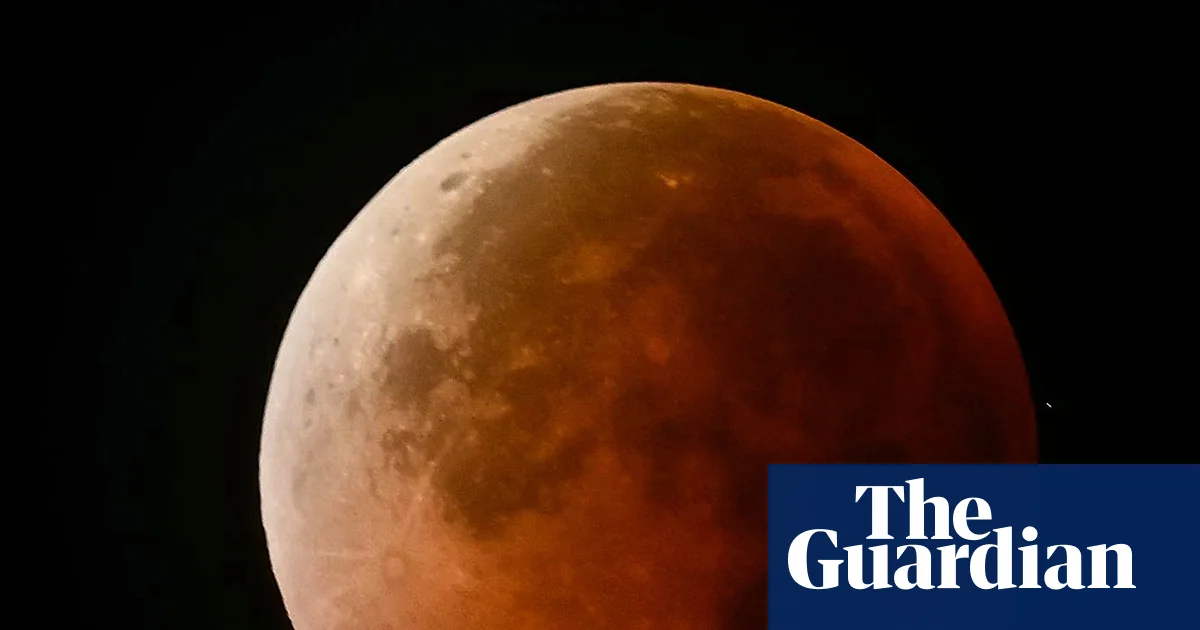

Blood Moon Eclipse Sets the Stage for a Spectacle Over North America, Australia, and New Zealand

On Tuesday night, a rare celestial spectacle known as a “blood moon” will be visible across North America, Australia, and New Zealand. This total lunar eclipse, where the Earth’s shadow turns the full moon into a deep, coppery red, is not just a marvel of nature but also a reminder of the interconnectedness of our world. Astrophysicists highlight the significance of such phenomena in inspiring curiosity and unity among populations. Yet, beneath the cosmic fireworks lies a profound symbol of shifting geopolitical tides and societal transformations. As the moon quietly traverses Earth’s shadow, nations are caught in the flux of global change—whether through diplomacy, economic upheaval, or collective consciousness.

Impact Beyond the Night Sky

Historically, celestial events like the “blood moon” carried ominous portents, fueling superstitions and shaping belief systems. However, today’s interpretation is more scientific, emphasizing our planet’s dynamic nature. According to analysts like Dr. Rebecca Allen and Dr. Brad Tucker, the event signifies not only a spectacular show but also a reflection of our planet’s delicate balance. “Just as a sunset’s hue is fleeting, so too are the moments when humanity must look up and recognize our place within the cosmos,” asserts Dr. Allen. International organizations, such as NASA, utilize these phenomena as a platform to foster global awareness, yet the real impact lies in how nations perceive their roles amid ongoing crises.

Deciphering the Celestial Message in the Geopolitical Realm

The timing of the eclipse coincides with a pivotal period for countries involved in ongoing conflicts and diplomatic shifts. For example, China and Russia continue to challenge Western influence, their actions often viewed through the lens of strategic positioning affected by external pressures. Meanwhile, the U.S. administration faces internal debates over foreign policy priorities, with some analysts warning of a potential return to Cold War-era rivalries. The celestial event serves as a symbolic backdrop for these power struggles, illustrating how human history, like the cosmos, is governed by cycles of darkness and illumination. Historians caution that neglecting to interpret these societal eclipses risks repeating patterns of complacency and conflict, especially as economic stability diminishes in tandem with political tensions.

Looking Ahead: The Next Phase of Global Realignment

The upcoming total lunar eclipse is a transient spectacle, yet it heralds a long-term warning of what may come. The next similar event is projected for 2028, with a partial eclipse occurring in 2026, offering a window for nations to reassess their trajectories. The international community must recognize that the choices made today—be it in climate policy, technological competition, or peace negotiations—are the true eclipses shaping tomorrow’s history. As Dr. Brown noted, ancient empires saw blood moons as omens; today, they serve as warnings. Humanity stands at a crossroads, where celestial signs prompt us to reflect on whether we will emerge from darkness into a new era of cooperation or spiral further into chaos, the echo of history yet unresolved. In this cosmic drama, the universe continues to watch silently, the weight of our destiny undetermined but undeniably vital, as the night sky bears witness to the ongoing narrative of human civilization.

Social Media Auto Publish Powered By : XYZScripts.com


