Matox News

Truth Over Trends, always!

Stella McCartney Teams Up with H&M on Eco-Friendly Collection: Fashion with a Conscience for the Next Generation

The fashion industry has long been criticized for its environmental footprint, but recent collaborations are shifting the narrative toward embracing sustainability without sacrificing style or social relevance. The latest buzz comes from Stella McCartney, the iconic British designer known for her unwavering stance against leather, fur, and feathers. Now, she’s returning to the high street with a groundbreaking collaboration with H&M, set to hit stores this May. This partnership isn’t just about fashion; it’s a bold statement that environmentally conscious clothing can also be *affordable* and *trend-led*—a move that could fundamentally reshape who can participate in sustainable lifestyle choices.

McCartney’s collection exemplifies the blurring of societal and cultural boundaries in fashion. Her line features iconic pieces such as a “Rock Royalty” T-shirt—an homage to her 1999 Met Gala look and her father, Paul McCartney—that retails at just £37.99, a stark contrast to her mainline pieces that often cost over a thousand pounds. This affordability signals a deliberate shift aimed at democratizing sustainability. The collection also offers a high-street twist on her eco-friendly designs, including tailored blazers and trousers made from wool meeting responsible wool standards and vegan accessories crafted from recycled polyamide. As McCartney herself states, “This is not the cheapest of the cheap because there is a price that comes with doing anything good,” but her goal is clear: to make sustainability accessible, especially for the youth who are increasingly demanding brands that align with their values.

The Cultural and Social Impact

The collaboration underlines a profound shift in consumer behavior, especially among younger demographics. Influenced by social media icons and thought leaders who champion eco-conscious lifestyles, this generation is actively seeking out brands that reflect their values. Analysts highlight how influencers such as fashion-forward TikTok creators and Instagram personalities are amplifying sustainable trends, pushing brands like H&M to reevaluate their approach. Critics, however, remain skeptical, citing claims of greenwashing—particularly because H&M’s fast-fashion model produces a staggering 3 billion garments yearly. Nevertheless, Stella McCartney’s involvement lends credibility and pushes the industry toward authentic change, encouraging consumers to demand transparency and authenticity.

Beyond fashion itself, this partnership reflects a larger societal trend: an embrace of responsible consumption. McCartney’s emphasis on transparent tags indicating material sources and her use of recycled glass beads or plastic derived from vegetable oil shows a committed effort to educate consumers. The collaboration’s social relevance is undeniable; it advocates for environmental stewardship while simultaneously creating a platform for youth to participate in meaningful conversations about climate change and ethical fashion. While critics point to ongoing issues such as garment dumping in Ghana and alleged misleading environmental scores from brands like H&M, the reality remains that these efforts are part of a broader movement to hold the industry accountable.

The Future of Sustainable Fashion

As this trend gains traction, the next question becomes increasingly urgent: can fast fashion truly be sustainable? The collaboration between McCartney and H&M exemplifies a pivotal moment—where accessibility meets environmental responsibility. But it also raises the question of whether these partnerships are enough to catalyze systemic change or simply serve as a veneer for ongoing industry practices. The real challenge lies in transforming not just consumer choices but in reimagining the entire supply chain and production model. Ultimately, this shift in attitude—driven by the youth’s desire for more ethical and sustainable lifestyle options—may be the catalyst that revolutionizes the future of fashion itself. Can the industry sustain this momentum, or will it settle into another cycle of greenwashing? The answer holds the key to understanding whether sustainable fashion is truly here to stay or just a transient trend in a rapidly changing world.

Eco-friendly Cutting Boards & $17 Bike Lights: 11 Must-Haves That Made March a Stylish Month | Life & Style

As March unfolds, a palpable shift echoes through the everyday routines of the modern youth—a collective awakening from the icy grip of winter hibernation. No longer confined to hotpot nights and indoor coziness, many are seeking out new ways to connect with their environment and enhance their wellness. This season isn’t merely about shedding layers; it’s about embracing a curated, purpose-driven lifestyle that emphasizes self-care, sustainability, and active leisure. Amidst this societal renaissance, a growing number of young enthusiasts turn to innovative, thoughtfully designed products that mirror their desire to live better, smarter, and more connected to the natural rhythm of the world around them.

From prepping fresh produce for vibrant meals to engaging in farmers’ market shopping, and shifting toward at-home workouts emphasizing dynamic cycling and pickleball, this movement is shaping a lifestyle rooted in vitality and authenticity. These activities are not just trends—they are pathways for personal impact, offering health benefits that foster resilience and mental clarity. Industry experts and wellness influencers like Dr. Alex B. and holistic lifestyle advocates emphasize that these shifts in daily habits are essential for the new generation aiming to forge a more fulfilling, well-rounded existence.

In tandem with these lifestyle changes, consumers eagerly explore a curated selection of products that support their ambitions for a more sustainable and efficient future. Among the standouts are items like the Field Company No 5 Chef Skillet, a cast-iron skillet celebrated for its durability and precision heat distribution, making it an essential for anyone serious about cooking. Complementing this is the Bike Light Set, a USB rechargeable bike light set ensuring safety and visibility during evening rides. This reflects a lifestyle valuing not only personal health but also ecological responsibility, highlighting a conscious choice to minimize plastic waste with products like the Plastic-Free Cutting Board. These items aren’t just consumer choices—they are lifestyle statements that promote mastery over personal spaces, health, and the environment.

This renaissance also inspires reflection on the broader narrative of personal impact. The recent popularity of tools like the Vegetable Scrub Brush and the Vegetable Scrub Brush goes beyond cleaning; it symbolises a mindful approach to everyday chores, aligning with a lifestyle rooted in intentionality and respect for craftsmanship. Meanwhile, a travel-conscious mindset influences accessories like the Lite Travel Pack, a sleek 30L travel pack that embodies functionality and style for the new wave of explorers. Today’s youth are choosing products that are not just utilitarian but that echo their rising aspirations toward a lifestyle of authenticity, wellness, and sustainability.

In the end, the journey through this evolving lifestyle landscape is about more than acquiring new gadgets or adopting trendy activities. It’s a conscious embrace of self-improvement—a testament to resilience, innovation, and individual purpose. The story of March’s lifestyle redefinition isn’t merely written in the products we buy but is reflected in a broader movement towards living intentionally and honestly. As we navigate these changes, we discover that the pursuit of wellness is fundamentally a voyage—a continuous unfolding that invites every young person to write their own chapter, carving out a space for growth, impact, and inspired living in a world full of possibility.

Top 6 eco-friendly cutting boards in the U.S. for 2026 — tested for style, durability, and sustainability | Life & Style

In a world increasingly aware of environmental impacts and health-conscious living, the humble cutting board has become more than just a kitchen tool — it’s a symbol of lifestyle shifts towards minimalism, sustainability, and personal well-being. For centuries, chefs and home cooks alike have relied on sturdy wooden boards, appreciating their durability and aesthetic appeal. But today’s focus shifts beyond traditional craftsmanship, invigorated by scientific studies and a growing demand for eco-friendly, microplastics-free alternatives. As food writers and wellness experts like Marion Bull emphasize, choosing the right cutting board isn’t merely about size or style; it’s about aligning your kitchen practices with a broader purpose of integrity, health, and sustainability.

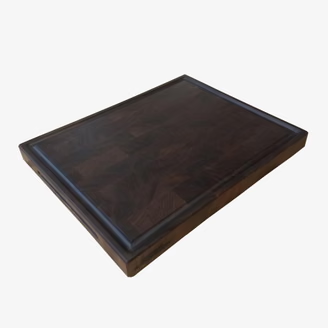
Recent research highlights troubling insights: plastic cutting boards, though affordable, have been shown to shed microplastics into our food, an issue that continues to be studied for its long-term health effects. While some claim that plastic boards are more hygienic, laboratory tests from reputable sources reveal little difference between wooden and plastic boards when it comes to microbiological cleanliness—*proper cleaning is key*. Yet, it’s the environmental footprint that truly tempts us to leap toward plastic-free options. Leading companies, like Brooklyn Butcher Blocks, source all their wood domestically and implement waste-minimizing practices such as composting remnants. Their End Grain Walnut Butcher Block exemplifies a harmonious blend of eco-conscious design and practical durability, offering a perfect size for small kitchens while promising longevity with minimal maintenance.

Choosing the right plastic-free cutting board involves understanding the differences in materials—particularly between end grain and edge grain wood. End grain boards are praised for their self-healing properties and gentle impact on knives, though they demand a higher level of upkeep, including regular oiling and waxing. Conversely, edge grain boards, while more affordable and easier to maintain, tend to show knife marks more readily but still provide a natural, beautiful surface. Modern innovations, like the Material Kitchen’s MK Free Board, incorporate plant-based bioplastics that mimic traditional materials without the microplastic risks, offering us a way to enjoy the best of both worlds—practicality and eco-consciousness.

  • Explore versatile materials like bamboo or sustainably harvested hardwoods for a natural feel.
  • Prioritize size and weight that suit your cooking habits, opting for something manageable yet sturdy.
  • Look for features such as juice grooves and non-slip feet for enhanced usability.

As we adopt these new, mindful choices in our kitchens, we’re aligning everyday actions with a greater vision of personal impact—protecting our health, respecting our environment, and embracing the beauty of well-crafted, sustainable tools. The kitchen, once simply a place of preparation, transforms into a space of intentional living where every chop and slice echoes a commitment to a cleaner planet and a healthier self. Through mindful selection of the right cutting board, we can make a statement that echoes beyond our countertops—an ode to the power of small, meaningful shifts that collectively shape a future where life is not only about what we cook but the stories and impacts woven into every choice we make.

October’s Hottest Footwear: From Retro Split-Toes to Eco-Friendly Modular Sneakers—The Top 50 Shoe Trends Taking Over for the Youth

In an era where personalization and social responsibility are reshaping consumer habits, the footwear industry is undergoing one of its most exciting evolutions yet. The latest October 2025 shoes showcase a fascinating blend of imagination, sustainability, and utility, reflecting the shifting values of a new generation eager to define their identity through what they wear. From modular sneakers designed by innovator Daniyar to high-tech, eco-conscious materials, the trend encapsulates more than just fashion—it signals a cultural shift towards versatility and environmental mindfulness.

These shoes are pushing traditional boundaries: a modular sneaker, for example, allows users to customize and adapt their footwear for different occasions—whether it’s a quick change for fitness, work, or leisure. Influencers and fashion-forward youth are increasingly drawn to this flexibility, not merely for style, but for a statement of independence and ingenuity. Sociologists point out that this trend resonates with a broader societal push for personal agency—modern consumers refuse to accept one-size-fits-all solutions, especially when it comes to everyday essentials like shoes. As noted by trend analyst Lena Morrison, “these shoes blur the line between fashion and function, emphasizing empowerment and sustainability through their modular design.”

Moreover, the emphasis on sustainable materials is now a dominant theme in this footwear revolution. The shoes spotlighted in the October roundup feature innovative fabrics that prioritize recyclability and eco-efficiency, making consumers more conscious of their environmental impact. This surge in green sneakers is in harmony with a wider cultural movement: a realization that fashion can be a force for activism. Brands are responding with initiatives like upcycling old sneakers, employing biodegradable components, and adopting transparent supply chains—measures that appeal to young, socially aware buyers. The cultural impact here extends beyond mere aesthetics; it challenges the industry to rethink what it means to be responsible, stylish, and forward-thinking all at once.

Another profound element of this trend is how it influences social dynamics and identity formation among youth. The social relevance of these innovative shoes is evident in how they serve as markers of belonging and differentiation within diverse communities. Influencers, such as TikTok creators and Instagram fashion icons, are showcasing these shoes not only as commodities but as symbols of a broader narrative—one that advocates for individuality, sustainability, and tech-driven innovation. As Dr. Marcus Lee, a sociologist specializing in consumer culture, suggests, “these shoes are becoming a visible manifesto for a generation determined to reshape societal values through what they wear.”

Yet, as with all groundbreaking trends, a compelling question remains: does this focus on modularity and sustainability signal a permanent shift, or is it just a passing phase? Will these shoes lead to a more profound transformation in how society perceives personal style and environmental responsibility? The next chapter’s story might hinge on how this blend of technology, social consciousness, and expression continues to evolve. For now, one thing is clear—this trend has redefined what it means to step forward into the future, and the real question is: what will the next big innovation be, and how will it influence the cultural tapestries we weave?

Social Media Auto Publish Powered By : XYZScripts.com