Matox News

Truth Over Trends, always!

Tanzania’s Election Turns into a Showcase for President Hassan’s Rise, Not a True Contest

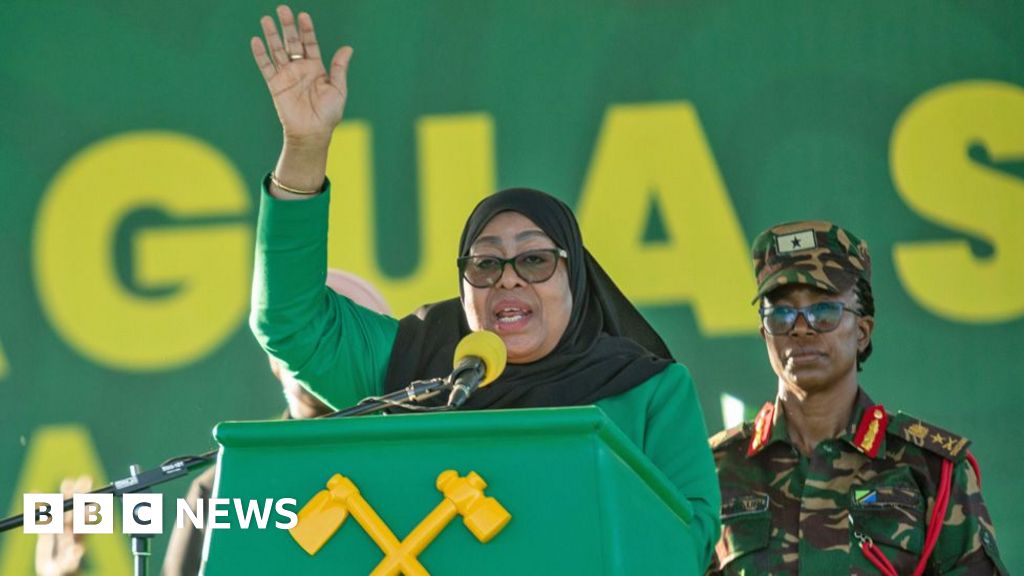
The geopolitical landscape of Tanzania, a nation often celebrated for its natural beauty and regional stability, has recently been marred by profound political shifts and internal power struggles. Since the death of President John Magufuli in 2021, the country has been navigating an ambiguous path marked by the emergence of its first female leader, President Samia Suluhu Hassan. Her ascent initially brought hope for renewed international engagement and economic reform under her “four Rs” policy—reconciliation, resilience, reform, and rebuilding—aimed at reinvigorating Tanzania’s relations with global powers like the International Monetary Fund (IMF) and the World Bank. The move was viewed by many analysts as a crucial pivot towards economic normalcy after years of Magufuli’s controversial, authoritarian governance, which involved crackdowns on dissent and a contentious handling of the COVID-19 pandemic.

However, beneath the veneer of diplomatic recovery, the nation’s political atmosphere has darkened significantly. Observers from organizations such as Freedom House now categorize Tanzania as “not free,” citing increased suppression of opposition voices, disappearance and imprisonment of critics, and a ruthless crackdown on dissent. Political analyst Mohammed Issa explained that President Samia, who initially adopted a conciliatory tone, has recently demonstrated a more assertive and hardened stance, reflecting a complex balancing act driven by internal party dynamics and external pressures. The recent disqualification of multiple opposition candidates, including the prominent Tundu Lissu, and the detention of critic leaders like Humphrey Polepole, highlight a disturbing shift towards electoral authoritarianism. Such moves deepen the divide within Tanzania’s political system, casting doubt on the sincerity of its democratic commitments and raising fears about the future stability of its institutions.

This internal tightening coincides with a burgeoning sense of internal fear and media suppression—an environment where free speech and civic participation seem increasingly endangered. As historian and regional analyst Dr. Samuel Mnyeti pointed out, “the long-standing control exerted by the ruling CCM party, coupled with external influences from powerful business networks known as Mtandao, has limited genuine political discourse,” leading to a society retreating into silence and social media echo chambers. Meanwhile, the semi-autonomous archipelago of Zanzibar shows vibrant electoral activity, contrasting sharply with the mainland’s subdued political landscape. With the incumbent Hussein Mwinyi seeking renomination against a stiff challenge from opposition Othman Masoud, the island elections appear to offer a more spirited contest, highlighting regional disparities within the nation.

As international commentators warn of the risks of continued suppression and disenfranchisement, the question persists: what kind of future is forging amidst these tumultuous currents? With the voice of the youth and reform-minded citizens growing faint, the nation teeters on the precipice of a new chapter—one that could cement its status either as a resilient beacon of hope or a cautionary tale of suppressed democracy. The unfolding of Tanzania’s electoral process—marked by disqualifications, alleged intimidation, and internal fractures—will ultimately enter the annals of history. As it shapes the destiny of its people, the world watches, knowing that the path chosen now will echo across generations, echoing a stark reminder: the future’s principles are forged in moments of crisis.
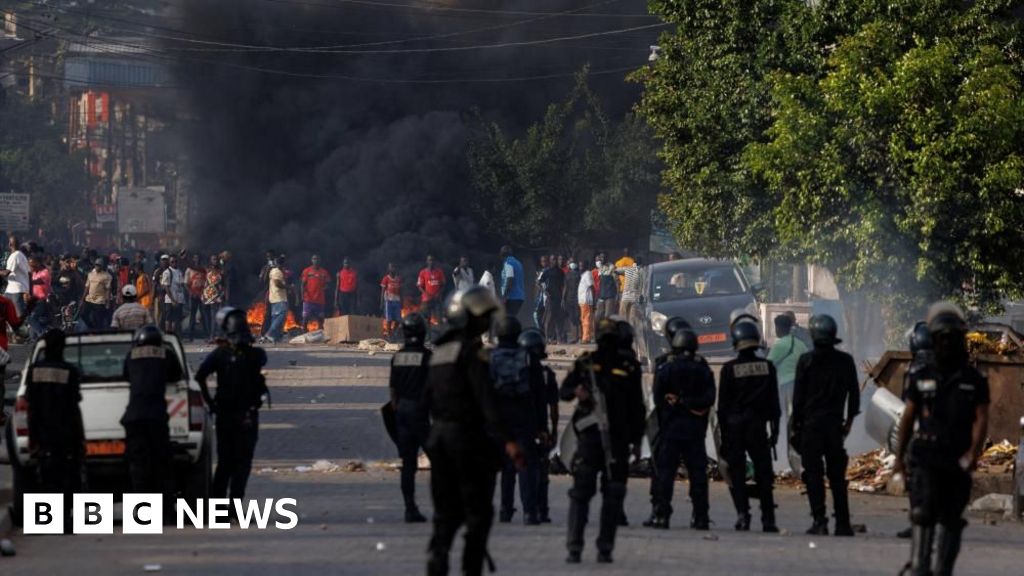
Protests erupt in Cameroon over disputed election results, igniting youth-led unrest.

Cameroon’s Contested Election Sparks Unrest and Global Concern

The recent presidential election in Cameroon has ignited a tense political crisis that resonates far beyond its borders. Despite the official results seemingly favoring the long-standing incumbent, President Paul Biya, protests erupting across cities like Garoua and Douala suggest deep dissatisfaction with the electoral process and allegations of widespread irregularities. Supporters of opposition candidate Issa Tchiroma Bakary assert their victory, claiming that data from multiple polling stations show they secured approximately 55% of the votes, a figure strongly contesting the official declaration. This moment in Cameroon’s political landscape is increasingly being viewed by international analysts as a potential catalyst for broader regional instability, especially considering the ongoing conflicts in neighboring nations.

Historically, Cameroon has been a symbol of stability in Central Africa—yet recent developments threaten this reputation. The country’s electoral system, criticized for lacking transparency and transparency, faces accusations of manipulation and ballot-stuffing, fueling the anger of opposition supporters who see their democratic rights undermined. The constitutional council, stacked with appointees loyal to President Biya, dismissed multiple petitions from the opposition, further intensifying the divide between the government and its citizens. Analysts from the International Crisis Group highlight that the
decision to dismiss claims of electoral irregularities
may only deepen the public’s distrust and escalate to civil unrest, unsettling a region already grappling with insurgencies and political upheaval.

The immediate geopolitical impact extends to the regional consciousness, as neighboring countries observe Cameroon’s crisis with concern. Countries sharing borders or economic ties are directly affected: any destabilization in Cameroon could threaten regional security, disrupt trade routes, and embolden insurgent groups like Boko Haram, which operate across borders in the Lake Chad Basin. According to international observers, especially within the United Nations, the crisis underscores the critical importance of credible electoral processes—not solely for Cameroon’s stability but as a bellwether for democratic resilience in Africa. The global community must weigh carefully whether to support an election that fails to meet democratic standards or risk further spiraling chaos—an all-too-familiar challenge as history demonstrates how electoral disputes can morph into protracted conflicts.

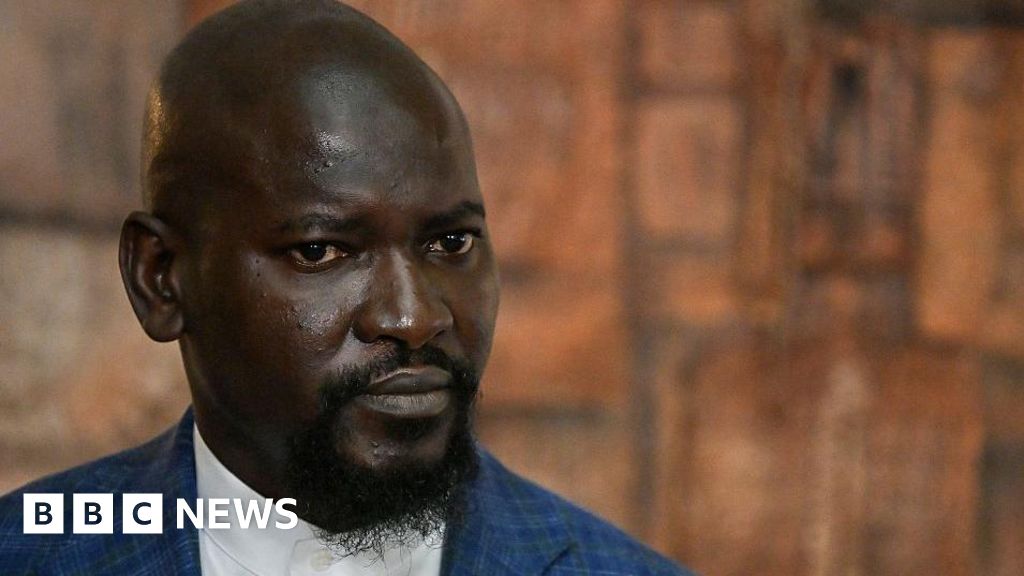
The character of Issa Tchiroma Bakary, a figure once aligned with the establishment and now a leading opposition contender, symbolizes the seismic shifts occurring within Cameroon’s political narrative. Once a government minister and spokesperson, his transition from loyalty to opposition mirrors a broader frustration among youth and disenfranchised groups who see no fair path forward under the current regime. His call for peaceful protests and his refusal to accept an alleged “stolen election” have reignited a spark of civic activism across the nation, compelling international voices to heed the underlying message: the people demand their voices to be genuinely heard. As prominent analysts warn of the risk of escalating violence—should injustices persist—the question looms: how will Cameroon’s leadership respond, and at what cost to regional stability?

As history continues to unfold, the story of Cameroon remains one of resilience intertwined with peril. The echoes of a nation at a crossroad—where the will of the people clashes with entrenched authority—serve as a stark reminder of the fragile thread upon which democracy balances within volatile contexts. The region, watching intently, recognizes that these pivotal moments could either forge a new era of transparent governance or plunge the country into deeper chaos—a consequence that would ripple across borders and generations. The weight of this unfolding chapter presses heavily on the shoulders of leaders, diplomats, and citizens alike, as the heavy hand of history patiently observes, waiting to reveal what the future will hold for Cameroon and, ultimately, the entire Central African region.

Guinea's Youth Outraged Over $100,000 Election Fee to Topple Junta
Guinea’s Youth Outraged Over $100,000 Election Fee to Topple Junta

The recent announcement of a **$100,000** deposit requirement for presidential candidates in Guinea has sent shockwaves through the country’s political landscape. Under the shadow of ongoing **military rule** since Colonel Mamady Doumbouya seized power in 2021, these upcoming elections are seen as a pivotal moment in Guinea’s fragile transition towards civilian governance. Yet, the decision to impose such high barriers to entry raises serious questions about the fairness and inclusivity of the electoral process, especially as analysts predict that only the wealthiest or those with significant connections will be able to compete. Critics argue that these financial hurdles, which are higher than in neighboring countries like Nigeria, Cameroon, and Ivory Coast, threaten to exclude a broad spectrum of political voices, ultimately undermining the legitimacy of the elections.

Since the country’s constitutional reform, which ostensibly allows Doumbouya to run for the presidency, opponents and international observers have voiced concern over whether this election genuinely represents a sovereign choice by the Guinean people or is another step in consolidating military influence. Prominent figures such as Faya Millimono have criticized the skyrocketing deposit requirements, noting that they have increased drastically over the past two decades—from less than 50 million Guinean francs in the early 2000s to today’s 875 million. This trend reflects a broader pattern seen across West Africa, where high deposit and campaign spending limits tend to favor established elites and entrenched political parties, thereby marginalizing grassroots or opposition candidates. The high cost of participation effectively transforms the election into a contest among the well-funded, threatening the democratic spirit that many had hoped efforts like these might revive.

The geopolitical impact of Guinea’s electoral processes stretches beyond its borders. As one of the region’s largest economies and a key resource hub, Guinea’s stability is vital for broader West African security. International organizations, including the Economic Community of West African States (ECOWAS), have expressed cautious optimism while emphasizing the importance of credible, transparent elections. Meanwhile, local opposition leaders living in exile, such as Alpha Condé and Cellou Dalein Diallo, warn that the exclusion of major political figures and the potential for electoral manipulation could lead to renewed unrest or even a return to conflict. The decision by military authorities to maintain high candidacy deposits and limited political competition could serve as a catalyst for discontent, echoing past crises in other African nations where authoritarian tendencies have been reinforced amid electoral controversies.

As history unfolds, all eyes are on Guinea, where the outcome of these elections may define not just the country’s future but also send ripples through the entire region. The weight of this moment, whether it leads to a genuine transfer of power or entrenched authoritarianism, underscores the importance of international vigilance. The struggle for Guinea’s soul is a reminder that decisions made today in Harare, Conakry, and Abuja are shaping the geopolitical landscape of West Africa — a landscape at a crossroads where history’s ink continues to bleed into the pages of tomorrow. Will Guinea chart a new course towards democracy, or succumb to the forces of elite entrenchment? As history’s pen moves forward, the true story of this nation remains a tense and momentous drama, with the future yet unwritten.

Édouard Philippe Urges Macron to Hold Early Presidential Election for a Stronger Future

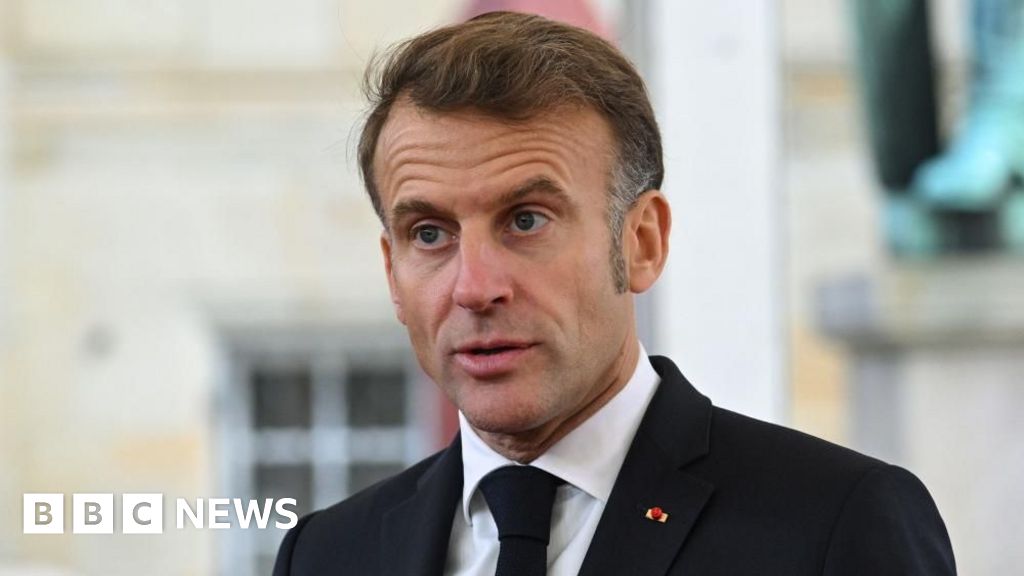
France finds itself embroiled in a phase of profound political instability that threatens not only its domestic stability but also has wider geopolitical implications. Since President Emmanuel Macron assumed office in 2017, France has grappled with mounting economic difficulties, a fractured parliament, and a loss of public confidence. The recent rapid succession of prime ministers—Sébastien Lecornu following Sébaud Lecornu’s resignation—illustrates the depth of the crisis. These upheavals have culminated in calls from within Macron’s circle for a strategic pivot: timing the appointment of a prime minister capable of rallying support for crucial economic reforms and then initiating early presidential elections.

Key political figures, including Macron’s former Prime Minister Édouard Philippe, have controversial opinions about the president’s handling of the crisis. Philippe’s recent remarks emphasize the need for Macron to exercise a pragmatic approach—placing national stability above partisan interests. “It’s up to the president to live up to his mandate,” Philippe asserted, underscoring the critical role Macron must play in resolving the status quo and ensuring a peaceful transition. Meanwhile, rising dissatisfaction within Macron’s own party, Renaissance, exemplifies waning support and growing dissent among his allies. Gabriel Attal, who briefly served as prime minister this year, publicly questioned Macron’s recent decisions—highlighting how internal party fractures are complicating efforts to stabilize governance.

International observers and analysts are warning of the potential fallout from a prolonged political crisis in France. The nation’s economic woes—particularly the soaring public debt projected to reach 5.4% of GDP—have only deepened unrest. Budget deficits, ineffective parliamentary support, and failed reforms have created a perfect storm, destabilizing French society and undermining Paris’s standing on the global stage. As France’s parliamentary majority appears increasingly tenuous, the risk of policy paralysis increases, which could cause ripple effects across European institutions. Critics suggest that without decisive leadership, France might descend into further chaos, with risks of social unrest and diminished influence in EU policy-making.”

Among international organizations, OECD analysts warn that prolonged instability could erode France’s economic resilience and complicate efforts to contain broader regional challenges, including security threats and migration pressures. Historians note that France’s current predicament echoes past crises where weak leadership led to upheaval—such as the fall of the Fourth Republic—serving as a stark warning that internal discord can rapidly escalate into wider instability. As Macron walks alone along the banks of the River Seine, his solitary figure symbolizes a nation at a crossroads—a country where the weight of history and the urgency of now collide, leaving the future shrouded in uncertainty. The question remains: will France’s leaders rally to forge a path forward, or will the mounting chaos plunge it into an irreversible decline? The answer—like history itself—remains unresolved, as time’s relentless tide continues to shape the fate of a nation.

Andrej Babis’ populist party secures victory in parliamentary election

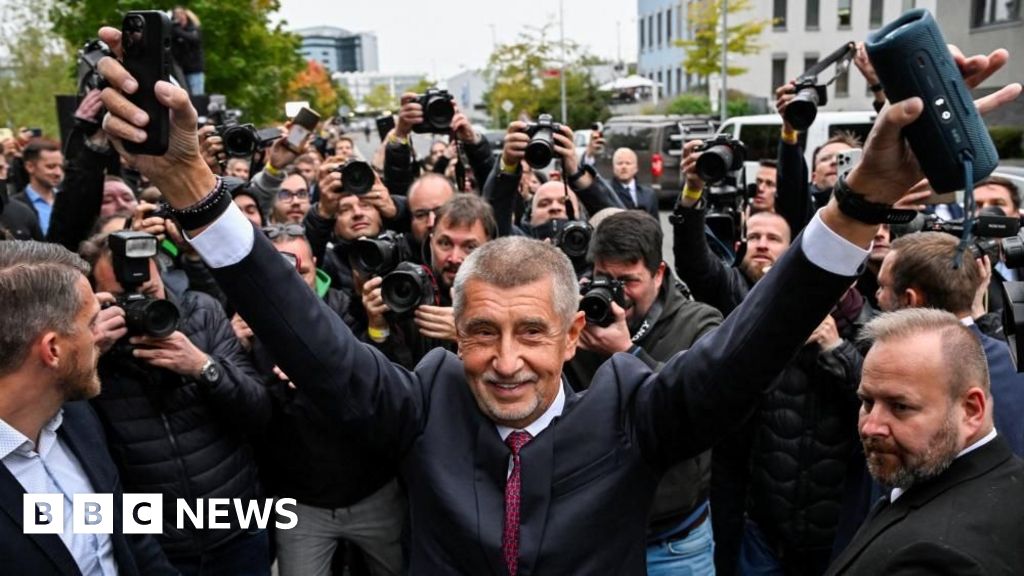
The recent parliamentary elections in the Czech Republic mark a pivotal moment in Central European geopolitics, driven by the resurgence of billionaire businessman Andrej Babis. With his populist ANO party securing almost 35% of the vote, Babis’s political comeback underscores a shifting tide within Europe’s heartland. While his party gained seats—rising from 72 to 80 out of 200—it still falls short of an outright majority, positioning Babis to lead coalition negotiations with smaller, fringe libertarian and nationalist parties.

In a political scene characterized by uncertainty, Babis’s alliance with right-wing, Eurosceptic parties, such as the Motors for Themselves and Freedom and Direct Democracy (SPD), shifts the Czech Republic towards a more skeptical stance on EU and NATO. Historically, analysts warn that such alliances could jeopardize Prague’s commitments to Western defense and cooperation, especially amid a broader uprising of populist nationalism across Europe. Babis’s rhetoric, which included opposition to the EU’s ban on petrol and diesel cars after 2035, signals a pushback against EU environmental mandates, which many see as an expression of sovereignty versus supranational oversight. This approach resonates with leaders like Hungary’s Viktor Orban, with whom Babis aligns through the Patriots for Europe parliamentary group, often criticized by international organizations for promoting nationalist agendas at the expense of broader European unity.

Adding further complexity, Babis’s stance on Ukraine and his plan to dismantle the Czech ammunition initiative—responsible for supplying Ukraine with millions of shells—highlight a potential realignment away from unwavering Western support. By proposing to place the arms scheme under NATO control and criticizing Western aid, Babis echoes the emerging geopolitical tension characterized by skepticism of Ukraine’s Western allies. Historians note that such shifts could weaken the collective resolve of NATO amid ongoing conflicts, and international organizations such as the EU warn of the long-term instability that could result from the decline of Czech commitment to Eastern European defense efforts.

While Babis claims to uphold a firm stance on regional sovereignty and a history of robust international relations—mentioning past interactions with President Trump, the FBI, and the CIA—his domestic policies raise questions about the durability of the Western alliance. Yet, with his overt anti-Ukrainian rhetoric and opposition to EU and NATO policies, his victory potentially heralds a new chapter of navigating the thin line between national interests and international obligations. As Babis prepares to forge alliances, the broader European security landscape teeters on a knife’s edge—an unfolding saga that history will judge for the heavy hand it wields in shaping the future of freedom, sovereignty, and global stability. In this moment of profound change, the weight of history presses down, leaving nations to wonder: How will the Czech Republic’s choices echo through the corridors of power for generations to come?

Moldovans Gear Up for Crucial Election Amid Russia Interference Concerns

The recent parliamentary elections in MOLDOVA have become a focal point in the ongoing geopolitical contest between Western alliances and Russian influence. With a nation caught between its desire for EU integration and the lurking shadow of Russian interference, Moldova’s future is more precarious than ever. Voters, expressing their democratic will despite the smoke of disinformation and external meddling, are making a decisive choice that could redefine the nation’s trajectory—either towards the West or back into Moscow’s sphere of influence. As analysts and historians warn, these elections are not just about local politics; they are a pivotal chapter in the broader geopolitical struggle for influence in Eastern Europe.

The electoral landscape was heavily influenced by claims of massive Russian interference, with Moldova’s security forces alleging that Moscow-backed actors actively sought to sway the outcome. The authorities reported an unprecedented effort to spread disinformation and mobilize perceived pro-Russian sympathizers, including coordinated efforts to buy votes and spread fake news, as uncovered by an investigation from the BBC. The narrative was stark: Russia aims to maintain its grip on Moldova, especially in the shadowed enclaves like Transnistria, where Russian troops remain a tangible presence and pro-Moscow sentiments run deep. The anxiety surrounding these claims was amplified by reports of bomb scares, signaling the tense atmosphere during the voting process. Such actions underscore how security and sovereignty in Moldova have become a proxy battleground in a larger international conflict.

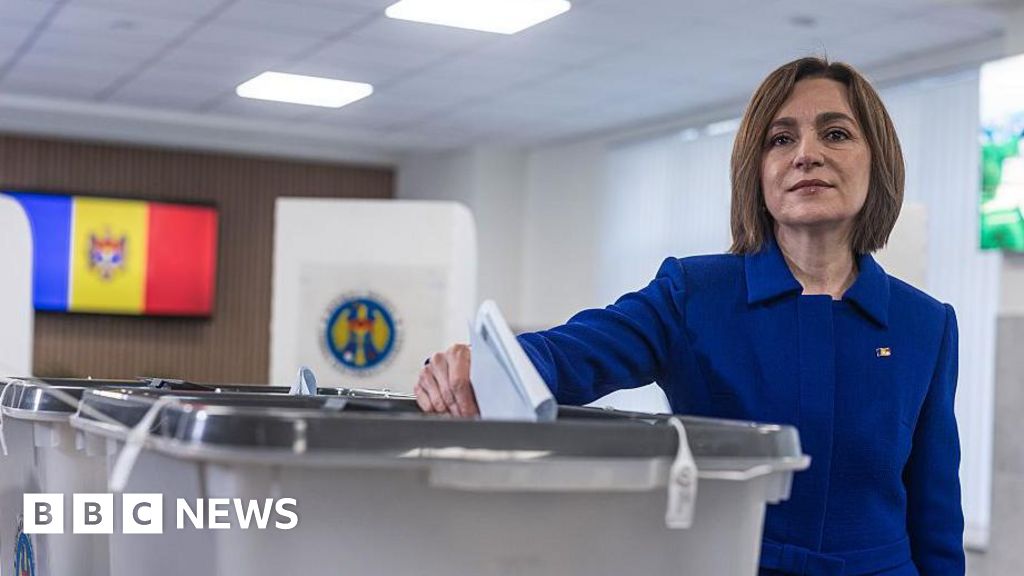
At the heart of the political tug-of-war are two major forces vying for control: President Maia Sandu’s Party of Action and Solidarity (PAS), committed to a European path, and the pro-Russian Patriotic Electoral Bloc, led by Igor Dodon, which pushes for closer ties with Moscow. The partial results suggested a neck-and-neck race, with proponents for EU integration and neutrality battling fiercely against Moscow-aligned factions. Notably, over 270,000 Moldovans participated in the diaspora voting, predominantly in Western countries, highlighting the country’s split identity. Meanwhile, Transnistria, with its Russian military presence and pro-Moscow population, remains a contested zone, where voters face logistical hurdles to participate—yet their votes carry significant symbolic weight in this unfolding geopolitical drama.

This election has also revealed the deep societal divisions within Moldova, worsened by spiraling prices and endemic corruption. President Sandu, resilient and warned by many analysts as a pragmatic reformer, reinforced her commitment to EU integration, reminding voters that their democracy is fragile and must be defended. The stakes are high: if her party loses its parliamentary majority, Moldova may face further instability, potentially swinging back into Russia’s orbit. Conversely, a win for pro-Western parties could accelerate Moldova’s integration into European structures, but at the cost of escalating tensions with Moscow, which perceives such moves as threats to its strategic interests. The international community watches closely, aware that Moldova’s choice could influence the balance of power in Eastern Europe amid the ongoing turmoil in Ukraine.

As the results slowly unfold, one thing remains clear: Moldova’s democratic experiment is a critical piece of a larger puzzle—one where history is still being written at the ballot box. With a nation divided but determined to forge its own path, the outcome is more than just a local election; it is a decisive step in the relentless contest for supremacy in Europe’s eastern frontier. As voters cast their ballots amidst whispers of disinformation and foreign influence, the world must wonder: which way will Moldova tilt—toward stability and sovereignty or into the shadows of empire? The answer will shape the geopolitical landscape for years to come, etching the next chapter in an unfolding saga that could determine the future of regional security and international order.

Social Media Auto Publish Powered By : XYZScripts.com