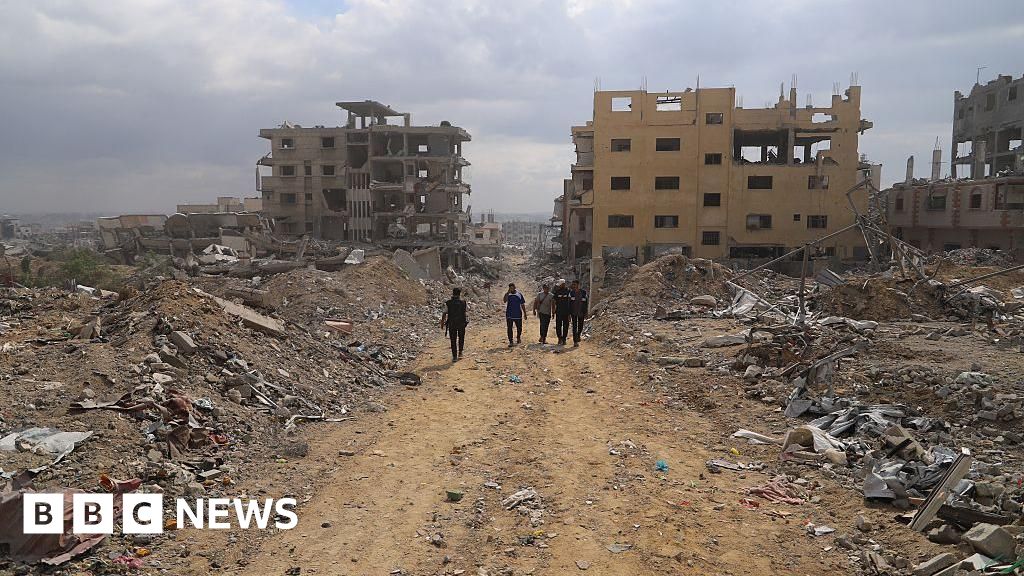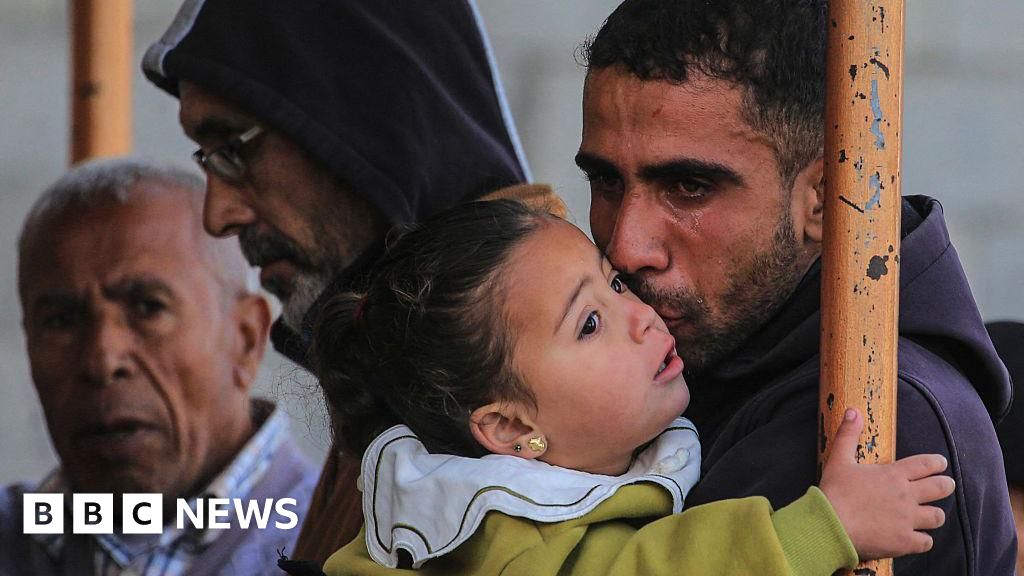

The Palestinian Red Crescent has reported a devastating incident in northern Gaza, where a strike on a tent encampment resulted in at least six fatalities. This tragic event underscores the ongoing volatility in the region, highlighting how seemingly isolated acts of violence continue to escalate an already dire humanitarian crisis. As the conflict persists, the implications extend far beyond immediate casualties, affecting the geopolitical stability of the Middle East and challenging the global community’s efforts to foster peace.
In recent days, international observers and regional analysts have been vocal about the destabilizing consequences of such attacks. Historical commentators warn that these incidents threaten to perpetuate a cycle of violence that risks drawing neighboring states into a broader conflict. Meanwhile, agencies like the United Nations have expressed concern over the worsening humanitarian situation, especially as evidence mounts of the profound suffering experienced by civilians caught in the crossfire. The targeting of civilian settlements, including the tent encampment, exemplifies the dangerous erosion of the norms that once aimed to protect non-combatants amidst warfare, further complicating peace prospects.
As the international community grapples with this latest escalation, key questions arise about the role of regional powers and international institutions in de-escalating tensions. Nations such as Egypt and Jordan have historically acted as mediators, but recent developments test their influence amid mounting violence. Meanwhile, the United States remains a pivotal player, balancing support for allies and advocacy for a resolution, while presses for a ceasefire that seems increasingly fragile. Some analysts argue that the current cycle of violence signals a turning point—where diplomatic efforts risk being overshadowed by irrevocable facts on the ground.
The geopolitical impact of these brutal incidents extends far beyond Gaza, resonating across the Middle East and echoing through global power dynamics. As regional alliances shift and superpower interests intersect, the perception of a resilient, if fractured, international order is tested. Countries like Iran and Turkey observe these developments closely, weighing their options in a complex chess game driven by ideological, strategic, and humanitarian considerations. These decisions will indelibly shape the future landscape of the Middle East, affecting millions of lives and the course of history itself.
Readers are left to confront the stark reality: the unfolding story of Gaza is but a chapter in a larger saga of struggle and sovereignty—a saga where every decision echoes across generations. As the world watches, the delicate balance of peace teeters perilously on the edge, hinting that this moment may define the course of history for decades to come—unless decisive action awakens a new hope amidst enduring chaos.