Matox News

Truth Over Trends, always!

Emergency Alerts Upgrade: Smartphones Will Sound Sirens for Major Disasters, Keeping Aussies Ready

Australia’s New Emergency Alert System: Society at a Crossroads

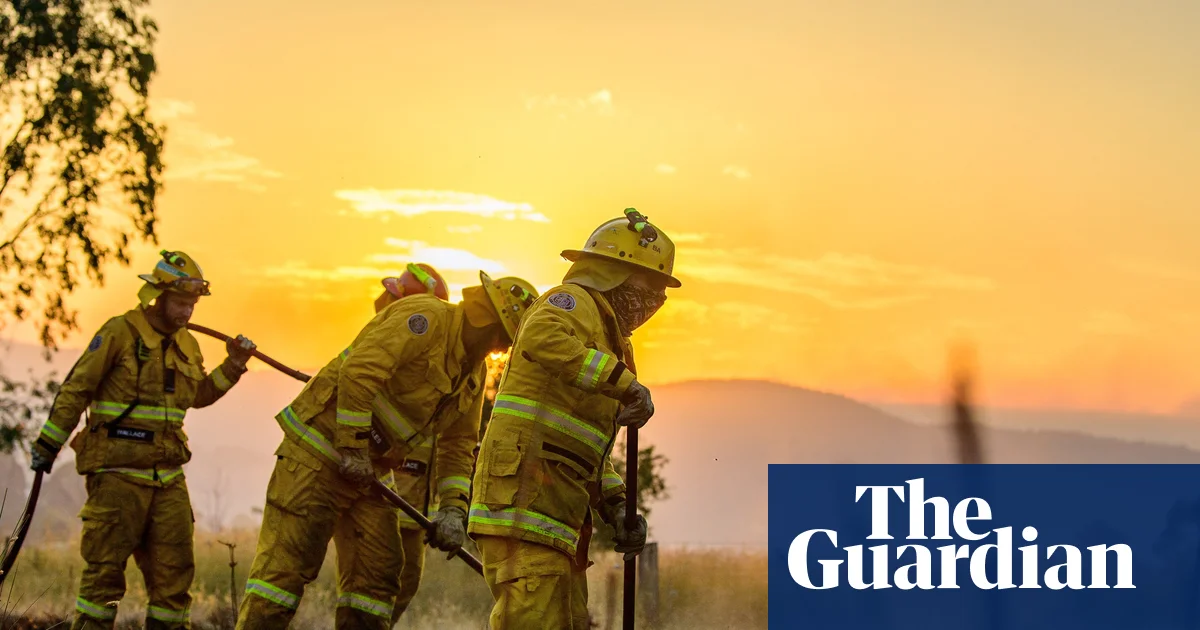
As Australia faces increasingly severe natural disasters influenced by *climate change*, the nation is undertaking a significant overhaul of its emergency communication infrastructure. The federal government is launching the ambitious AusAlert system, a $132 million project designed to replace the outdated state-based text messaging alerts. This technological shift aims to provide more precise, intrusive, and timely warnings that could be the difference between life and death during bushfires, floods, or other emergencies. The rollout, starting with comprehensive community trials in June and a national test scheduled for July 2026, reflects a broader societal effort to adapt to the *changing environmental landscape*, though it also raises questions about privacy, individual rights, and the impact on daily life.

Unlike traditional text alerts, AusAlert will appear directly on the home screens of smartphones within specific geographic zones, with the capability to target down to individual streets. When a high-level threat occurs, the alert will be delivered with a loud, intrusive tone that compels immediate attention. This approach underscores a societal shift towards prioritizing safety over personal convenience; however, it also prompts concerns about constant surveillance and the normalization of government intrusion in everyday life. Such measures may solidify a social fabric where communities are conditioned to accept intrusive technology as a routine part of emergency preparedness.

This initiative highlights how social issues permeate family dynamics, local communities, and educational environments. For families, especially those with young children or vulnerable members, quick access to accurate information can be lifesaving. Yet, it also introduces new challenges: the potential for false alarms, technological failures, or privacy breaches could undermine public trust. From an academic perspective, sociologists such as Timothy Mitchell have warned about the dangers of over-reliance on surveillance-based systems that, while intended for protection, may inadvertently erode societal privacy and autonomy. The implementation of AusAlert exemplifies a societal tension—balancing the need for security with the preservation of individual liberties.

  • Key facts include the system’s capability to deliver alerts for durations between 10 minutes and 24 hours, affecting an estimated 23 million smartphones, with plans for extensive testing across varied communities.
  • Opt-out options are limited to lower-priority alerts, reinforcing the government’s emphasis on proactive safety measures rather than individual choice.
  • Further concerns involve the integration of AusAlert with other personal devices such as smartwatches, cars, and home automation systems, raising questions about data collection and societal acceptance of pervasive monitoring.

Historically, societal responses to such technological interventions have been mixed. While some view these systems as essential advancements—similar to the revolutionary public health campaigns of the 20th century—others perceive them as slips towards authoritarian oversight. As social commentator Jamelle Bouie notes, the challenge lies in designing systems that respect human dignity without compromising safety. Society now stands at a crossroads, grappling with the *dual imperatives of technological progress and moral responsibility*. The hope remains that, through community engagement and transparent governance, Australia can build a society where safety does not come at the expense of freedom, and where new tools serve to *strengthen bonds rather than erode them*.

In the quiet moments of reflection, society must ask itself: Are we forging pathways toward a resilient and free community, or are we unwittingly paving the way for a surveillance state? The answer lies in collective vigilance—an unwavering belief that even amidst technological transformation, the core human values of dignity, privacy, and community must remain the ultimate guiding lights. As Australia’s society prepares to face future ecological challenges, perhaps the greatest resilience will be found not just in technology, but in the hope that society itself can transform—learning to protect and cherish its most precious bonds: families, communities, and the undying human hope for a better tomorrow.
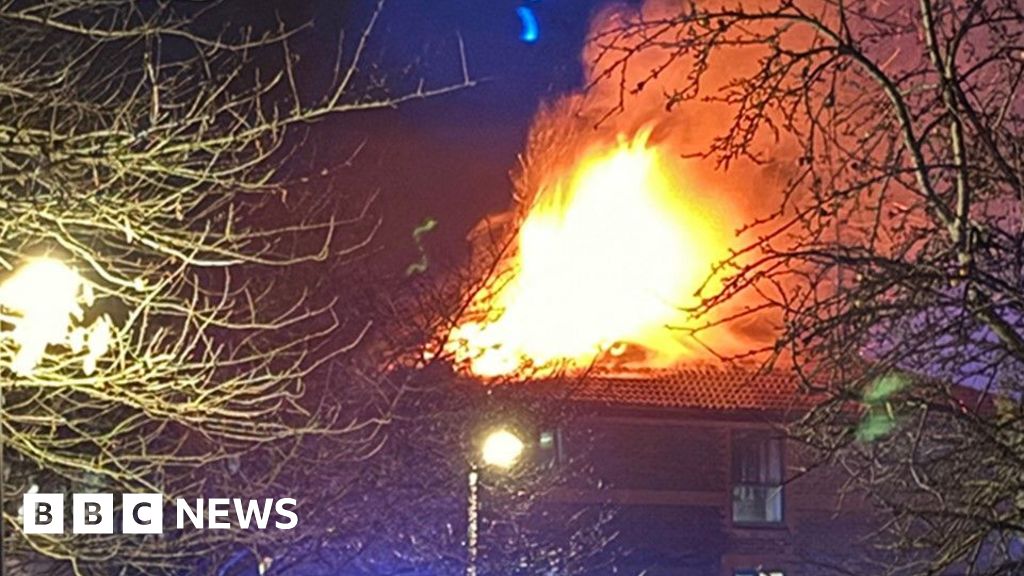
Warwick Students Evacuated Amid Hall Fire Emergency

In the quiet early evening of a university campus in Coventry, a sudden fire broke out in a student hall of residence, prompting a swift response from over 40 firefighters and support from advanced drone technology. This tragic event underscores the ongoing societal challenge of ensuring safe living environments for students and highlights the vulnerable state of families, communities, and educational institutions during crises. The incident, which started in a kitchen, not only damaged two flats and sent smoke into several others, but also exposed a broader societal issue: the safety and preparedness of our young people’s communal living spaces.

As the university swiftly evacuated all residents and provided support services, the incident beckons a sobering reflection on the importance of preventative safety measures. Sociologists like Dr. Michael Green, who studies youth and risk, emphasize that many student residences lack the comprehensive fire safety education that could prevent such disasters.

  • Many young students, often unaware of the dangers, underestimate the risks of unattended cooking.
  • Insufficient safety protocols and outdated facilities may exacerbate the impact of accidents.

This event has broad implications for society’s approach to education and community safety. During the chaos, a sense of confusion and helplessness emerged among students, many of whom felt unsure about what steps to take in emergency. The moral responsibility extends beyond immediate response; it challenges families and communities to advocate for more rigorous safety standards and for educational programs that teach practical safety skills early on. The incident reminds us that social cohesion hinges on **collective responsibility**—not only for immediate safety but for fostering a culture where young people are empowered, informed, and supported.

Historically, social commentators have pointed out that a society’s strength can be measured by how well it protects its most vulnerable members—its youth. Taking lessons from past tragedies, including fire safety failures or neglect, society must acknowledge that the path toward transformation involves a shared moral duty. As firefighters supported by drone operators put out the last embers, the lingering question remains: *How can society rebuild not only the physical structures but also trust, resilience, and a renewed commitment to the safety of its next generation?* Because behind every burned flat and evacuated corridor lies a community’s hope — the hope that through vigilance and collective effort, societies can prevent preventable tragedies and forge a future where safety becomes a foundational value, woven into the fabric of our educational and communal life.

Peru’s interim leader imposes emergency amid ongoing youth-led protests

In a move that underscores the intensifying crisis gripping Peru, interim President Jose Jeri has declared a state of emergency in Lima and the neighboring port of Callao. Announced amid escalating anti-government protests driven by widespread discontent over corruption and organized crime, this decision marks a pivotal moment in the country’s turbulent political landscape. Beginning at midnight and lasting for 30 days, this measure grants authorities sweeping powers—including deploying the military, restricting civilian freedoms, and curbing assembly—highlighting the government’s urgent attempt to restore public order.

Since the impeachment and ousting of President Dina Boluarte earlier this month, the capital has transformed into a battleground for youth-led protests that have voiced frustrations over inadequate security and rampant crime. The demonstrators, inspired by a society fed up with corruption scandals and a surge in violence, have seen over 200 injuries—ranging from police officers and journalists to unarmed civilians—and tragically, at least one fatality. These unrests reflect deep societal fractures, which international security analysts warn threaten the stability of Peru. The country’s history of political volatility, with seven governments over the past decade, reveals a pattern of governance failures that have fueled this violent cycle.

The geopolitical impact of these developments ripples beyond Peru’s borders. Regional observers point to how internal crises can destabilize neighboring nations and challenge the influence of regional powers. The pervasive violence in sectors like transportation, with over 47 bus drivers murdered in what authorities suspect are extortion-related killings, signals a deterioration in law and order—an alarming trend that stirs fears of organized crime expanding its footprint across Latin America. Moreover, the international community, including organizations like the Organization of American States, cautions that prolonged instability could embolden anti-democratic forces and impede economic recovery efforts vital for Peru’s future.

Historians and analysts emphasize that the current emergency is a critical turning point in Peru’s political saga, with some warning that without meaningful reforms and accountability, the cycle of unrest may deepen. With interim President Jose Jeri serving until July 2026, the country faces a fragile period of transition where societal divisions risk widening. The decisions made in the coming weeks could determine whether Peru manages to restore its institutions or sinks further into chaos, paving the way for uncertain diplomatic or even destabilizing regional scenarios. As history continues to unfold, the world watches—intensely aware that the fate of Peru may serve as a defining chapter in Latin America’s ongoing struggle for stability and democracy.

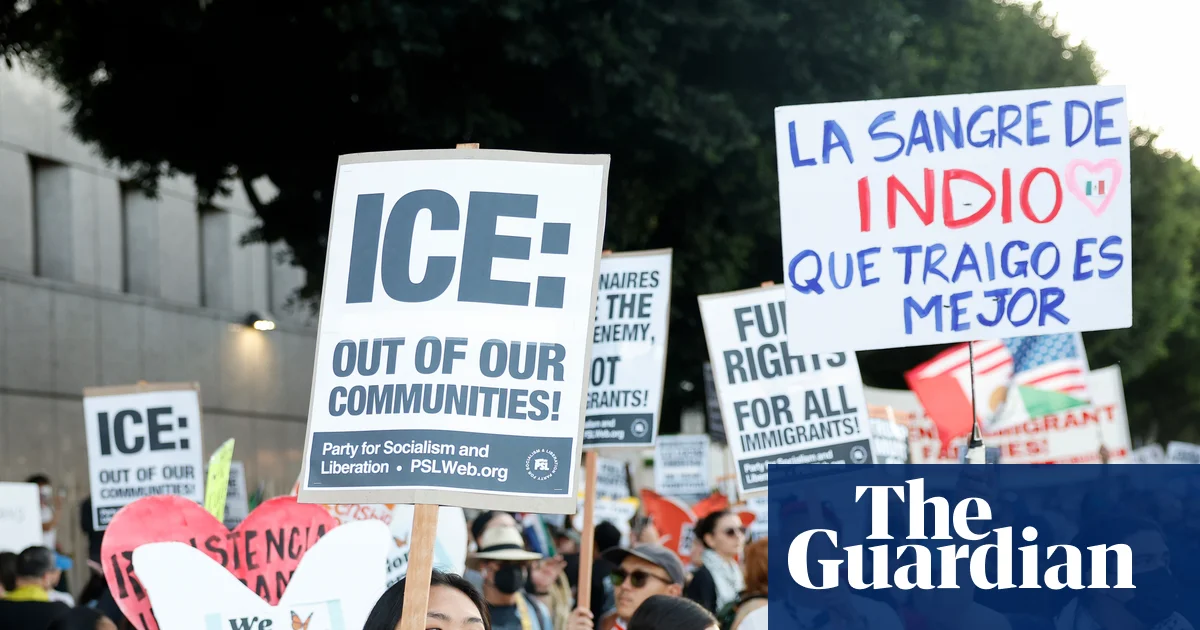
LA Declares Emergency to Shield Families from ICE Raids

The United States continues to demonstrate its willingness to prioritize domestic immigration enforcement over social stability, with the recent declaration of a state of emergency by officials in Los Angeles County. This move underscores a profound shift in how local governments are responding to the federal government’s aggressive crackdown on undocumented immigrants, which has sparked widespread unrest and destabilization across the region. The LA authorities have authorized measures to provide financial relief to residents impacted by the raids, including rent assistance and potential legal aid, framing the local response not only as an act of compassion but also as a stark rebuke to national immigration policies perceived as detrimental to community cohesion.

Since June, the federal government’s intensified enforcement—marked by mass arrests at workplaces, transportation hubs, and public spaces—has turned Los Angeles into a battleground of political and social conflict. Federal agents, operating under the jurisdiction of the U.S. Department of Homeland Security, have detained thousands, including US citizens, prompting a crisis of trust and heightened fear among millions of residents. Analysts note that this escalation is a clear reflection of the federal administration’s prioritization of border security and immigration control over the social fabric of immigrant communities. Such actions have not only triggered protests but also pointed to a broader geopolitical stance where the assertion of sovereignty and law-and-order priorities factored heavily into domestic policy debates.

The decision by Los Angeles County officials to declare an emergency—by a narrow 4-1 vote—signifies a direct response to the perceived failure of the federal government to safeguard community stability. Critics warn that this move could ultimately deepen the divide, with critics like Supervisor Kathryn Barger voicing concerns over legality and fairness, fearing potential lawsuits reminiscent of past eviction moratoria during the COVID-19 pandemic. The situation vividly illustrates how local leaders are increasingly caught between the demands of federal policy and the pressing needs of their constituents, often leading to contentious debates about law, order, and human rights. As the region faces mounting economic and social tensions, the broader question emerges: **how long can communities endure the strain of federal policies that seem detached from the realities on the ground?**

Historically, similar crises have reinvigorated debates about sovereignty, legal rights, and the social contract—topics that resonate globally in an era marked by geopolitical tension and internal destabilization. International organizations, such as the United Nations, have long warned about the destabilizing effects of unchecked immigration enforcement, which often threatens social cohesion and invites international scrutiny. Meanwhile, many geopolitical analysts argue that these domestic policies reflect a broader trend where regional and local governments increasingly assert authority in the face of national directives, creating a fragmented landscape of governance within influential nations like the United States. The unfolding crisis in Los Angeles offers a stark tableau of how internal policies can ripple outward, influencing international perceptions of stability and rule of law.

As this chapter in American history continues to be written, its outcome remains uncertain, yet the underlying narrative is clear: decisions by governments today hold the power to shape societies for generations to come—either forging resilient communities or sowing the seeds of lasting discord. The weight of this moment is felt globally, a reminder that history’s most pivotal moments often begin with local decisions, whose reverberations echo far beyond the borders of any one city. With each passing day, the question persists: will justice and security prevail, or will these turbulent times usher in a new era of instability and division?

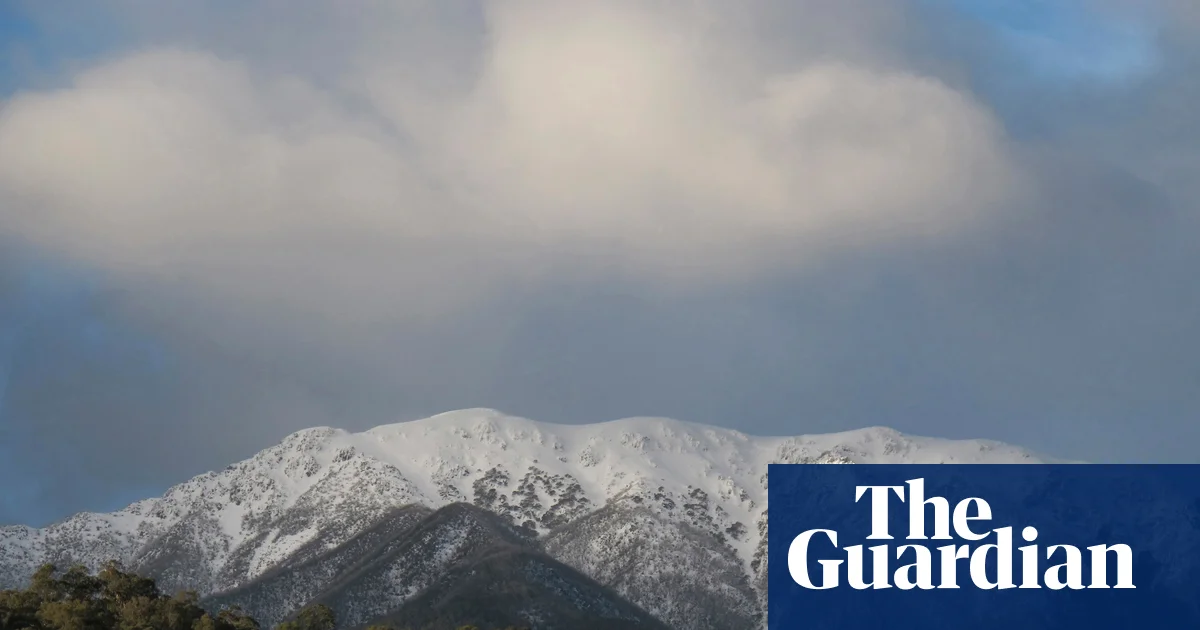
Emergency responders recover two hikers' bodies in Victorian high country
Emergency responders recover two hikers’ bodies in Victorian high country

Global Unrest and Nature’s Fury: A Reflection of Our Times

While the world witnesses a series of international shifts and political upheavals, a series of harrowing tragedies in the Australian high country serve as a stark reminder of the unpredictable forces that threaten societies worldwide. Last week, emergency services recovered the bodies of two women in the Victorian highlands—an event that, while seemingly isolated, underscores the fragile balance between human ambition and nature’s indomitable power. The deaths, deemed not suspicious by authorities, highlight the challenges faced by adventurers venturing into remote wildernesses—places characterized by their pristine beauty yet unforgiving terrain. This incident, much like other recent emergencies, illuminates the importance of preparedness and respect for nature, especially as global climate change intensifies extreme weather and environmental unpredictability.

Across the Tasman Sea in Tasmania, another tragedy unfolded—this time within the savage embrace of its world heritage wilderness. A woman drowned during a rafting expedition on the Franklin River, with initial investigations attributing her demise to her raft flipping amidst rapids. These incidents, involving local and interstate experts, reveal a significant shift in the safety landscape of outdoor adventure tourism—an industry increasingly challenged by changing environmental conditions. The resilience of Tasmania’s search and rescue teams, deploying helicopter resources and wilderness paramedics, underscores the critical importance of expertise and rapid response in preserving life amid escalating natural dangers. Analysts warn this may be a sentinel warning of a broader pattern: as climate variability worsens, even seasoned explorers are vulnerable, forcing nations to adapt and upgrade safety protocols in wilderness regions.

Amid these tragedies, international observers and historians reflect on how such events are microcosms of a larger geopolitical narrative. The ongoing shift in global priorities, with many nations grappling with internal crises and external pressures, might inadvertently divert attention from environmental safeguarding. As China and Russia expand their influence—asserting military and economic dominance—other nations face further challenges in prioritizing natural resource management and environmental resilience. Meanwhile, the United Nations warns of increasing climate-induced disasters, advocating for coordinated international action, though skeptics argue that geopolitical interests often hinder genuine cooperation. These tragedies are a stark reminder: environmental stability and human safety are intertwined with the decisions made in global power corridors.

As history continues to unfold in real-time, the events of this week serve as a sobering chapter in our collective story. From the rugged landscapes of Australia to the volatile corridors of power shaping our global future, humanity faces a relentless test: will we learn to respect and adapt to the forces beyond our control, or will neglect and complacency consign us to repeat the tragedies of the past? With every life lost in the wild, the weight of history presses down—reminding us that the battle to preserve life and environment is, ultimately, the defining challenge of our era.

Social Media Auto Publish Powered By : XYZScripts.com