Matox News

Truth Over Trends, always!

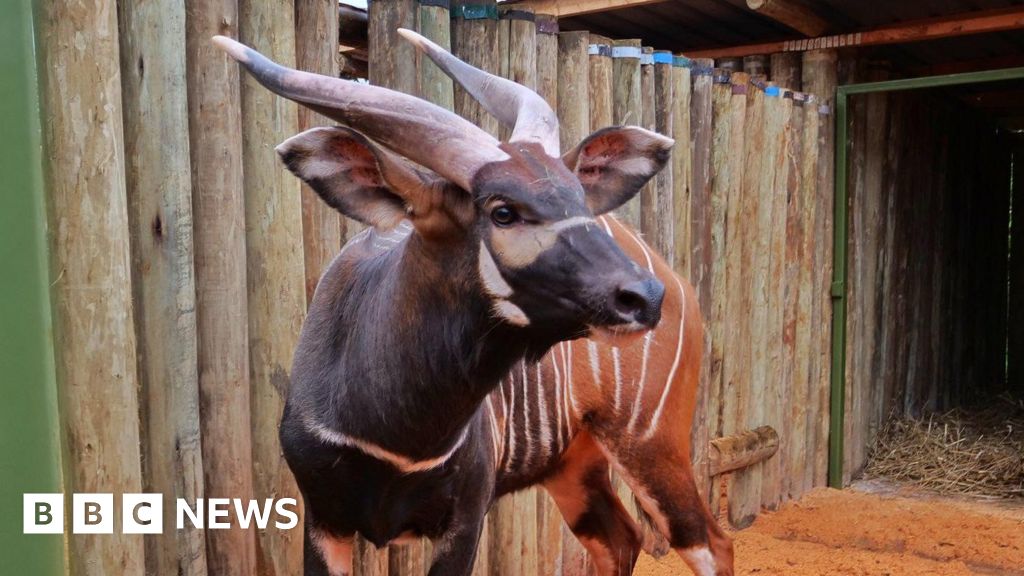
Endangered Antelopes Return to Kenya from Czech Zoo in Historic Homecoming

Amidst the rugged terrains of Kenya, a true icon of biodiversity teeters on the brink of extinction. The mountain bongo, a rare antelope endemic to Kenyan highland forests, now numbers fewer than 100 individuals in the wild—an alarming indicator of escalating environmental pressures and inadequate conservation efforts. This critically endangered species symbolizes broader ecological vulnerabilities that threaten not just Kenya but impacting regional biodiversity and global ecological stability. Conservationists, governmental agencies, and international organizations continue to grapple with the pressing need for sustained efforts to save this species before it vanishes entirely.

The decline of the mountain bongo illustrates a complex interplay of human activity, habitat degradation, and insufficient enforcement of protected areas. As Kenya faces rapid population growth and expanding agricultural frontiers, vital highland forest habitats are increasingly under threat. Historically, experts like Dr. James Carter, a leading ecologist, have warned that without aggressive intervention, keystone species such as the mountain bongo could disappear, disrupting ecological balances in the region. Global organizations like UNEP and WWF emphasize that saving the mountain bongo requires international collaboration—particularly in addressing emergent threats such as poaching and climate change, which compound habitat loss.

International attention has shifted towards innovative conservation initiatives.

  • In 2022, Kenya established a series of protected corridors aimed at reconnecting fragmented habitats and ensuring genetic diversity for the remaining population.
  • Islamic conservation groups have launched funding campaigns prioritizing the species’ survival, acknowledging its symbolic value as Kenya’s natural heritage.
  • Scientists are exploring captive breeding programs, yet experts maintain that reversing habitat loss remains critical to sustainable recovery.

Meanwhile, analysis by geopolitical observers highlights how conservation challenges often interact with regional stability. Border disputes, land-grabbing, and economic development programs tend to marginalize environmental priorities, exacerbating species decline. The fate of the mountain bongo is thus entwined with broader geopolitical currents that impact regional policy, resource allocation, and social stability.

As the world witnesses a crescendo of environmental crises, the story of the mountain bongo serves as a somber reminder of how fragile our ecological heritage truly is. Historians continue to debate whether humanity’s surge into resource exploitation represents progress or a reckless abandonment of stewardship. The parameters of international responsibility are being tested as nations grapple with the potential loss of unique biodiversity—an irreplaceable component of Earth’s natural tapestry. In the shadow of dwindling populations and fading ecosystems, the question remains: will decisive global action come in time, or will this remarkable creature become a silent victim of mankind’s neglect—another chapter in the tragic saga of extinction?
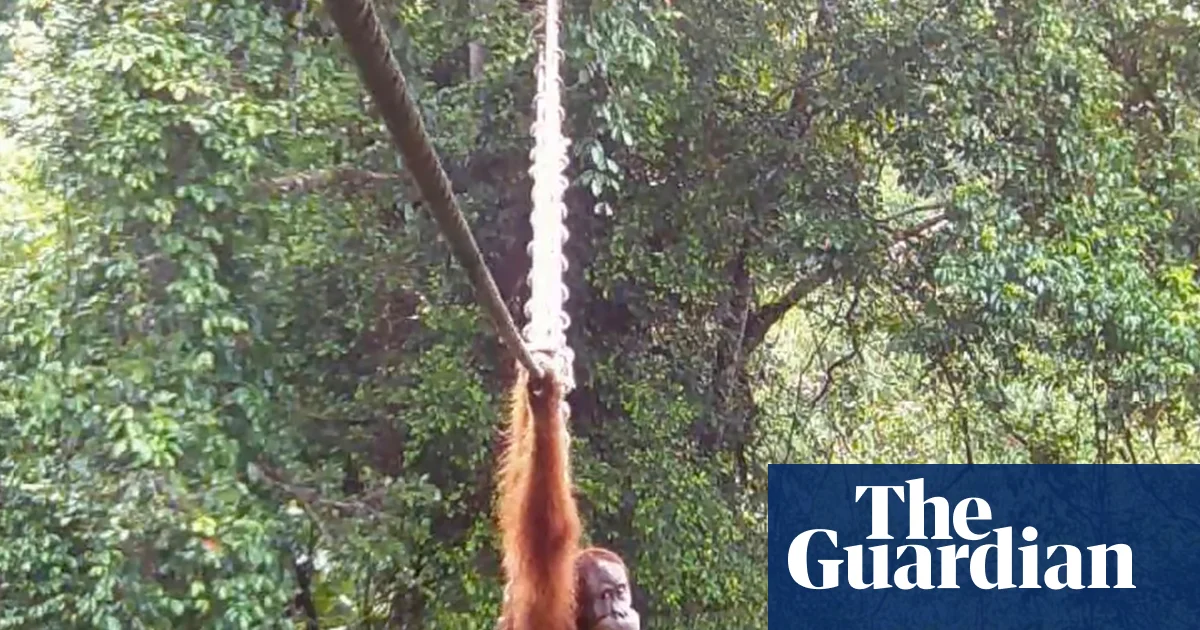

Excitement as Sumatran orangutan safely crosses road via canopy bridge for first time—a big win for endangered species!

Global Conservation Triumph Signals Broader Impact on Geopolitical Climate

In an unprecedented achievement for biodiversity conservation, the Sumatran orangutan has been filmed crossing a specially constructed canopy bridge over the Lagan-Pagindar road in North Sumatra, Indonesia. This milestone not only encapsulates a triumph for local environmental efforts but also ignites a critical discussion on the intersection of development and ecological preservation on the international stage. The corridor, built with the aid of local governments and conservation organizations, demonstrates how targeted, strategic infrastructural modifications can serve as a blueprint for addressing the global issue of habitat fragmentation caused by rapid modernization. Analysts from International Conservation Alliances herald this as a turning point, providing tangible proof that imperiled species can survive amidst the relentless tide of development.

As experts like Dr. Mark Wilson, a noted ecologist from the World Wildlife Fund, emphasize, the geopolitical impact of such initiatives stretches far beyond local boundaries. Countries with abundant biodiversity—Brazil, the Democratic Republic of Congo, and Malaysia—are observing closely, recognizing that pragmatic conservation can forge a path forward in regions often hamstrung by economic pressures and contesting land claims. The crossing of the orangutan, a creature emblematic of archetypal rainforest biodiversity, underscores the importance of international cooperation. It sparks broader debates on how global institutions can incentivize sustainable development while respecting the sovereign rights of nations, steering them away from destructive extractivism toward innovative, nature-based solutions.

Legal and Policy Implications in the Era of Habitat Preservation

The construction of the canopy bridge was more than just a local success; it hints at a shifting tide in policy frameworks. The Indonesian government’s partnership with conservation groups serves as a model that could inspire legislative reforms across Southeast Asia and similar biodiversity hotspots worldwide. The details of the 2014 Sustainable Forest Management Treaty—which aimed to reconcile infrastructure growth with ecological integrity—highlight how nations are increasingly recognizing that environmental sustainability bolsters long-term economic stability. United Nations environmental panels and international NGOs have lauded this initiative, stressing that the preservation of keystone species like orangutans isn’t solely an ecological concern but a symbol of national resilience and moral responsibility.

However, these advances come with warnings. Historians like Dr. Richard Connolly warn that the legacy of unchecked environmental exploitation remains a threat. The crossing of the orangutan symbolizes a crucial turning point, yet the battle for biodiversity is far from over. Governments must resist the temptation to prioritize short-term gains—such as logging or land conversion—and instead embrace comprehensive policies that prioritize ecological corridors and the rights of indigenous communities. Regional conflicts over land rights threaten to undo such gains unless a concerted, international effort is adopted to uphold the principles of sustainable development. Such policies will test political will and international diplomacy, with the weight of history weighing heavily on every decision.

A Future Rewritten, But the Stakes Are High

The recent feat of the orangutan’s journey across the canopy bridge remains a powerful narrative—an emblem of hope and a testament to what deliberate, science-based intervention can achieve. Historically, human encroachment has led to the demise of countless species, often viewed as inevitable casualties of progress. Today, this milestone demonstrates that a different path is possible, a future where civilization coexists with the natural world. But it is also a stark reminder that the battle for the planet’s biodiversity is ongoing, fraught with political and economic hurdles. As the young orangutan pauses, looking down at the road below before entering the forest—a fleeting moment captured in time—the very essence of this fragile struggle is laid bare. The question remains: will humanity choose to safeguard its own future by respecting the delicate balance of nature, or will it continue down the destructive path that risks unravelling the very fabric of life?

Social Media Auto Publish Powered By : XYZScripts.com


