Matox News

Truth Over Trends, always!

Peaky Blinders: The Immortal Man — Tommy Shelby Comes Full Force in a Gritty, Epic Film Battle

In the current cultural landscape, the appeal of gritty historical drama remains an indelible testament to the enduring human fascination with identity, tradition, and the shadows of our collective past. The upcoming standalone film, Peaky Blinders: The Immortal Man, exemplifies this phenomenon. Based on Steven Knight’s successful television series, it revives the legendary Birmingham gangsters, anchored by the iconic Tommy Shelby—a character whose complex psyche encapsulates the struggle between personal trauma and societal responsibility. With a cinematic canvas soaked in mud and blood, the film explores themes of loyalty, betrayal, and the relentless pursuit of power, all set against the backdrop of Britain’s darkest war era.

Historically, the rise of gangster culture during Britain’s Victorian and Edwardian periods reflected a turbulent transition from old-world tradition to modern chaos. As Ortega y Gasset once observed, the sense of cultural continuity acts as a foundation for societal identity, a buffer against the disorienting forces of change. Yet, in the universe of Peaky Blinders, that continuity is fractured—replaced by a brutal, visceral mythology of honor and survival. The show’s portrayal of Tommy Shelby, a Romani-traveller turned ruthless kingpin, echoes the timeless narrative of the tragic hero who navigates the narrow road between order and chaos. It reminds us that culture—far from being mere ornament—is the very fabric that sustains communal memory, informing our understanding of ourselves amid the relentless tide of progress.

The film’s narrative underscores the importance of culture as both memory and prophecy. We see Tommy haunted by ghosts of war and family, symbolizing how historical trauma shapes present identity. Rebecca Ferguson’s character brings a cultural consciousness that challenges the posturing of superficial heroism; her insights reveal the deeper layers of societal decay. Meanwhile, the portrayal of Erasmus Shelby’s reckless alliance with Nazi conspirators echoes T.S. Eliot’s notion that “the past should be reconstructed, not forgotten,” emphasizing the necessity of confronting history’s darker chapters to avoid repetition. The film thus elevates the gangster saga into a reflection on the moral and cultural resilience required to defy chaos and uphold a sense of purpose rooted in tradition.

  • Origins of Britain’s gangster mythos rooted in Victorian urban chaos
  • The significance of cultural memory in shaping national identity
  • The moral debates surrounding loyalty, honor, and modernity
  • The enduring relevance of tradition in the face of technological and ideological upheaval

In the grand tapestry of history and culture, figures like Tommy Shelby serve as modern equivalents of Chesterton’s “Christian hero,” embodying virtues forged in the crucible of adversity. As Tocqueville warned of the dangers of homogenization and loss of civic virtue, so too does this narrative remind us that culture is the vigilant guardian of liberty and identity. The cinematic revival of Peaky Blinders becomes more than entertainment; it is a mirror reflecting once again that human communities are defined not merely by their laws, but by the stories they tell—stories that echo through the ages, whispering of memory, warning of future prophecy, and calling to the resilient spirit of a society ever compelled to remember and redefine itself. For in culture, we find our own reflection and the blueprint of what humanity can become when rooted in the enduring soil of tradition and hope.

Top Pokémon TCG Deal: Score the Epic Journey Together 3-Pack Blisters for Just $24!

The Pokémon Trading Card Game (TCG) continues its relentless forward march into the cultural spotlight, especially among the youth who are shaping modern trends. Recently, mainstream retailers like Walmart have taken strides to make Pokémon TCG products more accessible and affordable, a clear reflection of a broader societal shift — lowering the barrier of entry for new collectors and players. The Journey Together 3-Pack Blisters, featuring popular cards such as Yanmega and Scrafty, are now selling at Walmart for under $25, a price point that undercuts many online marketplaces and highlights the increasing commercial significance of casual market penetration.

This trend isn’t just about saving a few bucks; it’s emblematic of a cultural renaissance where Pokémon isn’t solely a nostalgic relic for Gen X and Millennials but a fresh, dynamic lifestyle for today’s youth. Influencers and community leaders, including younger high-profile TCG enthusiasts, are bolstering this wave by emphasizing collecting as a social activity. Iconic gamers like Leonhart and UnlistedLeaf have turned pulling a rare card into an event that transcends the game itself, establishing Pokémon TCG as a form of modern social currency.

Analysts, like Gregory C. Roberts, sociologists examining youth culture, note that this trend symbolizes a shift in how younger generations define status and community. Pokémon’s ability to evolve with the digital era—integrating physical cards with online platforms—further amplifies its social relevance. The recent price reductions on sets like Journey Together underscore an industry response to the waning value of certain chase cards, yet it also opens up avenues for more casual fans to participate without the fear of overspending. The affordability, coupled with online content, turns collecting into a trend of shared discovery, bonding a new generation over nostalgic gameplay and competitive pursuits.

As Walmart and other big-box retailers continue to democratize access to Pokémon TCG, the next question looms: Will this affordability drive a sustained cultural shift, or is it merely a fleeting trend? Beyond the price tags, what does this say about the future of childhood leisure, social identity, and the commodification of nostalgia? The upcoming Pokémon Day 2026 might be the true test, determining whether the franchise’s reinvention as a lifestyle product will embed itself deeply into society’s fabric or fade as just another passing fad.

Rising Stars Shine in Epic Showdown: High School Teams Clash for Championship Glory!

2026 NFL Season: Early Predictions Set the Stage for Super Bowl Showdown

As the 2026 NFL season approaches, excitement among fans is palpable, with analysts making early predictions about which teams might vie for the coveted Super Bowl title. Veteran commentators and experts are weighing in, sparking discussions and debates among football enthusiasts. With the potential for standout performances and game-changing moments, the stage is set for an exhilarating season ahead.

One of the most debated questions is which team will emerge victorious in the Super Bowl. Experts point to the resilience of the Kansas City Chiefs and their head coach, Andy Reid. Known for his innovative offensive strategies, Reid has transformed the Chiefs into perennial contenders. Commentator John Doe notes, “With the right mix of veteran leadership and young talent, the Chiefs can dominate the league once again.” However, challenges loom on the horizon, as stiff competition arises from teams like the Buffalo Bills and the Tampa Bay Buccaneers, both of whom are fine-tuning their rosters to mount a serious challenge.

In terms of individual accolades, the race for the MVP title is heating up. Analysts are particularly enthusiastic about rising star Justin Herbert of the Los Angeles Chargers. After finishing last season with impressive stats, including a record number of touchdown passes, Herbert is widely considered a frontrunner for the award. “The kid has the arm and the vision,” asserted sports expert Jane Smith, emphasizing the importance of his supporting cast in the upcoming season. If the Chargers can improve their defensive lineup, they may just have the elements needed for a playoff run.

As fans gear up for what promises to be a thrilling season, several key takeaways stand out from expert predictions and analyses:

  • Chiefs poised for another Super Bowl run under Andy Reid.
  • Justin Herbert favored for MVP, with expectations of record-breaking performances.
  • Strong competition from the Buffalo Bills and Tampa Bay Buccaneers.

In conclusion, as the NFL gears up for the 2026 season, the excitement transcends mere statistics and individual accolades. Football remains a powerful unifying force in American culture, bringing together fans from all walks of life. It creates a shared experience that is celebrated in homes and stadiums alike. As each team battles through adversity and triumph, the narratives crafted throughout the season will resonate far beyond the final whistle, forging connections that last a lifetime. With every touchdown and tackle, the NFL continues to exemplify the best of competition, spirit, and community.

Source link

High School Championship Showdown: Local Teams Gear Up for Epic Faceoff!

All-Star Lineup Shifts: Alperen Sengun Steps In for Injured MVP

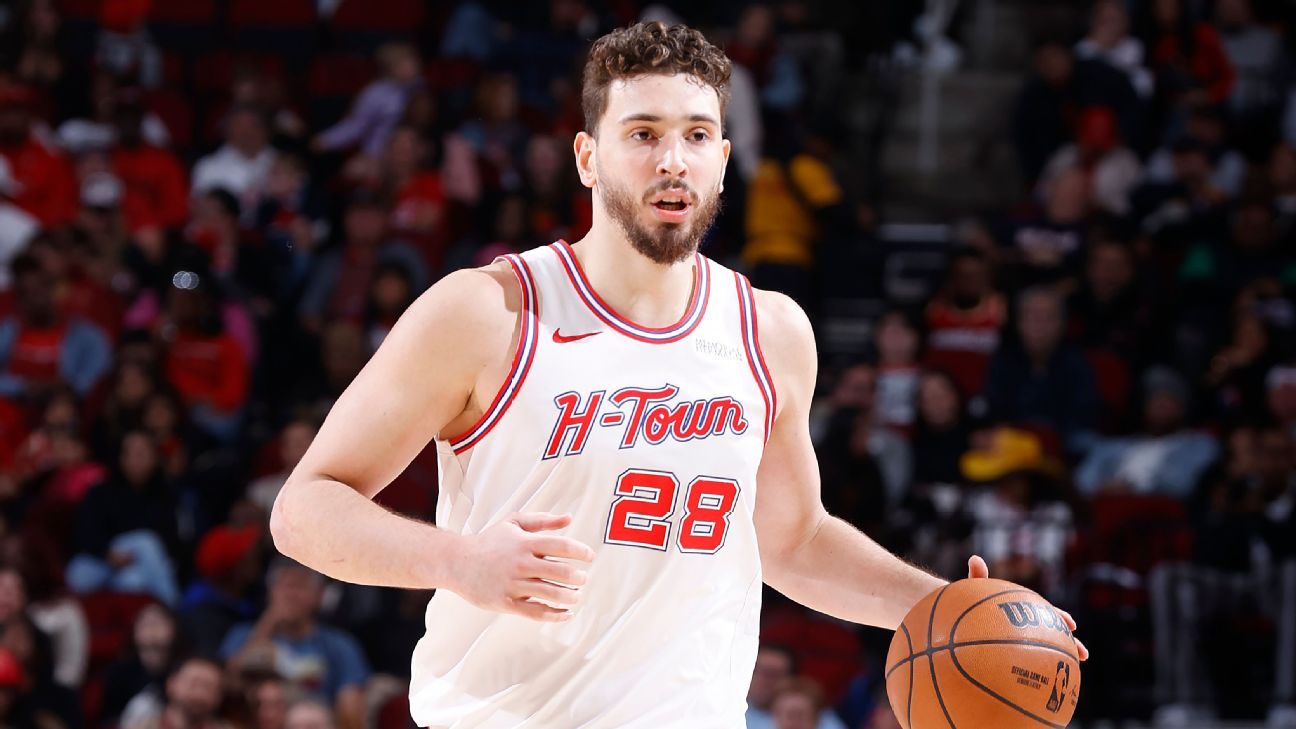
In a significant development for the upcoming NBA All-Star Game, Alperen Sengun of the Houston Rockets has officially been chosen to replace the injured reigning MVP, Shai Gilgeous-Alexander, on the World team. This announcement elicits both excitement and anticipation, particularly among the league’s younger audience, who recognize the potential of fresh talent making its mark on the grand stage.

While the absence of Gilgeous-Alexander is undoubtedly a loss for the World team, Sengun’s elevation to this prestigious event is a commendable achievement. The Turkish big man has been impressive this season, showcasing his versatility and skill set. According to ESPN, Sengun is averaging 16.7 points, 9.2 rebounds, and 5.3 assists per game, making him one of the standout young players in the league. Coach Ime Udoka of the Rockets expressed his pride in Sengun, stating, “This opportunity reflects not only his hard work but also the bright future he holds in the NBA.”

The All-Star Game, celebrated for its blend of competitive spirit and entertainment, awaits a showdown filled with dazzling plays and unforgettable moments. Fans can expect Sengun to bring his unique style to the hardwood, which is characterized by a combination of finesse and tenacity that has captivated basketball enthusiasts. As the young center prepares to join stars like Luka Dončić and Joel Embiid, the basketball community watches closely, eager for what could be a breakout performance.

  • Sengun’s Highlights: Known for his footwork and passing skills.
  • Game Stats: 16.7 PPG, 9.2 RPG, 5.3 APG this season.
  • Notable Support: Coach Ime Udoka praises Sengun’s work ethic.

As the NBA prepares for its annual showcase of the best talent, the spirit of competition takes center stage, uniting fans and players alike. The All-Star Game transcends mere statistics and rivalries, transforming into a powerful celebration of athletic excellence. In moments like these, sports unify communities, inspiring hope and joy, proving once again that the court is where futures are forged, and legends are born.

Source link

Super Bowl 2026: How to Catch Bad Bunny’s Epic Live Performance and Ride the Trend Wave

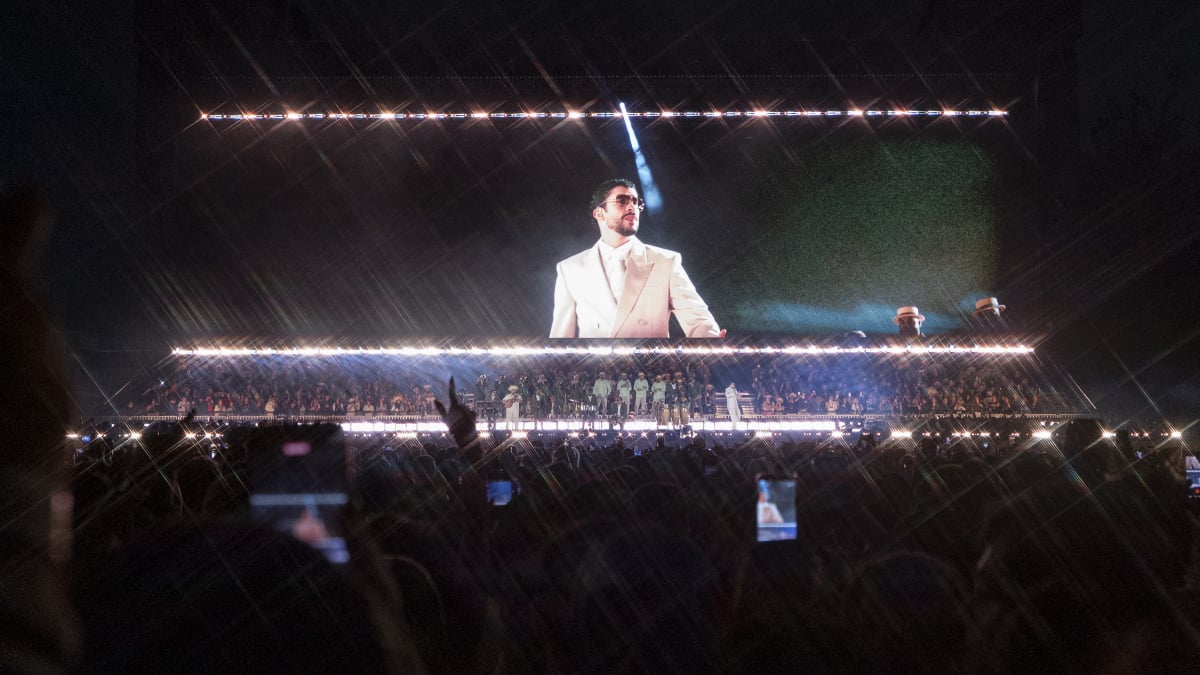
While football may not be everyone’s cup of tea, one universal language that continues to captivate diverse audiences worldwide is music. And this year, the spotlight is squarely on Bad Bunny, whose upcoming Super Bowl LX halftime show is poised to be more than just a musical performance — it’s a cultural event that bridges generations and demographics. As the reigning king of Latin trap and reggaeton, Bad Bunny has morphed beyond music into a social force, embodying shifting attitudes among youth and influencing mainstream trends.

The Super Bowl, long celebrated as a sporting spectacle, has also become a canvas for cultural icons and social commentary. With its _cultural impact_ increasingly rooted in diverse performances, the halftime show is now a key moment for social relevance. This year’s lineup featuring Bad Bunny highlights a broader societal shift towards embracing multicultural and cross-genre influences. Influencers like TikTok creators and music analysts emphasize how his presence not only boosts viewership but also signals an ongoing _shift in social norms_ — where youthful, globalized voices are gaining prominence in traditional arenas.

Moreover, the social relevance of this trend isn’t just about entertainment but about identity and representation. Bad Bunny has consistently challenged stereotypes by integrating gender-fluid fashion, outspoken advocacy for social justice, and a rebellious attitude that resonates with young audiences seeking authenticity. Sociologists note that his rising popularity exemplifies a _redefinition of masculinity and cultural expression_ among the youth, making him more than a music icon — he’s a movement catalyst. As the cultural landscape continues to evolve, the question arises: how will this influence future trends in entertainment and societal norms?

From influencers to sociologists, there’s a consensus that Bad Bunny‘s appearance at the Super Bowl is a sign of things to come — a merging of sport, music, and social activism that could redefine what it means to be a cultural icon in the digital age. Yet, the next big question remains: is this shift sustainable or just a passing wave driven by viral moments? As audiences grow more socially conscious and craving authenticity, the answer to that question could shape the next era of youth-driven cultural influence. Regardless, the world will be watching, and for many, this Super Bowl halftime will be remembered as much for the spectacle as for its emblematic role in this ongoing societal shift.

Rising Stars Shine in Epic Showdown: Future Heroes Claim Victory in Thrilling Match!

PSG’s Strategic Move: A Gesture of Goodwill Towards FC Barcelona

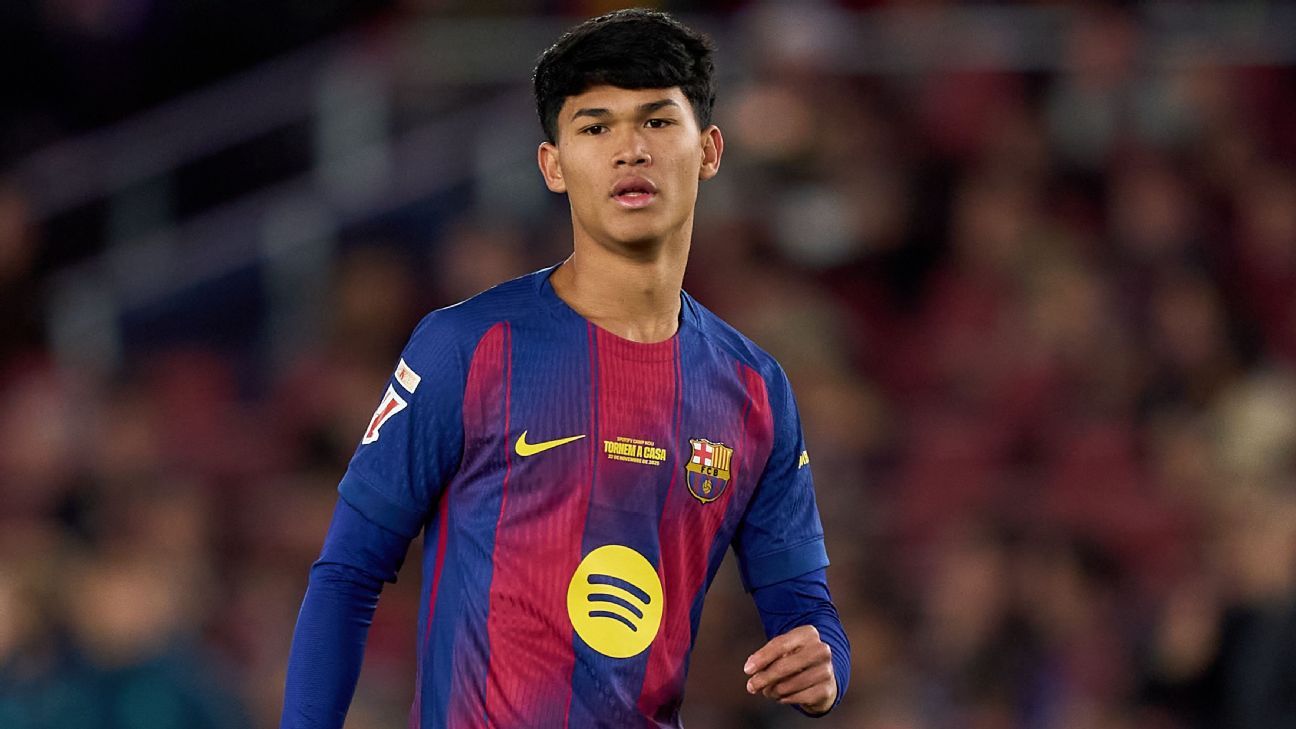
In the dynamic world of European football, it is seldom that two powerhouse clubs collaborate, but Paris Saint-Germain (PSG) is making headlines again with a surprising gesture towards FC Barcelona. The French giants have reportedly initiated discussions regarding the transfer of midfielder Dro Fernández, a move that resonates deeply within the football community, signaling a potential shift in long-standing rivalries.

According to multiple sources, PSG’s approach could be interpreted as a goodwill gesture, reflecting a more diplomatic exchange between two of Europe’s elite clubs. While the details of the transfer remain under wraps, fans and critics alike speculate that this collaboration could set the stage for future partnerships, with both clubs poised to enhance their squads through strategic transfers. Noteworthy commentators like Gary Neville have pointed out the significance of this engagement, stating, “In a game focused on profit, gestures like these remind us that mutual respect still exists among clubs.”

The stakes are high as PSG prepares for the upcoming season, eager to solidify their status in both domestic and European competitions. Coach Christophe Galtier is eager to incorporate fresh talent into his lineup, particularly as they aim to reclaim dominance in Ligue 1 and make a serious run in the UEFA Champions League. Meanwhile, Barcelona has its own ambitions, eyeing Fernández as a key figure to bolster their midfield, which has faced scrutiny over the past seasons.

  • Dro Fernández has been hailed for his vision and passing accuracy, key elements that could transform either squad.
  • PSG aims to build rapport and foster a collaborative spirit with opponents, strengthening the league’s competitiveness.
  • Galtier’s tactical prowess could see both seasoned players and newcomers like Fernández maximizing their potential.

As discussions advance, it is clear that this potential transfer encapsulates more than just player movement; it reflects the evolving nature of football, where rivalries can turn into alliances. Whether or not the deal materializes, what remains evident is that sports, through their highs and lows, possess the unique ability to unite rival factions, reminding fans that the passion for the game transcends mere competition. In the end, it is not solely about the scoreboard, but the joy of the sport itself that binds us all.

Source link

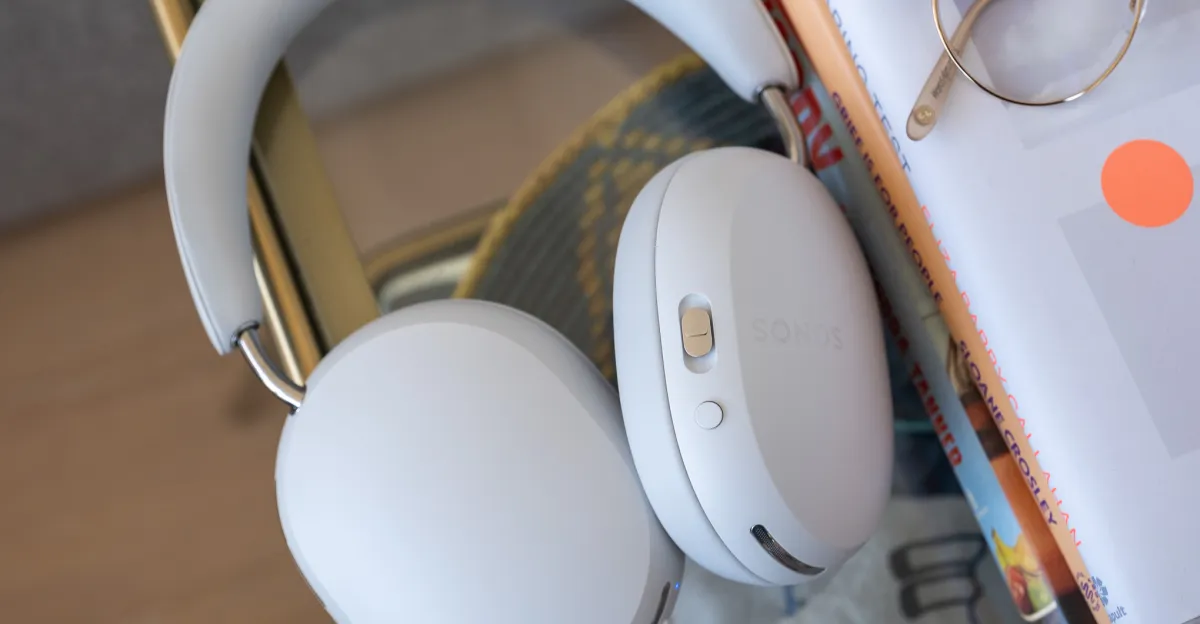
Epic Cyber Monday Deals on Bose, Sony, and Apple Headphones—Don’t Miss Out!

Tech Industry Disruption Accelerates with Groundbreaking Trends in Consumer Audio

The consumer electronics landscape is witnessing a seismic shift, driven by technological innovation and business disruption that threaten to redefine market dynamics. Established giants such as Apple, Sony, Bose, and Sonos are capitalizing on a unique window of opportunity, offering their flagship headphone and earbuds models at historically low prices. This strategic move not only boosts revenue in the short term but aims to capture greater market share in a highly competitive segment that is rapidly evolving towards personalized, immersive audio experiences.

Amidst the current price slashes—most notably on models like Apple’s AirPods Pro 3 and the last-gen Bose QuietComfort headphones—industry analysts from Gartner and MIT suggest that the next wave of disruption will hinge on innovative sound technologies and integration with emerging AI ecosystems. This momentum signals a broader market shift, where traditional audio devices are increasingly becoming gateways to larger tech ecosystems, including voice assistants, health tracking, and augmented reality. As Peter Thiel has often emphasized, the secret to sustained market dominance lies in relentless innovation, a principle now manifesting in the evolution of consumer audio.

  • Enhanced suppression of ambient noise with adaptive algorithms
  • Seamless integrations with smart home and wearable technologies
  • Advanced personalization via AI-driven sound profiles

The business implications are profound. Companies that adapt swiftly to these innovations, fostering competitive advantages such as *disruption-proof ecosystems* and *superior user experience*, will set the pace for the industry’s future. Furthermore, the recent surge in more generous return policies signifies market confidence and a strategic move to build brand loyalty among a younger, tech-savvy demographic eager for premium experiences at accessible prices. This shift highlights a growing trend—consumers are not just buying devices; they’re investing in holistic digital ecosystems.

From an innovation standpoint, the convergence of AI, machine learning, and voice recognition technologies is laying the groundwork for a new era of disruptive products. Companies are investing heavily in hardware-software integration, aiming to deliver personalized soundscapes, adaptive noise cancellation, and intuitive user interfaces that anticipate user needs. The emergence of affordable yet highly capable models, such as Nothing Phone Ear (a), reflects a savvy strategy targeting mass market penetration while maintaining technological prestige. This democratization of premium experiences foreshadows an era where advanced audio tech becomes a baseline standard, much like smartphones have become.

Looking ahead, industry leaders and innovators must navigate a landscape marked by rapid technological change and fierce competition. As Elon Musk advocates for relentless innovation and Peter Thiel underscores the importance of monopoly-driven tech markets, it’s clear that those who lead in disruption and innovation will shape the future of how humans interact with technology. The next decade promises a battlefield where audio becomes the frontier of a broader digital revolution—one that demands urgency, strategic vision, and unwavering commitment to cutting-edge development. For the youth and entrepreneurs eager to stake their claim, this is an unprecedented moment to harness the power of disruptive innovation and redefine the boundaries of what’s possible.

‘Looney Tunes’ Makes a Epic Comeback on Tubi After HBO Max Exit — A Win for Fans and the Modern Squad

For millennials and Gen Z, Looney Tunes has long been a nostalgic staple—an iconic symbol of childhood innocence and humor. Yet, 2023 and beyond have marked an unexpectedly turbulent chapter for this beloved franchise. Warner Bros. Discovery, in a move that baffled many fans, scrapped the completed Coyote vs. Acme film, merely for tax advantages, showcasing how corporate priorities are reshaping the landscape of entertainment. The story took an intriguing turn when this film was subsequently acquired by Ketchup Entertainment in 2025, set to hit theaters in 2026. Meanwhile, Warner Bros. shifted its focus away from the classic shorts library, removing it from HBO Max—an act seen not just as a business decision but as a cultural gamble to redefine what “classic” actually means in today’s digital era.

This pivot reveals more than just corporate strategy; it underscores a **shift in how society interacts with nostalgia**. By pulling classics from traditional streaming platforms like HBO Max and reintroducing these stories through newer channels, streaming services like Tubi are rewriting the rules of cultural preservation. Since acquiring 789 episodes of Looney Tunes, Tubi has seen an astounding increase in viewership, with the cartoons landing in the platform’s Top 10. This isn’t just about entertainment—it’s about fulfilling an emotional connection to childhood memories, even in an age where youth culture is often dictated by fleeting trends and viral sensations.

  • Tubi has transformed classic cartoons into binge-worthy, ad-supported episodes, maintaining the familiar TV experience that resonates with audiences’ desire for comfort and nostalgia.
  • The reintroduction of cartoons like Tom and Jerry, The Pink Panther, and Popeye emphasizes a **deliberate focus on retro content**, positioning streaming as the new Saturday morning cartoon hub for young viewers and adults alike.

This approach reflects a **social revolution in media consumption**—where *nostalgia* becomes a strategic asset in a market saturated with fast-paced entertainment. Media analyst and sociologist Dr. Lisa Grant notes that “streaming platforms are tapping into a collective desire for **authentic, simple storytelling** that evokes emotional nostalgia, acting as a cultural respite from the chaos of modern life.” For younger audiences, this signals a *cultural shift* where the past becomes the most reliable source of comfort and shared identity. TV critic Alex Martinez argues that “repackaging classic cartoons into short episodes with modern advertising models bridges generational gaps, making the old feel new again—in a way that’s both *market savvy* and socially meaningful.”

Yet, beneath the surface of this revival lies a question that could determine the future of entertainment: Will the resurgence of old-school cartoons shape how society defines ‘authenticity’ in digital content? As streaming giants and independent distributors leverage nostalgia as a driving force, the line between *original* and *recreated* content blurs. Perhaps the next phase isn’t just about bringing classics back, but reimagining what they represent in a rapidly evolving cultural landscape. The real challenge for creators and corporations alike is to ask whether this trend will foster *true cultural continuity* or merely serve as a fleeting marketing fad—something that remains to be seen as the entertainment world continues its digital transformation.

Top 17 Epic Couches for 2025: Shop Online Without Compromising Style

Furniture Industry Gets a Tech-Forward Makeover: Disruption, Innovation, and Market Implications

In an era where technological ingenuity continues to redefine every facet of our lives, the furniture market is experiencing a seismic shift driven by innovation and a relentless pursuit of disruption. Fueled by the insights of industry analysts at Gartner and innovations envisioned by industry titans like Elon Musk and Peter Thiel, companies are now leveraging modular, customizable, and smart furniture solutions that challenge traditional notions of home comfort and aesthetic appeal. This emerging trend underscores a transformation of the furniture ecosystem into a more dynamic, consumer-centric landscape that is primed for rapid growth and profound industry implications.

Leading the charge are brands such as Lovesac with their Sactional modular design, and Outer with their Teak Outdoor Loveseat — both exemplifying a new wave of super-customized, reconfigurable furniture. These offerings, with their

  • interchangeable components
  • easy assembly
  • vast array of fabric and style options

– not only allow consumers a level of personalization never seen before but also represent a disruption of traditional retail and manufacturing models. This shift in consumer preference is forging a path toward a more fluid and adaptable furniture landscape — one that emphasizes functionality, durability, and aesthetic flexibility.

On the technological frontier, companies are harnessing smart features and sustainability to differentiate themselves. The Nugget Play Couch, for instance, appeals to the millennial parents and Gen Z buyers by offering a machine washable, kid-friendly alternative to conventional furniture — highlighting a trend towards eco-conscious, user-friendly products. Meanwhile, brands such as Castlery are integrating spill-resistant fabrics with modern designs, signaling a market shift towards durable, low-maintenance options appealing to younger consumers who value both style and practicality.

Business Implications and Industry Outlook

This technological infusion into the furniture sector is eliciting profound business implications for established players and new entrants alike. As MIT researchers and industry experts have noted, the move toward mass customization and digital manufacturing threatens legacy furniture companies that rely on traditional supply chains. Instead, leaner, digitally-savvy firms employing on-demand production and localized manufacturing are better positioned to capitalize on consumer demand for quick turnaround and personalized products. The rise of subscription-based and modular furniture models, exemplified by brands like Lovesac and Koala, indicates a future where flexibility and reusability become core value propositions, fueling a new growth trajectory.

Industry analysts such as Gartner estimate that by 2025, up to 40% of furniture sales will involve some form of customization or modular design. This transformative shift underscores an urgent need for companies to innovate or risk obsolescence. Young consumers, eager for environmentally sustainable options, are increasingly gravitating toward brands that prioritize eco-friendly materials, smart features, and configurability. As Elon Musk’s ventures demonstrate, technological breakthroughs often cascade across industries — and furniture is not immune. The integration of IoT and smart home connectivity into furniture pieces further amplifies the disruption, hinting at a future where furniture becomes an active participant in home automation and energy efficiency.

Looking Ahead: The Future of Furniture in a Tech-Driven World

The rapid evolution of furniture manufacturing and retail signals an epoch where disruption and innovation will no longer be optional; they will be essential for survival. As young consumers demand products that combine style, adaptability, and smart technology, companies that prioritize disruption in supply chains, product design, and customer experience will likely dominate the next decade. Firms unprepared for this technological revolution risk being left behind in a market that is accelerating toward a future where furniture is as dynamic and intelligent as the homes they inhabit.

From modular designs that adapt to changing lifestyles to AI-enhanced smart furniture, the industry is signaling a transformation that could redefine how consumers think about comfort and personalization. With the pace of innovation quickening, the time for strategic action is now — or risk being swept away by the wave of technological disruption transforming every corner of our ecosystem.

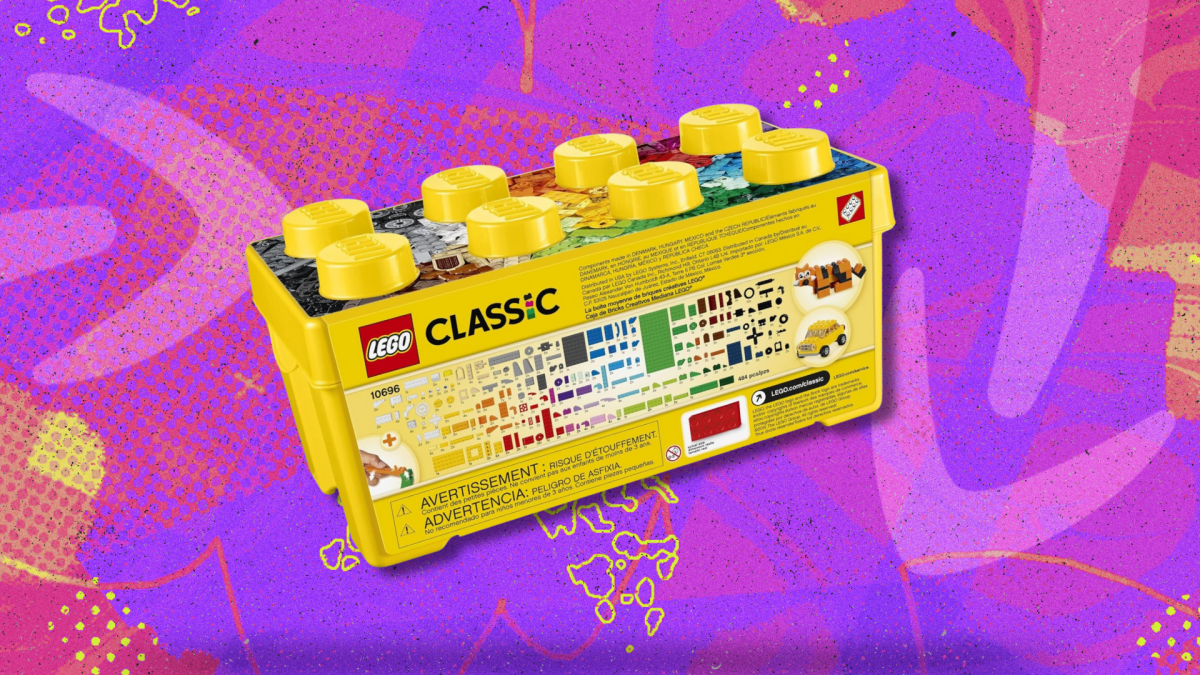
Top October Prime Day Lego Deals: Epic Star Wars Sets & Fresh Botanicals for Trendsetters

In recent years, Lego has transformed from simple children’s toys into powerful symbols of cultural evolution and social engagement. The emergence of targeted sales events like Amazon’s Prime Big Deal Days is reshaping how consumers approach holiday shopping, especially within the youth demographic. With the recent surge in Lego deals, it’s evident that the brand is not just about building blocks; it’s about building a cultural identity that resonates across generations. Influencers, artists, and social analysts agree that Lego’s strategic positioning during these shopping seasons fuels a larger societal conversation about creativity, nostalgia, and the power of DIY culture.

One of the most noticeable shifts—highlighted by savvy shoppers and trend trackers—is how Lego’s product range now caters to a broad spectrum of social interests. From Star Wars themed advent calendars to Vincent Van Gogh’s “Starry Night” sets, the brand taps into the prestige of pop culture and fine art alike. During Prime Day, these sets are not just discounted; they become a vessel for cultural expression. For example, the Lego Star Wars Advent Calendar offers fans a chance to build and preserve some of cinema’s most iconic characters, while also creating a sense of holiday tradition. Meanwhile, adult Lego enthusiasts tap into these deals to craft home decor or artistic installations, demonstrating how Lego blurs the lines between childhood entertainment and mature artistic pursuits. The brand’s strategic deals make it clear: Lego is evolving into a lifestyle staple that speaks to the ambition of its diverse audience.

Experts like Dr. Julia Sanchez, a sociologist specializing in youth culture, note that Lego’s ability to remain relevant amidst digital distractions is rooted in its social relevance. “Lego is no longer just a toy; it’s a language of self-expression,” she explains. With social media influencers showcasing their own creative builds—ranging from architectural marvels to trending pop culture memes—the brand gains a new layer of social currency. The potential for users to share their masterpieces on platforms like TikTok and Instagram turns Lego into an interactive, participatory activity that fosters a sense of community. This participatory culture is making Lego a digital-age phenomenon: a tool for storytelling, identity exploration, and even social mobility, as users showcase their ingenuity for a global audience.

The Future of Creative Consumption: What’s Next for Lego?

As the Lego movement continues to thrive in an era dominated by instant digital gratification, a compelling question remains: Will the brand be able to sustain its cultural relevance as societal values evolve? The next big frontier is how Lego integrates emerging technologies like augmented reality (AR) and AI-driven creative tools. Will future consumers build not only with physical blocks but also code and virtual materials that bridge the tangible and digital worlds? Artists and analysts are increasingly asking whether Lego’s rising influence will inspire new forms of hybrid creativity—perhaps blending traditional craftsmanship with virtual design. The core issue is whether Lego’s strategic investments can keep pace with societal shifts towards personalization, sustainability, and digital storytelling.

The evolution of Lego during prime shopping seasons reveals deeper societal currents—highlighting how a humble toy can become a mirror for cultural aspirations. As shoppers gear up for the holiday season, the question is no longer just about finding a deal; it’s about understanding how products like Lego shape—and are shaped by—society’s evolving values and dreams. The real challenge for the future lies in whether Lego can continue to inspire the next wave of innovators who will craft not just with blocks, but with the ideas that shape tomorrow’s culture.

Social Media Auto Publish Powered By : XYZScripts.com