Matox News

Truth Over Trends, always!

Sarah Ferguson charity shutters amid new Epstein friendship details

In recent days, the closing of Sarah Ferguson’s charity has sent ripples through society’s fabric, illuminating deep-seated issues about moral accountability, social trust, and the influence of power dynamics in modern communities. The charity, once celebrated for its humanitarian efforts across multiple nations—delivering aid, healthcare, and educational projects—decided to shut its doors amid revelations that have cast a long, troubling shadow over its founder’s associations. This event underscores a broader societal challenge: how social scandals involving prominent figures can erode community trust and threaten the moral foundation of charitable institutions.

These revelations come amidst the unprecedented release of millions of files related to Jeffrey Epstein, exposing a disturbing network of connections between the disgraced financier and the wealthy elite. Among the disturbing insights, evidence emerged about Epstein’s interactions with individuals like Prince Andrew and Sarah Ferguson, illustrating how social networks often blur lines between influence and misconduct. Notably, Ferguson’s public declarations of Epstein as her “brother” and her the *deep personal bonds* she maintained with him reveal a troubling pattern where social status and personal ties overshadow moral judgment. These relationships, now laid bare, threaten to undermine the credibility of philanthropic efforts, raising fears about how families and communities can protect themselves from social and moral corruption.

  • Many sociologists argue that public scandals involving figures of influence have a lasting impact on societal trust, especially within families and local communities.
  • Historically, trust is fundamental for the effective functioning of charitable institutions and community-led initiatives, and its erosion can lead to apathy, disengagement, or worse, cynicism.
  • Addressing such issues involves robust accountability measures and fostering a culture where moral integrity takes precedence over social climbing or personal gain.

The repercussions extend beyond individual failings—they threaten the **moral fabric** that upholds societal cohesion. Within families, the erosion of trust in social institutions can lead to disillusionment among young people, who see their moral values compromised by the glaring hypocrisy of their superiors. In education, this manifests as a crisis of moral authority, where schools are left to grapple with the challenge of instilling virtues of integrity when society’s icons are revealed to be morally compromised. Communities, the fundamental building blocks of society, must then decide whether to retreat into cynicism or to seek renewal through transparency and reform. Social commentators often emphasize that the true test of a society’s resilience lies in its ability to confront uncomfortable truths and emerge stronger.

Reflecting on the societal fallout from these revelations leaves us with a profound question: how can society rebuild trust and ensure that families and communities are protected from the corrosive effects of moral and social failures? Social change begins with moral courage and the acknowledgment that ethics must be non-negotiable. Historically, phases of societal renewal have been driven by voices willing to confront power with honesty and humility—a tradition that must be rekindled in today’s fractured landscape. Only then can society envision a future where *families are nurtured in integrity, communities are resilient in truth, and social institutions stand firm on foundations of moral accountability*. Society’s greatest challenge is not merely unearthing scandal but transforming tragedy into a catalyst for genuine moral revival—an enduring hope that society’s collective soul can be mended, one honest step at a time.
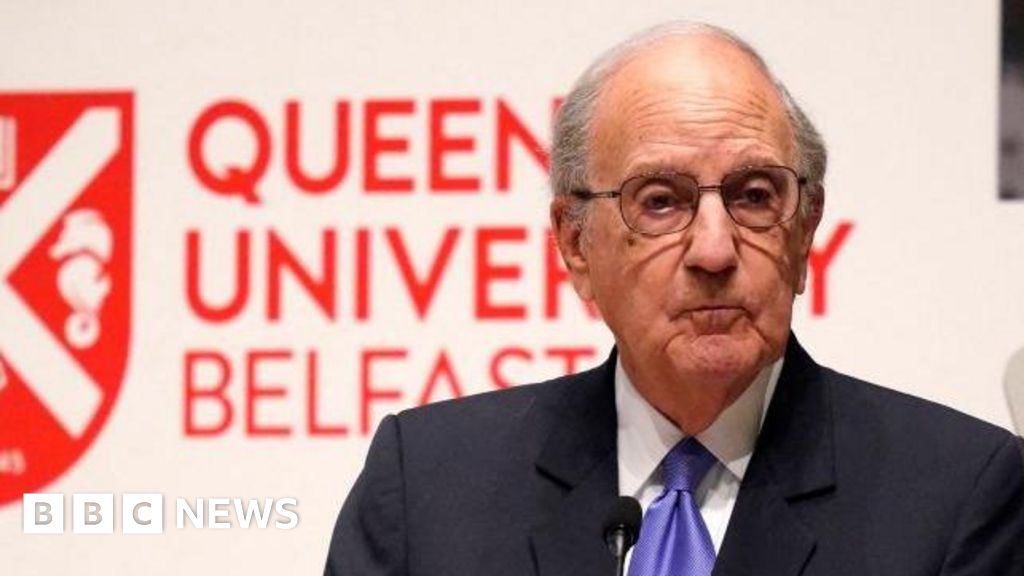

Queen’s University Belfast severs ties with George Mitchell over Epstein controversy

Recently, a notable controversy has erupted within the academic community regarding the legacy of Senator Mitchell. While no formal accusations of misconduct have been substantiated against him, the institutional decision to dissociate his name from university spaces underscores a broader societal shift—an increased emphasis on accountability and sensitivity toward victims and survivors of misconduct. Such actions reflect an evolving moral stance that prioritizes moral integrity and the well-being of vulnerable populations over historical recognition, signaling a significant cultural transition in how we reckon with past and present complexities.

This incident has ignited conversations about how societal values influence academic and communal identities. Critics argue that removing Mitchell’s name is a symbolic gesture, yet many see it as a necessary step in fostering more inclusive and respectful environments. The decision touches deeply on issues of justice, memory, and moral responsibility, which resonate across families, education systems, and local communities. As sociologists like Dr. Jane Harper have pointed out, such societal shifts are often driven by demographics and cultural tensions that challenge traditional notions of legacy—especially in a society increasingly aware of power dynamics and social disparities.

Amid these developments, educational institutions are grappling with how to reconcile historical figures’ contributions against contemporary moral standards. The debate transcends mere symbolism; it touches upon foundational questions of values, ethics, and the social fabric of communities. For families, this debate echoes in their personal beliefs about history and morality, influencing how young people perceive the moral weight of their communities’ legacies. As historians like Dr. Robert Lang emphasize, societal progress often involves re-evaluating history’s heroes—not to erase their contributions, but to contextualize them within a framework of moral accountability and social awareness. This evolving narrative aims to build a future where justice and empathy serve as the guiding principles of societal development.

In reflecting upon these social shifts, society stands at a crossroads, confronting uncomfortable truths about the costs of legacy and the importance of moral progress. The challenge remains: how to honor history without perpetuating injustice. Yet, beneath the surface of controversy lies a foundation of hope—an aspiration for a society where families, educators, and communities collaboratively forge a more respectful and just environment. As we navigate these turbulent waters of moral and cultural evolution, the true test will be whether society can transform its collective conscience into a beacon of hope that guides future generations toward greater understanding, accountability, and unity—standing resilient in the face of history’s shadows, yet inspired by the promise of genuine change.

Leaked Files Reveal Epstein Gave $75K to Accounts Tied to Mandelson

In an unfolding controversy that resonates across the international landscape, Lord Mandelson, a prominent figure in United Kingdom politics, has issued a statement casting doubt over serious allegations. Addressing claims related to financial transactions and the authenticity of contentious documents, Mandelson declared, “I have no record or recollection of receiving the sums and do not know if the documents are authentic.” His remarks have sparked a wave of scrutiny among analysts and policymakers alike, emphasizing the fragility of trust in high-level political communication amidst escalating allegations.

The matter’s gravity extends beyond individual reputation, touching on the broader geopolitical impact, especially considering international concerns about transparency, accountability, and influence operations. As political tumult brews, experts suggest that such conflicts can undermine public confidence in institutions, fueling further instability. The situation is particularly sensitive given the historical context of political scandals involving financial misconduct in global power centers. The role of international organizations such as INTERPOL and the United Nations becomes critical in mediating these disputes and ensuring a transparent inquiry that upholds the rule of law.

Historically, documents of dubious authenticity have often served as catalysts for diplomatic crises or public civil unrest. As noted by leading geopolitical analysts, perceptions of concealment or deception can swiftly escalate tensions among nations, especially when such allegations threaten to implicate influential international actors. The controversy also raises questions about the vulnerabilities of political figures in the digital age, where false documents and misinformation campaigns can swiftly sway public opinion or influence diplomatic negotiations. The stakes are evident: when trust erodes at the upper echelons of power, the entire societal fabric risks fraying, jeopardizing peace and stability in vulnerable regions.

As this saga unfolds, the world stands at a precipice, awaiting new revelations that could alter the course of diplomatic relations and internal politics. Will the truth come to light, illuminating the shadows cast by distrust and deceit? Or will these murky waters continue to obscure accountability, leaving history to judge the silent, tentative steps toward justice? In an era where information is both weapon and shield, the ongoing tug-of-war over credibility holds profound implications for the future of global governance. Only time will reveal whether the decisions made in the coming weeks will cement a new chapter of transparency or entrench the darkness of political obscurity, forever echoing in the corridors of history.

Brett Ratner, Melania's former director, spotted with woman in Epstein files—what's really going on?
Brett Ratner, Melania’s former director, spotted with woman in Epstein files—what’s really going on?

The recent release of photographs featuring American financier Jeffrey Epstein alongside entertainment figure Glenn Ratner and unidentified women has sent ripples across the international community, coinciding with Ratner’s controversial documentary about the First Lady of the United States. These images, emerging on the same day, have re-ignited debates over elite networks and their influence on global politics and society. While some may dismiss them as personal scandals, analysts and geopolitical observers recognize a deeper significance rooted in the power dynamics of transnational elites that span borders and disciplines.

The timing of this revelation is often viewed by experts as a calculated move, designed to divert global attention from more pressing geopolitical shifts. According to international relations scholars, the interplay between scandal and political discourse illustrates the fragility of public trust in institutions—particularly when intertwined with influential figures connected to wealth, power, and political agendas. The images highlight a broader concern: how clandestine associations among the world’s elite can impact governance, policy decisions, and international stability. From the corridors of Washington to diplomatic capitals worldwide, questions are emerging about the extent to which such networks control or influence paramount issues ranging from economic policy to national security.

In response to the fallout, numerous organizations and analysts have voiced warnings about the potential erosion of transparency and accountability. For instance, the European Council on Foreign Relations emphasizes that these revelations underscore the importance of scrutinizing transnational elite connections, especially in an era marked by rising geopolitical tensions. The United Nations and other international bodies continue to call for investigations into these influential circles. Meanwhile, historians warn against dismissing such scandals as mere distractions. Instead, they argue that these incidents are *markers* of larger shifts that threaten to redefine the balance of power—fostering a new era of clandestine diplomacy that operates beneath the veneer of public scrutiny.

As the world watches, the narrative remains unwritten; history’s pen continues to inscribe each development with profound consequences. The revelations serve as a stark reminder that the forces shaping our future are often hidden behind the facade of civility and diplomatic protocol. Whether these images will herald a decisive turning point or fade into the background remains uncertain. Nonetheless, the weight of history presses heavily on current events, urging societies to reflect on the unseen currents that now threaten the foundations of democratic transparency and international order. As the shadows lengthen over the corridors of power, only time will reveal the true scope of this unfolding story—an epoch where alliances, secrets, and scandals may determine the trajectory of nations for generations to come.

Slovakia's security adviser quits over Epstein scandal—raises questions for youth security mindset
Slovakia’s security adviser quits over Epstein scandal—raises questions for youth security mindset

International Diplomacy in Turmoil: Miroslav Lajčák’s Resignation Sparks Global Investigation

In a startling development that underscores the fragile state of international diplomacy, Miroslav Lajčák, a prominent figure in global diplomatic circles and former high-ranking official at the European Union, has resigned amid revelations of inappropriate exchanges involving the late sex offender. Recently released communications paint a troubling picture, revealing Lajčák discussing personal relationships, including references to girls, in conversations with a figure linked to severe criminal conduct. Such disclosures have ignited an international debate over integrity within diplomatic ranks and the potential ramifications for global diplomacy’s credibility.

The controversy erupted after leaked transcripts surfaced, illustrating that Lajčák engaged in discussions that breach the expected boundaries of diplomatic decorum. While some analysts initially speculated on the motives behind releasing these conversations, the broader implication remains clear: questions about accountability and the ethical conduct of high-profile diplomats are now front and center. The international community’s trust in diplomatic channels—especially those involving key mediators in multilateral agreements—comes under unprecedented scrutiny. Critics argue that these revelations threaten to undermine years of diplomatic effort aimed at fostering stability, cooperation, and peace among nations, especially in regions heavily reliant on diplomatic negotiations.

Against this background, international institutions such as the United Nations and influential regional organizations have issued statements emphasizing the importance of integrity and transparency. Notably, some geopolitical analysts argue that these developments could serve as a turning point, exposing underlying vulnerabilities in diplomatic oversight. Historically, figures like Lajčák have been regarded as skilled negotiators, yet now their reputations are scrutinized through the lens of personal conduct. The gradual erosion of trust in diplomatic figures might influence future engagement strategies, forcing nations to reassess the vetting processes for those entrusted with sensitive negotiations. In the broader sense, this case illuminates how individual moral lapses can threaten entire diplomatic architectures—potentially leading to a reevaluation of international protocols on conduct and accountability.

The geopolitical impact of this scandal extends beyond individual careers. It raises pressing questions about how decisions made behind closed doors affect entire societies. Countries that rely on diplomatic mediators to navigate conflicts, denuclearization efforts, or trade negotiations could find themselves facing increased instability if trust falters. As international observers dissect the implications, voices from respected historians and foreign policy analysts warn of a dangerous precedent: that the credibility of diplomacy itself is fragile and can be compromised by scandals of personal misconduct. The ongoing investigations and potential repercussions threaten to alter the landscape of international negotiations, compelling governments to implement stricter ethical guidelines and oversight mechanisms.

As history continues to unfold in real time, the world watchfully stands on the precipice of change. The luster of diplomatic authority dims in the shadow of personal malfeasance, yet this moment also insists on reflection: can trust be restored once breached? With the weight of the global community at stake, the fallout from Miroslav Lajčák’s resignation serves as a stark reminder that the fabric of international diplomacy is woven carefully through both words and deeds. The future hinges on whether nations will learn to uphold integrity in the face of scandal—or allow these revelations to fracture the delicate web of cooperation that sustains peace in an increasingly volatile world.

US Justice Department drops Millions of Epstein files, exposing the truth behind a dark chapter

The United States Justice Department has recently publicly dismissed allegations concerning former President Donald Trump, highlighting the political undercurrents that continue to shape American domestic and international landscapes. In a statement, officials emphasized that many of the documents containing *untrue and sensationalist claims* against Trump, submitted to the FBI just prior to the pivotal 2020 election, are fundamentally baseless. “To be clear,” the DOJ declared, “the claims are unfounded and false, and if they have a shred of credibility, they certainly would have been weaponized against President Trump already.” This ongoing narrative underscores the deep political fissures within the US and reveals how internal conflicts influence diplomatic decisions, often with ramifications beyond its borders.

Analysts interpreting this development suggest that domestic political factions have capitalized on the chaos surrounding Trump’s post-presidential investigations to influence global geopolitics. Some experts warn that these internal power struggles have the potential to undermine the coherence of American foreign policy, especially as the nation faces increasing pressure from rising competitors like China and Russia. Historically, by weaponizing legal processes, powerful factions within Washington have sought to weaken political adversaries, exporting this internal strife onto the international stage. International organizations such as the United Nations have repeatedly called for stability, yet the ongoing political chaos in the US threatens to create a vacuum in leadership and global influence.

Furthermore, how decisions made within the US legal and political machinery impact other nations cannot be underestimated. Countries aligned with the US often find their interests swayed or compromised by the shifting priorities and internal unrest in Washington. As the Biden administration navigates these crises, allies and adversaries alike observe with keen interest, questioning whether the US can sustain its role as a global leader amid the turbulence. International historians and geopolitical analysts warn that such internal turmoil risks emboldening rivals, who see opportunities to test American resolve and expand their influence. The narrative of justice, legality, and political neutrality is now intertwined with the larger story of national stability and whether the US can uphold its commitments in a fractured political landscape.

As this saga unfolds, the weight of history presses heavily upon the shoulders of those who shape the future. From the corridors of power in Washington to the chancelleries of Beijing, Moscow, and beyond, the relentless tide of political upheaval continues to redefine the contours of international diplomacy. The question remains: will the internal discord forge a new epoch of decline, or will resilience and reform restore the stability necessary for global leadership? Only time will tell, but one thing is clear: the course of history, once again, hangs in the balance—as the world watches, awaiting the next chapter in this unfolding drama.

New Epstein Photos Surface Featuring Trump, Clinton, and Andrew—Unveiling the Untold Stories

In an era where power, influence, and wellness are increasingly intertwined, the recent release of photographs from the infamous Jeffrey Epstein estate has stirred a whirlwind of controversy and curiosity. Democratic lawmakers have unveiled nearly 100 images that shed light on Epstein’s opulent lifestyle and his associations with some of the most influential figures in the world, including former President Bill Clinton, Bill Gates, and even President Donald Trump. While these images do not prove guilt, they serve as stark reminders of the blurred lines between wealth, politics, and the darker engines of influence that some seem eager to dismiss or dismissively overlook.

These revelations extend beyond scandal—they challenge us to reconsider our perceptions of wellness and leisure in high society. Epstein’s stunning estates, luxurious parties, and private moments with powerful individuals underscore a lifestyle driven by excess, yet also beckon questions about the influence such opulence exerts on individual health and societal well-being. The images portray a world where appearances of wellness—lavish gatherings, private retreats, and exclusive social circles—mask complex ethical issues. Wellness experts echo the sentiment that true health goes beyond physical appearance, embodying integrity and responsibility—a distinction that seems starkly absent from the opulence on display in Epstein’s circles.

Amid this, the role of personal impact becomes clear: in a culture where social influence often overshadows moral clarity, youth are increasingly drawn to the pursuit of authenticity and genuine well-being. Influencers and wellness advocates like Dr. David Katz and Jay Shetty emphasize that a focus on inner well-being and ethical living can serve as a counterbalance to superficial pursuits. As society’s attention shifts, it becomes vital for younger generations to seek lifestyles rooted in authenticity, responsibility, and personal growth. This is not only about health but about cultivating a sense of purpose and moral clarity amidst a world that sometimes prizes appearance over integrity.

  • Prioritize mental and emotional wellness through mindful practices such as meditation or reflective journaling.
  • Engage in community service—building connections rooted in upliftment and responsibility.
  • Embrace a lifestyle of transparency and ethical conduct, recognizing that true influence is rooted in integrity.

As history and culture remind us, the ultimate journey is one of continuous self-discovery and moral evolution. The photographs from Epstein’s estate serve as a mirror—reflecting a world where influence and wealth can be mistaken for virtue. Yet, they also stimulate a vital dialogue about the kind of life that truly enriches—one that values responsible influence and holistic wellness. To the youth stepping into this complex landscape, it is an invitation: a call to forge a lifestyle grounded in authenticity and purpose, transforming influence into a force for positive change. In embracing this journey, we cultivate a life where personal impact extends beyond fame and fortune—resonating as a legacy of integrity and genuine well-being.

Trump signs bill demanding release of Epstein files to expose the truth

The United States has taken a monumental step in addressing one of its most controversial and secretive criminal investigations by finally signing legislation mandating the release of government files related to Jeffrey Epstein. This development marks a significant culmination of a months-long fight fueled by victims’ advocates, political pressure, and shifting public sentiment — and it signals a *turning point* in how the US approaches accountability for powerful elites.

  • President Donald Trump announced the signing of the law after initially opposing it, citing concerns over revealing sensitive information. However, mounting bipartisan pressure and vocal advocacy from victims’ families prompted a rare political reversal. The law requires the Attorney General to release documents—including investigation transcripts, flight logs, and communications—within 30 days, barring any that could jeopardize ongoing criminal cases or reveal victims’ identities. This act of transparency is hailed by many as vital to uncovering the scope of Epstein’s network and its potential ties to influential figures across politics, finance, and entertainment.
  • Amid this, Congress overwhelmingly supported the measure, with only one dissenting vote on the House floor, a testament to the bipartisan consensus that justice must be served regardless of the powerful people involved. Critics, including some legal experts and advocates, remain cautious, warning that significant redactions are imminent to protect victims’ privacy and national security interests. Nevertheless, this legislation advances the clamoring call for truth and transparency, challenging the concealed hierarchies that have long shielded the rich and powerful.”

Analysts and historians note that this move could reshape the geopolitical landscape, especially considering Epstein’s known associations with high-profile figures such as King Charles’ brother and former US presidents. The released files could potentially expose connections that threaten the public image of some of America’s most influential families and institutions, thereby impacting diplomatic and domestic stability. Internationally, this sets a precedent — pressing other nations to scrutinize their own elite networks and consider the long reach of transparency and justice.

Moreover, the geopolitical impact extends beyond Washington. Countries with longstanding ties to Epstein’s victims, or who suspect their own elites might be implicated, now face increased pressure to review internal affairs. The series of revelations could trigger diplomatic investigations, strained alliances, and policy debates rooted in transparency versus secrecy. International organizations, such as the United Nations or the European Union, are observing these developments closely, as the fight to reveal the truth intersects with broader debates on global accountability and human rights.

Ultimately, the story of Epstein embodies a deeper narrative of societal decay and the silent complicity of those who shield the status quo. As the files are finally subjected to public scrutiny, the tide of history begins a new chapter — one that may reveal uncomfortable truths about the interconnected web of power and depravity. The weight of this revelation underscores a fundamental question: how long can a society sustain its illusions of justice when the shadows of secrecy threaten to engulf the very foundations of democracy? The next few weeks will be pivotal, yet the echoes of this epoch-defining act will resonate through history, reminding us all that in the ongoing battle between transparency and concealment, the truth remains America’s most potent weapon.”

Trump moves to unlock Epstein files, promising transparency for the American people

Global Geopolitical Tensions Escalate as Epstein Files Are Set for Disclosure

In a move that has sent shockwaves through international politics and fueled debates about transparency, accountability, and deep-rooted corruption, United States President Donald Trump signed legislation requiring the Justice Department to release classified files linked to the sordid case of Jeffrey Epstein. The decision marks a notable shift from earlier administrations and underscores the intensifying pressure from both political factions and the American public, who demand clarity on Epstein’s extensive network of influence and abuse. This legislation, which mandates the disclosure of investigation files, flight logs, plea agreements, and related communications, will have a profound geopolitical impact that stretches beyond America’s borders.

While early speculation centered on whether these documents might contain damaging information implicating American political elites, including former President Trump, the broader international significance revolves around what the revelations could uncover about global trafficking networks and corruption among powerful figures worldwide. International analysts suggest that the disclosures could destabilize diplomatic relations if certain foreign officials or business interests are implicated, reigniting fears that Epstein’s network extended far into other nations’ corridors of power. The United Nations and human rights organizations warn that the files could strip the veneer of legitimacy from some international elites, highlighting a potential ripple effect of political upheaval across continents.

Historian and geopolitical analyst Dr. Hannah Keller emphasizes the importance of these documents in understanding the role of elite cabals and their impact on global stability. “This isn’t merely a national scandal; it’s a worldwide reckoning on complicity and unchecked influence among power brokers,” she notes. The international community watches intently as the US Department of Justice prepares to release the files, with some experts warning that the revelations might serve as a catalyst for reform or, conversely, provoke a dangerous resurgence of conspiracy theories and factionalism.

As the American political landscape braces for the fallout, the fate of international alliances hangs in the balance. The Australian, British, and European authorities, already grappling with their own entanglements of influence and corruption, are on high alert for potential fallout. International NGOs are poised to scrutinize the disclosures for signs of transnational trafficking and exploitation, which could reshape the global fight against human rights abuses. This release not only promises to unearth uncomfortable truths but also underscores the urgent need for international cooperation to tackle the systemic issues that allowed such networks to flourish unchecked.

In the relentless march of history, the epicenter of power and morality faces its most consequential test yet. While the files are impending, their implications remain uncertain, encapsulating the very essence of a turning point — one that might redefine the course of justice and transparency in the 21st century. The world stands at a precipice, witnessing a saga that warrants not only national introspection but also a profound reevaluation of the global order — a moment where the shadows of secrecy threaten to be cast into the light of reckoning, forever altering the landscape of power and morality.

Here’s a revised version with a moderate right-wing, youth-oriented vibe: “Stay tuned: Senate finally agrees to release Epstein files—what it means for transparency and justice”

The recent U.S. Congress decision to mandate the release of files related to Jeffrey Epstein represents a significant turning point in an ongoing pursuit of transparency, accountability, and justice. After years of silence and cover-ups, the bipartisan bill, which cleared both chambers with overwhelming support, aims to shed light on the dark secrets surrounding Epstein’s network of influence. As the bill now awaits the signature of President Donald Trump, advocates, victims, and interested citizens alike see this as a victory—an essential step towards uncovering the truth behind one of contemporary America’s most troubling scandals. The measure demands the release of investigation files “in a searchable and downloadable format” within 30 days, promising a new chapter in the fight against corruption, elite privilege, and exploitation.

This shift towardtransparency in government documents is not just a matter of legal or political protocol; it is a profound declaration about the importance of public accountability. For many, these files symbolize the potential to expose powerful figures who might have participated or been complicit in Epstein’s heinous activities. Notably, the bill also includes material related to Epstein’s co-conspirator Ghislaine Maxwell and possible implicators among government officials, raising hopes that the truth will no longer remain hidden behind guarded secrecy. The advocates behind this push, including victims who have endured years of silence, believe that unsealing these documents is vital to healing wounds and preventing similar atrocities. As author and activist Judy Mikovits has emphasized, knowledge is empowering; in this case, it’s also imperative for justice.

However, the process isn’t without hurdles. The Justice Department is allowed to withhold sensitive information that could jeopardize ongoing investigations, which introduces a layer of complexity. Experts like Jonathan Entin, constitutional law professor at Case Western Reserve University, warn that certain documents, particularly those containing victims’ personal data or classified information, may be redacted or withheld entirely. While this protects privacy and ongoing legal considerations, it also sparks debate about how much transparency is truly achieved. Nevertheless, the collective hope persists that, once released, these files will foster a renewed faith in the institutions designed to serve and protect the public instead of hiding behind bureaucratic curtains. For many young Americans, the act of uncovering the truth about Epstein is intertwined with broader calls for integrity in governance and a rejection of elitism’s corrosive influence.

  • Travel tip: If the revelations motivate you to explore centers of political power, consider visiting Washington, D.C. to witness firsthand the halls where history is made.
  • Lifestyle hack: Engage with historical and legal discussions surrounding such cases through podcasts and documentaries—it’s a powerful way to inform and empower oneself.
  • Main takeaway: Let this process remind us that in a free society, transparency and accountability are fundamental in cultivating trust and ensuring justice for all citizens.

As the narrative unfolds, it beckons us to reflect on the enduring importance of embracing truth as a catalyst for societal renewal. Justice, after all, is not solely about punishment but about reaffirming our collective commitment to integrity and personal impact: a moral compass that guides us to stand tall against corruption and to support the brave voices demanding accountability. This moment in history, fraught with political intricacies and raw emotion, ultimately reminds us that through perseverance and diligence, the pursuit of a more transparent society remains an achievable aspiration. For young Americans eager to shape the future, this is an invitation to see the continuous journey of life as a testament to resilience—an enduring quest to turn darkness into enlightenment, and in doing so, live lives that honor truth and justice.

Social Media Auto Publish Powered By : XYZScripts.com