Matox News

Truth Over Trends, always!

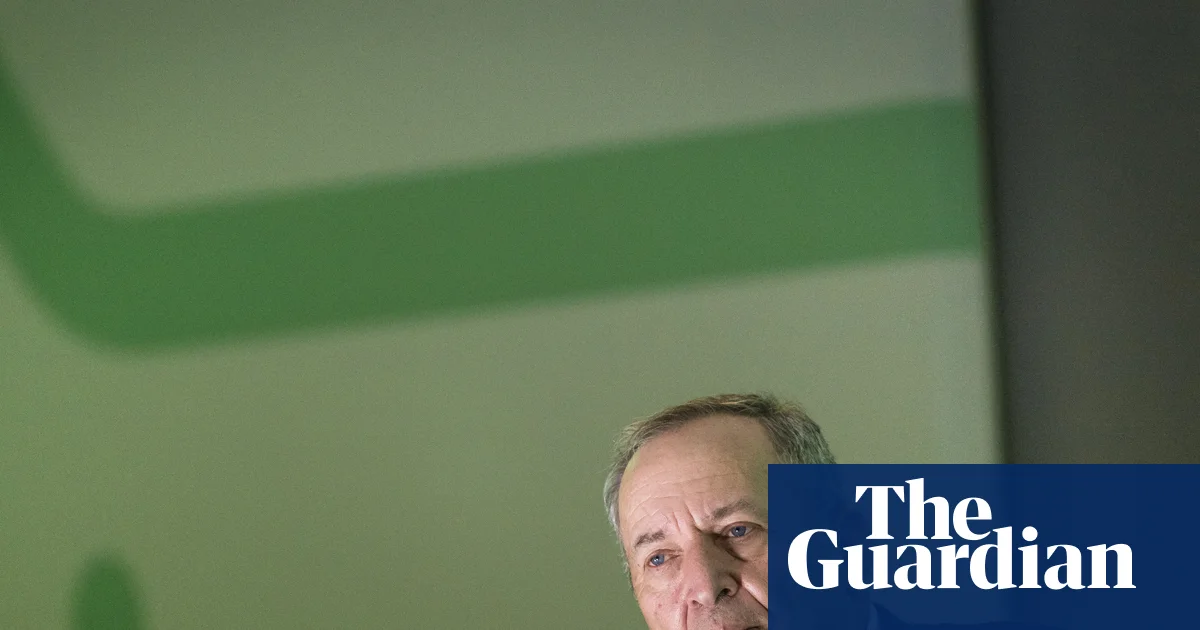
Larry Summers quits OpenAI board amid Epstein email scandal

In a period where global power dynamics are shifting at an unprecedented pace, recent developments highlight how personal scandals can ripple through the fabric of international influence and technological advancement. The resignation of former US treasury secretary Larry Summers from the board of OpenAI follows the release of emails linking him to Jeffrey Epstein, the convicted sex trafficker whose network reached into the highest echelons of society. Although Summers emphasizes his desire to “rebuild trust,” this controversy underscores an ongoing narrative of transparency and accountability that is reshaping the societal landscape, especially among the youth who are increasingly mindful of ethical leadership and institutional integrity.

Moreover, the broader geopolitical impact stems from the U.S. Congress passing legislation requiring the release of Epstein-related files, which now moves toward President Donald Trump‘s desk. As the bill’s passage signals a shift towards more stringent accountability, it simultaneously reveals deeper divisions within American political and social institutions. Analysts suggest that this move could expose more high-profile figures involved in Epstein’s circle, potentially shaking the foundations of global elites’ influence and prompting a reevaluation of the power structures that have long operated behind closed doors. The release of these documents may serve as a catalyst for broader societal introspection, questioning the integrity of those in power—especially those who have maintained close ties to controversial figures. While some see this as a step toward justice, others warn that exposing too much could destabilize long-standing networks and alliances critical to America’s geopolitical strategy.

Meanwhile, the internal shifts at OpenAI reflect a similar tension within the technological and ideological frontiers. Summers’s departure, following his appointment amidst internal conflicts over leadership, is emblematic of a broader struggle in the industry: the balance between innovation and ethical responsibility. How nations and societies respond to such moral dilemmas will determine the future trajectory of AI development and global influence. As AI companies continue to push the boundaries of technological adoption, the potential geopolitical ramifications become ever more complex—particularly as rival powers like China and Russia seek to dominate AI-driven supremacy for strategic advantage. The decisions made today about regulation, transparency, and moral accountability will have lasting effects on how the world navigates power, influence, and technological sovereignty in the decades ahead.

History is now at a turning point where the revelations surrounding figures like Summers serve as a sobering reminder: the intertwined nature of global leadership, technology, and clandestine networks can reshape the course of nations. From the corridors of Washington to the Silicon Valley boardrooms, the question remains—how will societies, inspired by generations of youth eager for justice and transparency, respond to the emerging revelations? As the weight of history bears down on these unfolding narratives, the world stands at a crossroads, where the outcome could either reinforce the foundations of responsible leadership or reveal deeper fissures in the global order. The story of the 21st century continues to be written, and the choices made today may well echo through the corridors of history for generations to come.
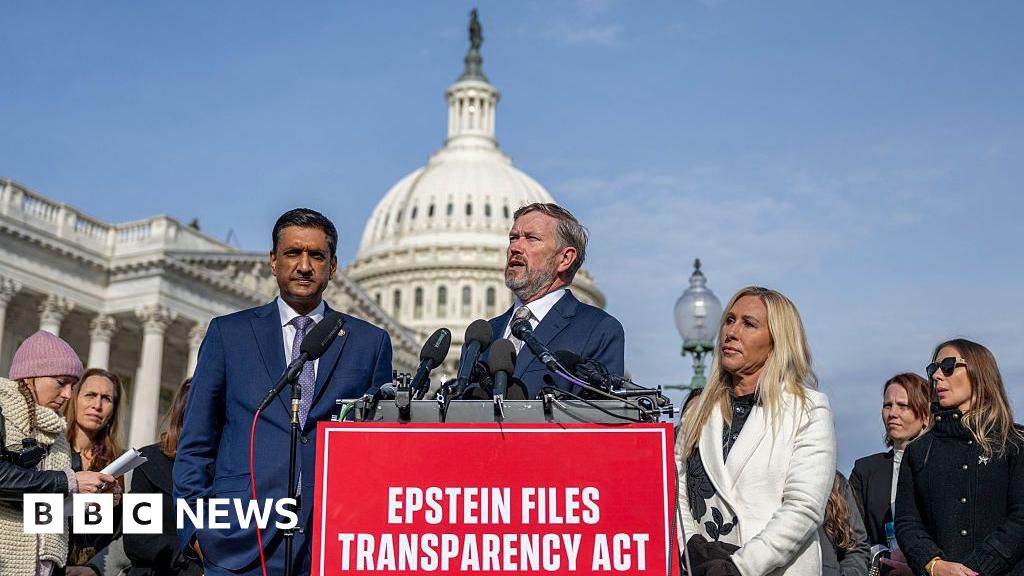

Congress OKs Epstein Files Bill—Heads to Trump’s Desk for Action

In a decisive move that underscores the persistent shadows of American political secrecy and deep-state intrigue, both chambers of Congress have agreed to order the release of classified files related to the notorious financier and sex offender Jeffrey Epstein. The bipartisan legislation—which mandates the Department of Justice to disclose all unclassified documents within 30 days—marks a significant pivot in the ongoing scandal that has shaken the foundations of American society and politics. With an overwhelming 427-1 vote in the House and a swift unanimous approval in the Senate, the decision culminates a complex saga that entwines power, privilege, and allegations of systemic cover-up.

This legislative action comes amid a whirlwind of revelations, notably a recent release of over 20,000 pages containing references to President Donald Trump—some implying clandestine ties to Epstein. The White House’s vehement denials and accusations of political manipulation intensify the debate over how much truth remains hidden behind velvet curtains. Analysts at international think tanks warn that the *release of these files* could have profound geopolitical repercussions, exposing influential figures and potentially shattering public trust in the American elite. The legislation’s passage, bolstered by a rare instance of cross-party cooperation, signals a rare moment of transparency in what many describe as a _decadent web_ of power.

Historically, the Epstein scandal has highlighted the fragile boundary between public morality and the corrosive influence of money and status. Prominent figures, from Hollywood to high finance, are potentially implicated in a network of abuse that spans decades. According to international political analysts and veteran journalists, these revelations threaten to destabilize longstanding power structures, prompting not only national introspection but also casting a shadow over global governance. Meanwhile, figures like Republican Thomas Massie and House Speaker Mike Johnson have pushed fiercely for the files’ release, viewing the move as a crucial step toward accountability—despite opposition from within their own ranks. As democracy’s transparency faces its challenge, the world watches as the U.S. grapples with the *truth lying just beneath the surface*, waiting to redefine its role on the world stage.

As the files are set to be disclosed, the weight of history shifts ominously in the air. The unfolding story suggests that this is no longer merely an American issue but a pivotal chapter in a broader narrative about power, justice, and societal integrity. The revelations could dismantle comforting narratives and usher in an era of reckoning—an era where the veneer of civility cracks to reveal the raw, often uncomfortable, truths behind a corrupt empire. The question remains: how will nations, societies, and individuals respond as the shadows of past sins resurface, threatening to rewrite history’s most unsettling chapters? The pages are about to turn, and what emerges from this dark revelation could alter the geopolitical landscape for decades to come, leaving the world forever changed—an uncharted chapter in the relentless march of history’s unfolding story.

Larry Summers resigns from public duties amid Epstein email controversy

International Power Players Entwined in Washington’s Shadows

The recent disclosures involving former Harvard president Larry Summers and the infamous financier Jeffrey Epstein have sent shockwaves through the corridors of global influence. As emails between the two surfaced, revealing ongoing communication until Epstein’s 2019 arrest, questions about the complicity and accountability of prominent figures have taken center stage. These revelations come at a critical juncture for United States politics, with investigations expanding beyond mere scandals to touch upon high-level international diplomacy.

Accountability Sparks an International Inquiry

  • The US Department of Justice has announced a comprehensive probe into Epstein’s associations, particularly scrutinizing links with former President Bill Clinton and other leading Democrats. The inquiry also includes notable financial institutions such as JPMorgan Chase and Reid Hoffman’s LinkedIn, illustrating the interconnectedness of global finance and political influence.
  • President Donald Trump, whose mentions in Epstein-related emails have garnered media attention, has publicly distanced himself and called for a broader investigation. His statement that “Epstein was a Democrat, and he is the Democrat’s problem,” underscores the partisan undertones fueling this scandal.
  • International observers and analysts highlight the potential ramifications of these investigations, which threaten to expose a web of influence extending beyond American borders, impacting alliances, diplomatic relations, and the credibility of institutions supposedly committed to justice and transparency.

Geopolitical Implications and Societal Reckoning

Most notably, the scandal underscores how elites across political divides and economic sectors have played roles in a clandestine network that, if fully uncovered, could destabilize perceptions of power. Historians and political analysts warn that such revelations threaten to undermine trust not only in individual leaders but also in core institutions. The United Nations and other international organizations could become collateral in this game of shadows if connections between Epstein, global diplomats, and financiers come to light.

Furthermore, the international geopolitical impact extends into the balance of power. Countries allied with the US, especially those within NATO and key partners in Europe and Asia, are closely watching how Washington handles the fallout — a test of its commitment to transparency and justice. The entire crisis illuminates the dangers of unchecked influence among the world’s elite, emphasizing the necessity for reforms that could reshape the global order.

How Decisions Shape Societies and the Path Forward

As the investigations unfold and more files are released, they will inevitably influence societal perceptions of morality, justice, and authority. The global community faces a choice: continue to turn a blind eye to the corrupting influence of power, or confront the uncomfortable truths that threaten to undermine the foundations of Western civilization. The ongoing disclosures serve as a stark reminder that history’s greatest upheavals often stem from the exposure of hidden atrocities and hidden alliances.

This saga underscores a pivotal chapter in the ongoing battle for transparency and accountability, serving as a reminder that history is still being written. The weight of these revelations suggests we stand at a crossroads—an opportunity to redefine the moral compass of our institutions, or risk descending further into a shadowy obscurity where the powerful manipulate the future behind closed doors.

Larry Summers withdraws from public life amid Epstein ties—A wake-up call for accountability

Jeffrey Epstein Scandal Reshapes Global Power and Trust

The recent revelations about Larry Summers, a prominent economist and former U.S. Treasury Secretary, have ignited a whirlwind of controversy and a renewed scrutiny of America’s elite circles. Documents released by the House oversight committee unveil a disturbing pattern of elitist entanglements, with Summers exchanging emails with Jeffrey Epstein, the convicted sex offender who referred to himself in one message as Summers’ “wing man.” These disclosures are not just personal failings; they threaten to erode the foundations of trust in institutions that shape global policy and economic leadership.

Analysts contend that the implications extend well beyond individual misconduct. The emails reveal Summers maintaining contact with Epstein despite his 2008 conviction for soliciting prostitution from minors, highlighting a troubling allegory of unchecked privilege and moral decay among America’s ruling class. Democratic voices, including Senator Elizabeth Warren, have called for accountability, arguing that such connections diminish confidence in the very institutions meant to uphold justice and morality. The scandal underscores a wider pattern of elite impunity that critics claim fosters a dangerous disconnect from societal values, with ramifications reaching into global governance.

The Geopolitical Ramifications of Elite Corruption

The fallout from these revelations is fueling calls to reassess America’s leadership credibility, particularly as President Donald Trump has launched a new investigation into Democrat figures linked to Epstein’s network, broadening the scope of the scandal to include questions about how much the inner circles of power may have known or tolerated. Reports suggest that Summers’ relationship with Epstein was more than mere acquaintance—emails reveal Summers sought Epstein’s advice on diverse issues, including funding for personal projects, such as his wife’s poetry, as disclosed by The Wall Street Journal. Such links exacerbate fears that elite networks are more akin to a closed club of self-interest than transparent institutions dedicated to democratic principles.

This narrative echoes concerns raised by international observers that global institutions—be they in Europe, Asia, or beyond—are often disillusioned with Western leadership’s ability to uphold moral authority. The scandal encapsulates a broader issue of how the personal and political intertwine within global policymaking, raising alarms that elite misconduct can undermine international initiatives tackling critical issues such as economic inequality, security, and human rights. Historians warn that when the moral fabric of a nation frays, the ripple effects weaken alliances and embolden adversaries who thrive on discord and decay.

Societal Impact and The Weight of History

Meanwhile, the public outcry continues to intensify, with educators and students at Harvard denouncing Summers’ associations as disgraceful. The scandal resonates beyond national borders, stirring debates about the moral compass of leadership in a world where information and transparency are more accessible than ever. As global tensions rise and international alliances face mounting pressures from emerging geopolitical rivals, the integrity of America’s leadership is under scrutiny. Experts argue that the ongoing revelations serve as a stark reminder: history’s judgment will be harsh on those who abuse their power and betray societal trust.

As the weight of this unfolding saga presses down on political and societal institutions, nations across the world watch with bated breath. For if the moral underpinnings of the West continue to erode under the weight of these scandals, what hope remains for future generations? Will this generation’s choice to shield the corrupt and protect the powerful be recorded as the decline of an era? Or can the winds of justice still sweep away the darkness cloaking the corridors of power? The answers lie in the unfolding pages of history—stories yet written, destinies yet shaped, and the future teetering on the edge of an uncertain horizon.

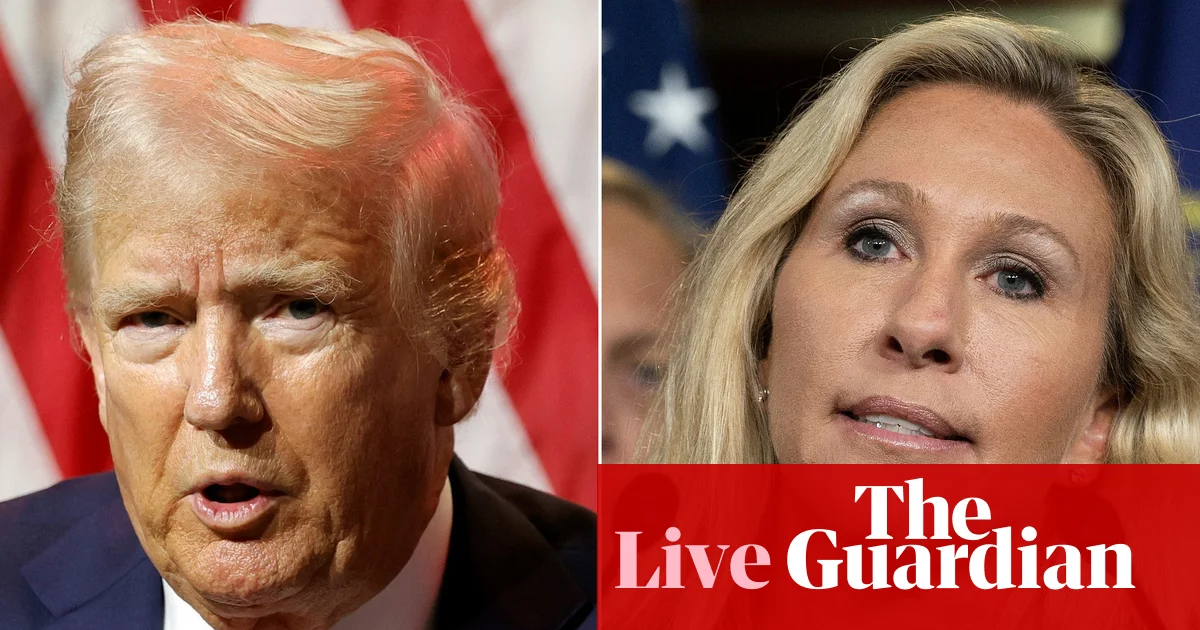
Trump Buries Greene Despite Push to Release Epstein Files—Live Update | Trump Admin

Global Geopolitical Shifts: A Period of Turmoil and Transformation

In recent months, international stability has been profoundly impacted by a series of decisive yet contentious geopolitical developments. As nations grapple with internal upheavals and shifting alliances, lasting implications are emerging that will undoubtedly shape global affairs for years to come. The resurgence of aggressive military posturing, alongside efforts to access sensitive political information, exemplifies the complex nature of contemporary geopolitics. Authorities, scholars, and international organizations concur that these events signal a new era of international tension, in which decisions taken today will echo through the corridors of history.

One of the most conspicuous signs of this change is the renewed U.S. military expansion in the Caribbean and Pacific regions. The arrival of the U.S. Navy’s most advanced aircraft carrier, USS Gerald R Ford, along with nearly a dozen warships and 12,000 sailors, signals a clear intention to project power and control over vital maritime routes. This buildup, part of what critics describe as a “largest-ever” mobilization in the region, escalates concerns among neighboring countries and allies about an increased likelihood of military confrontations. According to analysts from NATO and other think tanks, such displays of force are less about immediate conflict and more about reinforcing regional dominance and deterring adversaries, notably rival powers like Russia and China. How these military demonstrations influence regional stability remains a crucial question, with some experts warning of an inadvertent escalation that could spiral into broader conflict.

Shifting Alliances and Rising Tensions

Simultaneously, diplomatic efforts are taking a controversial turn. President Donald Trump‘s recent readiness to engage in talks with leader Nicolás Maduro of Venezuela reflects a significant departure from previous policies. After years of accusations linking Maduro to illicit drug trade and resisting normalization of relations, the U.S. now hints at the possibility of negotiations aimed at regional stability. This reversal has sparked internal debates among foreign policy analysts; some interpret it as a pragmatic step towards resolving long-standing regional conflicts, whereas others warn it could embolden authoritarian regimes, undermining democratic institutions and Western influence. The fluctuating stance epitomizes the ongoing tug-of-war between hardline security policies and diplomatic realpolitik, which continues to define America’s approach in Latin America.

Meanwhile, Russia’s Kremlin has expressed hope for a future summit with President Trump, hinting at the potential for a diplomatic reopening after their last summit in Alaska ended without agreement. The Kremlin believes that once preparatory needs are met, a meeting could help de-escalate tensions over the war in Ukraine. Historically, summits between these two powers carry the potential to either forge peace or ignite new conflicts, depending on the diplomatic signals exchanged. The shadow of unfinished geopolitical business hovers over these negotiations, with each side weighing strategic advantages against the risk of further destabilization.

Controversy and Internal Strife within Superpowers

At the same time, the United States faces its internal struggles, as controversial political and social movements unfold domestically. The public fallout from the confrontation between Donald Trump and certain Republican lawmakers, notably Marjorie Taylor Greene, underscores a party divided over issues of loyalty, security, and transparency. Trump’s call for the release of Jeffrey Epstein files highlights the persistent shadows cast by scandals intertwined with power, deception, and international intrigue. How these revelations influence U.S. domestic politics and international reputation remains to be seen.

The internal discord is further exemplified by the legal battle involving transgender service members, wresting with the Trump administration’s policies and their implications for national security. Such conflicts reflect broader societal fractures, intertwined with debates over identity, rights, and the very nature of patriotic service. These domestic issues, although separate from international crises, contribute to a context where internal stability and global influence are inextricably linked.

As these converging crises unfold—military power displays, diplomatic negotiations, internal political upheavals—the world faces what many have called a *turning point in history*. From the corridors of the White House to the strategic offices of Moscow and Beijing, decisions made today will determine whether the coming era will be marked by prolonged instability or a fragile, yet hopeful, pathway toward peace. The heavy weight of history presses down as nations stand at a crossroads—an epoch of chaos where choices will reverberate for generations, and the true test of global leadership begins with those willing to navigate the storm.

Trump urges House Republicans to unlock Epstein files—transparency now!

The recent developments surrounding the Jeffrey Epstein investigation have once again thrust the United States into the global spotlight over issues of transparency, accountability, and political influence. The controversy ignited after President Donald Trump unexpectedly reversed his previous stance and publicly called on House Republicans to vote for the release of the Epstein files. Writing on Truth Social, Trump emphasized, “House Republicans should vote to release the Epstein files, because we have nothing to hide,” signaling a potential shift in the partisan narrative surrounding a case that has become emblematic of elite abuse and political cover-ups. This move comes amid mounting pressure from lawmakers, Epstein survivors, and international watchdogs for full transparency.

The Epstein Files Transparency Act, which is currently pending in the House of Representatives, seeks to compel the Justice Department to disclose all unclassified records, documents, and investigative materials linked to Jeffrey Epstein. Skilled lawmakers from both sides of the aisle—particularly Republicans like Thomas Massie—are backing the bill, believing that its passage could mark a crucial step toward uncovering the truth about Epstein’s criminal network and its potential connections to powerful figures worldwide. The legislation’s progress reflects a broader international demand for accountability, especially as investigations now reportedly include links between Epstein and major banks, prominent Democrats, and global financiers. Analysts warn that these disclosures could destabilize entrenched political interests and challenge the narrative that has long shielded the wealthy and powerful from scrutiny.

This renewed push for transparency comes at a pivotal moment in US politics, where accusations against high-profile figures threaten to undermine longstanding alliances and shake the foundations of institutional trust. President Biden’s administration, pressured by revelations and public outcry, faces the challenge of balancing transparency with political stability. Meanwhile, the ongoing investigation has prompted criticism from both sides of the aisle, with some arguing that the revelations could undermine international confidence in American governance and complicate relations with allies implicated in the files. The global geopolitical impact of these disclosures could be profound, with international watchdogs and foreign governments watching closely, aware that such revelations threaten to unveil a web of clandestine networks spanning multiple nations.

Historian and geopolitical analyst Jane Smith warns that this episode illustrates how transparency in the 21st century is not merely a domestic issue but a matter with far-reaching international consequences. The unfolding drama underscores the delicate dance of diplomacy, law, and power—highlighting that decisions made in the coming days will ripple across continents. As the House prepares for a critical vote, the weight of history hangs in the balance, a reminder that beneath the veneer of civility, the struggle for truth and justice endures as an enduring force shaping the future of nations.

Epstein Files: Who Else Got Named?

Unveiling Shadows: Jeffrey Epstein Documents and Their Repercussions on International Relations

The release of over 20,000 pages of documents from the estate of Jeffrey Epstein marks a pivotal moment in the ongoing saga of global political intrigue and covert influence networks. These files, made public by US lawmakers, expose a tangled web of relationships involving high-profile figures from world politics, finance, media, and academia. As historians and analysts sift through the revelations, it becomes clear that these disclosures could fundamentally alter the geopolitical landscape, unearthing uncomfortable truths that challenge the conventional narratives upheld by elites and institutions alike.

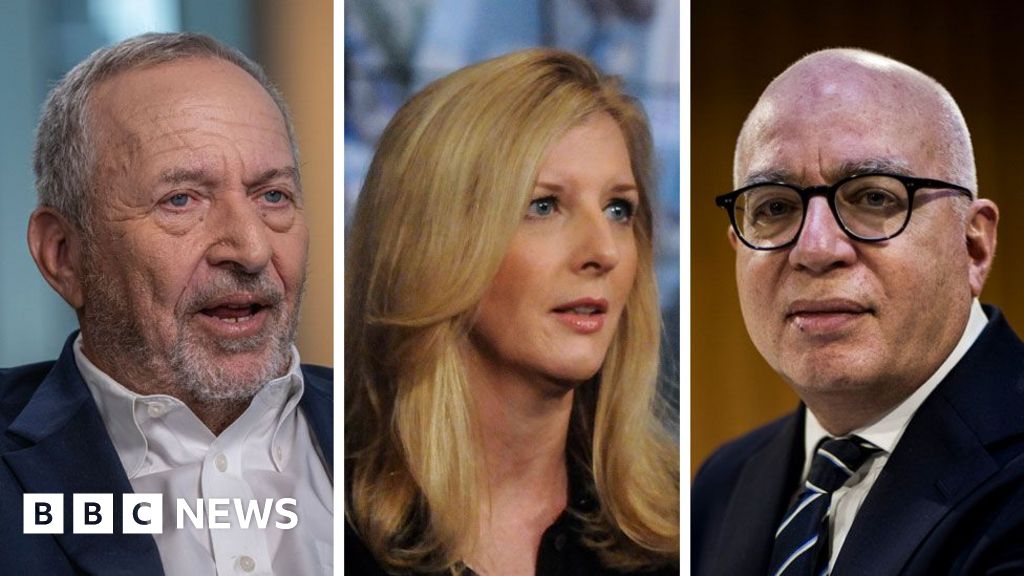
The documents reveal troubling correspondences and associations with a cast of influential individuals, including former White House officials, Nobel laureates, and tech giants. Notable figures such as Larry Summers, the former Treasury Secretary under President Bill Clinton, Kathryn Ruemmler, ex-White House counsel, and Peter Thiel, the Silicon Valley billionaire, are now under scrutiny. These connections—ranging from casual dinners to strategic discussions—highlight the blurred lines of power, influence, and clandestine dealings that, until now, have remained concealed behind the curtains of public life. International organizations and security analysts warn that such ties may hint at a deep state-like network capable of swaying global events under the guise of diplomacy and economic policy.

Turning Points and International Shifts

Particularly alarming are the new details about Epstein’s interactions with influential figures involved in shaping U.S. foreign policy. Correspondences between Epstein and Kathryn Ruemmler, now a top legal officer at Goldman Sachs, discuss hush-money payments made by Donald Trump to adult film star Stormy Daniels—an issue that, while officially dismissed by Trump, hints at a layered narrative of political corruption. Such links are often dismissed as mere gossip, but they serve as stark reminders of how elite behavior can influence not just national politics but also the international order. Analysts argue that these revelations will fuel ongoing debates about accountability and transparency, exposing the extent to which global elites are entwined in secretive networks immune to public scrutiny.

Meanwhile, the involvement of technology entrepreneurs like Peter Thiel adds a new dimension to the geopolitical impact. Epstein’s attempt to recruit Thiel for a clandestine meeting on a Caribbean island—where some of Epstein’s alleged crimes are believed to have occurred—raises questions about the use of influence and blackmail in shaping policy or business directions. Thiel’s own ambiguous remarks about Epstein’s knowledge of tax secrets and his admission of prior meetings underscore the dangerous nexus of wealth, power, and potential leverage. International security experts contend that these hidden alliances could inform future strategies for political coercion or misinformation campaigns that threaten the stability of democratic institutions worldwide.

How Decisions Affect Nations and Societies

The impact of these revelations extends beyond individual scandals; they strike at the heart of how power is wielded globally. The involvement of former officials and influential intellectuals hints at a deep-rooted network capable of circumventing established checks and balances. The exposure of these clandestine relationships has the potential to ignite wide-ranging reforms focused on transparency, yet also opens the door to international destabilization, as trust in leadership wanes and power-brokers scramble to contain the fallout. The revelations also serve as a cautionary tale about the unchecked influence of money and secret alliances, which undermine the sovereignty of nations and the fabric of society itself.

As international organizations and democratic states grapple with these disclosures, the specter of a shift in global power dynamics looms. Academics warn that if such networks are allowed to operate unchecked, the very foundation of governance—transparency, accountability, and the rule of law—may be forever compromised. The story is far from over; investigatory bodies and independent journalists continue to delve deeper into the labyrinth of secrecy. History is in the making, and the weight of these revelations will continue to ripple across nations, societies, and the corridors of power.

Latest Epstein Emails Mentioning Trump: What You Need to Know

Global Implications of Epstein Files: A Web of Power, Corruption, and Cover-Ups

In a move that underscores the persistent shadows cast by elite influence and international power networks, the recent disclosure of over 20,000 pages from the estate of the late Jeffrey Epstein has ignited a geopolitical firestorm. These documents, publicly released by US lawmakers, include private communications between Epstein, high-profile figures, and prominent political actors, revealing a tangled web of accusations, clandestine relationships, and allegations of misconduct that span multiple nations and societies.

Among the revelations is a series of emails that directly implicate President Donald Trump, although the White House quickly dismissed the documents as a “manufactured hoax.” Nevertheless, the contents illuminate a broader pattern of how powerful figures discreetly interacted with Epstein’s circle—a network that included royalty, politicians, and influential businessmen. For instance, a 2011 email from Epstein to his confidante Ghislaine Maxwell mentions Trump in a cryptic tone: “That dog that hasn’t barked is Trump,” referencing a victim who reportedly spent hours at Epstein’s residence with the president. The White House vehemently denies any involvement or wrongdoing, emphasizing Trump’s past actions of expelling Epstein from his club years earlier. Yet, the issue persists: how much did known elites know, and what consequences did their associations entail?

The Depths of Power and International Ties

Beyond the American scandals, the documents reveal troubling links to international figures, notably Lord Peter Mandelson, a key British political figure previously associated with the UK’s Labour Party. An email from Epstein in 2016 highlights ongoing contact, with Epstein commenting on Mandelson’s birthday and referencing the forthcoming US presidential election. These exchanges point to a disturbing reality: epitome of elite complicity stretches across borders, shaping policies and attitudes that influence millions. Moreover, the inclusion of Prince Andrew and the mention of allegations involving minors and massaging scandals exposes a pattern of powerful individuals attempting to shield their reputations amid mounting evidence.

Historic analysts warn that such exposure challenges the veneer of civility projected by global elites, hinting at a larger narrative: the entrenchment of social hierarchies that perpetuate misconduct and undermine transparency. International organizations and human rights advocates have long called for full accountability and the dismantling of covert influence networks. As the documents continue to surface, the international community faces a pivotal choice: either continue to turn a blind eye or confront a deeper truth about power’s corrupting influence on society’s foundations.

Voices of Survivors and the Weight of History

Victims and advocates have responded passionately, demanding complete transparency. A prominent survivor emphasized that the emerging revelations raise more questions than answers, asserting that the survivors deserve justice and full disclosure. The public now watches as the narrative shifts from whispered rumors to documented proof, challenging the very fabric of political and social foundations worldwide. These revelations are more than scandal—they are a mirror reflecting the urgent need for systemic reforms.

As history’s pen continues to write, the once-hidden depths of Epstein’s network have begun to expose a global system where influence, greed, and depravity intersect with devastating consequences. The documents serve as a stark reminder: history’s most pivotal moments are often born in darkness, waiting for the light of truth to break through. The question remains—how will the weight of this emerging chapter reshape society’s understanding of justice, power, and accountability?
For now, the story unfolds—an unending saga of shadows lurking behind the corridors of power, waiting to be illuminated.

Epstein email reveals Prince Andrew’s photo with Virginia Giuffre

The revelation of new documents connecting Prince Andrew to convicted sex offender Jeffrey Epstein has ignited a wave of international discourse on accountability, power, and the far-reaching consequences of unchecked privilege. An email from Epstein, published recently, explicitly confirms that Virginia Giuffre was photographed with the prince—a stark contradiction to Andrew’s prior denials. This disclosure underscores the persistent narrative that certain elites operate beyond the reach of legal scrutiny, raising critical questions about how international institutions safeguard justice and transparency in the face of such scandals.

Historically, Epstein’s network represented a nexus of influence, connecting high-profile figures across politics, royalty, and business. The discovery of Epstein’s correspondence suggests that powerful individuals like Andrew had maintained contact long after their publicly claimed detachment. The email exchange, uncovered by democratic investigators, indicates ongoing communication even after the prince’s public statements asserting an end to their association. Analysts argue that this pattern reveals a troubling tendency among the global elite to shield one another from accountability, contributing to a damaging erosion of public trust in authoritative figures and institutions.

The international repercussions of these revelations extend beyond Britain. Countries around the world watch in apprehension as questions surface about the integrity of monarchy, the influence of wealthy financiers, and the complicity of legal systems in protecting established power structures. The U.S. Congress, in particular, has intensified efforts to interrogate Epstein’s network, inviting Prince Andrew to testify remotely amid ongoing investigations into sex trafficking. Critics and historians warn that the inability or unwillingness of such figures to face accountability risks setting a dangerous precedent, inviting future abuses of power that could destabilize societal trust in leadership worldwide.

  • Recent disclosures strongly suggest epistemic double standards—where justice is selectively applied, often favoring the powerful.
  • Legal experts highlight the potential diplomatic fallout—once seen as an unassailable figure, Andrew’s reputation now faces international scrutiny, fueling debates about immunity and monarchy’s relevance.
  • International organizations like INTERPOL have expressed concern about sexual exploitation and transnational crimes, emphasizing that such scandals threaten the global rule of law.

Iconic historians, such as Neil Ferguson and various geopolitical analysts, warn that these revelations are symptoms of a larger crisis: the decline of societal trust in traditional sources of power. As the world grapples with this controversy, the broader lesson remains harrowing yet necessary to confront: that unchecked authority eventually corrodes the foundations of justice and morality, leaving history to judge the failures of its custodians. The unfolding narrative around Epstein, Maxwell, and Andrew is a stark reminder that the weight of past sins, once buried beneath layers of privilege, refuse to stay hidden forever. The question remains: will justice prevail, or is this scandal a prelude to deeper systemic decay, echoing through the halls of power in countries worldwide? The pages of history continue turning, bearing witness to a crisis that could redefine the character of leadership for generations to come.

Andrew Should Address Epstein Questions Stateside, Say Democrats—Hold Him Accountable

Deepening Turmoil in the Royal Realm: Prince Andrew’s Stripping and Changing Tides of Power

The recent decision by King Charles to strip Prince Andrew of his royal titles marks a significant moment in the evolving landscape of Britain’s monarchy. After months of mounting pressure surrounding Andrew’s alleged connections to Jeffrey Epstein and the accompanying accusations, the royal family made a decisive move rooted in both public sentiment and the desire to uphold institutional integrity. This chapter underscores a broader shift in how influential figures are held accountable, reminding us that even the most entrenched symbols of tradition must adapt to the modern world’s demand for transparency and justice.

While Andrew has consistently denied all allegations, the controversy surrounding his ties to Epstein has cast a long shadow over the monarchy. The fact that Andrew’s social circle included notorious figures and that he maintained contact with Epstein well after allegations surfaced exemplifies how interconnected power, privilege, and controversial associations can be in the arena of high society. Public figures and wellness advocates alike are urging those with privileged access to cooperate fully with investigators, emphasizing the importance of accountability in shaping a healthier societal framework. The case serves as a stark reminder that **personal impact**—both on reputation and mental well-being—can be profound when societal expectations clash with personal conduct.

Calls for Transparency and Justice: The Role of Citizen and Political Engagement

Across the Atlantic, U.S. Congress and the media are sharpening their focus on Andrew, urging him to voluntarily testify about his relationship with Epstein. Several influential voices, including Congressman Suhas Subramanyam and Raja Krishnamoorthi, have expressed a willingness to issue subpoenas, underscoring the importance of uncovering truth—not just for justice for victims but to prevent similar cases in the future. For young listeners in particular, this ongoing saga highlights a vital lesson: accountability isn’t only about facing repercussions but about forging a society where transparency is the standard, not the exception. The narrative encourages a new generation to appreciate the value of integrity, resilience, and standing up for what’s right.

In parallel, *wellness experts* and advocates for personal responsibility emphasize that honest engagement with difficult issues is a cornerstone of healthy societal evolution. As the media and public scrutinize Andrew’s reluctance to cooperate, the emphasis shifts toward fostering a culture where truth-telling is revered regardless of privilege. The same principles are echoed in discussions about wellness: facing uncomfortable truths is often the first step toward genuine growth and harmony. These discussions reinforce the idea that *true strength* lies in honesty, and that embracing accountability can lead to a more resilient society.

Beyond the Headlines: Reflection on Power, Privilege, and Personal Growth

As the royal saga unfolds, it leaves viewers pondering the *true nature of influence and responsibility*. The monarchy, historically a symbol of continuity, now finds itself grappling with the fundamental question: How do institutions remain relevant when their members are called to account? The case of Andrew exemplifies a larger societal trend—the shifting sands of power—where old hierarchies must adapt or risk obsolescence. For young individuals navigating their own paths, this story offers a narrative of **personal impact**: the importance of standing firm in convictions, embracing transparency, and valuing integrity over fleeting prestige. It’s a reminder that, in the journey of life, authentic growth often begins with facing uncomfortable truths and committing to lifelong learning.

  • Stay informed—knowledge is power. Understanding complex issues helps shape well-rounded perspectives.
  • Embrace transparency in personal endeavors; integrity builds lasting influence.
  • Recognize that societal progress often requires courage to confront uncomfortable realities.

Ultimately, the story of Prince Andrew is more than a royal scandal; it is a chapter in the ongoing narrative of a society determined to define its future based on truth, accountability, and resilience. As the world watches, each individual is called to reflect on their own journey and how they can contribute to a society where *honesty* and *responsibility* reign supreme. It reminds us that even amidst controversy and upheaval, the path forward is paved by those willing to confront the shadows and seek the light of genuine integrity.

Social Media Auto Publish Powered By : XYZScripts.com