Matox News

Truth Over Trends, always!

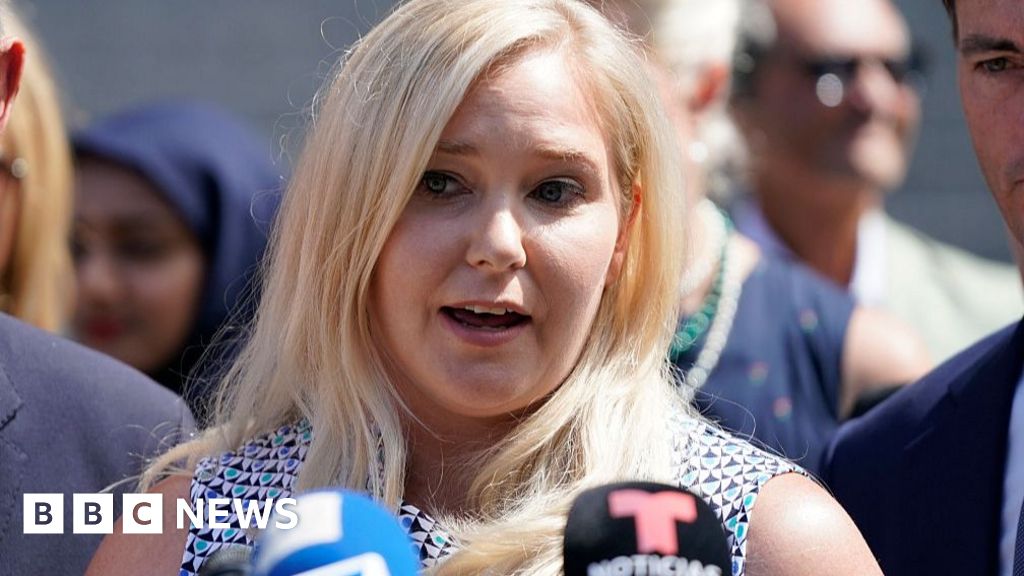
Prince Andrew urged to come forward with his account of Epstein abuse, co-author tells BBC

In the ornate tapestry of British history, few threads are as dark and revealing as the recent revelations surrounding Prince Andrew, a figure whose reputation has become an emblem of a broader cultural crisis—one where honor and morality are challenged by the insidious influence of power and greed. The contentious disclosures in Virginia Giuffre’s posthumous memoir, Nobody’s Girl, cast a stark light on a web of corruption intertwined with the sordid pursuits of Jeffrey Epstein. While the prince denies direct involvement, the details evoke echoes of historical tales where the thick fabric of tradition is pulled apart by the threads of scandal, forcing a nation to confront its values anew.

Beyond individual guilt, this saga raises fundamental questions about the relevance of culture as a custodian of societal virtue. As philosopher Ortega y Gasset highlighted, a society’s true fabric is woven from its shared beliefs, its sense of identity rooted in enduring moral frameworks. When these are compromised—be it through scandal or neglect—the entire social order risks unraveling. The royal family, once seen as a pillar of societal stability, now faces the difficult task of re-establishing its moral authority. The voluntary abdication of Prince Andrew from his titles and membership in the Order of the Garter signifies a symbolic gesture in this ongoing struggle—a recognition that history is a mirror, and the reflection demands accountability. Yet, symbols alone cannot heal the wounds inflicted by the abuse of privilege; institutions must be prepared to confront and learn from the past if they are to endure.

  • Culture as Memory: The traditions and narratives we hold dear are repositories of collective memory, shaping our identity and aspirations.
  • Culture as Prophecy: Our shared cultural symbols serve as blueprints for the future, guiding generations through lessons learned and values upheld.
  • Historical Parallels: Societies embroiled in scandal—akin to the fall of Rome’s decadence or the upheaval of the ancien régime—remind us that moral decay invites systemic crises unless confronted with truth and reform.

In the words of T.S. Eliot, true culture is “the memory of a civilization,” one that demands vigilance and honesty. Today’s challenge lies not in erasing the stain of scandal but in strengthening the moral foundation that underpins our societal institutions. As Chesterton once observed, “A true society is built not on the superficial veneer of power, but on the bedrock of principle,” urging us to look beyond fleeting symbols towards the enduring core of human dignity. The ongoing controversy acts as a reminder that culture is both a reflection and a prophecy: it reflects where we stand morally, and it foretells what we risk losing—our shared humanity—if we fail to confront our shadows. As we stand at this crossroads, may we remember that in the depths of scandal lurks the possibility of renewal, for history teaches us that from the ruins of arrogance and silence, a new society can yet emerge, rooted in truth and humility—a future where the memory of our virtues guides the prophecy of what humanity can become.
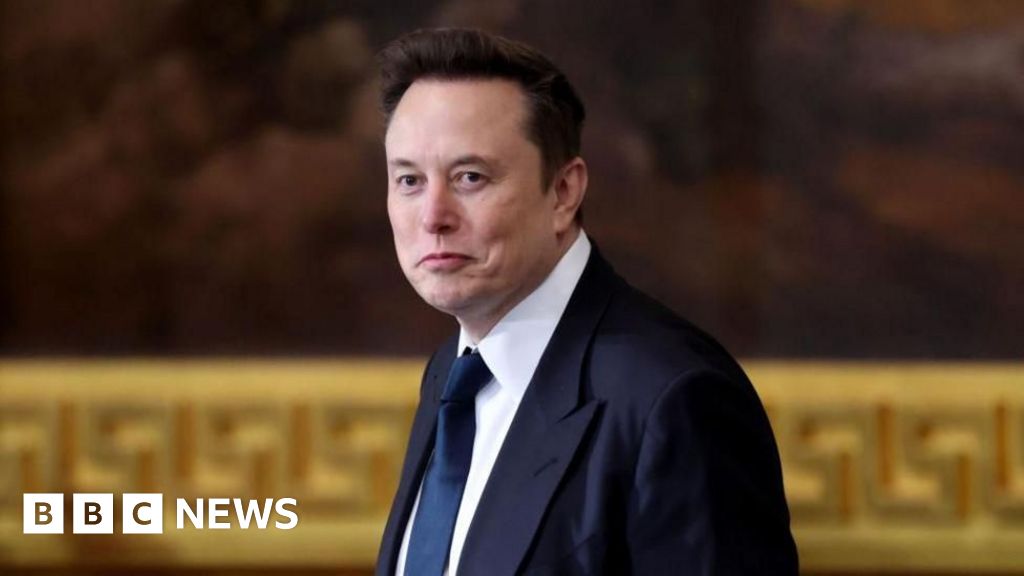
Elon Musk and Prince Andrew linked to new Epstein documents — what’s really at stake?

Geopolitical Reckoning: Epstein Files Unveil Ties to Power Elites

The recent release of documents linked to the late financier Jeffrey Epstein has ignited a storm of controversy that extends far beyond the sordid allegations. These files, handed over by Epstein’s estate to the House Oversight Committee, illuminate a network of connections among some of the most prominent figures from the worlds of business, politics, and royalty. Among those named are billionaire technology mogul Elon Musk, Prince Andrew of the United Kingdom, and other influential personalities like Peter Thiel and Steve Bannon. As the world grapples with these disclosures, the geopolitical impact of such revelations cannot be overstated, as they threaten to reshape public perceptions of power, influence, and the true extent of the clandestine alliances that often operate in darkness.

Historically, Epstein’s web of connections has been a cautionary tale about the complicity and silence surrounding elite misconduct. Legal scholars and international analysts have long argued that Epstein’s relationships with key figures exposed a fragile veneer of morality maintained at the highest levels. New documentation suggests that Elon Musk had been invited to Epstein’s infamous private island in December 2014—an invitation Musk has reportedly declined—raising questions about whether oversight and accountability extend into the realms of technology’s most powerful. Similarly, Prince Andrew features prominently, with records indicating he flew on Epstein’s flight from New Jersey to Florida in May 2000, an event that has long haunted the royal figure. These revelations come amidst growing suspicion about the collusion between the global elite and criminal networks, as international watchdogs urge for thorough investigations. The United Kingdom and U.S. authorities now face mounting pressure to reckon with these covert links that could threaten the foundations of public trust and diplomatic relations.

The files also detail planned meetings with other influential figures, including the Microsoft founder Bill Gates and Steve Bannon. Such connections compound the narrative that Epstein’s influence transcended mere criminal activity, seamlessly intertwining with the fabric of global power structures. As political analysts warn, these associations could have far-reaching implications, potentially impacting international policy, economic negotiations, and diplomatic alliances. The geopolitical impact of this knowledge is profound—drivers of global stability and peace, as well as the credibility of international institutions, hang in the balance. Critics argue that these relationships illustrate a disturbing pattern where personal ambition and wealth supersede justice, exposing how elite immunity shields some from legal repercussions.

Although some figures, like Musk and Prince Andrew, have denied any knowledge of illegal activities, the public outrage remains untamed. The Democrat-led committee has called for expanded transparency, emphasizing that “every new document provides vital clues” towards understanding the extent of Epstein’s influence. The historical significance of these disclosures reflects a turning point: an awakening of public consciousness concerning unchecked power. As the dust begins to settle on these revelations, society must grapple with the unsettling truth that the corridors of influence often hide darker realities—realities that, once uncovered, threaten to rewrite the narrative of global leadership,” warns renowned historian Dr. Margaret K. Howell. The world remains on the precipice of a potential upheaval, where the revelations of today could serve as the catalyst for a reckoning that echoes through the corridors of history—perhaps, the moment when the shadows cast by the powerful finally begin to recede, unveiling truths long suppressed beneath layers of secrecy and complicity.

Social Media Auto Publish Powered By : XYZScripts.com



