
Matox News

Truth Over Trends, always!

Sudan’s war erupts in relentless waves—trapped reporter’s phone reveals three years of chaos

As the conflict enters its fourth year, international stability remains precarious, with the echoes of destruction cast across multiple continents stirring concerns among global leaders and analysts alike. Journalist Mohamed Suleiman’s somber reflection underscores a sobering reality: the toll on human life, economic stability, and geopolitical balance has been profound. This prolonged struggle exemplifies how regional conflicts, when left unchecked, can spiral into wider crises, impacting international relations and global security architectures.

Among the most significant geopolitical shifts in recent years has been the turbulent reshaping of alliances and power centers. Russia and China have capitalized on moments of Western distraction, consolidating influence in regions historically aligned with Western democracies. Meanwhile, U.S. and European allies grapple with the fallout—both economic and strategic—of extended conflicts. Experts, including noted geopolitical analysts and think tanks like the International Crisis Group, warn that these shifts threaten to undermine post-World War II stability frameworks, paving the way for new spheres of influence and regional hegemony.

At the core of these diverging trajectories is the struggle over legitimacy and sovereignty. The recent treaty negotiations and ceasefire agreements, often touted as diplomatic breakthroughs, have frequently proved fragile or superficial. Historians of conflict note that peace agreements, if not backed by genuine change, risk merely postponing violence rather than resolving underlying issues. The international community, through agencies such as the United Nations, remains divided on how to foster sustainable peace, exposing the limits of diplomatic institutions when faced with entrenched national interests. As war-worn societies endure, the social fabric is frayed, and the future of governance across affected nations hangs in the balance—raising troubling questions about the sustainability of global order.

The consequences of these decisions extend beyond borders, affecting millions of ordinary citizens caught in the crossfire. Economic sanctions, displacement, and disrupted trade are creating ripple effects that threaten to destabilize global markets. Analysts warn that if current trends persist, there could be a rise in political extremism and a breakdown of international cooperation—threatening a cycle of conflict that could last generations. It is within this volatile context that the ongoing struggle for peace, sovereignty, and regional dominance tests the resilience of nations and the resolve of international institutions in shaping the course of history.

As history presses forward, the question remains whether diplomats and leaders can transcend their immediate interests to forge a path toward lasting stability. The world watches with a mixture of hope and trepidation, knowing that the decisions made today will echo through the ages. In the unfolding narrative of this century, the silent echoes of war and diplomacy will determine whether this chapter is remembered as a cautionary tale or a turning point that redefined the future.
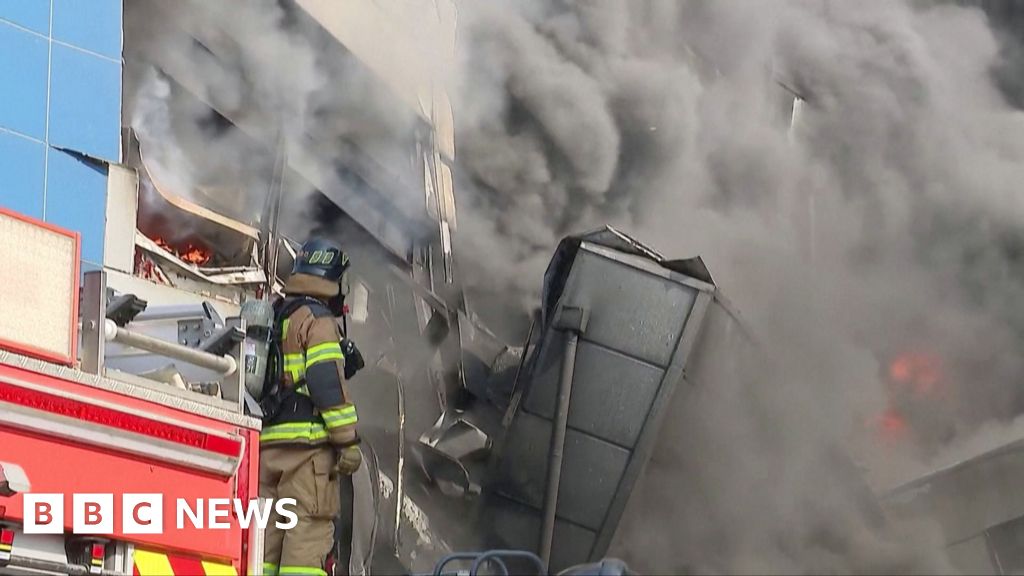
South Korea car parts plant erupts in deadly blaze, thick smoke fills the sky

In a devastating incident that underscores ongoing safety concerns within South Korea, authorities reported that a tragic fire at a car parts manufacturing plant in Daejeon resulted in at least 10 confirmed fatalities and left four individuals still unaccounted for. The blaze, which raged through the facility, not only caused significant loss of life but also injured 59 others, highlighting vulnerabilities in industrial safety protocols amidst rapid economic growth and technological advancement. Local responders faced immense challenges, with videos revealing towering flames and thick smoke consuming the structure, rendering firefighting efforts arduous and dangerous.

The firefighting team revealed that their initial inability to enter the burning building was primarily due to fears of imminent collapse, a decision that speaks volumes about structural safety standards and emergency preparedness within the country’s industrial sector. Overnight, responders shifted towards a cautious but relentless search for survivors and victims, as authorities confirmed that the fire had spread rapidly and was difficult to contain. While the cause of the fire remains under investigation, preliminary assessments suggest it could be linked to equipment failure or lapses in safety measures—a recurring concern in many of the region’s manufacturing zones. Such tragedies often force international observers, including analysts and safety experts, to question whether South Korea’s rapid industrialization has come at the expense of workers’ safety and working conditions.

  • Globally, this incident illustrates the persistent risks inherent in modern supply chains, which are heavily reliant on factories in nations like Korea.
  • It has reignited debates about the adequacy of safety regulations in countries that are pivotal to global manufacturing, especially as South Korea remains a linchpin in the international electronics and automotive sectors.
  • Furthermore, critics point out that such tragedies could lead to increased calls for stricter regulations, which might impact operational costs and global competitiveness of South Korean firms.

International organizations and industry watchdogs have issued statements warning that this incident exposes the vulnerabilities of globalized manufacturing networks. The International Labour Organization and regional safety agencies emphasize that, amidst economic ambitions, *worker safety and infrastructural integrity must remain a top priority*. Historians like Dr. Han Soo-Young warn that repeated industrial accidents unveil a pattern of superficial compliance and reveal a deeper need for systemic reform. The incident in Daejeon serves as a stark reminder that, in the relentless pursuit of economic growth, societal costs such as lives lost and communities shattered often go unnoticed until tragedy strikes.

As South Korea grapples with this disaster, the international community watches with a mixture of concern and anticipation. Will the government enforce more rigorous safety standards? Or will economic imperatives continue to overshadow the imperative to safeguard lives? This event symbolically echoes the broader geopolitical landscape, where nations are judged not solely on their economic achievements but on their ability to protect the most vulnerable within their borders. The legacy of this fire, like the smoldering remnants of the destroyed plant, is a haunting reminder: in the course of history’s relentless march, human lives are the ultimate measure of progress. And as the ashes settle over Daejeon, the world waits—uncertain of the fateful balance between industrial ambition and human safety, knowing that history’s next chapter is yet to be written.

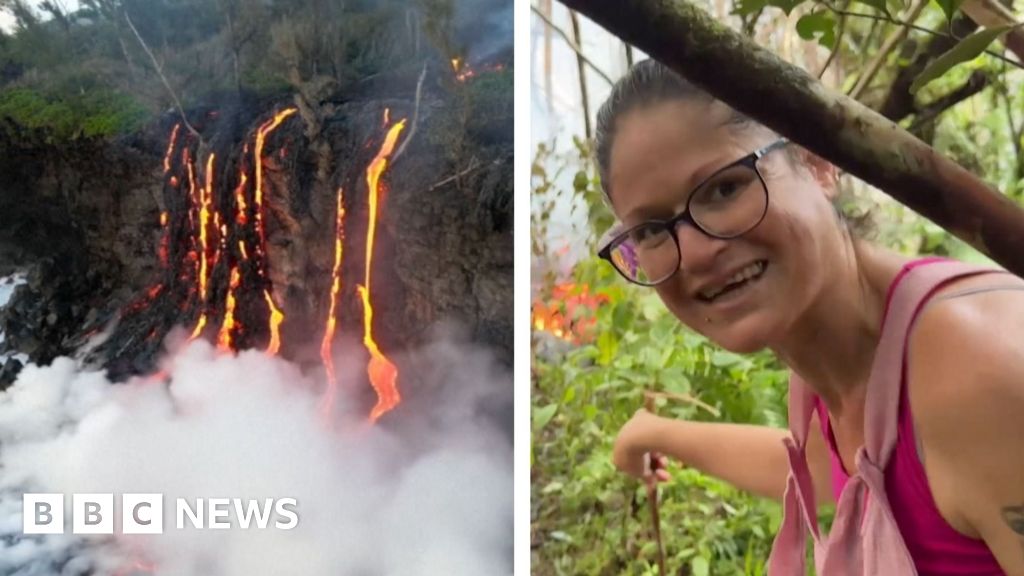
Young woman nearly caught in fiery lava as Reunion volcano erupts

Global Events Signal Shifts in Power Dynamics

Amidst recent upheavals in natural phenomena, international geopolitics continues its relentless march toward a new chapter. On Reunion Island, an island territory of France, the eruption of the Piton de la Fournaise volcano has captured world attention. After over a month of eruptive activity, lava has now reached the Indian Ocean for the first time in 19 years—a stark reminder of the unpredictable forces shaping our planet. While this geological event may seem insular at first glance, it underscores larger themes of environmental instability and the geopolitical repercussions of climate change, which influence resource security and migration patterns across nations.

In the geopolitical arena, the eruption’s impact extends beyond natural upheaval. As the volcano’s lava cuts off vital transportation routes, it exemplifies how environmental disruptions can exacerbate regional vulnerabilities.

  • The interruption of the national highway linking parts of the island highlights the fragility of infrastructure in remote regions.
  • Such events serve as microcosms of resilience and the mounting pressure on governments worldwide to adapt to changing environmental conditions.

Underpinning this natural crisis is a broader narrative: how nations respond to environmental challenges will significantly shape their geopolitical standing. Analysts observe that increasingly, environmental events are not isolated but are catalysts for broader systemic upheavals, impacting local communities and global stability alike. Historically, societies that fail to adapt to environmental stresses risk long-term decline, a warning echoed by experts from institutions like the United Nations.

Broader International Ramifications of Environmental and Political Shifts

The volcanic activity on Reunion Island occurs at a time of tense international relations, where strategic interests are often intertwined with environmental realities. Major powers are vying for resource dominance, access to critical raw materials, and influence over emerging economic zones. China’s Belt and Road initiative, the United States’ Indo-Pacific strategy, and Russia’s Arctic ambitions exemplify how environmental shifts open new geopolitical frontiers. As ice melts in the Arctic, new shipping lanes and resource deposits are emerging, drawing nations into a renewed scramble for influence and control.

While some skeptics dismiss environmental issues as secondary to traditional geopolitics, the expert consensus indicates otherwise. Leaders and security analysts warn that ignoring the environmental flashpoints could lead to conflicts over water, land, and energy sources—consequences that threaten the stability of global order. Historical perspectives, such as those from British historian Paul Kennedy, emphasize that economic and environmental vulnerabilities often precede military conflicts. Today, we witness a new kind of warfare—one fought over climate resilience and strategic dominance, with progress or collapse hinging on decisions made now.

As the world watches the spewing lava over Reunion, it serves as a potent symbol of the unpredictable forces that can unsettle even the most advanced nations. The eruption acts as a stark reminder that the long-term stability of societies depends on their ability to adapt to changes, whether natural or man-made. The international community must not only respond to current crises but also anticipate future challenges rooted in environmental shifts and the resurgence of geopolitical rivalries. The course of history continues to be written in these moments of crisis—each decision, each alliance, each conflict leaving an indelible mark on our shared destiny.

Social Media Auto Publish Powered By : XYZScripts.com



