Matox News

Truth Over Trends, always!

Iran: ‘Fundamental’ Issues Still Unsettled with US as Strait of Hormuz Tensions Escalate

Global Tensions Surge as Iran and the US Approach the Brink amid Strait of Hormuz Crisis

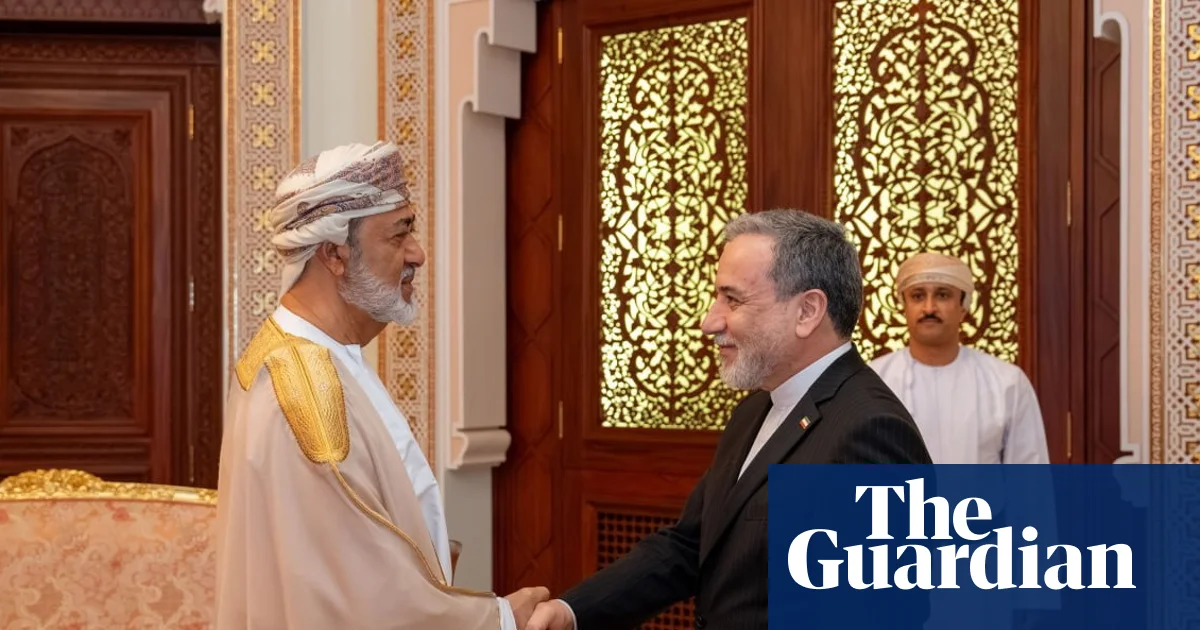
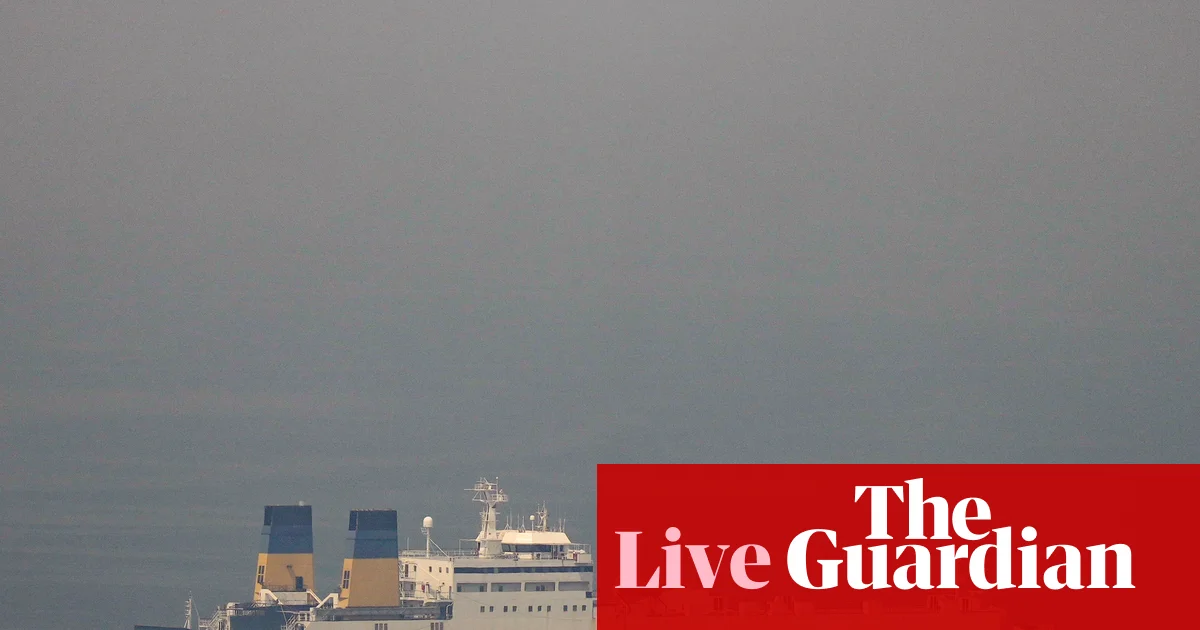
The Middle East has become a flashpoint once again, with escalating tensions revolving around the strategic Strait of Hormuz, a vital artery for global energy supplies. Recent developments reveal a complex web of diplomatic and military maneuvers as Iran and the United States inch closer to a potential eruption of conflict. Iranian negotiator Mohammad Bagher Ghalibaf acknowledged progress in talks with Washington but underscored the persistent gaps on nuclear issues and control of the Strait, a critical chokepoint through which roughly 20% of the world’s oil passes daily. He expressed cautious optimism, yet the underlying discord suggests a volatile standoff that could threaten stability across the globe.

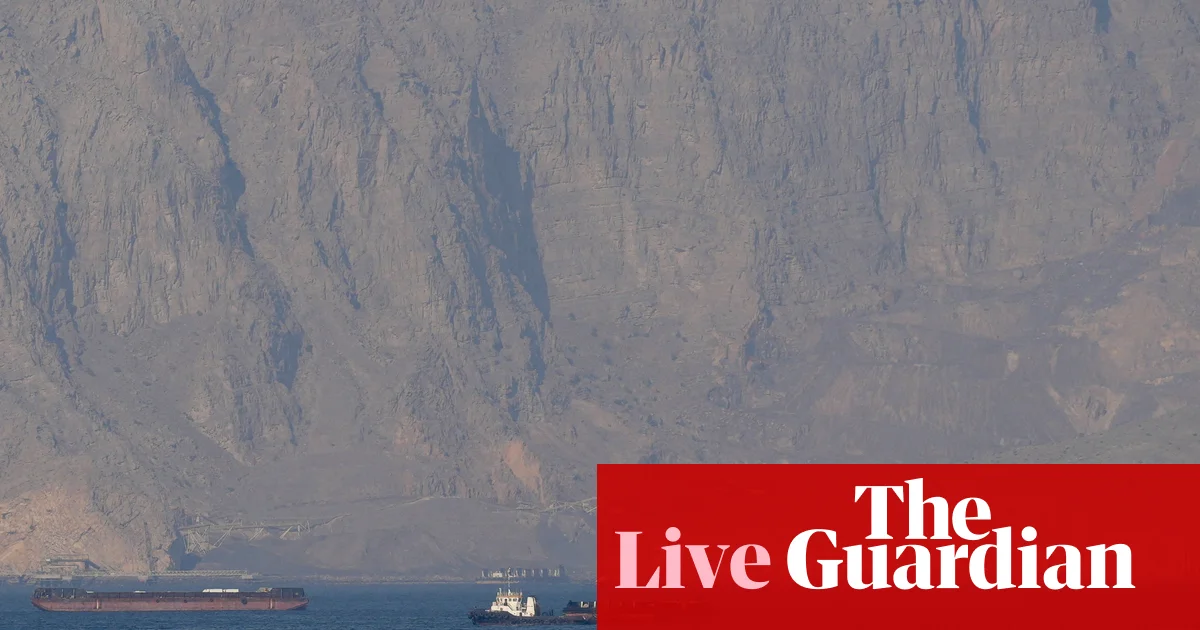
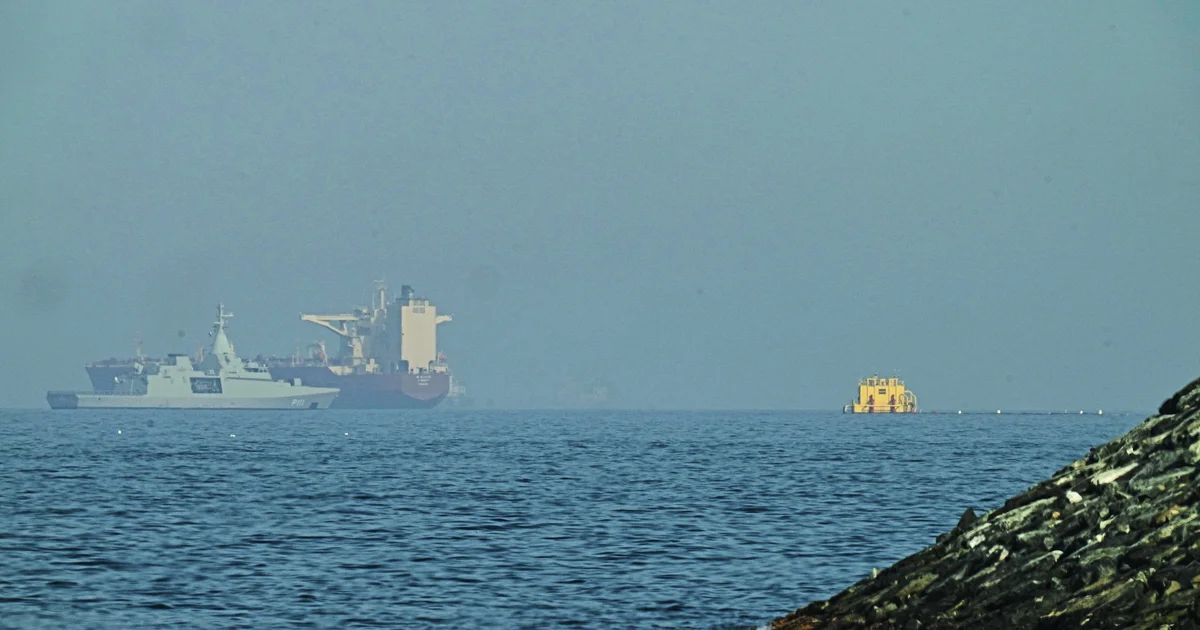
President Donald Trump publicly declared that the US was engaged in “very good conversations” with Tehran, but he also issued stark warnings against potential blackmail tactics over maritime routes. The US’s blockade of Iranian ports and its naval presence have fueled Iran’s reversal of the reopening of the Strait of Hormuz, reimposing restrictions that threaten to choke off global oil flows. On Saturday, Iran’s Khatam al-Anbiya military command announced it had reasserted control over the waterway, restoring the Strait to its “previous status” under strict military management. This move follows reports that Iranian Revolutionary Guard ships had fired upon a tanker attempting passage, with Indian-flagged vessels also targeted—a clear provocation with potentially far-reaching consequences.

Geopolitical Impact: A Powder Keg Ready to Ignite

Analysts and international security scholars warn that the escalation around the Strait of Hormuz is a turning point that could plunge the region into full-scale war absent a diplomatic breakthrough. The US convened a White House Situation Room meeting to evaluate the crisis, with senior officials warning that unless peace talks produce a significant agreement, a new conflict could erupt within days. The potential reopening of hostilities raises profound geopolitical questions about the future of global energy markets, regional stability, and the balance of power in the Middle East.

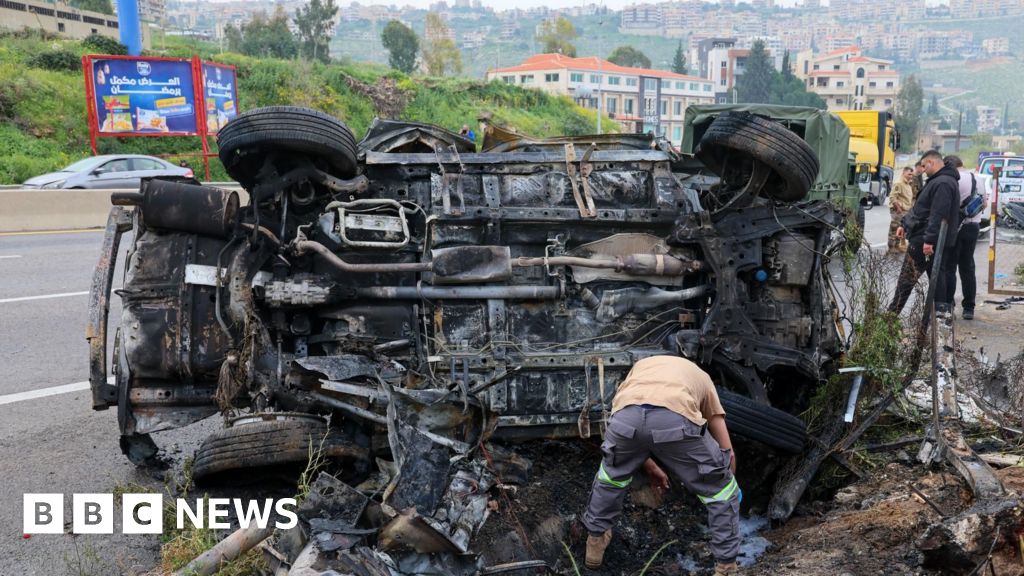
Meanwhile, regional actors such as Hezbollah have publicly denied involvement in recent deadly attacks against UN peacekeepers in southern Lebanon, efforts seemingly aimed at steering the broader conflict away from open regional war—yet the violence and military posturing suggest otherwise. Israeli forces have begun demolishing structures in border towns like Bint Jbeil, signaling a readiness to escalate border conflicts. Israeli military actions also extend into the Gaza Strip, where two UN-contracted drivers were killed, prompting a suspension of humanitarian aid operations. This sequence of provocations underscores how the crisis extends beyond Iran and the US, threatening to engulf Lebanon, Israel, and Palestinian territories in a broader regional upheaval.

How Decisions Shape Societies and Future History

The international landscape remains fragile, with diplomatic efforts hampered by mutual distrust and conflicting interests. Experts like geopolitical analyst John Bolton and organizations such as the United Nations warn of a possible “shadow war” burgeoning beneath the surface of diplomacy, with small military clashes potentially escalating into wider conflicts. The decision of President Trump to play golf amid this heightened crisis exemplifies a dissonance between leadership and the geopolitical urgency at hand—banner signals that the stability of oil markets and peace in the region hang in the balance.

As history continues to unfold, the way this crisis is resolved—or not—will determine the fate of millions caught in the crossfire. Will diplomatic patience prevail, or are we witnessing the initial moves toward yet another devastating regional war? The weight of history rests on current decisions, echoing lessons from conflicts past while forging pathways into an uncertain future. Global stability teeters on a knife’s edge, awaiting the next critical move that could reshape the geopolitical map for decades to come.

Israel and Hezbollah escalate clashes after US-led Lebanon talks

In a dramatic turn of events, Israel has launched a series of strikes targeting southern Lebanon, marking a significant escalation in the ongoing Middle East conflict. These military actions follow a period of rare direct negotiations, which had briefly raised hopes for de-escalation in a region long plagued by hostilities. Meanwhile, Hezbollah, the Iran-backed Lebanese militia, responded aggressively by firing rockets at Israeli territory, signaling that diplomacy has yet to translate into a lasting ceasefire.

The recent surge in violence underscores a fragile geopolitical balance in the Levant, with Israel asserting that its strikes are aimed at suppressing militant activity and deterring further attacks. Officials in Tel Aviv emphasize that their operations are targeted and precise, yet the repercussions are felt far beyond Israel’s borders. The United Nations has called for restraint, warning that rising tensions risk unleashing a broader regional conflict with devastating consequences.

Analysts caution that these incidents serve as a stark reminder of the region’s volatile nature. Historically, moments of diplomatic briefings—like the recent negotiations—have often been followed by a resurgence of violence, reflecting the complex web of alliances and unresolved grievances. As international organizations and key powers, including the United States and Russia, observe closely, experts warn that a failure to achieve sustainable peace could plunge the region into renewed chaos with profound geopolitical impact. It could threaten to destabilize neighboring countries, fuel extremist narratives, and threaten global security more broadly.

From the perspective of historians and political analysts, this cycle of aggression illustrates a recurring pattern in Middle Eastern diplomacy—where short-lived ceasefires give way to renewed conflict, often driven by unresolved territorial disputes, ideological clashes, and external influences. The recent exchanges between Israel and Hezbollah have _not_ only reaffirmed the volatility of the border regions but also underscored the importance of strategic resilience for regional and global stability. As the world watches, the decisions made in the coming days will shape the course of history, with many wary of the possibility that this latest confrontation may ignite a much larger and more destructive conflict.

As the skies over southern Lebanon darken with the echoes of explosive bursts and rocket salvoes, history’s pen continues to write a chapter of relentless upheaval. Despite efforts toward diplomacy, the undercurrent of hostility reminds the world of the fragile veneer over a landscape built on longstanding grievances and external influences. The question remains: will this cycle of violence persist, or can the foundations of peace finally be laid? Ultimately, the choices in this crucible of conflict will resonate through the centuries, shaping the future of nations and societies in an unpredictable and turbulent Middle East.

Israeli settlers escalate West Bank assaults amid indifferent security forces

The situation in the West Bank continues to escalate, exposing a volatile chapter in the ongoing Israeli-Palestinian conflict that bears profound geopolitical repercussions. Reports of widespread settler violence—attacks involving arson, vandalism, and physical assaults—underscore a disturbing pattern of escalation that challenges international calls for stability and peace. Over recent days, Israeli settlers have reportedly carried out coordinated raids across at least half a dozen Palestinian communities, inflicting injuries and destruction, while Israeli forces have largely remained passive or complicit in allowing these acts to unfold unchecked.

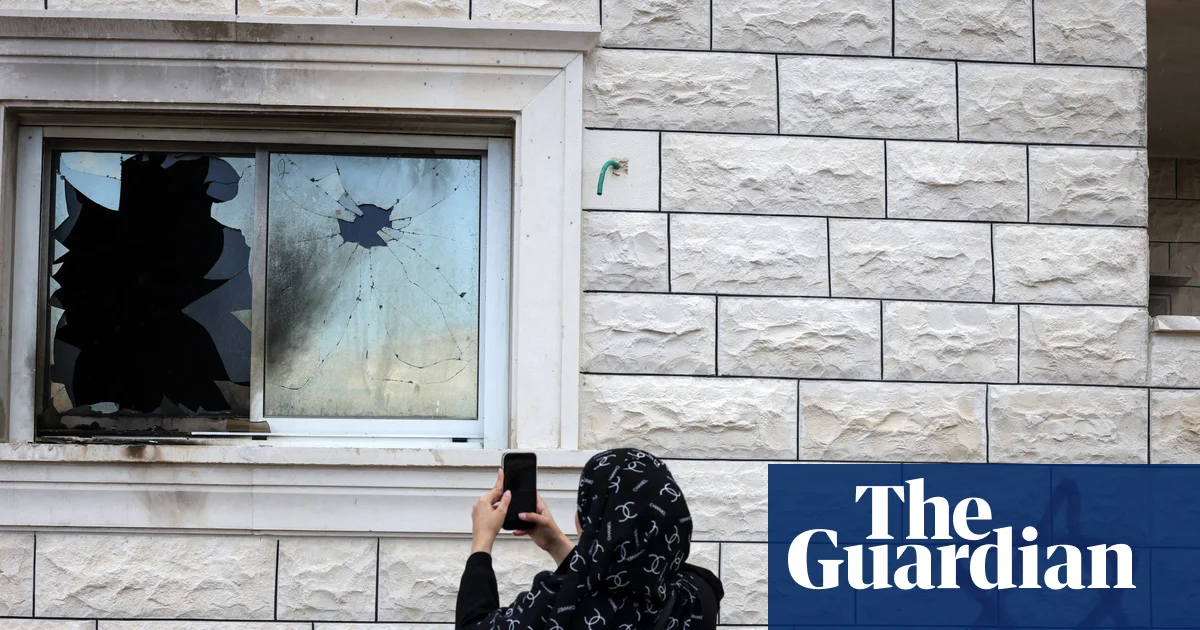
  • Settlers targeted homes and vehicles in communities such as al-Fandaqumiya, Seilat al-Dahr, Masafer Yatta, Qaryout, and Jaloud. Witnesses describe scenes of chaos and destruction, with multiple homes burned, residents injured, and hundreds of vehicles vandalized or torched.
  • These incidents have coincided with key religious and national observances like Eid al-Fitr, marking a period traditionally associated with peace and reflection, yet now overshadowed by violence and lawlessness.
  • The UN and human rights organizations like B’Tselem have condemned the Israeli government’s apparent complicity—arguing it enables settler violence as part of a broader strategy to forcibly displace Palestinians and expand territorial claims.

Amid this climate of unchecked violence, international analysts have begun scrutinizing the dangerous implications of the Israeli government’s approach in the West Bank. Critics point to a concerning trend: the absence of accountability for settler crimes, which often go unpunished, further emboldening settler factions. Yair Golan, leader of Israel’s Democratic Party, has publicly condemned what he describes as government neglect and the promotion of lawlessness, warning that “Jewish terrorism” is proliferating amidst the chaos. Historic trends highlight that such unchecked violence risks destabilizing the entire region, intensifying cycles of retaliation and undermining prospects for peace.

Meanwhile, international institutions warn that Israel’s policies in the West Bank could result in the *forcible displacement* of Palestinian communities, threatening to alter the demographic and territorial status quo permanently. The UN explicitly states that current Israeli practices risk “displacing entire communities,” a move that could have broader destabilizing effects beyond regional borders. The horrific details of Israeli military actions—such as the 2023 killing of a Palestinian family in Tamoun or reports of settler sexual violence—serve to deepen global concern over human rights abuses, as well as the erosion of moral authority in the conflict.

As the international community watches, a shadow of doubt falls over the decades-old peace process. With each act of violence, the prospects for any diplomatic resolution fade further into the horizon, replaced by escalating cycles of hostility rooted in decades of failed policy and missed opportunities. Anxieties loom large, as the global balance of power shifts in the face of these ongoing crises, and the potential for wider regional destabilization grows. The unfolding story in the West Bank is a stark reminder: history’s pen continues to write with an unforgiving hand, and the coming chapters will forever shape the destiny of nations, societies, and the very fabric of international order.

Middle East Tensions Escalate: Trump Pins Responsibility on Allies, Dubai Airport Closures Amid US-Israel Standoff with Iran

Global Tensions Surge Amid Middle East Turmoil and Strategic Power Plays

As Israel intensifies its military operations targeting Iran, and US President Donald Trump brokers efforts to build an international coalition to reopen the heavily contested Strait of Hormuz, the geopolitical landscape of the Middle East is spiraling into an unprecedented crisis with far-reaching global consequences. The recent violence, coupled with sharp economic repercussions, underscores a pivotal moment in international relations, one that analysts warn could shape the future of global energy security and regional stability for generations to come.

The US administration has been ramping up pressure on allies, notably demanding that countries contribute military assets to maintain open water routes vital for the world’s energy supplies. Trump’s warning, as reported by the Financial Times, highlights a stark reality: failure to secure the Strait of Hormuz could catastrophic repercussions, including a “very bad” future for NATO. While several nations like the UK, Canada, and Australia have declined to send naval forces to the strategic waterway, the US continues to lobby globally, emphasizing that a failure to act could destabilize the world’s oil markets, which are already reacting to the turmoil with Brent crude surging past $104 per barrel. The potential disruption of one-fifth of the world’s traded oil not only threatens the energy economy but could ignite broader geopolitical conflicts, analysts warn, risking destabilization extending beyond the regional power struggle.

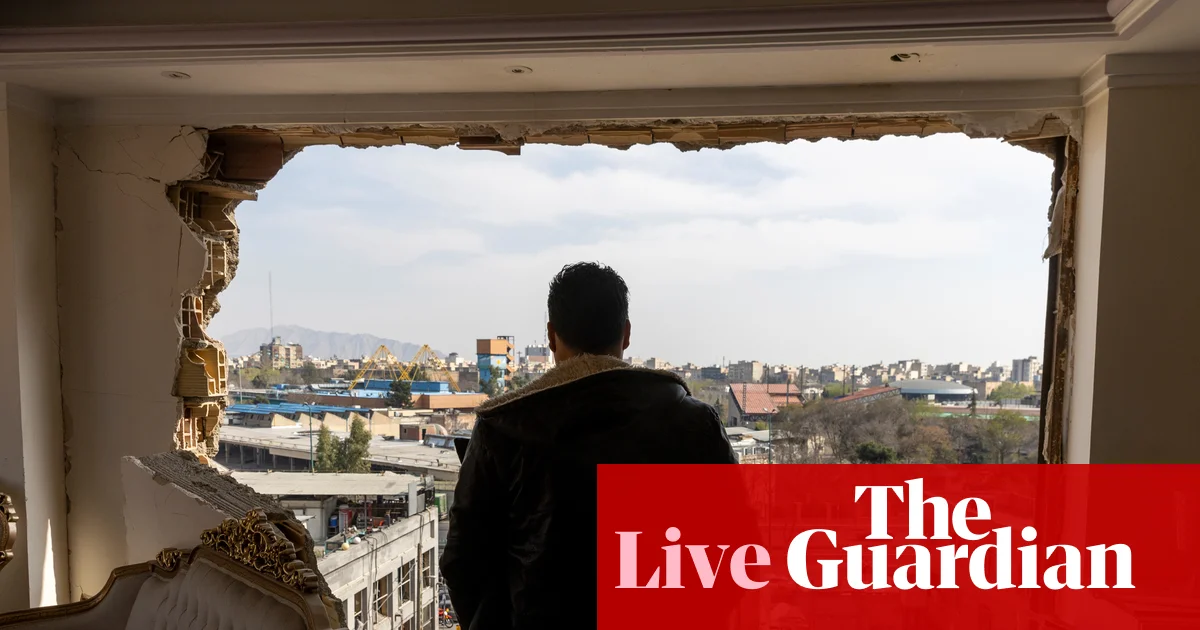
The escalation extends beyond high diplomacy, manifesting in immediate tactical clashes. Reports of drone attacks on military bases in Kuwait and rocket strikes in Iraq suggest an expanding conflict zone. Italy’s military acknowledged a drone attack on the Ali Al Salem base in Kuwait, while Iraq reported rocket fire targeting Baghdad’s international airport, injuring multiple personnel. These incidents, combined with Iran’s stern warnings to neighboring nations, hint at a rapidly expanding regional war. Israel maintains its focus on targeting Iran’s infrastructure, asserting that its military remains prepared for thousands of potential targets within Iran itself. iran‘s foreign minister has condemned Israeli airstrikes as ecocide, accusing Israel of violating international law and long-term environmental damage — a stark escalation in rhetoric that highlights the severity of the conflict.

The crisis is also affecting global markets and diplomatic efforts. Oil prices continue to climb amid fears of supply disruption, while European and Asian nations deliberate their response. Japan’s reluctance to participate in maritime security efforts reflects the complex balancing act faced by Tokyo, which must contend with its economic reliance on Middle Eastern oil while avoiding escalation. Meanwhile, Britain is considering deploying unmanned minesweeping drones, a move that underscores the fragility of international maritime security in these turbulent times. With energy estimates suggesting gas prices could drop below $3 per gallon if the conflict resolves, the economic stakes are immense and visibly intertwined with global stability. The decisions of individual nations are a delicate dance, with each move carrying the potential to ignite or defuse a broader regional confrontation.

At the center of this rapidly evolving crisis, President Trump‘s diplomatic and military maneuvers reflect a bold but controversial approach — seeking to forge a coalition capable of breaking the Iran blockade of the vital Strait of Hormuz. While some nations inch toward cooperation, others remain hesitant, wary of escalating the conflict further. This strategic impasse emphasizes how history hangs in the balance, with each decision carrying the weight of entire societies and futures. As Israel faces threats from Iran and its proxies, and global powers navigate the treacherous waters of diplomacy and warfare, one cannot help but feel that the unfolding events are shaping the contours of the 21st century. The world watches with bated breath, aware that the turning point is imminent — yet unaware of which path the currents of history will carry us, leaving the window open for both catastrophe and hope in an uncertain future.

Middle East Tensions Escalate: Trump Shocked Iran Targets Gulf, US Shapes New Front in Iran Conflict

In a rapidly evolving landscape of geopolitical tensions, the Middle East remains a nucleus of conflict and strategic recalibration. Reports depict an intensification of Iran’s relentless campaign of retaliation against regional and global powers, exacerbating the already fractured stability of the area. Iran’s recent deployment of thousands of drones and missiles, particularly targeting Gulf states and US strategic assets, signifies a decisive shift in regional warfare tactics—one that has caught many international observers off guard. Historical analysts from institutions like the Council on Foreign Relations warn that Iran’s symbiotic relationship with newly manufactured drones and the transnational nature of its attacks threaten to ignite a broader, more destructive regional conflict.

The escalating conflict has seen Iran launch over 1,800 missiles and drones at the UAE, Iran’s ports, and even Iranian infrastructure, disrupting the regional order. With Iran claiming the US exploited strategic ports in the UAE for offensive strikes, and Iran’s warning for evacuations in three major ports, the risk of an all-out confrontation has become alarmingly palpable. Notably, Iran’s use of Shahed drones, originally pioneered for asymmetrical warfare like in Ukraine, now embodies a new era of less costly, high-impact weapons—one that Russia has adopted and that threatens global maritime trade routes. This wave of attacks underscores the strategic shift away from traditional military confrontations toward a decentralized, drone-centric battlefield, which keeps Western powers on the back foot while emboldening Iran and its allies.

Meanwhile, the United States under President Donald Trump has doubled down on military assertions, with claims of “decimating” Iran’s Kharg Island oil hub and promising to assist international partners in safeguarding the Strait of Hormuz. Trump’s rhetorical escalation, calling for “help” from allied nations and emphasizing US military dominance, reflects an increasingly confrontational stance that many foreign analysts describe as a gamble with global repercussions. Despite efforts from some Middle Eastern allies to initiate diplomatic negotiations, the Trump administration rebuffs such appeals, suggesting that the US perceives Iran’s campaign as a clear assertion of power that must be countered decisively. Critics warning from the United Nations highlight that such military escalation risks destabilizing the entire international energy system, with the potential for the Middle East to descend into a broader, devastating conflict.

As the chaos spirals, the geopolitical impact of these developments will ripple across societies and economies worldwide. The interruption of major oil routes, the destruction of infrastructure, and the fragmentation of diplomatic efforts threaten to push global markets into turmoil. The decision by the UK to deploy mine-hunting drones, and reports of NATO allies contemplating further military measures, reveal how the crisis is transitioning toward a near-permanent state of conflict. History’s witnesses warn that modern warfare’s new face—centered on drone technology and cyber warfare—may redefine what it means to be at war, leaving future generations to navigate the shadows of unending conflict, where peace remains elusive and the echoes of destruction resound across nations.

Iran-backed militias escalate assaults on US, Israel, and allies

The Middle East is once again teetering on the brink of broader chaos as Iran-backed militias in the region escalate their attacks against Israel, the United States, and their allies. This intensification comes in the wake of a contentious U.S.-Israeli offensive aimed explicitly at Tehran’s network of militant groups. The conflict, rooted deeply in regional rivalry and decades of proxy warfare, is now drawing in new armed actors, with Iraq emerging as a pivotal battleground where covert and overt confrontations threaten to ignite a wider regional conflict. Analysts warn that the ongoing violence not only jeopardizes regional stability but fundamentally alters the geopolitical landscape, pushing global powers into a dangerous game of escalation and strategic ambiguity.

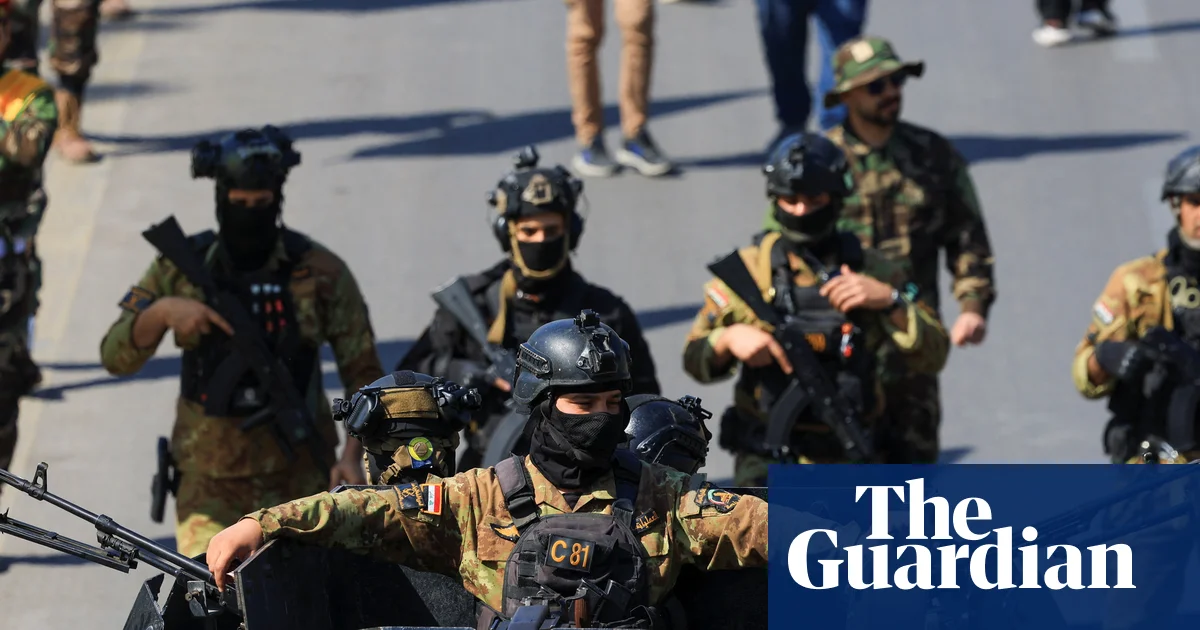
Since the war’s recent outbreak, militias loyal to Iran have launched dozens of attacks across Iraq, targeting American and Israeli interests in multiple countries. These attacks, often clandestine, include missile strikes and drone assaults from Iraqi territory into neighboring Jordan, efforts to cripple Iranian Kurdish opposition infrastructure, and attempted missile launches from southern Iraq—highlighting a clear escalation of proxy hostilities. According to prominent regional analysts and former intelligence officials, Israel and the US are actively engaging in targeted airstrikes and special operations to weaken pro-Iranian militias’ capabilities, aiming to dismantle Iran’s influence in Iraq and the broader Middle East. However, as these measures intensify, so does the risk of wider escalation, with officials in Washington considering the mobilization of Iranian Kurdish groups potentially for *an invasion of Iran’s northwest*, marking a new and dangerous phase in the regional proxy war.

The geopolitical impact of these events cannot be overstated. The long-standing US-Iran rivalry, which has played out through the proxy networks spanning from the Indian Ocean to the Mediterranean, is now manifesting in overt violence and strategic countermeasures. Iran’s investment over decades in a coalition of militias—such as Kataib Hezbollah—aims at both deterring external attacks and projecting influence regionally. The recent surge in attacks on militia bases, including alleged Israeli drone operations, signals a shift toward clandestine and asymmetric warfare. Historically, many specialists, including scholars from Chatham House and military analysts, argue this escalating chaos is as much about Iran’s existential resilience as it is about regional dominance. Dozens of fighters have been killed in retaliatory strikes, and unexplained explosions have reportedly disabled Iraqi radar systems, raising fears of a covert war waged from the shadows.

Furthermore, the broader regional implications are ominous. The “axis of resistance,” long a thorn in Israeli and Western interests, has been dented but not broken, as Iran’s allies like Hezbollah and Hamas remain poised but deliberately cautious. Recent Israeli offensives in Lebanon and the threat posed by Iran’s Houthi allies in Yemen hint at an expansion of the conflict. Meanwhile, analysts suggest that Iran’s strategic reserves include the Houthis, which may be held in reserve for a future escalation should Tehran perceive its regime’s survival as truly at risk. The potential deployment of proxies and the possibility of internal destabilization signals that the conflict is less about immediate territorial gains and more about a profound fight for influence and survival—a war fought through shadows and subversion, with the stakes nothing less than regional dominance and ideological supremacy.

As history continues to unfold in this volatile theatre, the world stands at a threshold. The ongoing proxy battles in Iraq, Syria, and across the Middle East are shaping a story of resilience and resistance, underpinned by fierce ideological commitments and strategic calculations. Every missile fired, every drone launched, and each unexplained explosion is a chapter in a larger narrative of a region caught between superpower rivalries and the relentless pursuit of influence. The outcome remains uncertain, but one truth persists: this is more than a regional dispute—it is a pivotal moment in the shaping of the Middle East’s future, with the weight of history swinging in the balance, waiting for the next move that could usher in either a fragile peace or a catastrophic escalation.

Pete Hegseth says Trump’s ‘closing’ Iran conflict as tensions escalate – US politics update

Global Escalation: The US, Iran, and the Future of World Power

In a dramatic turn of events, the United States has launched a major military operation against Iran this week, igniting a complex geopolitical crisis with potentially irreversible consequences. The operation, dubbed Operation Epic Fury, was authorized by President Donald Trump after nearly half a century of Iran’s alleged hostile actions against Western interests. As US officials publicly assert that they are “finishing” what was started long ago, the very fabric of international diplomacy and national sovereignty is being tested like never before, creating ripples that threaten to destabilize the Middle East and reshape global power balances.

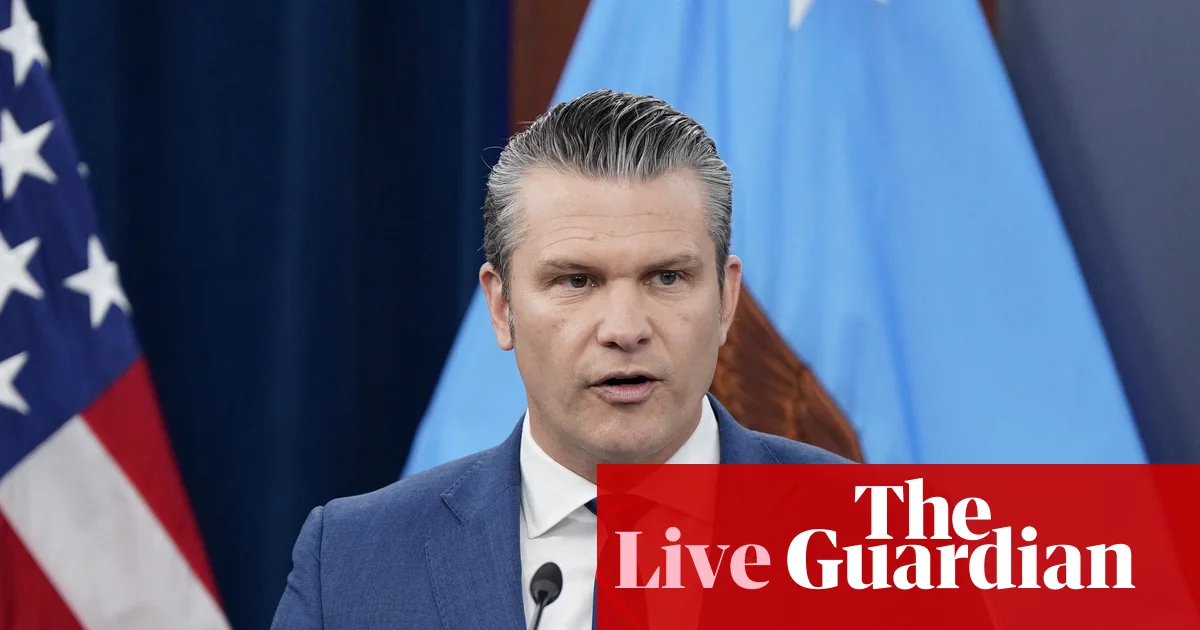
From the outset, the US government has framed the conflict as a necessary response to Iran’s persistent threats—rhetoric rooted in accusations of missile proliferation, nuclear ambitions, and regional destabilization. Defense secretary Pete Hegseth has emphasized that this campaign will not be swift, describing the operation as a “big battle space” requiring patience and strategic precision. His assertion that “We didn’t start this war, but under President Trump, we are finishing it,” signals a shift toward a more aggressive posture that bucks the traditionally cautious approach of past administrations. Historically, analysts and war critics warn that such a posture risks spiraling into a regional conflagration from which even nuclear deterrence may not protect the world’s superpowers from entanglement.

The unfolding escalation has prompted urgent responses from Congress, with Democratic leaders demanding a vote under their constitutional authority to limit Trump’s military actions.

  • Top Democratic representatives, such as Gregory W. Meeks, have vowed to oppose the war effort, with some even willing to board planes to oppose what they see as an unconstitutional invasion.
  • Yet, despite these efforts, the administration maintains that it “set the terms of this war from start to finish,” signaling a federal executive branch increasingly willing to bypass Congress and consolidate military authority in a manner reminiscent of imperial overreach.

International organizations, including the United Nations, have expressed concern that the open warfare risks pushing the region into chaos, with war analyst Dr. Laura Hendrick warning that “such unilateral military actions could trigger a regional domino effect, leading to wider conflicts involving neighboring states and geopolitical rivals.” Moreover, the humanitarian fallout—particularly with reports of pregnant immigrant children moved into detention centers—raises questions about legality and human rights abuses under the guise of national security.

As the world watches with wary eyes, both America’s role as a global policeman and Iran’s resilience in the face of relentless pressure are at a critical crossroads. The death of Iran’s Supreme Leader Ali Khamenei, hailed by some U.S. hawks as a “turning point” for regime change, has further inflamed tensions, prompting Tehran to launch missile counterstrikes and hinting at an ongoing, perhaps endless, cycle of violence. Historian Prof. William Carter warns that “Decisions made in the coming weeks will determine whether this is an isolated chapter or the start of a new era characterized by prolonged regional chaos and a realignment of alliances.” The resurgence of military intervention, coupled with the use of AI-driven targeting from agencies like the Pentagon, signals a dangerous precedent—one where technology and brute force threaten diplomacy and peaceful resolution.

As the narrative of war continues to unfold, the weight of history presses down on leaders and nations alike. Will this conflict be resolved before irreversible damage is done, or are we witnessing the dawn of a new era of global instability? The choices made today in Washington and Tehran will echo through time, shaping the destiny of the world and leaving an indelible mark on history’s grand canvas. With war drums echoing across the landscapes of geopolitics, the future hangs precariously, reminding us that in the theater of international power, the stakes have never been higher.

Pakistan targets Afghan cities as border tensions escalate

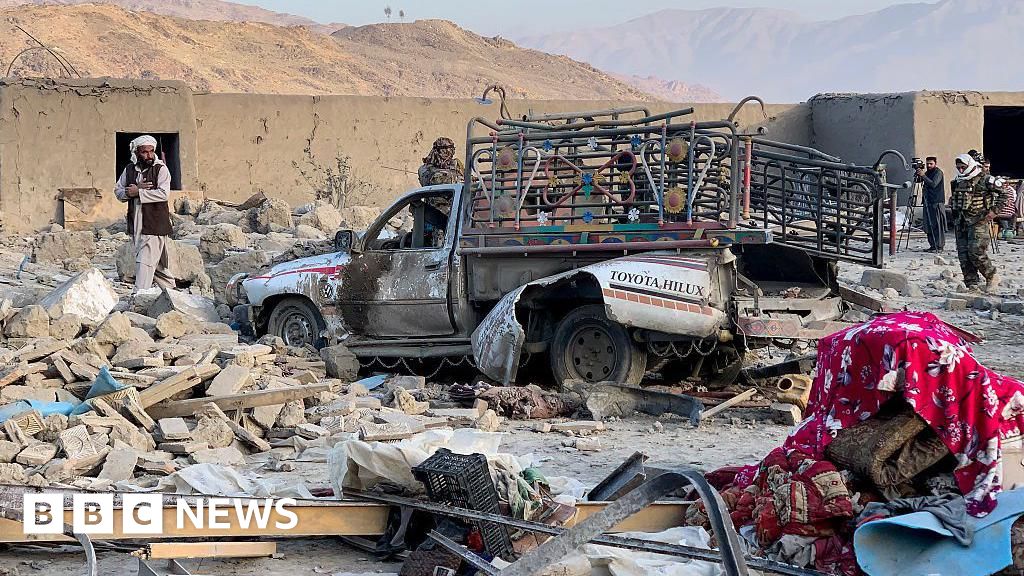
The recent escalation between Afghanistan and Pakistan marks a critical turning point in South Asian geopolitics, inviting global scrutiny and raising concerns about regional stability. According to reports, the Afghan Taliban has officially announced that it responded to recent Pakistani military strikes, which targeted Afghan cities including Kabul and Kandahar. This development underscores a spectrum of complex intertwining issues—territorial disputes, security threats, and the fragile balance of power—that have long defined the relationship between these two nuclear-armed neighbors.

The Pakistani military entered Afghan territory, citing counter-terrorism operations against militant groups operating across the border. However, the Taliban’s claim of response signifies a shift from previous Taliban neutrality, hinting at a broader escalation that could destabilize the entire region. Military analysts warn that such exchanges risk fueling a cycle of retaliation, pushing South Asia closer to outright conflict. The recent moves come amid an increased militant threat and growing tensions over Afghanistan’s future political landscape following NATO’s withdrawal and the Taliban’s return to power.

The regional implications of these strikes are far-reaching. Pakistan, a key U.S. ally during the Cold War and in the ongoing war on terror, now finds itself entangled in an unpredictable crisis that challenges its strategic interests. The Taliban, supported by elements within and outside Afghanistan, has reiterated its stance of defending its territorial integrity, implicitly warning Pakistan against further military incursions. Meanwhile, China and Russia observe cautiously, understanding that prolonged instability could undermine their interests in Central Asia and beyond. The United Nations calls for restraint but remains deeply concerned about the possibility of escalation leading to a wider regional conflict, jeopardizing prospects for peace in a volatile part of the world.

Historians and foreign policy analysts point to these events as a pivotal moment. Dr. Samuel Peterson, a senior researcher at the International Institute for Strategic Studies, notes that “the response of the Taliban indicates a potential shift in their approach to regional security, possibly signaling a more assertive stance in defending their borders, which could destabilize the fragile peace in the region.” The aftermath of these military actions could reshape alliances, influence internal politics, and determine whether South Asia will step into a new era of conflict or find pathways toward diplomacy. The interplay of national sovereignty, militant insurgency, and international interests continues to hang in the balance, with the world watching closely.

In this unfolding narrative of conflict and diplomacy, history is again being written. The decisions taken by Pakistan and the Taliban at this critical juncture could have enduring consequences, echoing through generations. As diplomats scramble for solutions and military tensions simmer dangerously, the fate of millions remains uncertain. The shadow of history looms large, reminding us that in the high-stakes game of regional power, one misstep could ignite a conflagration that reshapes the geopolitical landscape forever. The weight of this unfolding story underscores the harsh reality: in the theatre of international relations, peace is often the fragile exception in a world driven by conflict and national interests.

Cuba claims U.S. border guards fatally shoot four on speedboat—questionable actions escalate tensions

In an unsettling development along Cuba’s northern coast, a confrontation or incident resulted in the injury of six passengers, underpinning growing stability concerns in the region. The event, which unfolded near an island off Cuba’s coast, has triggered a wave of international interest and analysis, spotlighting the fragile geopolitical equilibrium that characterizes the Caribbean basin today. While details remain murky, the incident’s timing and location suggest broader currents of regional instability, with implications that ripple far beyond the immediate borders of Cuba.

Historically, Cuba has been a strategic geopolitical piece, nestled amidst the interests of major powers such as the United States and Russia, with recent attempts at normalization of relations and economic liberalization still under tension. Analysts from institutions such as Jane’s Intelligence Group and The Council on Foreign Relations emphasize that incidents like this often serve as flashpoints within larger narratives of regional influence. Speculation persists that this event may be linked to ongoing disputes over maritime sovereignty or the rising tensions wrought by increased foreign military presence in the Caribbean.

  • Security concerns escalate as maritime incidents become more frequent, challenging Cuba’s diplomatic stability.
  • International organizations, including the UN Maritime Agency, are closely monitoring the situation, acknowledging the potential for escalation into broader conflict.
  • Potential repercussions could entangle neighboring nations, heightening fears of a regional flashpoint amid rising U.S.-Venezuela tensions.

The geopolitical impact of this incident extends beyond immediate safety concerns. Regional powers are reevaluating security protocols, with some calling for increased patrols and intelligence sharing. The event also prompts reflection within how nations balance sovereignty, security, and cooperation. As Latin American governments grapple with these developments, the shadow of great power competition looms larger. How does this incident fit into the broader canvas of shifting alliances and strategic postures in the Western Hemisphere? These questions are now central to international diplomacy, with analysts warning that failure to address underlying tensions could lead nations down a darker, more unstable path.

Meanwhile, historians and geopolitical analysts warn that such localized incidents, if left unaddressed, risk falling into patterns of escalation rooted in unresolved territorial or resource disputes. The maritime area near Cuba has long been a corridor for both legal trade and clandestine activity, making it a hotspot for potential conflict. The world’s eyes remain fixed on this evolving story, as the weight of history presses down on current events, reminding us that in the complex game of geopolitics, today’s small incident could ignite tomorrow’s larger crisis. As nations converge on this critical juncture, the choices they make now will reverberate for generations to come, shaping the future in ways that are yet to be fully understood.

WHO: Infectious Diseases in Gaza Escalate as Crisis Deepens

The ongoing crisis in Gaza has escalated into a complex human tragedy with wide-reaching geopolitical consequences. The World Health Organization (WHO) has issued a stark warning, revealing that infectious diseases are “spiralling out of control” within the territory, where only 13 of the 36 hospitals remain partially operational. This collapse of medical infrastructure—highlighted by experts like Hanan Balkhy—underscores the catastrophic humanitarian toll of sustained conflict, which in turn threatens regional stability. As the UN warns that it will take “time to reverse the famine” in Gaza, international aid efforts work feverishly to mitigate the crisis, but the challenges are profound and interwoven with broader geopolitical shifts.

Despite a fragile ceasefire brokered by Egypt and the United Nations, the situation remains volatile, with declarations from western nations indicating plans to deploy international stabilization forces. France and the UK, in coordination with the United States, are preparing a UN Security Council resolution aimed at establishing an international force to restore order in Gaza—an unprecedented move that signals shifting strategies. According to analysts, such measures could reshape the very fabric of Middle East geopolitics, as external powers seek to balance pressure on Hamas and bolster the stability of Israel. The cause-and-effect extends beyond Gaza, with regional actors like Turkey deploying disaster relief specialists amidst mounting criticism of Hamas’s handling of remains and hostages, which have become symbolic of the ongoing gamble for regional influence and narrative control.

Meanwhile, the U.S. under Donald Trump has advanced a bold 20-point plan for Gaza, advocating the disarmament of Hamas, offering amnesty for leaders who decommission their weapons, and establishing governance for a postwar Gaza. This plan, articulated amidst warnings from Israel’s leadership and escalating military readiness, underscores a strategic shift: the push toward redrawing the post-conflict political landscape. Israeli officials, led by Benjamin Netanyahu, remain resolute, affirming their commitment to recover all hostages and reassert control, while Trump’s provocative rhetoric — including threats to “go in and kill” Hamas if ceasefire violations continue — signals a hardening stance globally. Such decisions are not made in isolation; they ripple through societies, igniting debates on sovereignty, interventionism, and stability, and leaving history to record whether these choices steer the region toward peace or prolonged chaos.

As the narrative unfolds, the weight of history presses heavily upon the present. The Gaza crisis exposes a treacherous web of human suffering, international diplomacy, and competing interests—a conflict where each decision echoes beyond the battlefield and into the future of geopolitics. The decade-long struggle remains unresolved, teetering on the cusp of deeper regional upheaval, with the world watching as leaders navigate the perilous line between humanitarian aid, military intervention, and diplomatic negotiations. The story of Gaza—marked by loss, resilience, and strategic gambles—continues to be written, and the heavy hand of history reminds us that the consequences of today’s decisions will shape generations to come.

Social Media Auto Publish Powered By : XYZScripts.com