Matox News

Truth Over Trends, always!

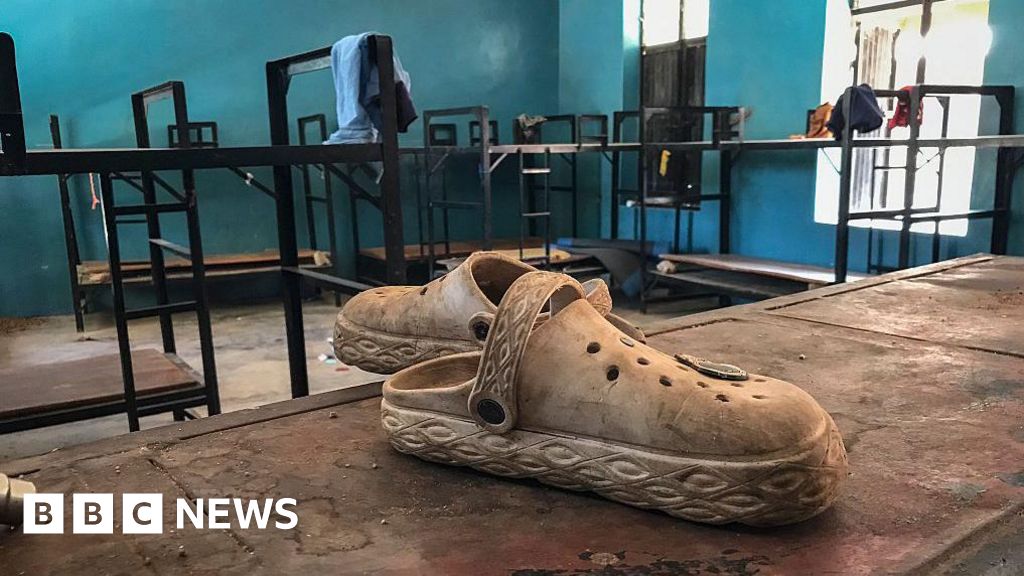
Fifty children escape as gunmen’s mass school kidnapping in Nigeria sparks alarm

Flickers of Hope Amidst the Darkness of Nigeria’s Kidnapping Crisis

The recent mass abduction of schoolchildren in Nigeria has once again cast a shadow over a nation already battered by violence and instability. The daring kidnapping of over 300 students from St. Mary’s School in Niger state, and subsequent escapes of 50 of these children, signal a disturbing escalation in what international analysts describe as an ongoing crisis. Despite efforts by the Nigerian government, including the deployment of an additional 30,000 police officers, these criminal gangs—locally branded as bandits—continue to wield terror with impunity, revealing cracks in Nigeria’s security framework.

Experts like Dr. Samuel Okoye, a geopolitical analyst specializing in West African affairs, warn that the proliferation of kidnapping for ransom is not merely criminal enterprise but a test of state authority, exacerbating existing tensions within Nigeria’s multi-ethnic, multi-religious society. The wave of abductions, which now surpass the infamous Chibok incident of 2014—where 276 girls were seized—has reignited international concern. Such acts are not isolated but are symptomatic of broader upheavals involving Islamist insurgents, criminal syndicates, and communal conflicts fueled by competition over land and resources. The United Nations has expressed grave concern over the rise in violence, which threatens to destabilize the region further.

Geopolitical Implications and International Reactions

The Nigerian government’s response, which includes the closure of schools and redeployment of security forces, underscores the gravity of its crisis. Meanwhile, the U.S. and other Western nations have begun framing Nigeria’s instability within a global context of religious persecution—claims vehemently disputed by the Federal Nigerian government. Recently, President Donald Trump suggested intervening with military force in Nigeria, asserting that Christians face systematic persecution—a narrative that has sparked controversy and intensified geopolitical debates. Analysts argue such rhetoric risks further complicating Nigeria’s internal dynamics, where many victims are Muslims caught in ongoing jihadist conflicts primarily led by the Boko Haram insurgency, which has been battling the Nigerian state for over a decade.

This flashpoint in Nigeria echoes broader regional tension, with the Lake Chad Basin and Sahel zone serving as hotbeds for Islamist extremism, human trafficking, and illicit arms flows—further destabilizing neighboring countries. For international organizations like ECOWAS and AU, Nigeria’s safety is intertwined with regional stability. Many experts warn that without serious international cooperation and robust regional security strategies, the cycle of violence will persist, threatening to spill over borders and destabilize entire West African corridors.

How Decisions Shape the Future of Societies and Nations

The decision to assign additional security personnel, restrict movement, and close educational institutions marks a defensive approach—yet the root causes remain unaddressed. As historians observe, Nigeria’s history demonstrates that sustained, inclusive political reform is essential to long-term stability. The escalation of violence, the resurgence of religious and ethnic divides, and the chronic underfunding of governance structures suggest that crisis management alone cannot contain this tide of chaos. Instead, meaningful reforms that tackle systemic inequalities and foster community resilience are urgently needed. The unfolding story of Nigeria’s struggle against violent factions is a stark reminder of how fragile national sovereignty can be in the face of internal disorder.

As families mourn and hope flickers among the abducted students’ loved ones, the world watches a nation at a crossroads. The choices made today—whether through military action, diplomatic engagement, or reforms—will inscribe Nigeria’s legacy for generations to come. The darkness shrouding these kidnapping nightmares is compounded by the weight of history, and it remains to be seen whether Nigeria will rise from this abyss or succumb to the insidious forces that threaten to undo it. One thing remains certain: the pages of history are being written now, and Nigeria’s story is far from over.

Para Dance Empowers Youth to Escape, Express, and Just Dance Through Life

In an age where the relentless march of modernity often threatens to erode tradition and collective identity, culture remains the vital vessel of our shared humanity. From the ancient rhythms echoing through mythic times to the contemporary expressions of dance and artistic innovation, culture embodies the subconscious of society—its memory, its values, and its very essence. As the historian Tocqueville once observed, democracy’s strength lies not just in political structures but in the moral and cultural fabric that unites its citizens. Today, the resurgence of inclusive and para dance initiatives highlights how culture continues to serve as a bridge—bringing together individuals regardless of their abilities, reinforcing community bonds, and celebrating resilience. It is at once a reminder of our collective heritage and a prophecy of our capacity to adapt and flourish, even in adversity.

Amidst these cultural currents, a profound recognition emerges: art is more than aesthetics; it is a declaration of identity. The story of Hannah, a teenage dancer in wheelchair, exemplifies the transformative power of movement as a form of self-expression and liberation. Her words—”being able to move to music and forget everything and just dance”—resonate with a deeper truth: that culture is an act of rebellion against the chaos of existence and a reaffirmation of life itself. The inclusive dance classes in Oxfordshire, founded by Lizzie Large and supported by spirited communities, echo the philosophical insight of G.K. Chesterton—who believed that true culture awakens the “childlike wonder” within us, reinstating the moral and spiritual vitality that modern society often neglects. These initiatives not only provide physical and mental liberation but serve as a reminder that our culture’s true strength lies in its ability to uplift the marginalized.

With the recent holding of the Para Dance IPC and World Ability Sports Para Dance Championships in Stevenage, a new chapter opens. Though para dance remains outside the spotlight of the Olympic and Paralympic games, the growing recognition of such competitions underscores an essential point: the evolution of culture mirrors humanity’s journey toward inclusion and excellence. As the philosopher Ortega y Gasset asserted, “The health of a civilization can be measured by its capacity to elevate everyone within it.” The medals won by Oxfordshire competitors symbolize more than athletic achievement—they serve as symbols of resilience, proof that culture, when embraced inclusively, can propel society toward a future that values all its citizens’ talents and spirits. If history teaches us anything, it is that culture’s true vocation is to be an anchor of identity and a compass guiding us toward harmony and understanding.

Ultimately, culture holds the mirror to our soul and the map to our destiny. It is both the memory of who we have been and the prophecy of who we are called to become. As the poet T.S. Eliot reflected, “This is the way the world ends—not with a bang but a whimper,”—yet within our cultural formations, there resides a quiet, persistent hope: a lament that awakens us and a promise that propels us. In every dance, every song, and every act of inclusion, we find the enduring testament that human identity is a tapestry woven with history’s threads and humanity’s dreams—an ongoing story, echoing in the footsteps of tradition and innovation alike, urging us to remember and to foresee, in the eternal dance of existence.

Luxury Cruise Passengers Escape, But Suzanne Rees Was Left Behind and Died Alone on Remote Australian Island

Remoteness and Responsibility: Lessons from a Tragic Incident near Lizard Island

The recent tragedy involving Suzanne Rees, an 80-year-old tourist who died on Lizard Island, highlights significant concerns surrounding maritime safety and accountability in remote regions of the world, even as tourism industries expand across fragile ecological zones like the Great Barrier Reef. The incident, which unfolded after the cruise ship Coral Adventurer allegedly left without properly accounting for Rees, underscores the failure of basic safety protocols—a lapse that could have devastating geopolitical repercussions.

Historically, international maritime regulations and local safety standards aim to protect vulnerable travelers, especially in isolated environments where rescue operations are complex and costly. Yet, this event reveals how inertia and lapses in procedural accountability threaten not only individual lives but also the reputation of tourism operators and, ultimately, national tourism strategies. Analysts suggest that such failures are emblematic of broader systemic issues within maritime safety oversight, especially as more nations with burgeoning tourism sectors attempt to attract international visitors without sufficient infrastructure or regulatory enforcement.

International organizations like the International Maritime Organization (IMO) have long emphasized the importance of passenger accountability—something seemingly overlooked in this case. The incident’s fallout echoes incidents from the past, including the 1998 death of Tom and Eileen Lonergan on the Great Barrier Reef and the haunting accounts of rescue failures in shark-infested waters. Experts warn that such events threaten to undermine global confidence in maritime safety history, with consequences that ripple across diplomatic and economic spheres.

As investigations by Australian authorities unfold, the incident serves as a stark warning of the need for stringent safety protocols. The question of responsibility isn’t solely about individual lapses but about the distribution of accountability among cruise companies, local authorities, and international regulators. Such tragedies threaten to become emblematic of a fragile trust that, if broken, could have long-lasting implications not only for visiting nations but for societies that depend heavily on responsible tourism. The weight of history continues to press upon us: the unfolding narrative of this event will likely shape maritime safety legislation and accountability measures for generations to come, reminding us that in the pursuit of adventure and progress, human life remains the ultimate litmus test of our collective responsibility.

Thrilling Escape: How I Leapt 175 Feet into the Sea During the Piper Alpha Blowout — A Story of Courage and Survival | Life & Style

The tragic Piper Alpha disaster of 1988 stands as one of the most devastating industrial accidents in history, a stark reminder of the importance of rigorous safety standards and responsible management in high-risk industries. Located about 120 miles off the coast of Aberdeen, this North Sea oil platform was the heartbeat of global oil production at its peak, responsible for roughly 10% of the world’s oil and gas. Yet, beneath the promise of prosperity and energy independence lay a story of oversight and tragedy. The explosion and subsequent collapse of Piper Alpha resulted in the deaths of 167 crew members, with many survivors bearing scars — both visible and invisible — that symbolize resilience in the face of chaos. Today, lessons gleaned from this disaster continue to influence safety protocols and corporate accountability, echoing the importance of ownership of responsibility in the pursuit of progress.

Joe Meanen, a former scaffolder on Piper Alpha, vividly recounts the harrowing night he experienced. His account not only underscores the raw human toll but also highlights personal impact— the physical scars, mental trauma, and the quest for meaning after surviving an event that changed his life forever. As Meanen describes, the explosion caused the platform to disintegrate, and with smoke billowing and fires raging, practical survival became a matter of quick thinking and unyielding courage. He made the difficult decision to jump into the North Sea, a leap that defined his will to live, risking burns and injury to escape imminent death. His story embodies a core truth: amid adversity, the human spirit’s drive to survive and rebuild can convert tragedy into a catalyst for growth and renewal.

Post-accident, survivors like Meanen embarked on a journey of healing and remembrance. The aftermath of Piper Alpha prompted a comprehensive public inquiry, which exposed critical safety flaws and issued 106 recommendations to prevent similar disasters. While the tragedy underscored failings on the part of companies like Occidental Petroleum (Caledonia) Ltd, it also became a rallying cry for the industry to prioritize well-being, accountability, and proactive measures. For many survivors, including Meanen, sharing their stories serves as both an act of tribute and a force for change. It’s a reminder that our cumulative experiences and reflections are vital for creating safer, more responsible workplaces—values that resonate strongly in industries vital to our economy and energy independence.

Embracing a lifestyle rooted in resilience and responsibility

From this tragic chapter, a cultural shift has emerged—one focusing on more than just productivity, but also personal wellness and collective safety. Wellness experts emphasize that confronting trauma openly and fostering community connections can significantly aid in personal recovery. Meanen’s annual reunions with fellow survivors exemplify a commitment to shared strength and emotional health, proving that resilience is built both through adversity and through community. In the modern era, embracing a lifestyle of **personal responsibility, safety awareness, and mental health** can serve as a foundation for aspiring young professionals in high-stakes fields.

  • Prioritize your safety by actively participating in training and safety drills.
  • Build strong community ties—share your experiences, seek support, and offer guidance.
  • Maintain physical wellness—scars or not—as a testament to endurance and resilience.
  • Stay informed about industry standards and advocate for continuous improvement.

As cultural icons like Tim Ferriss and wellness voices like Brené Brown highlight, vulnerability and honesty about our struggles often pave the way for strength and growth. The story of Piper Alpha encourages us to see safety and wellness not as obstacles, but as essential pillars of a life well-lived. The sacrifices made that night serve as a profound call to action—a reminder that embracing responsibility, both personal and collective, is integral to building a future rooted in confidence and resilience. Ultimately, life is a journey where challenges forge character, and through reflection and proactive choices, we are empowered to shape a society that values safety, integrity, and the enduring human spirit. Let these stories inspire us to live each day with purpose, mindful of the legacies we leave behind and the responsibility we carry for generations to come.

Social Media Auto Publish Powered By : XYZScripts.com