Matox News

Truth Over Trends, always!

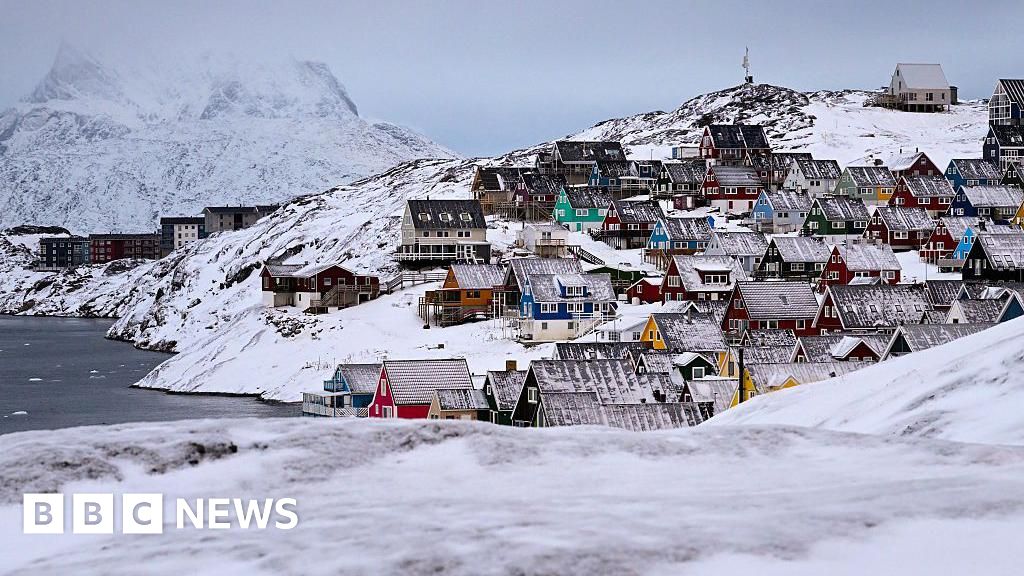
Canada sends top officials to establish Greenland consulate, signaling strong regional ties

The geopolitical landscape of the Arctic is once again at the forefront of international affairs, as nations jockey for strategic dominance amid shifting global priorities. Canada has publicly affirmed its move to demonstrate solidarity with Greenland, amid rumors suggesting the United States may have plans to establish a presence on an Arctic island. This diplomatic stance occurs despite reports indicating that the initiative was in motion prior to former President Donald Trump’s recent suggestion to purchase Greenland—a proposal that stunned global analysts and diplomatic observers. The timing of these developments underscores the multifaceted nature of Arctic geopolitics, where historic territorial claims, resource competition, and environmental concerns intertwine.

Analysts from institutions such as the International Crisis Group and various geopolitical think tanks emphasize that the Arctic has become a strategic arena—not just for resource extraction, but for projecting military power and influence across the northern hemisphere. The United States’ interest in Greenland, long discussed but seldom publicly activated, now appears to be gaining momentum as climate change accelerates ice melt, opening new shipping routes and access to untapped reserves of oil, gas, and minerals. Critics argue that the push for territorial claims in the Arctic echoes Cold War dynamics, with major powers seeking to secure their own interests before others can tighten their grips on the diminishing polar frontier.

Canada’s move to express solidarity with Greenland—a territory long associated with Denmark—comes amid broader concerns of potential encroachments and destabilization. Prime Minister Justin Trudeau has emphasized that this gesture aims to reinforce the importance of multilateral cooperation in the face of emerging threats and unilateral ambitions. Meanwhile, the North Atlantic Treaty Organization (NATO) has remarked that the Arctic’s strategic importance will only grow, urging member states to remain vigilant. For many analysts, including historians specializing in Cold War history, the current maneuvers could very well mark the beginning of a new chapter—a modern-day contest over Arctic dominance that could have sweeping geopolitical impacts.

Yet, the situation remains fluid and unpredictable. Russia continues to assert its own claims under the 2015 Arctic Council agreement, leveraging its military and scientific presence across the region. Meanwhile, China, increasingly vocal about its “near-Arctic” ambitions, is pushing for a role in future resource development and shipping routes. International organizations warn of the risks of escalation, but few agree on a clear path forward. As nations prepare for what many describe as an impending new Cold War in the high latitudes, history warns that these seemingly isolated disputes could spiral into a confrontation with global repercussions.

Ultimately, the decisions taken today in the Arctic are not merely about regional dominance—they reflect a broader contest for global influence in the 21st century. As iconic historian Paul Kennedy and geopolitical analysts observe, the unfolding elements of this silent, frigid struggle may determine the future balance of power. For those who sense the gravity of these shifts, it is clear that the stakes could not be higher—the Arctic, once a remote wilderness, now stands as a gateway to the tumultuous, uncharted corridors of international conflict. The weight of history presses heavily on this icy frontier, which could—in the span of a few decisive years—become the theater of a new, unanticipated global confrontation.
Did Russians really establish a military base in my childhood home?

Rising Tensions in Zaporizhzhia: Satellite Evidence Highlights Strategic Occupation

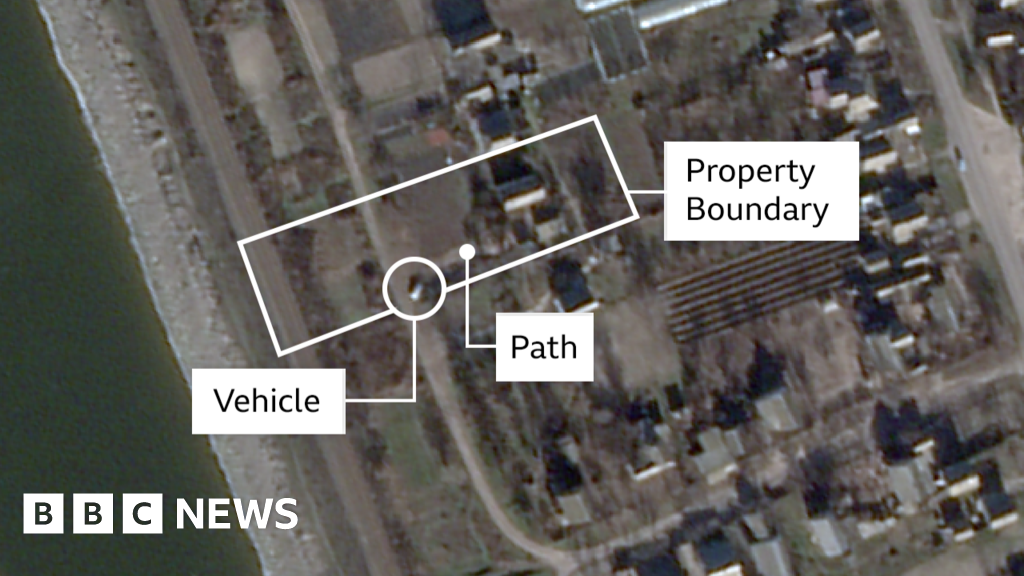
The ongoing conflict in Ukraine has once again moved into a critical phase, with satellite imagery revealing disturbing insights into the evolving Russian military strategy in the southern regions of Ukraine. Verkhnya Krynytsya, a small, sleepy village in Zaporizhzhia, exemplifies how the war’s brutal reality continues to reshape societies and geostrategic landscapes. Once a peaceful community imbued with Ukrainian culture and memories, it now appears to be a pivotal node in Russia’s tactical operations. Satellite images from as recently as 2023 illustrate a well-established, periodically used path leading directly to what was once the residence of a local Ukrainian, highlighting the covert activity purporting to involve both occupation forces and possible new residents—described by analysts as likely Russian military personnel seeking clandestine logistics routes.

Experts and international organizations, such as the United Nations and think tanks specializing in global security, warn that these small-scale tactical movements are symptomatic of a broader shift towards fortified, occupied zones. The imagery, analyzed by BBC Verify, indicates that the path—absent early in the invasion—reappeared six months post-occupation, and became more defined over time. Its reappearance and use by vehicles further confirm ongoing Russian presence and infrastructure development in an area where Ukrainian forces face relentless aerial and ground assaults. Such movements symbolize a strategic deepening of Russia’s hold in Ukraine’s south, which analysts say could have profound geopolitical implications for regional stability and NATO’s security calculus.

The Human Cost and Societal Shift Under Occupation

The human toll in Verkhnya Krynytsya exemplifies the broader suffering inflicted by unyielding conflict. Once a peaceful village with local traditions, it has been rapidly transformed by war. The destruction of the nearby Kakhovka dam in June 2023 caused floods that devastated homes and livelihoods, further displacing residents. According to eyewitness accounts, many locals fled, leaving behind ghostly remnants of their past lives. Those who remained live under constant fear: Ukrainian residents report frequent drone attacks, while Russian occupation has introduced an atmosphere of suspicion and repression. In interviews, residents have expressed fear of speaking openly, knowing retribution from occupation forces can be swift and brutal, exemplified by the torture of local leaders caught resisting. The geopolitical impact is evident—these occupied territories are becoming a buffer zone, transforming populations physically and culturally, and complicating Ukraine’s fight for sovereignty.

Adding to this turmoil, the destruction of the Kakhovka dam has drastically altered the local environment, turning what was once called “the Sea” into a flooded wasteland. This environmental catastrophe underscores how ecological and military crises intertwine, complicating reconstruction efforts and hindering civilian lives. As international aid workers and Ukrainian forces strategize to regain lost ground, the shadow of occupation persists. The symbolism of a small village, now a silent battleground, echoes the broader narrative of Ukraine’s resilience and Russia’s expanding footprint—the true battle for control and influence. Historians warn that such micro-manipulations, if unchecked, could set dangerous precedents, transforming the region’s future.

The Broader Geopolitical Ramifications

Global leaders continue to grapple with the implications of Russia’s ongoing military expansion in Ukraine. The European Union, NATO, and the U.S. government monitor satellite reports with growing concern, recognizing that these strategic shifts may signal a new phase in Russia’s campaign—one designed not just for territorial conquest but for carving out a sustainable occupation zone. Experts caution that the longer these small villages are occupied and militarized, the more entrenched the conflict will become, potentially dragging Europe into an even broader confrontation. And with Ukraine’s military resilience tested repeatedly, the conflict now hinges on how the international community responds to Russia’s tactics of covert occupation, environmental devastation, and societal upheaval.

As the world watches the unfolding story in Verkhnya Krynytsya and other frontline communities, what remains clear is that history continues to be written with every satellite image, every displaced family, and every strategic maneuver. The fate of Ukraine hangs in the balance, with each decision rippling across nations and societies, shaping the future of a continent caught in the crucible of conflict. The question now is whether this fragile line of resistance can hold or if these small villages will become the silent witnesses to a theater of war that will define generations to come.

Social Media Auto Publish Powered By : XYZScripts.com