Matox News

Truth Over Trends, always!

France plans to strengthen its nuclear forces and extend deterrence to tighten security across Europe

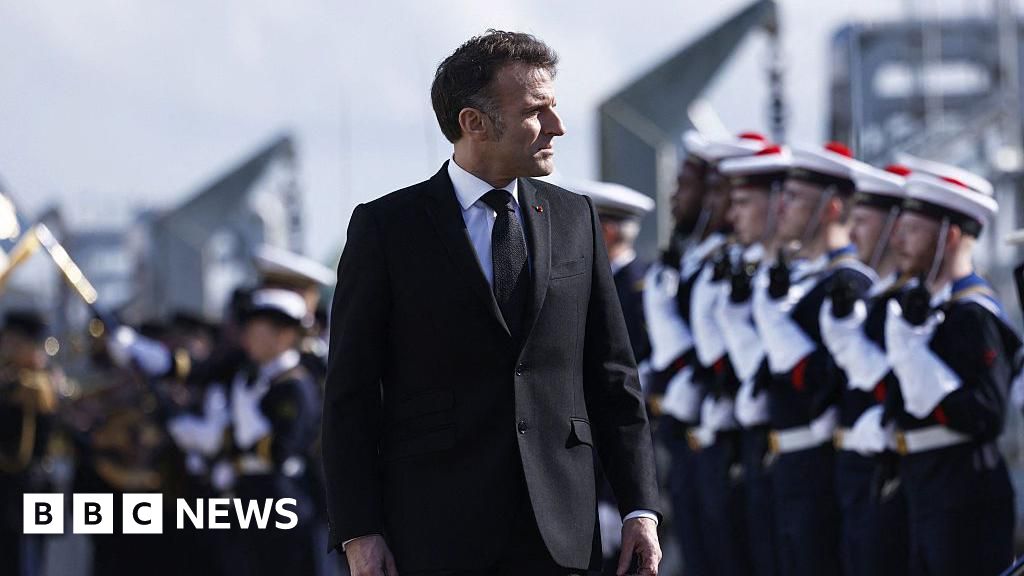
In a move that signals a shift in European and global security dynamics, France‘s President Emmanuel Macron announced that eight countries could soon benefit from Paris’s nuclear protection, a development that has sent ripples across international corridors of power. While the explicit intent is to bolster regional security—and potentially reposition France as a central player in nuclear diplomacy—the decision underscores a complex balancing act: extending protective umbrella without relinquishing sovereignty.

According to Macron, these nations will enjoy nuclear protection, yet all remains under the strict control of Paris. “France will retain sole decision-making power,” Macron asserted in a recent statement. This assurance emphasizes that, even as alliances and security commitments deepen, France seeks to maintain its strategic independence. This approach resonates with traditional Gaullist principles, framing nuclear security as a sovereign prerogative that cannot be shared or delegated. The European security landscape, historically dominated by NATO and the United States, is now witnessing a nuanced reconfiguration, with Paris positioning itself as a pivotal regional power.

International analysts suggest that this move may be aimed at countering the influence of Russia and China in Europe and beyond. By extending nuclear deterrence to select allies, France appears to be creating a layered security posture that could challenge the existing transatlantic dominance. Historian Pierre Lorrain, an expert on French military policy, notes that this move “reasserts France’s unique role as a nuclear power capable of independent influence, signaling a subtle but clear rejection of American hegemony in Europe.” The decision may also foster a sense of sovereignty among these nations, but how this impacts NATO cohesion remains uncertain.

From a geopolitical perspective, the nuclear sharing arrangement reveals broader strategic ambitions. The United States and European Union are closely watching how this development may recalibrate alliances. The shift could inspire other small or medium-sized states to push for independent deterrent options—thus complicating existing security architectures. Conversely, critics warn this could fragment collective defense, weakening established alliances, especially if nations begin to question their reliance on American nuclear umbrella. According to an analysis by the International Crisis Group, sustainable security depends on trust and shared sovereignty, which are challenged by unilateral decisions like Macron’s recent announcement.

As history unfolds, the international community watches with bated breath, aware that such decisions—though carefully couched in sovereignty and security—can have unforeseen consequences. The move by France could either fortify regional security or deepen divisions, depending on how the proposed alliances are maintained and if they evolve into competing power centers. One thing remains certain: the delicate balance of global diplomacy hinges on these choices, and the world’s future may soon be shaped by how these nations and their leaders navigate the treacherous waters of nuclear diplomacy, leaving an indelible mark on the fabric of international security. With history watching silently, the question lingers—who truly controls the ultimate defensive firepower, and at what cost to global stability?
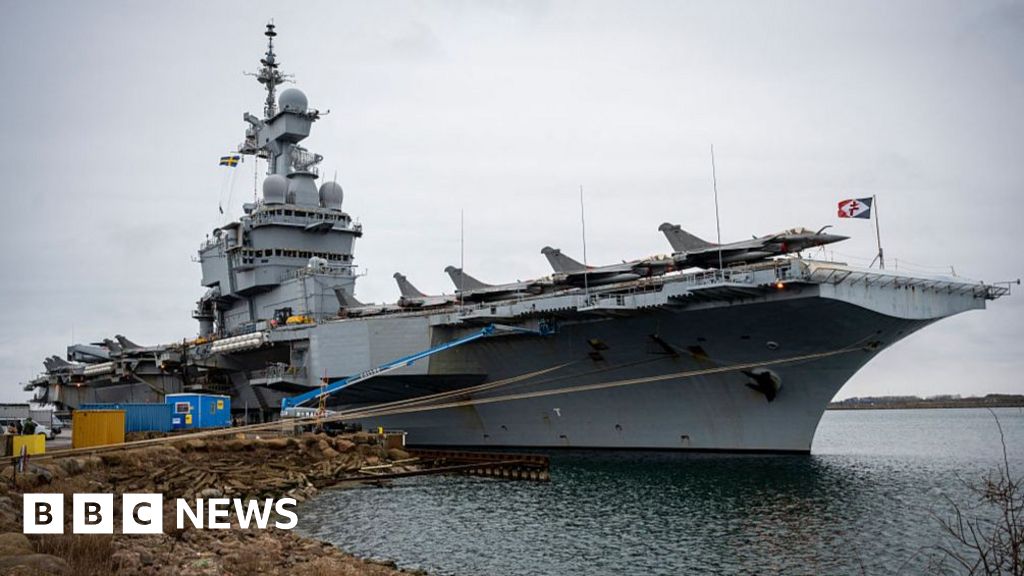
Swedish officials suggest suspected Russian drone targeted French carrier—raises tension in Europe

STOCKHOLM— In a striking display of regional concern, Swedish Prime Minister Ulf Kristersson addressed the nation from the deck of a military carrier, emphasizing the gravity of recent military incidents that have escalated tensions along the Nordic border. In a candid assessment, Kristersson declared the event, which he characterized as serious, to be not entirely unexpected, signaling a brewing storm that threatens to alter the security landscape of Northern Europe.

Kristersson’s remarks highlight a disturbing pattern, as many analysts interpret the incident as part of a broader Russian strategy aimed at projecting power beyond its traditional spheres of influence. “It is very difficult to see as a coincidence,” he remarked, pointing to the persistent tempo of Russian military movements and provocative actions that mirror tactics observed in other regions where Russia has sought to assert dominance. Historically, such behaviors have been a prelude to more aggressive policies, raising alarms both within NATO and among neighboring nations wary of increased Russian assertiveness.

International organizations and security experts have sounded the alarm over these developments. The NATO alliance, already on edge after recent provocations, views these incidents as a potential preamble to further destabilization. According to analysts from the International Crisis Group, “This pattern of behavior signifies a calculated effort by Russia to challenge the existing security order in the region, and while escalations may seem isolated, they are part of a larger strategy of intimidation and influence.” The implications of such actions extend beyond regional borders, threatening the fragile balance of peace and risking a broader confrontation that could ignite across Europe.

Decisions made today echo profoundly on the geopolitical stage. Sweden’s decision to bolster its military readiness signifies a clear shift in policy, aligning with NATO’s efforts to deter Russian expansionism. The analyses of historians like Dr. Eric L. Hanley suggest that these moments could serve as either a reaffirmation of Western resilience or, conversely, a catalyst for renewed conflict if diplomatic channels fail to contain the crisis. Meanwhile, international institutions such as the United Nations have expressed concern but lack the decisive authority to curb such aggressive maneuvers without a unified response from the West.

As the world watches, the unfolding series of provocations and countermeasures signals a pivotal chapter—one that could determine the stability of Europe for generations. The weight of history presses heavily on today’s leaders, whose choices will shape a continent teetering on the edge of a potential new Cold War. The tense silence before the next move is deafening, and the eyes of history remain fixed on the unfolding narrative, where every decision could either forge a new era of peace or plunge the region into chaos, echoing the tumult of the 20th century’s darkest hours.

Europe urged to brace for 3°C rise: Challenges ahead but still within reach

Europe Confronts the Harsh Realities of Climate Change: A Wake-up Call for Global Leaders

Amidst mounting evidence and urgent warnings from climate scientists, Europe is witnessing an unsettling acceleration of extreme weather events that threaten its societal fabric and economic stability. Maarten van Aalst, a leading member of the European Scientific Advisory Board on Climate Change (ESABCC), has declared that safeguarding the continent from the devastating impacts of rising global temperatures is a task that, remarkably, “is not rocket science.” His comments underscore a stark truth: the methods required are straightforward and within reach but demand political will and coordinated action. The recent reports from the ESABCC highlight an alarming trajectory—by 2100, temperatures in Europe could soar by 2.8-3.3°C, surpassing the commitments made during the 2015 Paris Agreement, which aimed to limit warming to well below 2°C. Current efforts, they observe, are largely insufficient, characterized by incremental measures that arrive too late to confront the scale of the crisis. This glaring discrepancy between intent and action signals a profound risk to the societal stability of Europe and, by extension, the global order.

The recent history of weather extremes in Europe exemplifies nature’s wrath and the fragility of human resilience. Catastrophic floods in Germany’s Ahr valley in 2021, which killed 134 people, and the deadly storms in Spain’s Valencia region in 2024, claiming 229 lives, serve as stark warnings. Studies attribute half to two-thirds of these fatalities to heat-induced conditions intensified by fossil fuel pollution. Fires that ravaged more land than ever recorded also punctuate this tragic trend. Governments across the continent are under increasing pressure to draw up comprehensive climate adaptation plans, yet many remain unprepared for the severity of the threats. Portugal, for example, recently faced an unprecedented storm series resulting in over €775 million (£675m) in damages and at least 16 fatalities, emphasizing the immediate need for nations to upgrade infrastructure and early-warning systems. The European Union, facing its own political and economic challenges, is urged by analysts and international organizations not to dilute its green commitments in the guise of economic revival, but to prioritize resilience against climatic upheavals.

Expert voices, including historians and climate analysts, emphasize a sobering reality: the window for effective intervention narrows rapidly. Van Aalst notes that twenty years ago, extreme weather primarily threatened poorer nations, but today, Europe itself has become vulnerable, especially to anomalies it has not previously encountered. The ESABCC recommends mandatory climate risk assessments and the integration of resilience strategies into all policy sectors—yet, the critical question remains: how much are nations willing to invest in protecting their societies from impending catastrophe? Beyond just responding to crises, the focus must shift toward prevention and adaptation. The latest IPCC report underscores a disturbing trend—reaching the limits of adaptation if decisive action isn’t taken soon. As the world teeters on the brink of irreversible change, the global community faces a stark choice: act comprehensively or watch as history’s most ambitious climate accord continues to falter. The stakes could not be higher.

In this unfolding chapter of human history, Europe serves as both a warning and a mandate for action. The confluence of rising seas, lethal heatwaves, and relentless wildfires paints a grim picture—a future where modern civilization’s resilience is tested like never before. The decisions made in the coming years will resonate through generations, shaping the legacy of a society caught between its technological achievements and its environmental responsibilities. As climate history continues to be written, the world waits in tense anticipation—will humanity rise to meet this defining challenge or succumb to the chaos of neglect? The answer remains shrouded in the ever-warming shadows of the future, a narrative still unwritten, yet deeply felt: the weight of history is shifting, and the clock is ticking.

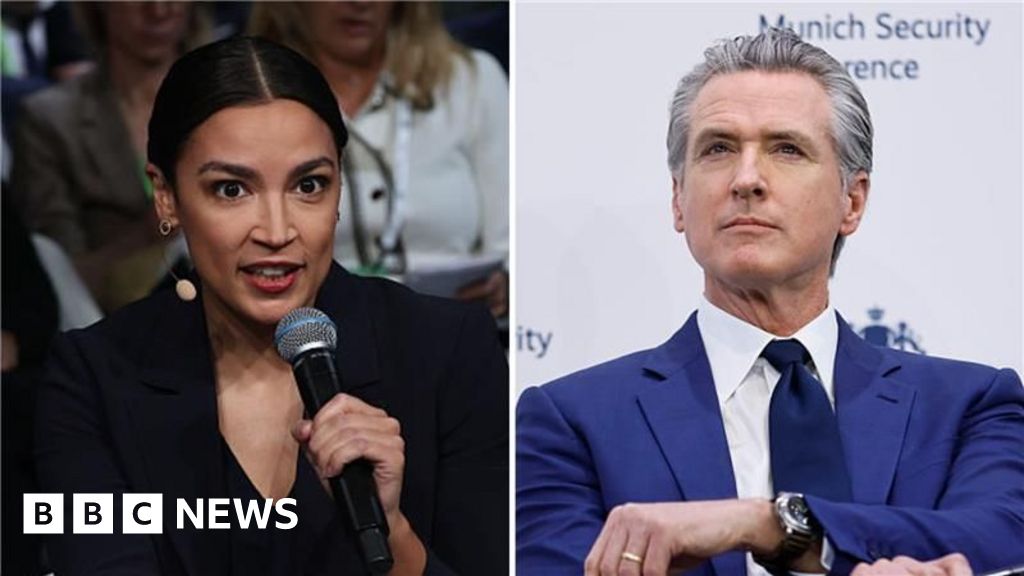
Democrats reassure Europe: America’s still got your back post-Trump

In 2024, the international community observed a seismic shift as the United States elected Donald Trump once again to the White House, signaling a definitive turn away from traditional diplomatic norms and towards an “America First” approach. This policy stance, characterized by a focus on national sovereignty, economic protectionism, and a skeptical view of multilateral institutions, has reverberated across the global stage. As historians analyze previous eras, many recognize that Trump’s leadership style, marked by confrontational rhetoric and unilateral actions, distinguished a period of heightened geopolitical volatility. Notably, the resurgence of Trump’s influence underscores how a nation’s internal political shifts can reshape entire alliances, trade dynamics, and global security frameworks.

This renewed American assertiveness has catalyzed a series of international reactions, most notably within institutions and alliances once committed to multilateralism. Global analysts warn of the potential unraveling of established treaties and partnerships, including NATO—whose cohesion is now under strains amid contrasting visions on defense and security. The speech delivered by Vance at the Munich Security Conference epitomized this new climate; his confrontational tone aimed to rally Western allies against perceived threats from both Russia and China, while signaling that confrontation, rather than cooperation, might define the West’s strategic posture in the coming years.

  • The shift in U.S. foreign policy under Trump has brought about a reevaluation of international commitments, with some nations increasingly questioning the efficacy and longevity of existing alliances.
  • European nations, especially in Eastern Europe, see renewed urgency to bolster their defenses as U.S. commitments appear more transactional than ever, hinting at a divergence from previous bipartisan consensus.
  • Global institutions, such as the United Nations and World Trade Organization, face mounting skepticism as the U.S. pushes for policies prioritizing sovereignty over multilateral cooperation, igniting fears of a new bipolar world order.

According to analysts like Dr. Emily Carter, a senior geopolitical strategist, the danger resides in how decisions made today could fracture the existing international order. As nations brace for what many perceive as a turbulent chapter, international organizations warn of the risks associated with increased nationalism and the erosion of diplomatic norms—factors that could lead to enduring instability. The policies of the new American leadership are likely to influence regional conflicts, trade negotiations, and global peace initiatives for decades to come. Meanwhile, critics caution that U.S. retrenchment might embolden authoritarian regimes, risking a realignment of global power that could destabilize the delicate balance maintained since the Cold War.

As history continues to unfurl, the question remains whether this era of heightened confrontation and nationalism will forge a new global order or unravel the fragile peace built over generations. The weight of this moment bears heavily on future generations—their societies, their sovereignties, and their very understanding of international cooperation—awaiting the reckoning that only time can reveal. The shadows of history stretch long as the world stands at a crossroads, with the past whispering warnings and the future yet unwritten.

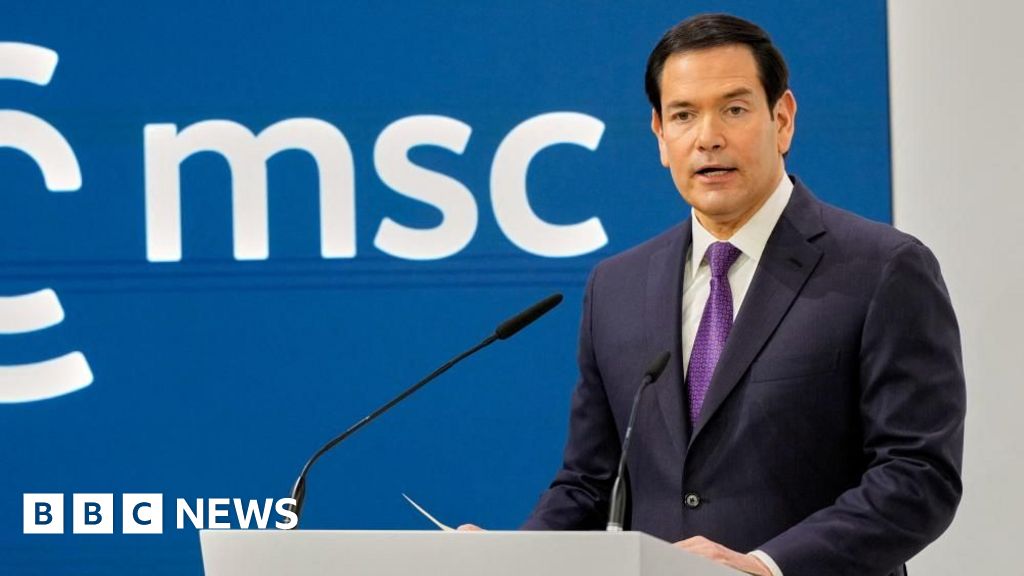
Rubio: U.S. and Europe Still Strong Partners Amid Tensions

In a significant diplomatic move, U.S. Secretary of State Anthony Blinken recently delivered assurances to European leaders, affirming that the Trump administration’s policies do not signal a departure from the longstanding transatlantic alliance. This reassurance comes amid widespread global speculation about shifts under the recent U.S. presidential administration, prompting both alarm and cautious optimism among international analysts. As Europe grapples with an increasingly complex geopolitical landscape, the reaffirmation from Washington aims to solidify mutual commitments in an era marked by rising nationalism and fluctuating alliances.

Experts and historians have long emphasized the importance of the transatlantic alliance as a cornerstone of international stability, particularly through NATO’s enduring presence since its founding in 1949. Analysts such as Dr. Maria Sanchez, a prominent geopolitical scholar, highlight how U.S. policymakers often oscillate between engagement and retrenchment but ultimately recognize the alliance’s critical role in countering Russia’s geopolitical ambitions and maintaining leverage in global security matters. Nevertheless, recent statements from U.S. officials suggest an awareness that the post-Trump political landscape could still influence American foreign policy, which underscores the importance of diplomatic clarity to reassure allies on both sides of the Atlantic.

Furthermore, the European Union and NATO members remain deeply concerned about the potential for geopolitical disruptions stemming from internal American politics. Such fears were temporarily amplified by the tumultuous U.S. elections and policy shifts, prompting European leaders to question the durability of long-standing commitments. The U.S. Secretary of State’s recent comments serve as a strategic gesture to quell uncertainties, especially ahead of crucial NATO summits and European elections. The move also underscores the growing importance of the United States reaffirming its role as a reliable partner—a role that many analysts warn is indispensable in today’s unpredictable international order.

From a broader perspective, international organizations like NATO and the European Union are observing this diplomatic reassurance as a sign that Washington remains committed to a rules-based order and international stability. Yet, many experts warn that genuine trust will only be restored through consistent action and tangible policies, not just words. As some historians argue, the future of the transatlantic relationship hinges on a global environment increasingly defined by competitive powers such as China and Russia. The decisions made in Washington and Brussels today, therefore, carry the weight of history, potentially shaping the trajectory of global alliances for decades to come.

In an era where geopolitical tensions can escalate rapidly, the reaffirmation of alliance commitments remains a pivotal hinge in the balance of power. The world watches as leaders navigate the delicate dance of diplomacy, fully aware that today’s assurances could be tomorrow’s fragile diplomatic fabric. The ongoing unfolding of this story signals that, amid shifting allegiances and rising global threats, the question remains: How resilient are the pillars of the international order, and what price will societies pay when these pillars crack or falter? As history continues to write itself, the fate of the transatlantic alliance—an enduring symbol of Western strength and cooperation—stands at a crossroads, with its future writerly in the hands of those who hold the pen.

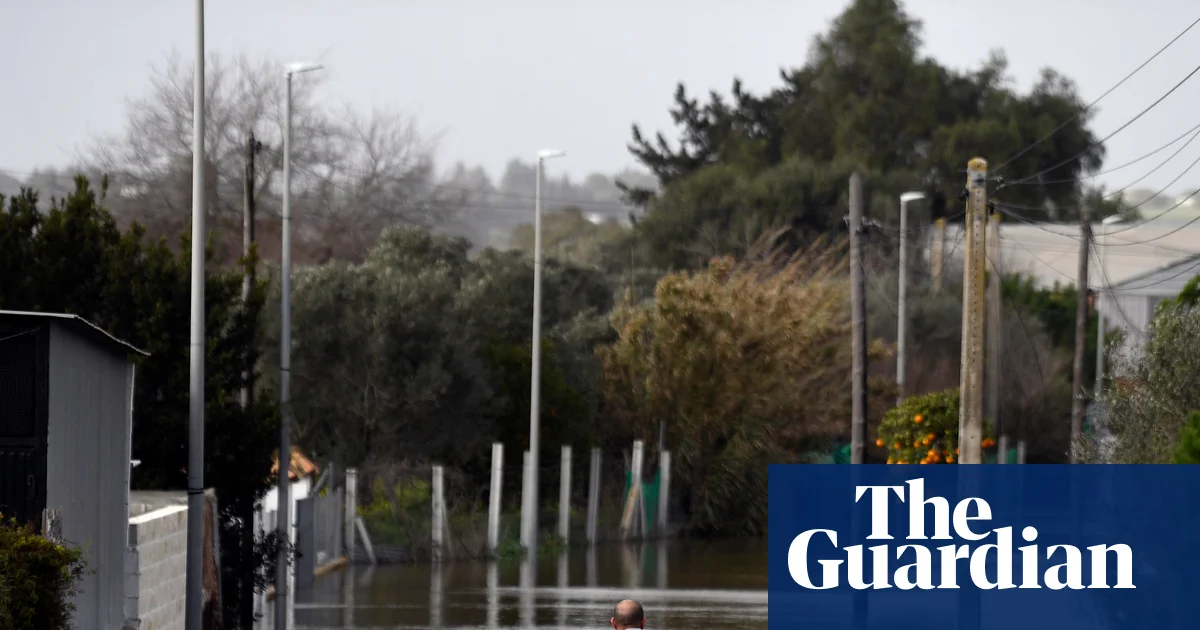
Storm Leonardo pummels Europe and North Africa—stay alert!

Storms Clash with Global Geopolitics: A Winds of Change

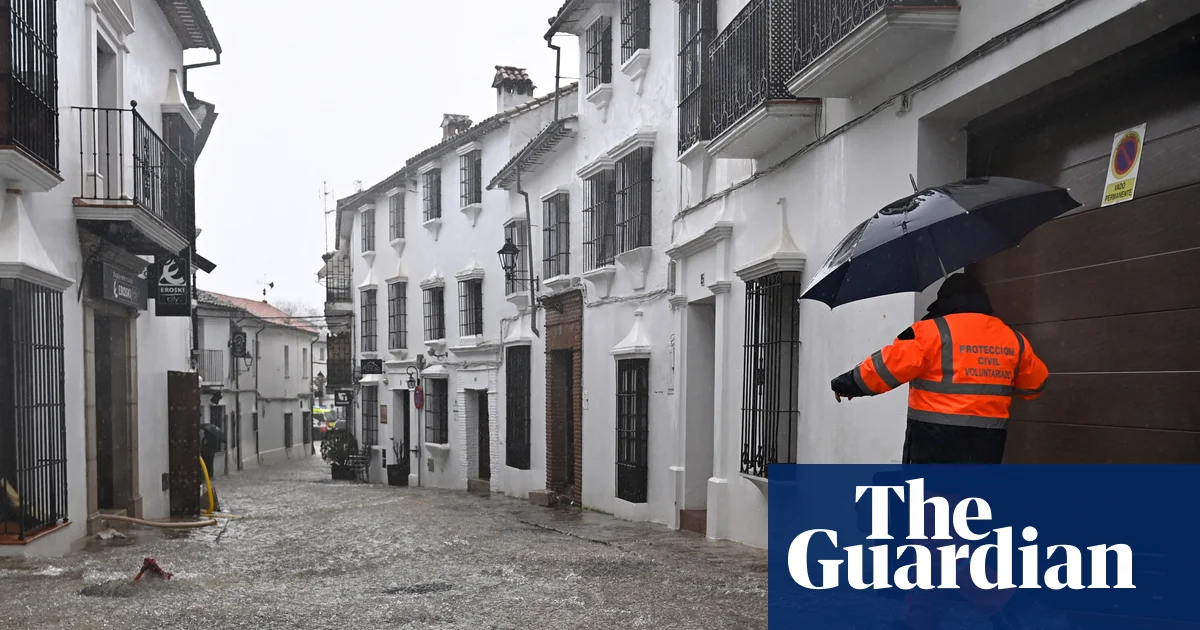
As Storm Leonardo unleashes its fury over the Iberian Peninsula, the broader geopolitical landscape faces a different kind of tempest—one fueled by climate change, regional instability, and shifting alliances. Torrential rains and destructive winds have wrought havoc across parts of Spain and Portugal, with weather agencies issuing their highest red alerts for acute flooding. Yet, beyond the immediate humanitarian toll, this natural disaster underscores a vital issue: how environmental crises are becoming intertwined with global power dynamics and intra-national stability.

Leonardo’s relentless strikes are rooted in complex climatic patterns, notably an unnaturally southward-shifted jet stream, which has stalled the storm over the region and coupled with an “atmospheric river” channeling tropical moisture from the Caribbean. According to climate analysts, these phenomena are not anomalies but part of a disturbing trend—where extreme weather events are intensifying and becoming more unpredictable. This scenario leaves nations like Spain and Portugal vulnerable, impacting their internal security, economy, and political stability. As the floodwaters rise and infrastructure crumbles, political leaders are under mounting pressure to implement more resilient policies, often revealing existing rifts and fundamental governance challenges.

Meanwhile, the crisis extends beyond Europe’s Atlantic coast, spiraling into the broader North African region. In northern Morocco, over 100,000 people have been evacuated from flooded cities such as Ksar El-Kebir after overflowing rivers caused widespread destruction. This humanitarian crisis, compounded by recent heavy rains, exposes the fragile state of governance in parts of Africa and highlights the ever-present risk of regional instability—especially as environmental stress fuels social unrest. International organizations warn that such natural disasters could serve as catalysts for geopolitical shifts, with rising migration pressures and economic strain destabilizing already vulnerable nations.

Adding to this volatile mix, the Philippine Sea saw the formation of Tropical Storm Penha, which brought destructive winds, storm surges, and heavy rainfall across northern Mindanao. With forecasts predicting further inland rainfall and wind damage, the storm exemplifies how climate events are becoming complex, interconnected crises that influence multiple regions simultaneously. The international community faces a stark reality: climate change escalates the frequency and intensity of natural catastrophes, creating a ripple effect of geopolitical consequences. The consensus among international analysts, from climate scientists to geopolitical strategists, emphasizes that these environmental upheavals will continue to be a key factor in regional power balances and global security.

As history continues to unfold in unpredictable storms and floods, the question remains—how will nations adapt to this new era of environmental upheaval? The unfolding chaos tests the resilience and sovereignty of states and threatens to redraw the map of influence. In the coming days, as Spain and Portugal grapple with the aftermath, and as North Africa and Southeast Asia brace for their own storms, one thing is clear: these environmental challenges are no longer isolated incidents—they are the harbingers of a new geopolitical epoch, with the storms of today shaping the borders and alliances of tomorrow. The winds of change are rising, and the weight of history remains, unwavering, as the world’s future hangs by a fragile thread.

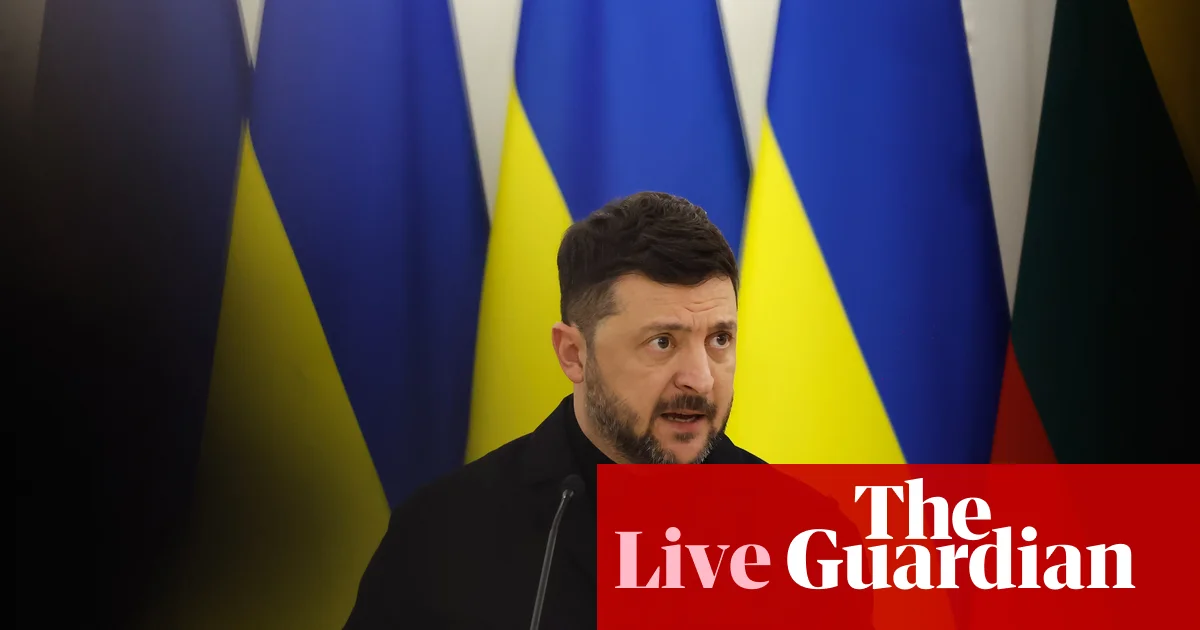
Ukraine Expected to Be EU Ready by 2027, Zelenskyy Declares — Europe Live

Russia, Ukraine, and the EU: A Geopolitical Chessboard at a Crossroads

In an era marked by stark geopolitical upheaval, the escalating tensions between Russia and Ukraine have taken center stage on the world’s diplomatic stage. President Volodymyr Zelenskyy of Ukraine recently reaffirmed his country’s commitment to join the European Union by 2027, despite significant objections from key EU member states such as Hungary. Zelenskyy’s firm stance underscores a broader strategic shift aimed at securing not only economic integration but also safety guarantees amidst ongoing war and instability in the region. However, this push for rapid accession critically tests the unity and rule-based decision-making of the EU, exposing fault lines that could reshape alliances and influence global power dynamics.

The EU Enlargement: A Delicate Balance of Rules and Geopolitical Stakes

The EU’s accession process is inherently complex, requiring unanimity among its 27 member states—a process that is proving contentious. Despite recent reassurances from European officials, notably Luxembourg’s Xavier Bettel and EU enlargement commissioner Marta Kos, that Ukraine could meet the technical requirements by 2027, key nations like Hungary are resistant. Prime Minister Viktor Orbán, whose government leans towards pro-Russian sympathies, has explicitly rejected Zelenskyy’s accelerated timeline, citing concerns over protecting national interests like agriculture and regional stability. This discord highlights how internal European politics and divergent national priorities can act as bottlenecks to further integration, thereby influencing geopolitical alignments and possibly emboldening Russia’s strategic objectives.

Russia’s Military Strategy and Shifting Focus

Meanwhile, Russia’s military posture remains aggressive, with reports indicating a surge in aerial drone attacks—over 100 launched recently—along with minimal missile strikes. The recent statements from President Zelenskyy reveal a shift; Russia appears to be transitioning its focus from energy infrastructure to logistical hubs, a move that signals a new phase in the conflict designed to destabilize Ukrainian fields and supply lines. Notably, Trump’s recent public claim that Putin has agreed to a ceasefire on energy infrastructure—at least temporarily—adds an unpredictable element to the evolving battlefield and diplomatic calculus. Such actions, whether confirmed or not, threaten to escalate tensions further and complicate the broader security landscape, especially as Ukrainian forces endure severe winter hardships with temperatures plunging to as low as minus 30°C.

International Escalations and Ongoing Diplomacy

The situation is further compounded by highlighted diplomatic efforts. Zelenskyy’s conversations with German Chancellor Friedrich Merz and private talks with officials from the US and Russia reveal a landscape fraught with uncertainty. Reports indicate that Trump’s alleged request for Putin to suspend strikes in Ukraine to facilitate negotiations overnight marked an unexpected diplomatic move, surprising both Kyiv and Moscow, with Kremlin officials declining to comment further. As analysts warn, such statements and the ongoing military build-up threaten to push the region toward a broader confrontation, with external powers like the US and China observing intently as Ukraine’s strategic position becomes increasingly tenuous.

Conclusion: The Unfolding Tapestry of Power

In the grand chess game of international geopolitics, Ukraine’s push for EU integration, Russia’s military maneuvers, and Europe’s divided loyalties paint a visceral picture of a fragile order on the verge of transformation. The decisions made in these critical months could forge new alliances or shatter existing ones, shaping the security architecture of Europe and beyond for years to come. As Zelenskyy boldly aims for 2027, global powers watch with bated breath—knowing well that in this shifting landscape, today’s negotiations could become tomorrow’s history. The clock is ticking, and the world stands at the cusp of a new chapter that could redefine the balance of power for generations.

Denmark Optimistic on US-Greenland Deal After New Talks – Europe Update

As 2026 unfolds, the geopolitical landscape is rapidly transforming, driven by strategic interests that threaten to reshape the international order. Recent developments highlight a distinct shift in power dynamics, with the United States aggressively asserting its influence over Greenland, while Europe grapples with domestic and international challenges. Danish Foreign Minister Lars Løkke Rasmussen has openly expressed cautious optimism after renewed, constructive talks with Washington regarding Greenland, a strategic enclave whose control has long tantalized global powers. This diplomatic dance has come nearly a week after Donald Trump delivered a rambling speech at Davos, repeatedly emphasizing his desire to take control of Greenland—a move seen as part of the broader American push to secure Arctic dominance amidst melting ice and rising interests.

The renewed optimism in Danish-U.S. talks signals a significant shift from the escalation of tensions earlier this month. Marco Rubio, the U.S. State Secretary, confirmed that high-level discussions focused on safeguarding U.S. security interests without infringing on Denmark’s sovereignty. This behind-the-scenes negotiation underscores the geopolitical impact of Arctic control; nations are recognizing that the melting ice opens new corridors for resource extraction and military positioning. Many analysts, including geopolitical experts at the International Institute for Strategic Studies, warn that the Arctic is swiftly becoming the new battleground, compelling nations to navigate a careful balance of power that could spark conflicts or forge alliances depending on the outcome of current negotiations.

Meanwhile, in Brussels, the EU foreign ministers convened with a “very packed agenda” centered on Ukraine, the Middle East, and the evolving EU-US relationship. Kaja Kallas, the bloc’s foreign policy chief, voiced concern over Russia’s ongoing war in Ukraine and the escalating humanitarian crisis. She described Russia’s actions as attempts to “bomb and freeze” Ukrainians, emphasizing the dire winter suffering and the impending threat of a humanitarian catastrophe. The discussion on Ukraine reveals the EU’s increasing frustration with Russia’s refusal to negotiate in good faith, and a call for intensified pressure on the Kremlin to force concessions. European leaders are at a critical crossroads—balancing diplomatic efforts against a clear recognition that Moscow’s military strategy remains uncompromising, with some experts warning that the window for a peaceful resolution is rapidly closing. According to analysts at Harvard’s Belfer Center, the risk of an extended conflict spilling over into NATO territories could escalate into a broader confrontation, pressuring the international community to reconsider its strategies.

Within the Middle East, the focus shifted to Iran, with discussions about designating the Iran Revolutionary Guard on the EU’s terrorist list, aligning them with groups like Al Qaeda and Daesh. Shedding light on the EU’s toughening stance, Kallas emphasized that acts of terrorism warrant designations akin to those used against recognized terrorist organizations, signaling a stepping-up of sanctions and diplomatic pressure. This move comes as Iran’s regional influence continues to grow, complicating the geopolitical landscape and posing a threat to stability from the Persian Gulf to Syria. The Biden administration’s efforts to de-escalate have been undercut by Iran’s persistent refusal to rein in its proxies, prompting international concerns about the risk of a wider regional conflict. Navigating this complex terrain, many analysts see Europe’s hardening stance as a reflection of the broader shifting alliances and the resurgence of great-power rivalries, reminiscent of Cold War tensions but with new, unpredictable stakes.

As history continues to unfold in 2026, the decisive moves of nations in the Arctic, Ukraine, and the Middle East foreshadow a future where the borders of influence are redrawn with every diplomatic meeting, military build-up, and policy shift. The decisions made today—about Greenland, Ukraine, Iran, and the broader global order—will echo through the corridors of history, shaping societies and societies’ security for decades to come. The world stands on a knife edge, watching as the players of this new geopolitical chess match maneuver beneath the weight of a rapidly evolving, unpredictable landscape, leaving us all to wonder—what will be the new borders of power in this restless age?

Europe & US watch Russia’s reply to Ukraine peace plan—hope and tension grow

In a striking move that underscores the shifting tides of international power, top European officials convened this Tuesday in The Hague to establish an unprecedented international reparations body aimed at compensating Ukraine over Russia’s ongoing invasion. This initiative, authorized at a high-level summit, marks a significant escalation in Western strategy by formalizing how reparations claims will be assessed and potentially paid out. The International Claims Commission for Ukraine will serve as the tribunal to evaluate tens of thousands of claims from individuals and organizations, with a goal of quantifying the economic and social damage inflicted by Moscow’s military aggression. Its inception is being coordinated through the Council of Europe, reflecting an intent to mobilize European institutions to enforce accountability on an unprecedented scale.

This development arrives amidst a series of high-stakes diplomatic maneuvers, with Ukrainian President Volodymyr Zelensky actively touring Europe to rally support for the utilization of frozen Russian assets—an effort that has garnered widespread support among European nations. As Zelensky addresses parliaments and meets with government leaders, the European political landscape is shifting toward a stance of collective accountability, signaling a decisive move away from previous cautious diplomacy. These efforts are compounded by summits such as the Eastern Flank Summit in Helsinki, bringing together Nordics, Baltics, Balkan, and Eastern European leaders to strategize a united front. International analysts suggest that this coordinated approach could redefine the geopolitical impact of Europe’s response, further entrenching divisions and alliances that will shape the continent’s future stability.

Meanwhile, Moscow’s reaction remains coldly dismissive. Deputy foreign minister Sergei Ryabkov stated that Russia has yet to comprehend the details of these Western initiatives, emphasizing Moscow’s firm stance against any territorial concessions. His comments reflect an entrenched position that rejects compliance with Western demands; rather, Russia appears poised to hold its line, banking on the possibility of diplomatic stalemate and Western fatigue. The notably positive tone among US and European officials—highlighted by comments about “tremendous support”—places additional pressure on Moscow, which faces the dilemma of either engaging with these demands or risking further diplomatic alienation. The delicate dance of diplomacy now hinges on Moscow’s first official response, which many international observers believe could either soften or harden the ongoing conflict, with the potential to send shockwaves through global geopolitics.

The classic narrative of a conflict in flux reaches a tense crescendo as history continues to be written. How Russia responds to these Western moves will determine whether this ongoing crisis spirals further into a broader confrontation or begins to find an elusive path towards peace—yet, the very fabric of international diplomacy feels strained beneath the heavy weight of unresolved tensions. As the echoes of diplomatic dialogue reverberate across Europe, one thing remains clear: the decisions made in the coming days will carve the future of an entire continent, and perhaps, the course of global history itself, for generations to come.

Monaco Yacht Show Doubles Down: Global Turmoil Can’t Sink the Luxury Wave

Living Large in Monaco: The Resilient Allure of Superyachts

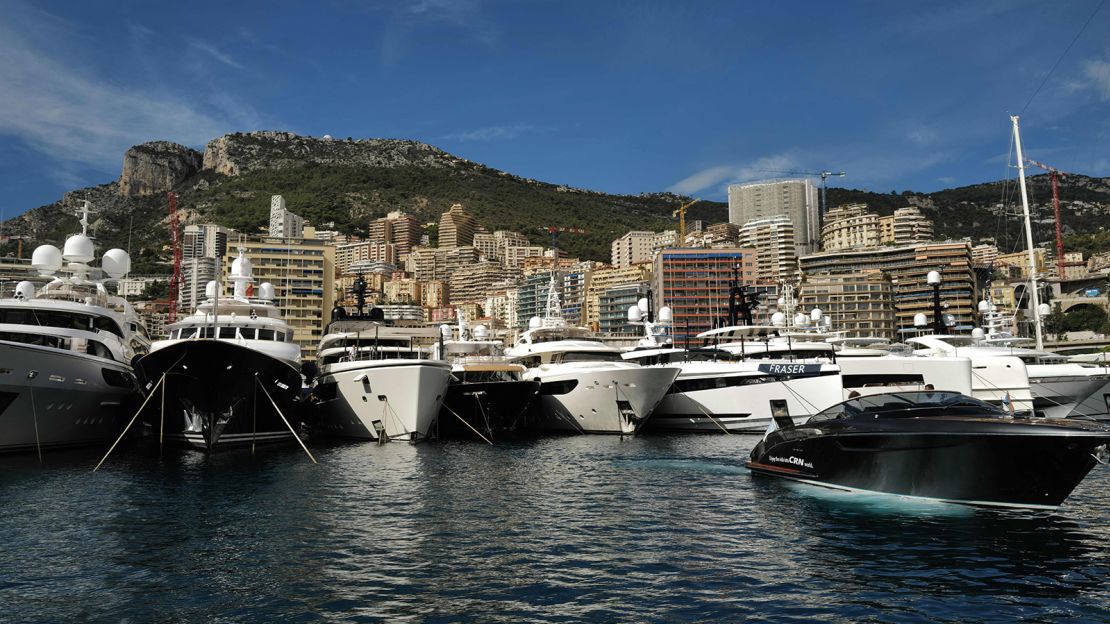
In a world beset by international conflict, rising energy prices, and lingering pandemic uncertainties, one of the most captivating spectacles continues to defy global turmoil: the Monaco Yacht Show. This annual event, held in the glamorous Mediterranean enclave, showcases some of the world’s most extravagant and technologically advanced superyachts ranging up to over 100 meters in length. Despite a backdrop of geopolitical anxiety, the event attracted a record-breaking assembly of luxury vessels, a testament to the resilience and enduring allure of luxury lifestyle.

The Monaco Yacht Show exemplifies how wellness and leisure pursuits remain pillars of personal well-being for the wealthy and aspirational alike. As Johan Pizzardini, the show’s communications head, notes, all of the world’s leading superyacht brands and the latest models were present, including 118 magnificent vessels with a combined value near $3.8 billion. Even amidst economic uncertainty, luxury yacht ordering remains robust, with new entries like the record-breaking AHPO, a 115.1-meter giant from German builder Lürssen, making waves in the industry. The message is clear: for the elite, investment in personal escape—whether by land or sea—continues to be a priority, fostering a culture centered around self-optimization and life’s pleasures.

Emergence of New Buyers and Design Innovations

This year’s event showcased a shift in buyer demographics. Not only seasoned yacht owners but also first-time luxury yacht buyers are making splashes with their debut vessels. New models like the 60-meter Lusine from Dutch shipyard Heesen, which boasts exquisite interiors by Sinot Yacht Architecture, exemplify this trend. Interior design experts such as Ron Holland and Francesco Paszkowski continue to elevate yacht aesthetics, blending functional luxury with cutting-edge sustainability. For many, this pursuit is more than ostentation: it’s about creating personal sanctuaries that promote mental/physical health and inspire.

Innovations like hybrids and eco-conscious propulsion systems reflect a _growing emphasis on environmental responsibility_. Tankoa’s Kinda, with its hybrid engine modes, encapsulates this commitment—combining power, efficiency, and a respect for nature. Such focus aligns with wellness experts advocating for a sustainable lifestyle that harmonizes indulgence with planetary stewardship, showing how luxury can coexist with _\u201cmindful living\u201d_ principles.

Industry Confidence and Investment in Dreamscapes

Despite recent sanctions impacting the Russian superyacht industry, the global order book remains strong. CEOs like Arthur Brouwer of Heesen report record orders, with over 1,000 superyachts under construction worldwide—a 24% increase from the previous year. This surge illustrates a confident market driven by a pandemic-inspired mindset: a desire to seize the moment and embrace personal freedom through luxurious escapism. For many, these vessels are more than assets—they are floating retreats that foster community, rejuvenation, and escape into wellness.

Moreover, the event revealed an ever-expanding array of custom features—from vibrant murals and opulent materials like mother-of-pearl and rare woods, to innovative amenities such as onboard gyms, massage salons, and helipads. These details exemplify how personalized experiences and lifestyle upgrades are shaping a new era of private luxury. Industry leaders emphasize that even in uncertain times, the quest for personal excellence remains a steadfast pursuit, fueling continued shipbuilding and innovation.

This glamorous gathering in Monaco reminds us that lifestyle is an ongoing voyage—a pursuit of balance, beauty, and strength amid the chaos. Like the majestic vessels that glide through azure waters, our own journeys are marked by resilience, innovation, and a relentless pursuit of betterment. In embracing these ideals, we discover that luxury isn’t just about material wealth—it’s about cultivating inner peace and creating spaces where one can truly thrive. As the world sways with uncertainty, the message is clear: through vision, craftsmanship, and a bold yearning for living fully, the journey to personal fulfillment continues unabated.

Social Media Auto Publish Powered By : XYZScripts.com