Matox News

Truth Over Trends, always!

Ukraine Expected to Be EU Ready by 2027, Zelenskyy Declares — Europe Live

Russia, Ukraine, and the EU: A Geopolitical Chessboard at a Crossroads

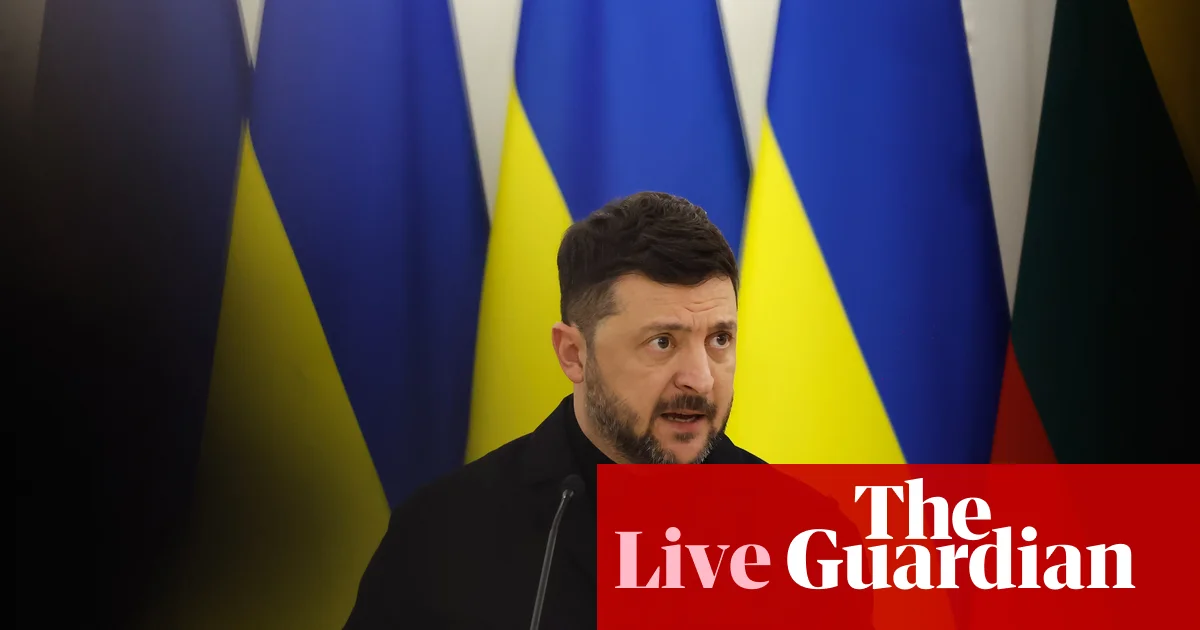
In an era marked by stark geopolitical upheaval, the escalating tensions between Russia and Ukraine have taken center stage on the world’s diplomatic stage. President Volodymyr Zelenskyy of Ukraine recently reaffirmed his country’s commitment to join the European Union by 2027, despite significant objections from key EU member states such as Hungary. Zelenskyy’s firm stance underscores a broader strategic shift aimed at securing not only economic integration but also safety guarantees amidst ongoing war and instability in the region. However, this push for rapid accession critically tests the unity and rule-based decision-making of the EU, exposing fault lines that could reshape alliances and influence global power dynamics.

The EU Enlargement: A Delicate Balance of Rules and Geopolitical Stakes

The EU’s accession process is inherently complex, requiring unanimity among its 27 member states—a process that is proving contentious. Despite recent reassurances from European officials, notably Luxembourg’s Xavier Bettel and EU enlargement commissioner Marta Kos, that Ukraine could meet the technical requirements by 2027, key nations like Hungary are resistant. Prime Minister Viktor Orbán, whose government leans towards pro-Russian sympathies, has explicitly rejected Zelenskyy’s accelerated timeline, citing concerns over protecting national interests like agriculture and regional stability. This discord highlights how internal European politics and divergent national priorities can act as bottlenecks to further integration, thereby influencing geopolitical alignments and possibly emboldening Russia’s strategic objectives.

Russia’s Military Strategy and Shifting Focus

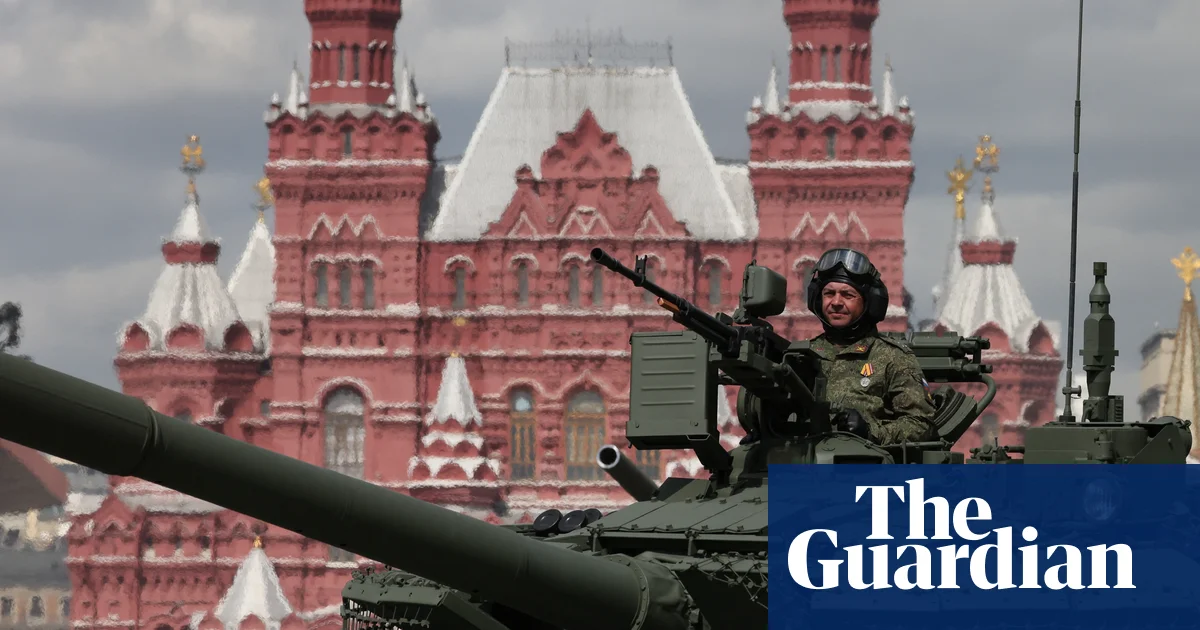
Meanwhile, Russia’s military posture remains aggressive, with reports indicating a surge in aerial drone attacks—over 100 launched recently—along with minimal missile strikes. The recent statements from President Zelenskyy reveal a shift; Russia appears to be transitioning its focus from energy infrastructure to logistical hubs, a move that signals a new phase in the conflict designed to destabilize Ukrainian fields and supply lines. Notably, Trump’s recent public claim that Putin has agreed to a ceasefire on energy infrastructure—at least temporarily—adds an unpredictable element to the evolving battlefield and diplomatic calculus. Such actions, whether confirmed or not, threaten to escalate tensions further and complicate the broader security landscape, especially as Ukrainian forces endure severe winter hardships with temperatures plunging to as low as minus 30°C.

International Escalations and Ongoing Diplomacy

The situation is further compounded by highlighted diplomatic efforts. Zelenskyy’s conversations with German Chancellor Friedrich Merz and private talks with officials from the US and Russia reveal a landscape fraught with uncertainty. Reports indicate that Trump’s alleged request for Putin to suspend strikes in Ukraine to facilitate negotiations overnight marked an unexpected diplomatic move, surprising both Kyiv and Moscow, with Kremlin officials declining to comment further. As analysts warn, such statements and the ongoing military build-up threaten to push the region toward a broader confrontation, with external powers like the US and China observing intently as Ukraine’s strategic position becomes increasingly tenuous.

Conclusion: The Unfolding Tapestry of Power

In the grand chess game of international geopolitics, Ukraine’s push for EU integration, Russia’s military maneuvers, and Europe’s divided loyalties paint a visceral picture of a fragile order on the verge of transformation. The decisions made in these critical months could forge new alliances or shatter existing ones, shaping the security architecture of Europe and beyond for years to come. As Zelenskyy boldly aims for 2027, global powers watch with bated breath—knowing well that in this shifting landscape, today’s negotiations could become tomorrow’s history. The clock is ticking, and the world stands at the cusp of a new chapter that could redefine the balance of power for generations.
Denmark Optimistic on US-Greenland Deal After New Talks – Europe Update

As 2026 unfolds, the geopolitical landscape is rapidly transforming, driven by strategic interests that threaten to reshape the international order. Recent developments highlight a distinct shift in power dynamics, with the United States aggressively asserting its influence over Greenland, while Europe grapples with domestic and international challenges. Danish Foreign Minister Lars Løkke Rasmussen has openly expressed cautious optimism after renewed, constructive talks with Washington regarding Greenland, a strategic enclave whose control has long tantalized global powers. This diplomatic dance has come nearly a week after Donald Trump delivered a rambling speech at Davos, repeatedly emphasizing his desire to take control of Greenland—a move seen as part of the broader American push to secure Arctic dominance amidst melting ice and rising interests.

The renewed optimism in Danish-U.S. talks signals a significant shift from the escalation of tensions earlier this month. Marco Rubio, the U.S. State Secretary, confirmed that high-level discussions focused on safeguarding U.S. security interests without infringing on Denmark’s sovereignty. This behind-the-scenes negotiation underscores the geopolitical impact of Arctic control; nations are recognizing that the melting ice opens new corridors for resource extraction and military positioning. Many analysts, including geopolitical experts at the International Institute for Strategic Studies, warn that the Arctic is swiftly becoming the new battleground, compelling nations to navigate a careful balance of power that could spark conflicts or forge alliances depending on the outcome of current negotiations.

Meanwhile, in Brussels, the EU foreign ministers convened with a “very packed agenda” centered on Ukraine, the Middle East, and the evolving EU-US relationship. Kaja Kallas, the bloc’s foreign policy chief, voiced concern over Russia’s ongoing war in Ukraine and the escalating humanitarian crisis. She described Russia’s actions as attempts to “bomb and freeze” Ukrainians, emphasizing the dire winter suffering and the impending threat of a humanitarian catastrophe. The discussion on Ukraine reveals the EU’s increasing frustration with Russia’s refusal to negotiate in good faith, and a call for intensified pressure on the Kremlin to force concessions. European leaders are at a critical crossroads—balancing diplomatic efforts against a clear recognition that Moscow’s military strategy remains uncompromising, with some experts warning that the window for a peaceful resolution is rapidly closing. According to analysts at Harvard’s Belfer Center, the risk of an extended conflict spilling over into NATO territories could escalate into a broader confrontation, pressuring the international community to reconsider its strategies.

Within the Middle East, the focus shifted to Iran, with discussions about designating the Iran Revolutionary Guard on the EU’s terrorist list, aligning them with groups like Al Qaeda and Daesh. Shedding light on the EU’s toughening stance, Kallas emphasized that acts of terrorism warrant designations akin to those used against recognized terrorist organizations, signaling a stepping-up of sanctions and diplomatic pressure. This move comes as Iran’s regional influence continues to grow, complicating the geopolitical landscape and posing a threat to stability from the Persian Gulf to Syria. The Biden administration’s efforts to de-escalate have been undercut by Iran’s persistent refusal to rein in its proxies, prompting international concerns about the risk of a wider regional conflict. Navigating this complex terrain, many analysts see Europe’s hardening stance as a reflection of the broader shifting alliances and the resurgence of great-power rivalries, reminiscent of Cold War tensions but with new, unpredictable stakes.

As history continues to unfold in 2026, the decisive moves of nations in the Arctic, Ukraine, and the Middle East foreshadow a future where the borders of influence are redrawn with every diplomatic meeting, military build-up, and policy shift. The decisions made today—about Greenland, Ukraine, Iran, and the broader global order—will echo through the corridors of history, shaping societies and societies’ security for decades to come. The world stands on a knife edge, watching as the players of this new geopolitical chess match maneuver beneath the weight of a rapidly evolving, unpredictable landscape, leaving us all to wonder—what will be the new borders of power in this restless age?

Europe & US watch Russia’s reply to Ukraine peace plan—hope and tension grow

In a striking move that underscores the shifting tides of international power, top European officials convened this Tuesday in The Hague to establish an unprecedented international reparations body aimed at compensating Ukraine over Russia’s ongoing invasion. This initiative, authorized at a high-level summit, marks a significant escalation in Western strategy by formalizing how reparations claims will be assessed and potentially paid out. The International Claims Commission for Ukraine will serve as the tribunal to evaluate tens of thousands of claims from individuals and organizations, with a goal of quantifying the economic and social damage inflicted by Moscow’s military aggression. Its inception is being coordinated through the Council of Europe, reflecting an intent to mobilize European institutions to enforce accountability on an unprecedented scale.

This development arrives amidst a series of high-stakes diplomatic maneuvers, with Ukrainian President Volodymyr Zelensky actively touring Europe to rally support for the utilization of frozen Russian assets—an effort that has garnered widespread support among European nations. As Zelensky addresses parliaments and meets with government leaders, the European political landscape is shifting toward a stance of collective accountability, signaling a decisive move away from previous cautious diplomacy. These efforts are compounded by summits such as the Eastern Flank Summit in Helsinki, bringing together Nordics, Baltics, Balkan, and Eastern European leaders to strategize a united front. International analysts suggest that this coordinated approach could redefine the geopolitical impact of Europe’s response, further entrenching divisions and alliances that will shape the continent’s future stability.

Meanwhile, Moscow’s reaction remains coldly dismissive. Deputy foreign minister Sergei Ryabkov stated that Russia has yet to comprehend the details of these Western initiatives, emphasizing Moscow’s firm stance against any territorial concessions. His comments reflect an entrenched position that rejects compliance with Western demands; rather, Russia appears poised to hold its line, banking on the possibility of diplomatic stalemate and Western fatigue. The notably positive tone among US and European officials—highlighted by comments about “tremendous support”—places additional pressure on Moscow, which faces the dilemma of either engaging with these demands or risking further diplomatic alienation. The delicate dance of diplomacy now hinges on Moscow’s first official response, which many international observers believe could either soften or harden the ongoing conflict, with the potential to send shockwaves through global geopolitics.

The classic narrative of a conflict in flux reaches a tense crescendo as history continues to be written. How Russia responds to these Western moves will determine whether this ongoing crisis spirals further into a broader confrontation or begins to find an elusive path towards peace—yet, the very fabric of international diplomacy feels strained beneath the heavy weight of unresolved tensions. As the echoes of diplomatic dialogue reverberate across Europe, one thing remains clear: the decisions made in the coming days will carve the future of an entire continent, and perhaps, the course of global history itself, for generations to come.

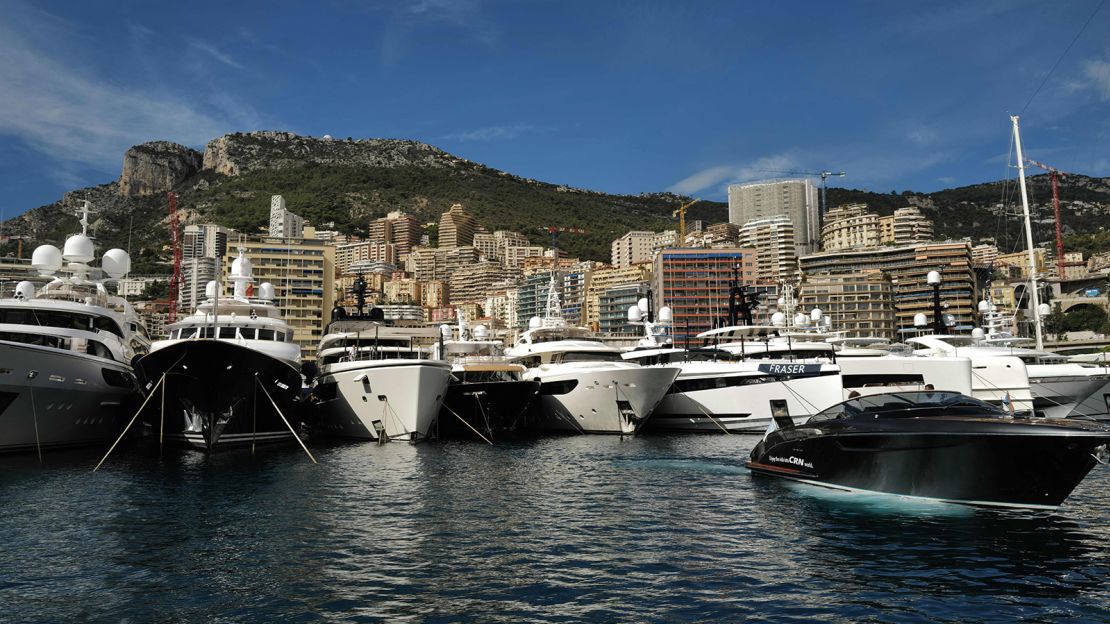
Monaco Yacht Show Doubles Down: Global Turmoil Can’t Sink the Luxury Wave

Living Large in Monaco: The Resilient Allure of Superyachts

In a world beset by international conflict, rising energy prices, and lingering pandemic uncertainties, one of the most captivating spectacles continues to defy global turmoil: the Monaco Yacht Show. This annual event, held in the glamorous Mediterranean enclave, showcases some of the world’s most extravagant and technologically advanced superyachts ranging up to over 100 meters in length. Despite a backdrop of geopolitical anxiety, the event attracted a record-breaking assembly of luxury vessels, a testament to the resilience and enduring allure of luxury lifestyle.

The Monaco Yacht Show exemplifies how wellness and leisure pursuits remain pillars of personal well-being for the wealthy and aspirational alike. As Johan Pizzardini, the show’s communications head, notes, all of the world’s leading superyacht brands and the latest models were present, including 118 magnificent vessels with a combined value near $3.8 billion. Even amidst economic uncertainty, luxury yacht ordering remains robust, with new entries like the record-breaking AHPO, a 115.1-meter giant from German builder Lürssen, making waves in the industry. The message is clear: for the elite, investment in personal escape—whether by land or sea—continues to be a priority, fostering a culture centered around self-optimization and life’s pleasures.

Emergence of New Buyers and Design Innovations

This year’s event showcased a shift in buyer demographics. Not only seasoned yacht owners but also first-time luxury yacht buyers are making splashes with their debut vessels. New models like the 60-meter Lusine from Dutch shipyard Heesen, which boasts exquisite interiors by Sinot Yacht Architecture, exemplify this trend. Interior design experts such as Ron Holland and Francesco Paszkowski continue to elevate yacht aesthetics, blending functional luxury with cutting-edge sustainability. For many, this pursuit is more than ostentation: it’s about creating personal sanctuaries that promote mental/physical health and inspire.

Innovations like hybrids and eco-conscious propulsion systems reflect a _growing emphasis on environmental responsibility_. Tankoa’s Kinda, with its hybrid engine modes, encapsulates this commitment—combining power, efficiency, and a respect for nature. Such focus aligns with wellness experts advocating for a sustainable lifestyle that harmonizes indulgence with planetary stewardship, showing how luxury can coexist with _\u201cmindful living\u201d_ principles.

Industry Confidence and Investment in Dreamscapes

Despite recent sanctions impacting the Russian superyacht industry, the global order book remains strong. CEOs like Arthur Brouwer of Heesen report record orders, with over 1,000 superyachts under construction worldwide—a 24% increase from the previous year. This surge illustrates a confident market driven by a pandemic-inspired mindset: a desire to seize the moment and embrace personal freedom through luxurious escapism. For many, these vessels are more than assets—they are floating retreats that foster community, rejuvenation, and escape into wellness.

Moreover, the event revealed an ever-expanding array of custom features—from vibrant murals and opulent materials like mother-of-pearl and rare woods, to innovative amenities such as onboard gyms, massage salons, and helipads. These details exemplify how personalized experiences and lifestyle upgrades are shaping a new era of private luxury. Industry leaders emphasize that even in uncertain times, the quest for personal excellence remains a steadfast pursuit, fueling continued shipbuilding and innovation.

This glamorous gathering in Monaco reminds us that lifestyle is an ongoing voyage—a pursuit of balance, beauty, and strength amid the chaos. Like the majestic vessels that glide through azure waters, our own journeys are marked by resilience, innovation, and a relentless pursuit of betterment. In embracing these ideals, we discover that luxury isn’t just about material wealth—it’s about cultivating inner peace and creating spaces where one can truly thrive. As the world sways with uncertainty, the message is clear: through vision, craftsmanship, and a bold yearning for living fully, the journey to personal fulfillment continues unabated.

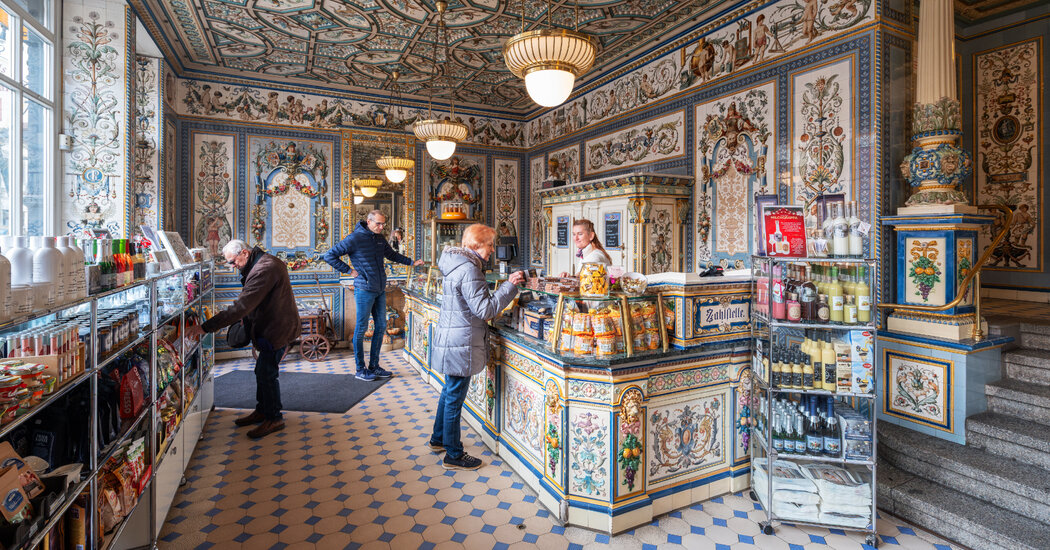
36 Hours in Dresden: Discover the Heart of Germany’s Cultural Heritage

In the heart of Saxony lies Dresden, a city that embodies the profound relationship between culture, identity, and societal continuity. Its historic skyline, lush with restored Baroque architecture, stands as a testament not only to artistic brilliance but also to resilience and the enduring spirit of a people. This city, a crucible where Old Masters like Rembrandt and Canaletto once captured divine beauty, now hosts a vibrant avant-garde movement that demonstrates culture’s ongoing capacity to adapt and evolve. The cultural fabric of Dresden reminds us that history is never distant or detached; it is an intrinsic part of a nation’s soul, shaping its worldview and moral compass.

Walking through Dresden’s streets during the Christmas season, one encounters one of Europe’s oldest and most cherished markets. Here, amid the scent of gingerbread and mulled wine, tradition is not merely preserved; it is reinterpreted. This market, in its timeless aura, echoes a deeper truth articulated by Tocqueville: that democratic societies are rooted in shared cultural practices that foster a sense of collective identity. The celebration of Christmas in Dresden underscores that culture serves as a repository of a community’s values, memories, and hopes for the future. It is a counterbalance to the transient nature of modernity, ensuring that the essence of a people’s story remains alive through symbols, rituals, and shared experiences.

The city’s current cultural scene extends beyond its historical marvels. It is a frontier for modern expressions of artistic innovation, where artists like Gerhard Richter and Anselm Kiefer push boundaries, demonstrating that tradition and modernity can coalesce into a powerful dialogue. This dynamic exemplifies what Ortega y Gasset described as a culture that must \”live through its works,\” heralding an ongoing conversation between the past and present. In this dialogue, culture is not static but a living, breathing entity that anchors society in its roots while propelling it forward. As history teaches us, the true strength of a civilization lies in its capacity to remember and redefine itself in response to the ever-changing currents of time.

Ultimately, Dresden’s enduring charm and cultural vitality remind us that culture is both memory and prophecy. It is memory—a reservoir of traditions, struggles, and triumphs that bind society in shared purpose—and prophecy—a glimpse into what humanity might become when rooted in its most authentic selves. As T.S. Eliot once observed, \”A tradition is an inheritance, and must be a legacy that we care for and pass on.\” Thus, the cultural legacy of Dresden continues to illuminate our path, inspiring a worldview where the origins of our identity serve as the foundation for our aspirations. In the quiet grandeur of its restored facades and bustling markets, there resides a profound reminder: that our culture, like the eternal city itself, is the living archive of human greatness—a prophecy of better days crafted in the mosaic of memory.

Top 50 Bars of 2022: The Hottest Spots Every Young Rebel Should Know

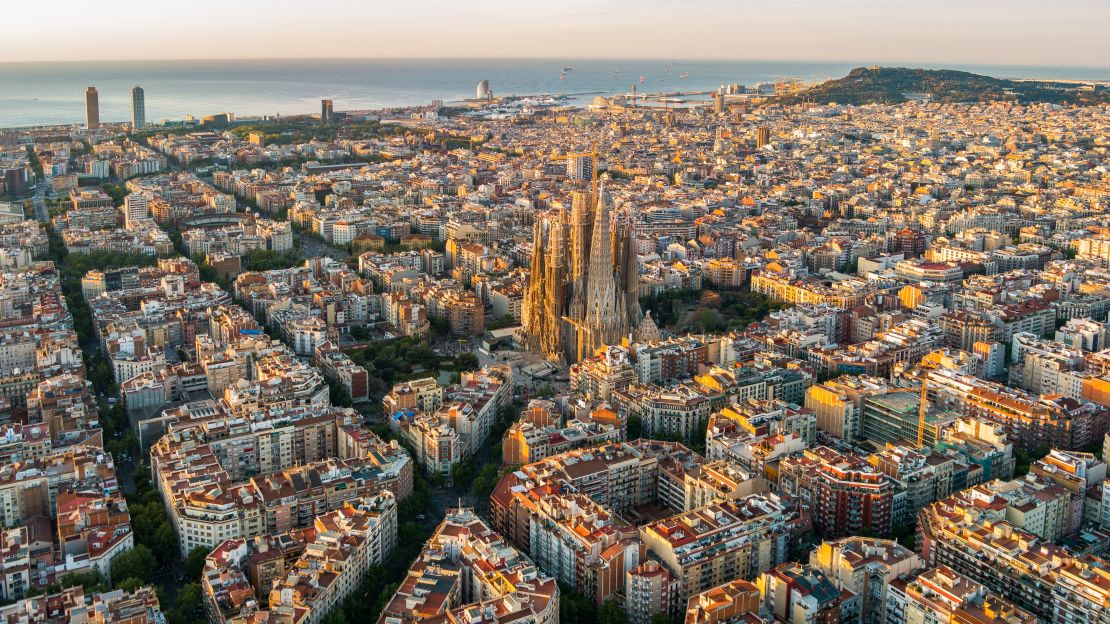
Barcelona’s Paradiso Reigns Supreme: A New Era for Global Cocktail Culture

In a remarkable turn of events that signals a shift in the world’s vibrant nightlife landscape, Barcelona has surged to the forefront of the global cocktail scene, claiming the coveted title of World’s Best Bar in 2022 with its iconic establishment, Paradiso. A Mediterranean-style speakeasy tucked away behind a freezer door in the hip El Born district, Paradiso’s ascent from number three in 2021 to the pinnacle of the industry marks a significant evolution in the cocktail world. This recognition underscores the city’s rising reputation as a cosmopolitan hub where tradition meets cutting-edge innovation, inviting young enthusiasts to indulge in a lifestyle rooted in _wellness_ and experiential leisure.

What makes Paradiso’s victory particularly momentous is its status as the first bar outside of London or New York to claim top honors since the inception of the World’s 50 Best Bars list in 2009. Its founders, Giacomo Giannotti and Margarita Sader, emphasize creating cocktails that push creative boundaries while remaining anchored in _authentic Mediterranean style_. Giannotti shared with the awards organizers that their philosophy blends **hard work**, **passion**, and **innovation**, recognizing that breakthrough success stems from relentless discovery and a dedication to _excellence_. More than a celebration of taste, Paradiso exemplifies how the new cocktail culture is about _inspiring_ and _transforming_ the beverage experience, aligning with what wellness experts like Amanda Feifer highlight as the importance of _mindful indulgence_ in a health-conscious era.

Europe’s Culinary and Mixology Renaissance

The city of Barcelona is no longer just known for its striking architecture or rich cultural heritage—it’s now a key player on the global stage of _lifestyle_ and _culinary_ innovation. The 2022 list features three of the top 10 bars hailing from this vibrant city, including Sips, which catapulted from 37th to 3rd position, exemplifying how _food-inspired_, _creative_ cocktails are reshaping the industry. European cities continue to maintain dominance in this arena, with London and Italy also making powerful showings, underscoring the continent’s _legacy_ of blending _culinary artistry_ with a _luxurious lifestyle_, one that resonates with a youthful desire for _luxury_ and _personal impact_ in everyday pleasures.

  • Engage in _local _tours, exploring Barcelona’s innovative venues, and experiencing _Mediterranean-inspired_ cocktail craftsmanship.
  • Seek out _experiential_ and _food-infused_ drinks that elevate _wellness_ and _mindful_ consumption.
  • Embrace _design_ and _aesthetics_ in drinking experiences, including _custom glassware_ and _science-driven techniques_ like centrifuges, as exemplified at Paradiso and other top-tier venues.

In tandem, the emphasis on _hospitality_ and _customer experience_—a ripple effect of the pandemic’s lessons—continues to prioritize safety, _personalized service_, and creating environments where patrons feel valued and secure. This renewed focus not only elevates _leisure_ but fosters a sense of _community_ and _well-being_, essential elements for forging a _purposeful lifestyle_ rooted in _quality_ and _authenticity_. By drawing from expert voices and the evolving landscape of _gastronomy_ and _mixology_, these bars reflect a cultural shift where _creative_ expression harmonizes with _healthful_ living.

Beyond the Cityscape: A Global Tapestry of Cocktail Creativity

The recognition of Barcelona’s Paradiso as the world’s top bar symbolizes a broader _rebirth_ of _cultural innovation_ across continents. Notable entries from Madrid’s Salmon Guru, Italy’s Florence, and Lisbon exemplify how emerging hotspots further diversify the global _premium lifestyle_ scene. In Asia, Singapore’s Jigger & Pony takes the Best Bar in Asia title, while Middle Eastern hubs like Dubai demonstrate a persistent _luxury_ that appeals to _global_ explorers and _young adventurers_ seeking _meaningful_ _leisure_. Each of these venues offers a unique _story_—a _narrative of _craft, culture_, and _ambition_—that inspires aspiring _independent thinkers_ and _trendsetters_ to view _lifestyle_ as a personal _journey_, a collection of _moments_ that shape _identity_ and _well-being_.

As the industry continues to evolve, tools like science-based _cocktail_ techniques and _artful_ _presentation_ are seamlessly merging _culinary_ arts with beverage innovation. The emphasis on _aesthetic_ and _experience_—whether through _custom glassware_ or _food-inspired_ drinks—encourages a _mindful_ approach to _indulgence_. This reflects a societal desire to _reclaim_ _pleasure_ as _part of a _holistic_ lifestyle_, fitting seamlessly into the _wellness_ paradigm favored by intellectuals like Tim Ferriss and wellness entrepreneurs emphasizing _quality over quantity_. It reminds young audiences that _living well_ does not mean sacrificing excitement for health; instead, it’s about _integrating_ _the best_ into _everyday life_, cultivating _balance_, and _creating_ _lasting impressions_ of _self-awareness_ and _inspiration_.

In conclusion

Today, the _world’s top cocktail bars_ do more than serve drinks—they craft _experiences_ that embody the _spirit_ of _adventure_, _creativity_, and _self-improvement_. They evoke a sense of _possibility_, inspiring a generation to see _lifestyle_ as a _personal _canvas_, where _health, _leisure_, and _self-expression_ intertwine. As you navigate the corridors of this _lyrical_ _world_, remember that your _journey_—like a meticulously crafted _cocktail_—is about _balance, _discovery_, and _embracing_ each moment with _passion_. Because ultimately, _life_ is the grandest _adventure_, waiting to be _poured_ from the _bottle_ of _your_ _potential_ into a _glass_ of _possibility_.

Europe Finds Its Backbone: Standing Strong Against Russian Aggression in Ukraine

In recent weeks, Europe’s geopolitical landscape has been marred by dramatic disclosures and strategic recalibrations that threaten to reshape the continent’s future security posture. European leaders, led by Kaja Kallas, the EU foreign policy chief, have underscored a stark historical reality: Russia’s record of invasions spans nearly a century, affecting 19 states on 33 occasions. This historical context, drawn from Kallas’s own meticulous research, aims to reinforce a core European concern — that Russian imperialism persists beneath the veneer of post-Soviet diplomacy. Such revelations spotlight the enduring threat posed by Vladimir Putin’s regime, whose refusal to confront its brutal past fuels continued aggression and destabilizes the European order.

Support for this alarm was echoed by other Western leaders, including Germany’s Johann Wadephul and France’s Emmanuel Macron. Wadephul warned that Russia is strategically positioning itself to potentially threaten NATO as early as 2029, amid a ramp-up of nearly one new division a month devoted to targeting Europe and the United States. Macron, describing Russia as “a constant destabilizing power,” emphasized Putin’s relentless effort to revise borders and extend his influence at Europe’s expense. These grave assessments are not mere rhetoric but serve as warnings of an evolving security threat that Europe cannot ignore. Complementing their concerns, UK Prime Minister Keir Starmer stressed that without firm deterrence, Putin’s ambitions to expand once again would inevitably materialize, dragging Europe into a perpetual cycle of conflict.

Meanwhile, the landscape in Washington appears increasingly divided. Unlike the resilient European consensus, US isolationists such as property developer Steve Witkoff and some former Trump officials have discounted Russia’s expansionist motives, proposing a distorted view that portrays Putin as a proponent of peace. Witkoff’s admission that he watched Netflix documentaries to better understand history underscores a troubling trend—a growing skepticism within US political circles about Russia’s true intentions and the threat it poses. Former President Trump’s approach, characterized by offers to reward Russia and avoid severe sanctions, starkly contrasts with European priorities of robust security guarantees. This divergence is shaping a new geopolitical reality, where European security concerns are secondary to a US administration seemingly eager to reconcile with Moscow at any cost.

Crucially, recent revelations of secret US-Russian negotiations—most notably a **28-point plan** aimed at ending the war in Ukraine—have exposed a profound rift. European leaders, including François Hollande and Josep Borrell, decried these plans as an abdication of European sovereignty and a capitulation to Russian demands. Hollande characterized it as a moment of “Europe’s relegation” to a subordinate role under a Russian-American condominium, risking Ukraine’s territorial integrity and future security. Meanwhile, Borrell condemned Washington’s willingness to potentially “sell out” Ukraine’s sovereignty. The plan’s draft, which notably removes critical security guarantees, signals a disturbing trend: the West’s willingness to compromise its principles for a fleeting peace that favors Russian interests.

As history’s pen continues to write, the fate of Ukraine, the stability of NATO, and the moral fabric of European sovereignty hang in the balance. With Putin’s military machine still grinding forward and new diplomatic efforts risking betrayal, Europe finds itself at a crossroads. Will it stand firm against a resurging imperial power, or will inertia and division condemn the continent to a future defined by weakness? As officials weigh options and histories collide, the coming weeks may determine whether Europe continues to play a secondary role in its own destiny or asserts itself as the bastion of sovereignty and security in a world scarred by its past.

EU Paves Way for Faster Military Moves Across Europe, Boosting Youth Defense Confidence

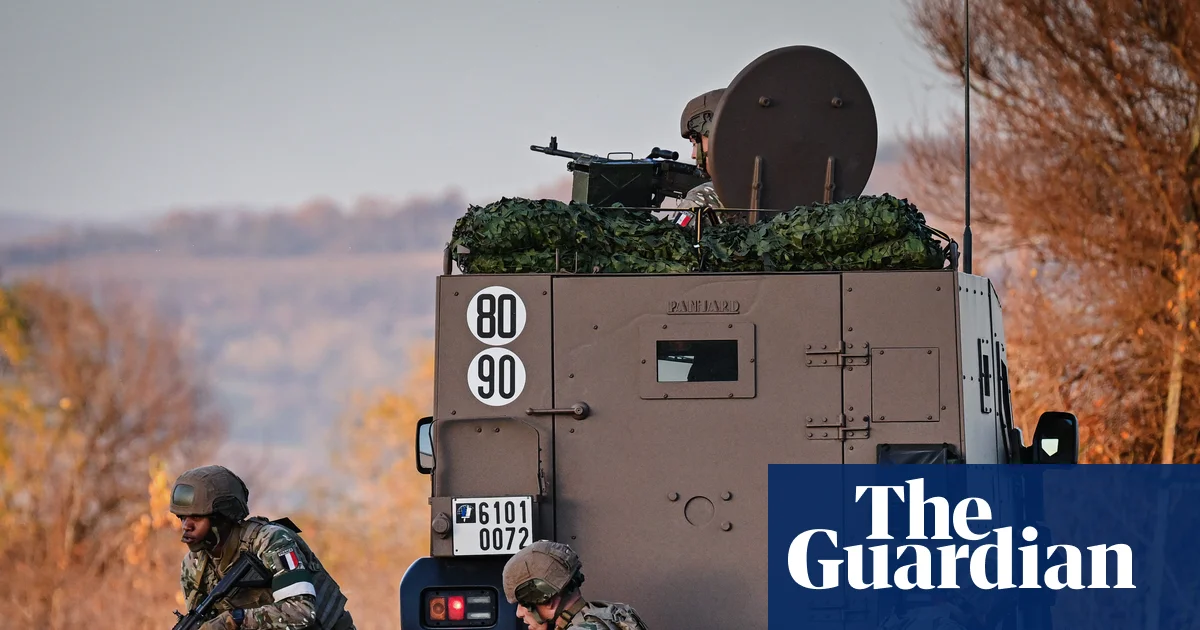
The European Union is intensifying its efforts to reinforce military readiness across its member states in a move that signals a clear shift towards integrated defense capabilities. The recent announcement by the EU executive to streamline cross-border troop movements is part of a broader strategic initiative to counteract escalating regional tensions, specifically in light of recent warnings from security experts regarding Russia’s potential to attack within five years. The EU is positioning itself to become a frontline defender, emphasizing a coordinated approach that could dramatically alter the continent’s security landscape. As European leaders debate the logistics and funding of this ambitious plan, the core aim remains the same: bolster deterrence and ensure swift military response in the face of emerging threats.

The crux of this initiative involves dismantling bureaucratic hurdles that currently hinder rapid troop movements. According to EU officials, obstacles such as inadequate infrastructure—bridges incapable of supporting heavy tanks, narrow railway tunnels, and incompatible track gauges—pose serious impediments to military logistics. The European Commission has proposed creating a “military Schengen” zone, allowing armies to traverse borders as seamlessly as civilians do. Key to this plan is prioritizing the strengthening of 500 critical points—bridges, tunnels, roads, and ports—at an estimated cost of €100bn. Such investments are seen as essential for ensuring that NATO’s collective defense is complemented by improved continental military mobility, a point underscored by Kaja Kallas, the EU foreign policy chief, who bluntly stated that existing rules, such as the 45-day notice requirement for troop movement, are “not good enough” for an era of heightened tension.

This move draws considerable attention from analysts and international organizations concerned with the geopolitical ramifications. While the EU emphasizes that these measures are designed to underpin NATO’s strategic planning, critics warn of a potential escalation of tensions, especially with Russia. The prospect of Europe becoming a more militarized continent—ready to move armies swiftly across borders—raises fears of militarization spiraling further. Historian and security analyst Dr. Marcus Feldman warns that such initiatives may inadvertently provoke an arms race or regional instability. Nevertheless, EU officials maintain that modernization of infrastructure and legal reforms are vital deterrents against potential aggression, especially in a volatile security climate spurred by Moscow’s recent strategic postures.

Funding remains the most contentious aspect of this initiative. The EU plans to allocate approximately €17.6bn from its long-term budget, with a broader €2tn plan facing resistance from member states wary of increased spending. Nevertheless, the logic remains clear: in an increasingly unpredictable world, preparedness and rapid mobilization are the new currencies of security. As nations within the bloc are often required to co-fund defense projects, the convergence of economic and strategic interests highlights an evolving geopolitical landscape—one where collective action is increasingly deemed necessary to navigate threats that transcend borders. The coming years will test whether these measures can deliver a credible deterrent or merely serve as a fragile veneer over underlying divisions and uncertainties.

As the echoes of history reverberate through the corridors of power, the unfolding plans for a more integrated and mobile European military force cement a stark reality: the continent stands at a crucial juncture. The decisions made today—how well infrastructure is upgraded, how swiftly policies adapt—will undoubtedly shape the fabric of European sovereignty and security for generations. The weight of history is pressing down, with each step towards militarization carrying profound consequences; the thresholds of peace and conflict are now razor-thin, and the world watches as Europe writes its next chapter in a saga of resilience and confrontation.

Europe Observes Armistice Day Amid Rising Tensions as Russia Bombs Ukraine Overnight — Live Updates

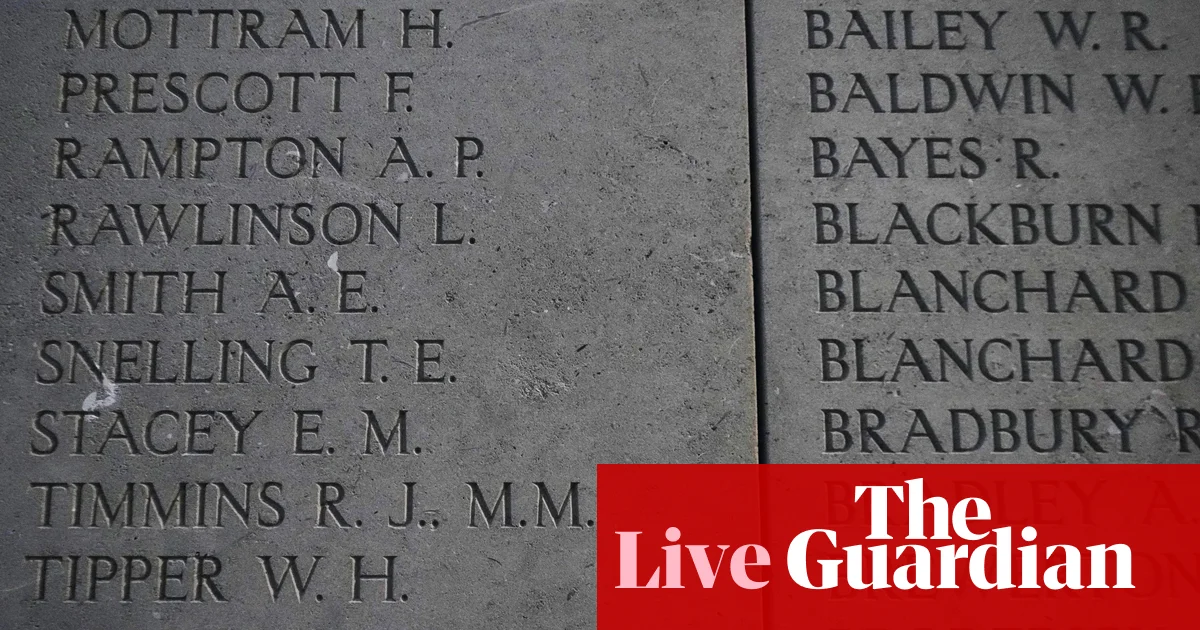
As Europe commemorates Armistice Day, a day historically rooted in ending the devastations of war, the continent finds itself embroiled in a new era of geopolitical turmoil. The recent claims from Russia’s Federal Security Service (FSB) of thwarting a clandestine operation by Ukrainian and British spies underscore the fragility of peace in an age dominated by shifting alliances and covert warfare. The alleged plot to commandeer a MiG-31 fighter equipped with hypersonic Kinzhal missiles, purportedly to be flown toward a NATO border in Romania, reveals a fresh dimension in the persistent Ukraine conflict. While Western nations mourn and honor the fallen, the shadows of espionage, sabotage, and ongoing military confrontations cast a pall over traditional commemorations, exposing a continent at a crossroads of peace and chaos.

  • Russian authorities claim to have intercepted an attempt by Ukrainian and British operatives to destabilize the region by stealing a highly advanced Russian jet, which was allegedly to be flown toward a NATO base in Romania, an escalation that could have drawn NATO directly into conflict.
  • The Russian state TV broadcast purported evidence—including messages and recordings—allegedly linking Ukrainian and British intelligence to the plot, with reports of a payment of $3 million to Russian pilots willing to defect. These claims, however, remain unverified by independent outlets like The Guardian and Reuters.
  • The incident reveals how the Russia-Ukraine conflict has transformed into a broader proxy battleground, with accusations of espionage and sabotage characteristic of post-Cold War warfare. Analysts warn that such narratives serve to justify further escalations while complicating diplomatic dialogue.

Geopolitical Ripples and Rising Tensions

The European Union and NATO are closely watching these developments, aware that any escalation could have profound repercussions for regional security and for global stability. Historian and geopolitical analyst Dr. Maria Jensen warns that such alleged plots, whether fully verified or not, serve to deepen the divide between Western powers and Russia, fueling narratives of insidiou conspiracy and imminent threat. Meanwhile, France’s President Emmanuel Macron and Polish authorities mark Armistice Day with solemn ceremonies—yet the shadows of ongoing conflict threaten to distort the very symbolism of reconciliation and peace.

Adding to the tense atmosphere, Romania reported a Russian drone incursion near its border with Ukraine, which the Romanian President, Nicușor Dan, dismissed as an accident. This incident underscores the underlying risk of unintended escalation as military activities become increasingly aggressive and unpredictable. Conflicts that once were confined to local terrains are quickly evolving into interconnected crises, with Ukraine’s battlefield and Romania’s border zones acting as potential flashpoints for broader confrontation. International institutions warn that the escalation fuels a spiral of mistrust and military posturing, threatening to unravel ongoing diplomatic efforts.

The Broader Impact—History’s Unfinished Narrative

In this tumultuous context, the annual observances across Europe—such as the marches in Warsaw and ceremonies at the Arc de Triomphe—serve as stark reminders of the price paid for peace. Yet, beneath the commemorations lies a sobering reality: the continent is navigating a delicate, volatile chapter where decisions made today will echo through history. Within geopolitical circles and diplomatic corridors, experts deliberate on the potential for these incidents to either ignite a larger conflict or serve as catalysts for renewed dialogue and mutual understanding.

The unfolding story of Ukraine, Russia, and the broader European theater is still being written, with each new claim and counterclaim adding lines to a narrative that history will scrutinize for generations. As world leaders grapple with the aftermath of their choices, the shoulders of future generations bear the weight of today’s decisions—decisions that could either forge enduring peace or plunge the continent into an abyss of perpetual conflict. The question remains: how will the pages of history remember this turbulent age, and what lessons will it carve into the collective memory of humanity?

Black Musical Theater: Celebrating 200 Years of Cultural Resilience and Innovation

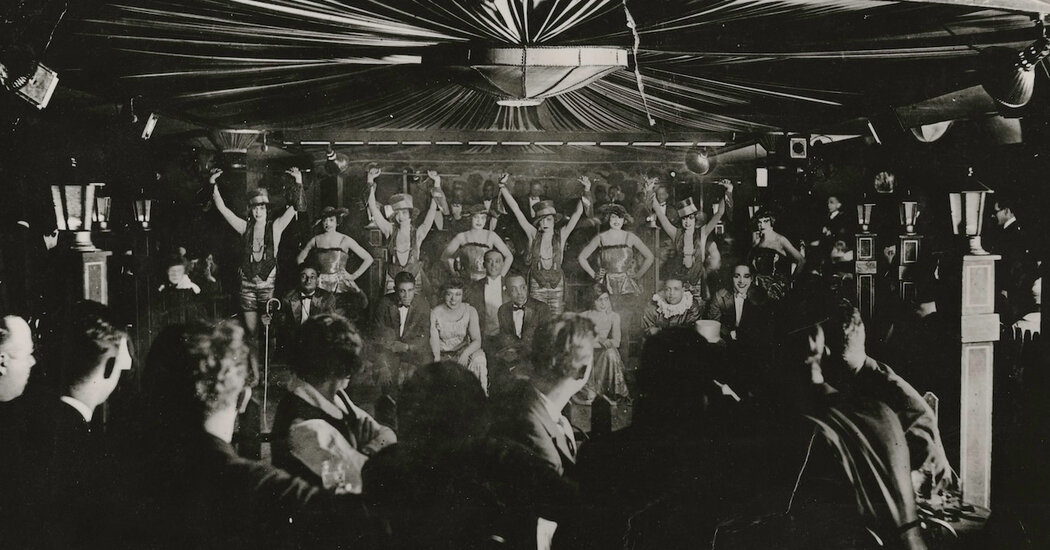
In the great tapestry of human civilization, culture functions as both the mirror of our collective identity and the canvas upon which we project our future aspirations. On the cusp of pivotal moments in history, artists and cultural pioneers have often assumed the mantle of societal architects, shaping and reflecting the values, struggles, and triumphs of their epoch. The founding of Amas Musical Theater in 1968 by LeLaine LeNoire exemplifies this parallel—it was not merely an act of artistic enterprise but a declarative stance on the importance of cultural diversity and representation in American society. Her initiative, infused with purpose, sought to elevate multiethnic casting, thereby enriching the cultural dialogue and affirming the integral role of identity within the American narrative.

Much like the Greeks of ancient times, who consecrated myth and drama as essential facets of civic life, modern cultural innovators understand that the arts serve as repositories of memory and beacons of prophecy. The success of productions like “Mama, I Want to Sing!” and “Bubbling Brown Sugar” signals a turning point—a recognition that authentic stories rooted in diverse experiences contribute to the moral and aesthetic fabric of society. These works, born amidst tumultuous social change, echo the timeless insight of thinkers like G.K. Chesterton: that tradition, which preserves the best of our collective past, must evolve to include the voices previously marginalized. In this context, cultural renaissance is intertwined with the assertion of rightful identity, a vital act of cultural self-preservation amid an ever-changing world.

The importance of such cultural endeavors extends beyond entertainment; they forge a profound connection between society’s fabric and the individuals anchoring it. A nation’s cultural output, as Tocqueville observed, reveals the undercurrents of its democracy, exposing the virtues and flaws woven into its institutions. In this regard, Amas Musical Theater and similar initiatives symbolize a democratization of culture—a recognition that art is not just a luxury, but a vital expression of societal sovereignty. They remind us that by celebrating roots and forging new traditions, society cultivates resilience and continuity, allowing forgotten histories to reemerge and guiding humanity towards a future mindful of its heritage.

Ultimately, culture emerges as both memory and prophecy: a living archive charting the human journey and a visionary force shaping what is yet to come. As the poet T.S. Eliot might have suggested, in our pursuit of harmony between past and future, we discover “the still point of the turning world”—a place where the echoes of tradition inform the aspirations of tomorrow. Our shared cultural history is a testament to our resilience, an ongoing dialogue that sustains not merely individual identities but the spirit of civilization itself. To engage with this heritage is to participate in a sacred act of rebirth, forging a path where the memory of yesterday guides the prophecy of tomorrow, reflecting the eternal human endeavor to find meaning and coherence amid chaos.

Social Media Auto Publish Powered By : XYZScripts.com