Matox News

Truth Over Trends, always!

Albanese evacuated from official Canberra residence after bomb threat—stay vigilant!

Australia Under Threat: A nation at Crossroads of Security and Stability

In a chilling reminder of the volatile landscape modern democracies face, Prime Minister Anthony Albanese was evacuated from The Lodge in Canberra late Tuesday evening following a serious bomb threat. The incident, which prompted police to relocate the prime minister to an undisclosed safe location, underscores the mounting security challenges confronting Australia amid its increasingly turbulent political climate. While authorities assured the public that no explosive devices were found after a thorough search, the event signals a disturbing escalation in threats directed at Australian government officials and institutions, casting a shadow over national stability.

Security experts and analysts have observed a notable uptick in threats against elected officials and prominent figures within the Commonwealth. Australians are witnessing the consequences of rising grievances fueled by online radicalization, societal division, and ideological extremism. Since late last year, authorities have charged over 20 individuals linked to violent threats targeting politicians, Jewish community members, and other public officials. According to Australian Federal Police commissioner Krissy Barrett, this disturbing trend reflects a broader pattern of individual grievance transforming into tangible danger. Even as the government boosts security measures, including the deployment of specialized national security investigation teams, the threat persists, revealing cracks in the nation’s defenses.

International Ramifications: How Threats in Canberra Echo Globally

This incident in Australia isn’t isolated; it resonates within a broader international context where political stability is increasingly fragile. Global institutions like The United Nations and regional alliances are watching closely as nations grapple with internal unrest, violent extremism, and rising populism. Analysts warn that these threats domestically could destabilize governments, strain diplomatic relations, and even embolden extremist groups to deepen their influence across borders. The rise of online radicalization, as noted by security officials, fuels a dangerous cycle—what begins as a threat in the digital realm can quickly materialize into violence, threatening the fabric of democratic societies worldwide.

Furthermore, the shift in threat perceptions suggests a critical turning point in international security protocols. Some experts argue that conventional law enforcement strategies are increasingly insufficient against modern guerrilla tactics, requiring a reevaluation of military, intelligence, and diplomatic responses. The United Nations and NATO, for example, continue to emphasize the importance of coordinated efforts to counter ideological violence and protect societal values from erosion. In this turbulent epoch, the decision of nations to fortify political resilience will significantly influence their capacity to withstand these threats—how they choose to respond could set precedents for generations to come.

Reflecting on History and Shaping the Future

Historically, periods of political upheaval have often been catalysts for societal transformation—sometimes for the better, often at a terrible cost. As historians like Friedrich Hayek and George Orwell have warned, the erosion of civil liberties under the guise of security can lead to authoritarianism if not checked. Today’s events in Australia serve as a stark reminder of the delicate balance between security measures and preserving democratic freedoms. The international community’s response and willingness to confront these threats head-on could define the trajectory of global stability in the decades to come.

As Australia confronts its internal crises and as other nations grapple with similar threats, the words of history’s keen observers echo louder: the weight of history is pressed into the present, and the decisions made now will shape an uncertain future. Will this be the moment humanity chooses resilience over fear? Or are we marching toward an age where security measures undermine the very freedoms they seek to protect? The answer depends on the resolve of nations—and the choices they make when faced with the shadows of history’s recurring dark chapter.
Warwick Students Evacuated Amid Hall Fire Emergency

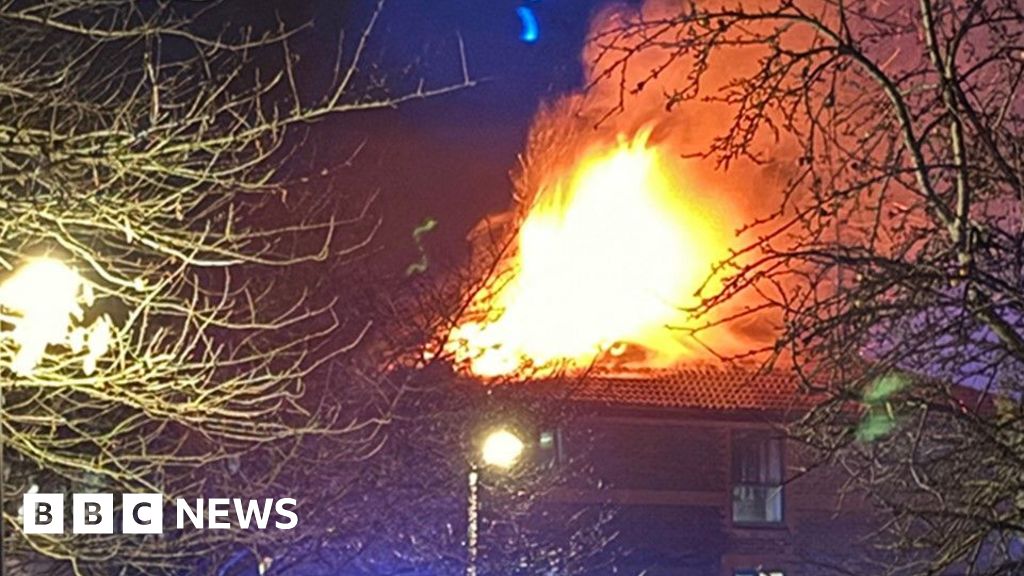
In the quiet early evening of a university campus in Coventry, a sudden fire broke out in a student hall of residence, prompting a swift response from over 40 firefighters and support from advanced drone technology. This tragic event underscores the ongoing societal challenge of ensuring safe living environments for students and highlights the vulnerable state of families, communities, and educational institutions during crises. The incident, which started in a kitchen, not only damaged two flats and sent smoke into several others, but also exposed a broader societal issue: the safety and preparedness of our young people’s communal living spaces.

As the university swiftly evacuated all residents and provided support services, the incident beckons a sobering reflection on the importance of preventative safety measures. Sociologists like Dr. Michael Green, who studies youth and risk, emphasize that many student residences lack the comprehensive fire safety education that could prevent such disasters.

  • Many young students, often unaware of the dangers, underestimate the risks of unattended cooking.
  • Insufficient safety protocols and outdated facilities may exacerbate the impact of accidents.

This event has broad implications for society’s approach to education and community safety. During the chaos, a sense of confusion and helplessness emerged among students, many of whom felt unsure about what steps to take in emergency. The moral responsibility extends beyond immediate response; it challenges families and communities to advocate for more rigorous safety standards and for educational programs that teach practical safety skills early on. The incident reminds us that social cohesion hinges on **collective responsibility**—not only for immediate safety but for fostering a culture where young people are empowered, informed, and supported.

Historically, social commentators have pointed out that a society’s strength can be measured by how well it protects its most vulnerable members—its youth. Taking lessons from past tragedies, including fire safety failures or neglect, society must acknowledge that the path toward transformation involves a shared moral duty. As firefighters supported by drone operators put out the last embers, the lingering question remains: *How can society rebuild not only the physical structures but also trust, resilience, and a renewed commitment to the safety of its next generation?* Because behind every burned flat and evacuated corridor lies a community’s hope — the hope that through vigilance and collective effort, societies can prevent preventable tragedies and forge a future where safety becomes a foundational value, woven into the fabric of our educational and communal life.

COP30 Evacuated as Fire Breaks Out—Pacific Leaders Push for Urgent Climate Action

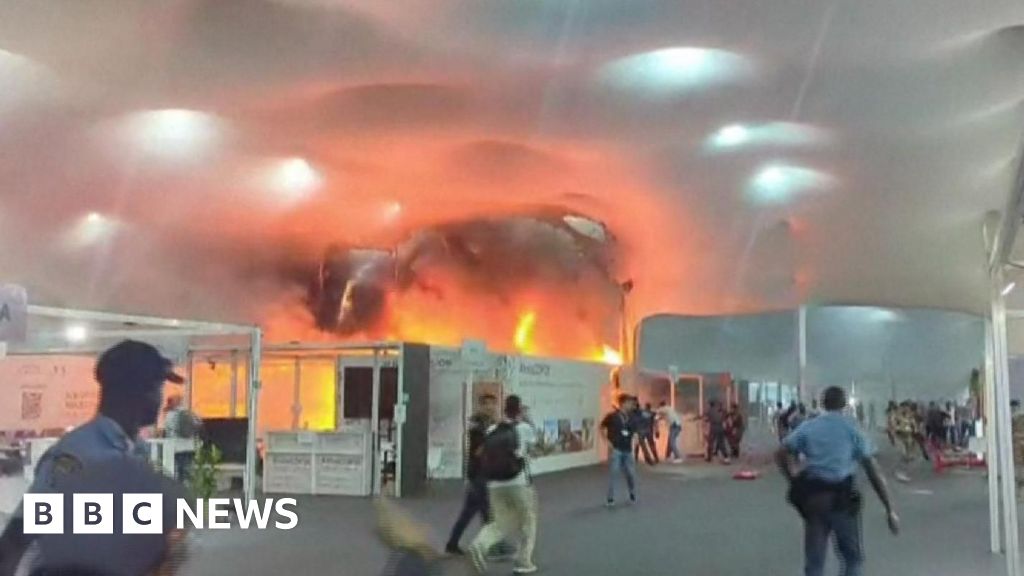
In a dramatic turn of events that underscores the fragility of international diplomacy, the UN climate summit, COP30, held in Belém, Brazil, was abruptly halted when a fire broke out inside the conference venue. Chaos erupted as flames and heavy smoke engulfed the pavilion, forcing hundreds of delegates, journalists, and concerned observers to evacuate in a scramble for safety. The incident not only disrupted critical negotiations but cast a shadow over the increasingly urgent global efforts to combat climate change, highlighting how unforeseen crises can unilaterally derail multilateral diplomacy.

The Brazilian authorities quickly claimed to have contained the fire, which authorities believe was likely an electrical fire. However, the cause remains under investigation—which adds to the volatility of the situation—while the immediate aftermath saw delegates seeking shelter outside, some under the shade of nearby petrol stations amid oppressive heat and humidity. The fire caused visible damage, burning through the venue’s protective sheeting and creating a large hole in the structure, temporarily halting what was already a delicate consensus-building process involving nearly 200 nations. This fiery disruption could have repercussions far beyond Brazil, impacting the geopolitical fabric as nations grapple with the fallout of a crisis that embodies the precarious state of global cooperation on environmental issues.

International analysts, including prominent climate experts and United Nations officials, warn that incidents like this expose the deeper vulnerabilities within the global climate governance framework. With negotiations at a crucial juncture—aiming to outline next steps and commitments—the fire’s disruption could serve as a symbolic warning about the fragility of international consensus. Observers note that such chaos may undermine trust, especially as climate change remains a battleground where geopolitical tensions are heightened; a safe and collaborative environment is essential before nations can approach the substantial task of crafting effective policies. The UN reiterated that the summit is temporarily on hold, with authorities now inspecting the venue for safety before proceedings can resume, but the incident leaves many questioning whether global leadership is equipped to confront the mounting crises ahead.

Historically, international critics and strategic analysts have argued that crises—whether geopolitical or environmental—often act as turning points revealing structural weaknesses within the global order. With tensions simmering over climate commitments, resource disputes, and geopolitical rivalries, the fire at COP30 serves as a stark reminder that the stakes extend beyond mere policy disagreements. As history has shown, moments of crisis tend to accelerate or derail progress depending on leadership responses. If the current incident is any indication, the path toward genuine international unity on climate issues is as uncertain as it is critical. As delegates sit outside in the sweltering heat, the world watches,—a symbol of the ongoing struggle to forge an enduring global consensus amid the chaos of an unfolding crisis—reminding us all that history’s next chapter is still being written, and the true test of leadership lies in overcoming the unforeseen with resolve.

Philippines on High Alert: Over 1 Million Evacuated as Typhoon Fung-wong Approaches

Philippines Faces Devastating Typhoon Fung-wong Amid Climate Crisis

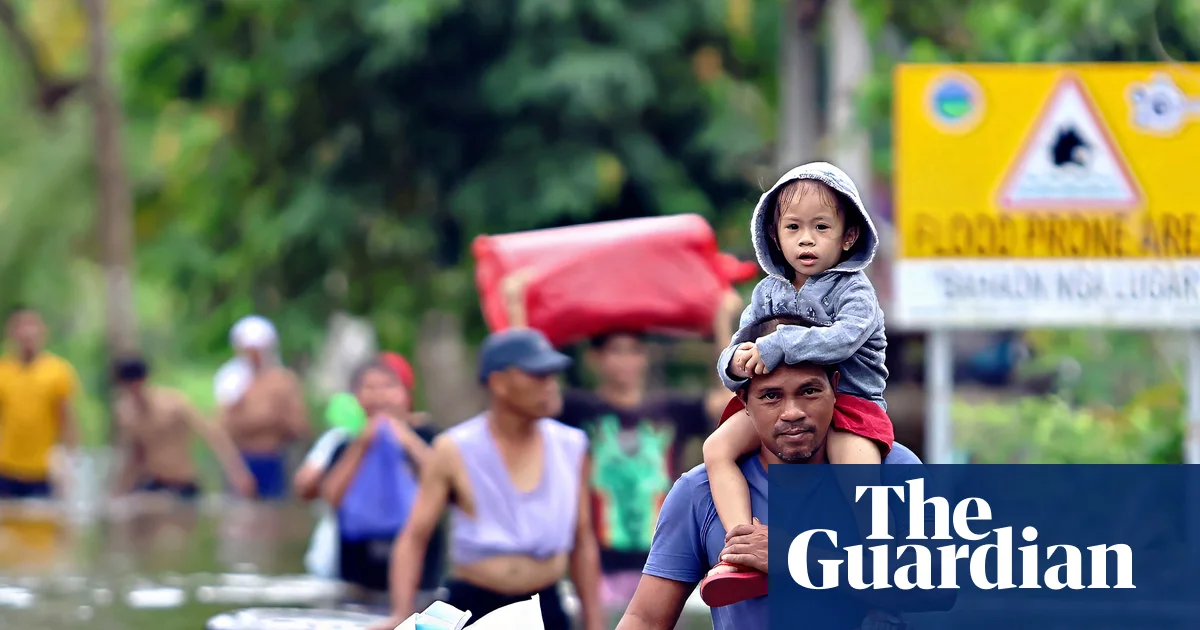
The Philippines, a nation frequently battered by natural disasters, is bracing once again for the destructive impact of Typhoon Fung-wong, a super-typhoon expected to make landfall on its east coast. As the storm approaches, the archipelago has already experienced widespread flooding, with over 1 million evacuations and at least two confirmed fatalities. The situation underscores the persistent threat posed by increasingly severe weather events—an alarming trend scientists attribute directly to the ongoing climate crisis. With winds reaching sustained speeds of 185 km/h and gusts soaring up to 230 km/h, the typhoon’s arrival is anticipated to bring catastrophic rains and storm surges that threaten lives, infrastructure, and economic stability across the nation.

The global impact of such extreme weather patterns can no longer be ignored. According to international climate analysts, rising ocean temperatures—driven by human emissions—fuel stronger, more unpredictable cyclones. The Philippines, situated on the Pacific “Ring of Fire” and prone to such storms, has become a living laboratory observing the tangible consequences of climate change. Historians and environmental experts warn that unless decisive action is taken internationally, these super-typhoons could become the new norm rather than the exception. This storm, hitting amidst a year already marked by an unprecedented number of severe storms, exemplifies how current geopolitical policies and environmental neglect are leaving vulnerable societies exposed to the wrath of nature.

The decision-making of regional governments and international institutions is critical in shaping outcomes for affected populations. Philippine authorities, under warnings from scientists and civil defense officials, have preemptively evacuated over 1.2 million residents, closing schools and businesses. Military and rescue teams, however, face immense challenges amid dangerous conditions, with rescue operations hampered by rising floodwaters and storm surges. Obeying evacuation orders and investing in disaster preparedness remains essential—not only for immediate safety, but also as a testament to the geopolitical importance of resilient infrastructure in disaster-prone nations. Analysts argue that the Philippines’ repeated suffering is a stark reminder that climate justice must be a global priority, emphasizing how inaction by wealthier nations exacerbates the plight of developing regions. It is a moral and strategic failure to ignore the growing climate threat, which now demands a unified international response to prevent further tragedies.

As the storm’s eye approaches Aurora and neighboring provinces, the narrative of climate vulnerability continues to unfold with urgency. News footage shows streets transformed into torrents, communities stranded and countless lives in peril. International institutions like the United Nations have issued warnings linking these extreme weather events to climate change, but tangible action remains elusive. With each passing storm, history records a stark lesson: failure to address the root causes of climate instability will only deepen global disparities and human suffering. The Philippines, a nation resilient in spirit but strained beyond measure, stands at the frontlines of a crisis that transcends borders and defies easy solutions. As families brace for the worst, the question lingers—how many more must suffer before decisive, transformative action is finally taken? The answer, still unwritten, weighs heavily on the world’s conscience as history marches toward an uncertain, storm-ravaged future.

Social Media Auto Publish Powered By : XYZScripts.com