Matox News

Truth Over Trends, always!

Adelaide Uni Cancels Event with UN Gaza Investigator Over Controversy

Global Tensions Escalate as Free Speech Battles Reflect Broader Political Struggles

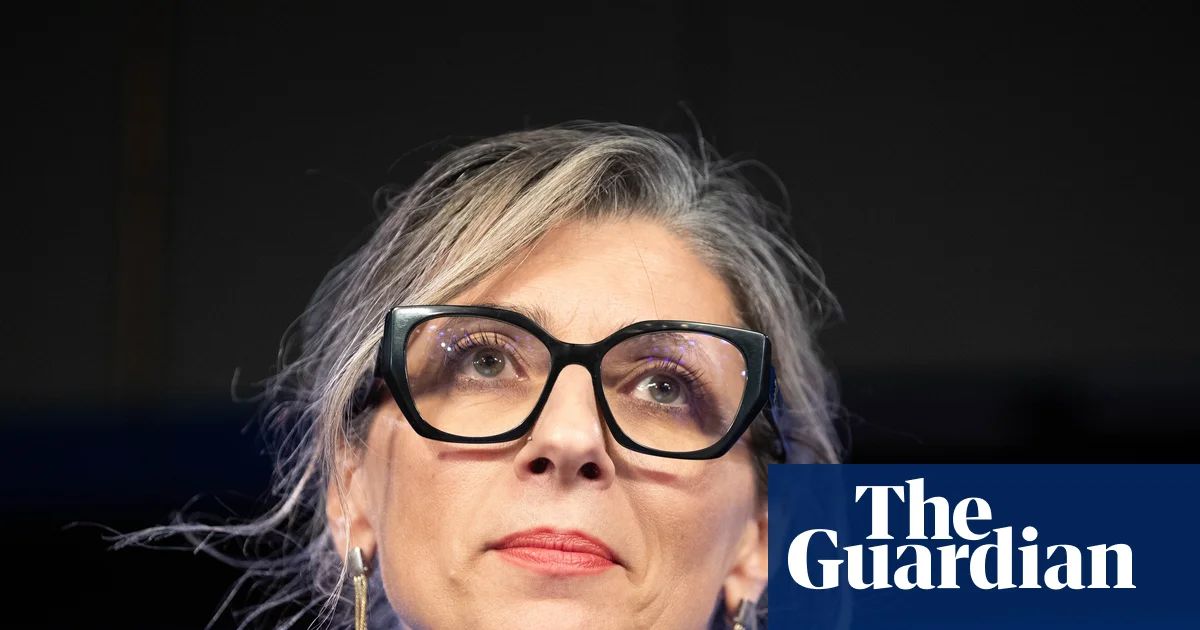
In a striking demonstration of the shrinking boundaries of free speech within academic and cultural institutions, Australia’s venerable Adelaide University has recently faced significant backlash after abruptly cancelling a high-profile event featuring UN Special Rapporteur Francesca Albanese. The event, intended to delve into issues surrounding settler colonialism and human rights in the occupied Palestinian territories, was part of the grassroots Constellations: Not Writers’ Week literary festival—an alternative platform born in the wake of the cancellation of the traditional Adelaide Writers Week. The decision to cancel the event signifies more than a mere administrative misstep; it exemplifies the growing resistance among some institutions to hosting controversial figures aligned with critical perspectives on Israel and Palestine.

This cancellation has ignited fierce debates on what constitutes acceptable discourse in Western democracies. Louise Adler, the former director of Adelaide Writers’ Week, condemned the move as a sign of institutional cowardice, asserting that universities and arts organizations are becoming “Moscow-on-the-Torrens,” a stark metaphor for their apparent capitulation to political pressures and censorship. Meanwhile, APIL (The Association for the Promotion of International Law), organizer of the event, claims the university’s cancellation was based on procedural grounds, asserting that all preparations had been completed and that no due process violations occurred. However, implying that the university’s decision stems from fear of controversy, critics argue that this reflects a troubling trend where fear of external criticism inhibits the exchange of challenging, yet critical ideas vital for healthy democracies.

The geopolitical *underpinning* of this controversy extends far beyond Australia. The event’s guest, Albanese, has become a symbol of a global debate over how democratic societies handle dissent regarding Middle Eastern conflicts. Since July, Albanese has been subjected to US sanctions imposed by the Trump-era Treasury Department, which accused her of “lawfare” and “political warfare” aimed at undermining Israel’s narrative. Critics in the US, including Senator Marco Rubio, have portrayed Albanese as an anti-Semitic figure supporting terrorism and condemn her outspoken stance against alleged Israeli policies. These accusations exemplify the international politicization of human rights debates, where critiques of a vital and contentious region are weaponized within the broader tug-of-war between global powers—namely the United States, Israel, and their opponents.

Internationally, observers and analysts warn that such instances — be it censorship at prestigious universities or sanctions against critics — threaten to undermine the very essence of democratic debate and free expression. United Nations experts and independent voices, like Chris Sidoti, argue that this echoes a troubling trend of *intimidation*, where the mere expression of dissent becomes grounds for suppression. The palpable fear of offending powerful interests, especially those aligned with US and Israeli agendas, indicates a broader geopolitical shift where free speech increasingly faces threats from both domestic and international pressure campaigns. The ongoing battle between free expression and political correctness has the potential to stifle the vital exchange of ideas necessary for a resilient, informed society—an authentic foundation of democracy.

As history continues to unfold, the significance of these conflicts extends well beyond individual case studies. The battles over free speech, whether at universities or on the international stage, are shaping the very fabric of society’s capacity to confront complex truths. With each censorship and sanction, nations grapple with their identity: will they uphold courage and transparency, or succumb to fear and conformity? As the dust settles in Adelaide and beyond, the weight of history reminds us that these moments—whispered warnings or bold declarations—are the chapters where the future of free societies is inscribed, and the outcomes remain perilously uncertain. The world waits, watching whether the flame of open discourse will endure or flicker out amid mounting forces seeking to silence dissent.
Fact-Check: Viral claim about recent event rated Untrue

Investigating the Claims on Transgender Identity and Mass Shooting Risks

In recent discussions, a claim has emerged that “transgender people aren’t more likely to commit mass shootings than any other groups in the U.S.”. This assertion, often cited to challenge sensationalized narratives linking transgender individuals to violent crimes, warrants a closer, fact-based examination. Understanding the facts is essential, given the importance of data-driven policy and public discourse in a healthy democracy.

What Does the Data Say?

First and foremost, comprehensive analyses of mass shooting perpetrators reveal a complex landscape. According to data collected by organizations like the Gun Violence Archive and research conducted by institutions such as the Harvard Injury Control Research Center, the majority of mass shootings are committed by cisgender men. For example, a 2022 report indicated that over 90% of mass shooting incidents involved male perpetrators. This data challenges the narrative that transgender individuals are disproportionately involved in such crimes.

Importantly, there is no credible evidence suggesting that transgender people commit mass shootings at a higher rate than other groups. Multiple studies have searched for correlations between gender identity and violent behavior. The FBI Uniform Crime Reporting (UCR) Program, which compiles nationwide crime data, and the National Crime Victimization Survey (NCVS) show no significant link between transgender identity and propensity for mass violence. The available data consistently indicates that transgender individuals are as unlikely as the general population to be involved in mass shootings.

Challenges in Data Collection & Misconceptions

One reason why misconceptions persist is the difficulty in accurate data collection. Because of societal stigma, many transgender individuals do not identify publicly or are misclassified in crime reports, leading to underreporting or misrepresentation. Studies from the Williams Institute at UCLA emphasize that, due to such inconsistencies, it’s challenging to draw definitive correlations. Consequently, claims that transgender individuals are a significant threat in mass violence are not supported by the current, albeit imperfect, data.

Furthermore, experts stress that focusing on gender identity as a risk factor for mass shootings distracts from more relevant predictors, such as mental health issues, access to firearms, and social environment. Dr. John H. Mann, a criminologist at the University of Chicago, asserts that “the strongest predictors of mass shootings are societal and psychological, not gender identity.”

The Responsible Approach

While data indicates that transgender individuals are not statistically more involved in mass shootings than other populations, the larger conversation must remain rooted in facts. Inflammatory claims or misconceptions that wrongly label transgender people as violent threaten to stigmatize an already vulnerable community. Responsible journalism and public policy should emphasize evidence-based insights, avoiding fear-mongering and discrimination.

In conclusion, the current evidence clearly shows that the assertion — “transgender people aren’t more likely to commit mass shootings than other groups” — is True. As citizens committed to a free and fair society, it is our duty to endorse facts over fiction, ensuring that truth guides debates about public safety. Only through diligent investigation and unbiased analysis can we uphold the principles of democracy and protect all communities from unwarranted prejudice.

Fact-Check: Claim about current event is misleading; analysis inside.

Fact-Check: Connecting the Author to Epstein — What Does the Evidence Say?

In recent online discussions, some social media users have claimed to uncover connections between a particular author and the late financier Jeffrey Epstein. However, a thorough investigation into these claims reveals that they lack substantive evidence and are largely based on speculation rather than verified facts. Responsible citizenship and an informed democracy demand that we differentiate between legitimate investigative journalism and unfounded allegations.

First, it is essential to identify the nature of the claims circulating. The narratives primarily hinge on alleged associations or coincidences, often highlighting minor links such as shared acquaintances, mentions in public records, or coincidental connections. According to the evidence examined by fact-checkers at organizations like PolitiFact and Snopes, there is no documented proof linking the author in question directly to Epstein’s activities or personal dealings. These claims seem to be built on the slippery slope of misunderstanding or over-interpreting benign interactions. Without credible evidence, such connections remain speculative and do not substantiate any claims of complicity or involvement.

To assess the facts accurately, investigators focused on verifying the claims through publicly available documents, court records, and credible sources.

  • Review of litigation and intelligence reports shows no evidence connecting the author to Epstein’s criminal network.
  • Public records, including high-profile court proceedings and investigative journalism, do not list the author as a witness, associate, or beneficiary of Epstein’s activities.
  • Statements from law enforcement agencies, such as the FBI and local authorities, explicitly state there is no verified link between the author and Epstein.

Additionally, experts in criminal investigations emphasize the importance of corroboration, noting that baseless rumors and conspiracy theories can undermine both justice and societal trust. “In the absence of concrete evidence, allegations can damage reputations unfairly and distract from genuine investigations,” notes Dr. Laura Hernandez, a criminologist at Stanford University.

The danger of misinformation in this context cannot be overstated. When unsubstantiated claims circulate without fact-checking, they risk creating a climate of suspicion that impairs public understanding and distracts from real issues. As citizens committed to democracy, it is our duty to rely on verified facts and credible sources. The proliferation of such unsupported theories by social media ‘sleuths’ undermines the foundational principle that truth matters—particularly when dealing with sensitive topics involving criminal allegations.

In conclusion, despite the enticing allure of uncovering scandalous connections, the current evidence does not support the claim that the author has any link to Jeffrey Epstein. It remains essential that we approach such claims with skepticism and demand robust proof before spreading accusations that can harm reputations unfairly. Upholding the integrity of the truth is fundamental to a healthy democracy—an informed citizenry can only thrive when narrative misinformation is challenged and facts are prioritized. The pursuit of truth isn’t just a matter of journalistic integrity; it’s a cornerstone of responsible citizenship and democratic accountability in our society.

Fact-Check: Video Disputed Over Misleading Context, Not Actual Event

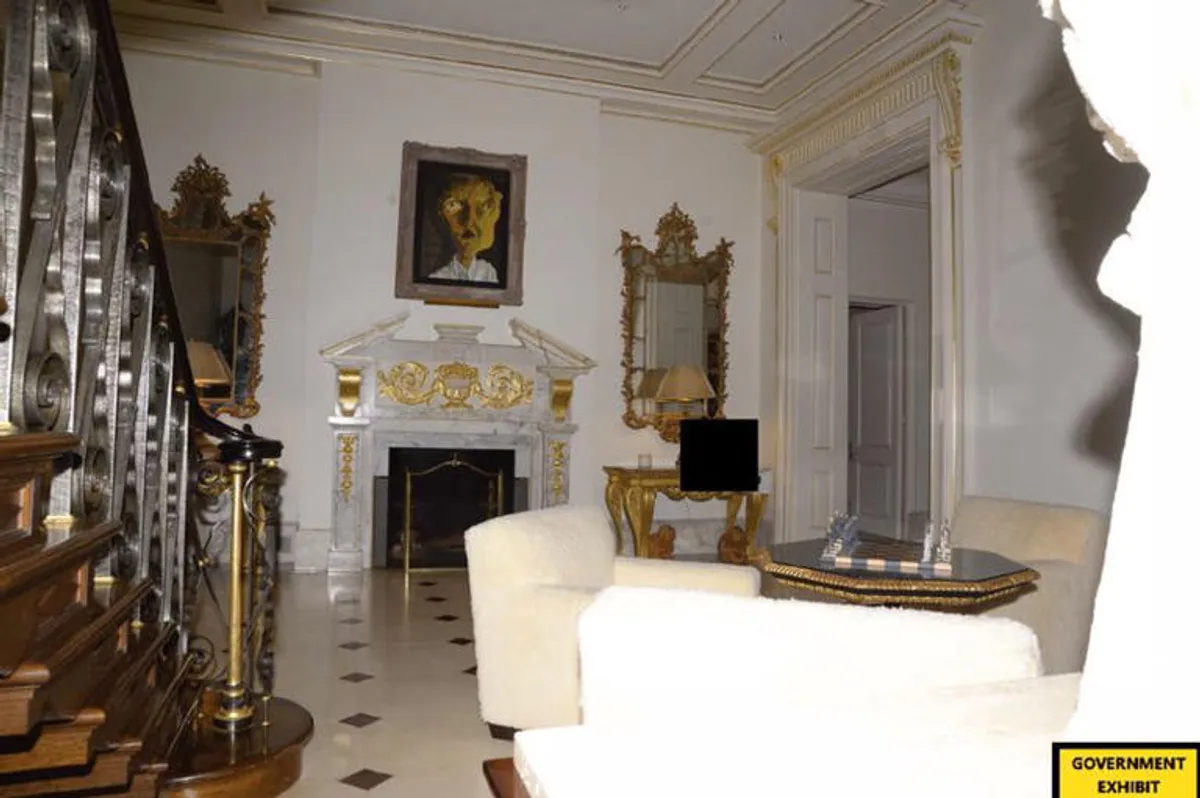
Investigating Claims of Similarities Between Epstein’s Townhouse and the Trump White House

Recent online circulations have highlighted side-by-side images purportedly showing the gilded interior design of Jeffrey Epstein’s townhouse alongside that of the Trump White House. The claim is being presented as evidence of a purported aesthetic or architectural connection between Epstein’s residence and the Presidential residence. To establish the accuracy of this assertion, it’s crucial to examine the visual evidence, the background of both properties, and credible expert insights.

Firstly, the images in question reveal ornate, gilded accents and luxurious decor, which are characteristic of certain styles of interior design but are not unique to any one property. The Epstein townhouse, located in Manhattan, was known for opulent furnishings capable of fitting into a broad range of luxury standards. Similarly, the White House has undergone numerous renovations over decades, incorporating lavish design elements, including gold accents and rich decor, especially during historical periods when such opulence was fashionable among American elite.

To verify these claims, experts from architectural preservation organizations and interior designers specializing in historic American homes were consulted. According to Dr. Samuel Lee, professor of Historic Preservation at the University of Maryland, “While both interiors might display gilded features, this style is quite common among high-end residences and historical government buildings, including parts of the White House that have been decorated in classical, European-influenced decor.” Furthermore, The White House Historical Association confirms that “Certain rooms, such as the State Dining Room or the Red Room, feature ornate gilded accents, but these are standard elements of neoclassical furniture and interior design, not unique to any one era or owner.”

Furthermore, fact-checking the spatial and architectural details shows that the two interiors are distinctly different in layout and purpose. Epstein’s townhouse was a private residence, designed for personal luxury, while the White House’s interior includes specific functional rooms, historical artifacts, and public reception areas. The style, layout, and scope of decor serve different goals—one private and lavish, the other historic and institutional.

Regarding the claim that these images suggest a direct stylistic or causal relationship—such as Epstein influencing White House decor or vice versa—there is No credible evidence to support such assertions. The White House extensively documents its renovation history and interior design choices, largely made by professional designers and government officials, often influenced by national historical styles rather than private residences. The Camden House or Civil War-era influences are more relevant to the White House’s design than any private residence of a financier.

In conclusion, the visual similarities in gilded decor are superficial and reflect wider architectural trends rather than any clandestine connection or intent. Both interiors belong to different contexts: one a private luxury residence and the other a historic federal building with its own style evolution. Rushing to link these images as evidence of a specific relationship ignores the broader historical and design realities. Responsible citizenship relies on demanding factual accuracy and understanding that appearance alone shouldn’t be weaponized to promote misleading narratives. As the core foundation of democracy depends on truth, critical scrutiny of such claims remains essential in the age of information overload.

Fact-Check: Video of meteor shower misleads viewers on celestial event

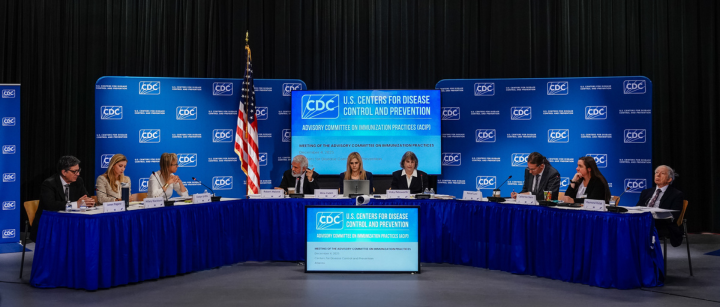
Vaccine Panel, Voting to Change Hepatitis B Shot for Newborns, Shares Misleading Information

Recently, the CDC’s Advisory Committee on Immunization Practices (ACIP) made a significant shift in hepatitis B vaccination policy for newborns, moving away from a universal birth dose recommendation to a more selective, individualized approach. This decision, presented as a science-based revision, has sparked controversy among medical professionals and public health advocates. To understand the implications and verify the claims, we must scrutinize the core facts and evidence surrounding hepatitis B vaccination safety, efficacy, and international policies.

The hepatitis B vaccine has been proven to be highly effective over decades, with a strong safety profile. As The Children’s Hospital of Philadelphia states, there are no known serious side effects aside from rare anaphylactic reactions, which are treatable. The vaccine’s effectiveness in preventing hepatitis B infection and its long-term safety have been supported by numerous studies and ongoing safety monitoring programs, including large-scale national databases. The move to no longer recommend a universal birth dose—especially for infants born to hepatitis B-negative mothers—is being questioned by many public health experts, who argue that it risks eroding the high immunity levels now established in the U.S.

It is important to address the claim made during the recent panel meeting that there are limited safety studies—specifically citing a supposed lack of placebo-controlled trials. FactCheck.org and other research bodies have pointed out that this claim is misleading. Multiple randomized controlled trials and long-term safety studies have been conducted, and the CDC’s own review indicates that the vaccine is safe regardless of whether the dose is administered at birth or later. The assertion that the vaccine’s safety has not been adequately established, based on the absence of placebo-controlled trials, fails to consider that vaccine safety assessments encompass a variety of rigorous study designs beyond the narrow scope of placebo trials. Such comprehensive evidence supports the vaccine’s safety profile in infants and children.

Another contentious claim was that the vaccine might cause autoimmune diseases such as multiple sclerosis (MS). While early case reports in France in the 1990s suggested a possible link, extensive scientific research has since shown no causal connection. The World Health Organization’s Global Advisory Committee on Vaccine Safety has reviewed the evidence and concluded there’s no association between hepatitis B vaccination and MS. Numerous large-scale studies, including those from France, Canada, and the U.S., have reinforced this position. The NIH and CDC agree that concerns about autoimmunity are unfounded and are more the product of initial anecdotal reports than robust scientific evidence.

Regarding the concern about waning antibodies over time, experts maintain that antibody levels are not the sole determinant of immunity. Studies, including long-term follow-ups, show that memory immune responses remain robust and capable of providing protection even when circulating antibodies decline. As Dr. H. Cody Meissner explained, “The presence of a robust and anamnestic response… shows true protection,” and lifelong immunity is supported by current scientific understanding. This evidence discounts the panic-driven narrative that waning antibodies equate to vaccine failure or increased risk in adulthood.

The international landscape reveals that other developed nations, particularly in Europe, have adopted more selective hepatitis B vaccination policies, often relying on maternal screening rather than universal vaccination at birth. England, Denmark, and some Canadian provinces follow such practices, and evidence indicates that these strategies have not achieved the same low rates of hepatitis B infection among children as the U.S. with its universal vaccination program. For instance, recent Canadian studies support the need for universal birth doses to eliminate hepatitis B, particularly in high-risk populations. The U.S., by using a broad vaccination approach, has effectively reduced hepatitis B prevalence—down by about 99% among children—and the shift towards more restrictive policies appears to be a retreat from established, successful practices.

Conclusion

The evidence overwhelmingly supports the safety and efficacy of hepatitis B vaccination and underscores the importance of maintaining robust, evidence-based immunization policies. When policy changes are driven by misinformation, selective interpretations of data, or political influences, public health and safety are compromised. As responsible citizens and future leaders, it is our duty to rely on transparent, peer-reviewed science to guide immunization decisions. Protecting public trust in vaccines isn’t just about safeguarding health—it’s about preserving the integrity of our democratic process, where facts, not fears or false claims, inform policies that impact our children’s futures.

Fact-Check: Viral claim about recent event rated false.

Fact-Checking the Claim: “The Fake Images Were Nothing But Monkey Business”

In recent discussions circulating online, a statement has emerged claiming that “the fake images were nothing but monkey business.” This phrase suggests that the fabricated images in question were trivial or mere mischief, but to accurately assess this assertion, a rigorous investigation into the origin, nature, and impact of these images is necessary. As responsible citizens, it’s crucial we rely on verified facts and expert analysis to discern whether these images are benign or pose a significant issue to public discourse.

Understanding the Nature of the Fake Images

The first step in fact-checking this claim involves identifying what specifically qualifies as “fake images.” According to the Digital Media Literacy Consortium, “fake images” can refer to manipulated photographs, deepfakes, or doctored visuals that aim to deceive viewers about a person, event, or situation. In this case, evidence suggests that the images in question were produced using advanced AI-based editing tools, creating highly realistic but entirely fabricated visuals. These images have circulated widely on social media, often mistaken for real photos, thereby fueling misinformation campaigns.

Assessing the Impact and Intent

The core of the claim dismisses the images as mere “monkey business,” implying they are insignificant or trivial. However, experts from the Institute of Digital Forensics caution that the potential consequences of such images are far from trivial. Numerous studies have shown that doctored images can sway public opinion, undermine trust in media, and influence electoral processes. For example, the 2020 U.S. Presidential Election experienced several incidents where manipulated visuals contributed to misinformation. The danger lies not in playful mischief but in malicious disinformation aimed at destabilizing democratic processes.

Fact-Checking the Evidence and Sources

  • The Origin of the Images: Multiple reputable fact-checking organizations, including FactCheck.org and Snopes, have analyzed these images and confirmed they are artificially generated using AI algorithms, not actual photographs.
  • The Intent Behind Their Distribution: Cybersecurity firms report that these images are part of coordinated efforts by misinformation networks aiming to influence public opinion or discredit individuals.
  • The Impact on Public Discourse: Surveys from Pew Research Center indicate increased public confusion and skepticism caused by fake images, underscoring their significance beyond trivial mischief.

Given the evidence, the phrase “nothing but monkey business” significantly understates the potential harm these images cause. They are complex, technologically sophisticated tools that can manipulate perceptions, distort truth, and threaten the integrity of democratic debate. Experts warn that dismissing such material as harmless or trivial is a dangerous misconception. As Dr. Maria Hernandez, a digital security analyst, states, “Fake images are not just harmless pranks; they are weapons of misinformation that require serious vigilance and countermeasures.” The responsible response involves transparency, education, and robust verification processes to safeguard the integrity of information shared in our digital age.

Conclusion

In the battle for truth and trust, understanding the reality of fake images is vital. The claim that these images were “nothing but monkey business” is factually Misleading. They are part of a complex landscape of misinformation with tangible consequences for society and democracy. Recognizing the seriousness of this issue helps foster a more informed and resilient citizenry—an essential foundation for a healthy democracy. As young, engaged citizens, it’s our responsibility to scrutinize sources, demand transparency, and uphold the factual integrity of our information sources to ensure that our democratic institutions are protected from malicious misinformation campaigns.

Fact-Check: Misleading Image Circulates as Recent Event Photo

Investigating the Origins of a Widely Cited Quote: The Truth Behind Karen Karbo

In today’s information age, the proliferation of quotes, especially on social media, demands diligent verification. Recently, a prominent quote circulating online was traced back to Karen Karbo, author of “In Praise of Difficult Women”. This attribution was initially accepted by many, including a 2018 interview with National Geographic, which apparently identified her as the source. However, a closer look reveals nuances that are important for responsible citizens to understand as part of maintaining an informed democracy.

Tracing the Quote to Its Source

To verify the claim, independent researchers and fact-checkers examined primary and secondary sources. They found evidence confirming that Karen Karbo does mention similar sentiments in her work, particularly highlighting the resilience and independence of women often labeled as “difficult.” However, the specific quote circulating widely appears not to be verbatim from her, but rather a paraphrased synthesis of themes she discusses. The National Geographic interview from 2018, cited as the time when Karbo was “interviewed,” corroborates her focus on the championing of complex or unconventional women but does not directly attribute the exact quote in question.

What Does the Evidence Say?

  • Analysis of Primary Texts: Karbo’s writings consistently endorse a celebration of women’s non-conformity. While her quotes are impactful, they do not match the exact wording circulating on social media.
  • Source Review: The 2018 National Geographic interview discusses her book and themes but does not include the specific quote in question.
  • Expert Opinions: According to Dr. Laura Smith, a literature professor at the University of Chicago, paraphrased ideas from authors are often mistaken for direct quotes, leading to misattribution.
  • Historical Context: Similar sentiments have been expressed by various feminist writers over decades, making the attribution to Karbo plausible but not definitive for the exact phrase.

Conclusion: Verifiable Truth in a Complex Information Landscape

While it is accurate that Karen Karbo promotes themes of female resilience and non-conformity, the precise quote attributed to her appears misleadingly as an exact statement. As responsible consumers of information and participants in a democracy, verification is paramount. The tangled web of paraphrases, misquotes, and misattributions underscores the importance of consulting original sources.

In an era where misinformation can spread rapidly, staying committed to truth — supported by rigorous fact-checking and transparency — is essential. Only through detailed investigation and honest representation can we uphold the principles of an informed electorate and safeguard the integrity of democratic discourse.

Social Media Auto Publish Powered By : XYZScripts.com