Matox News

Truth Over Trends, always!

Storm traps 1,000 climbers on Everest, spotlighting the risks of adventure tourism

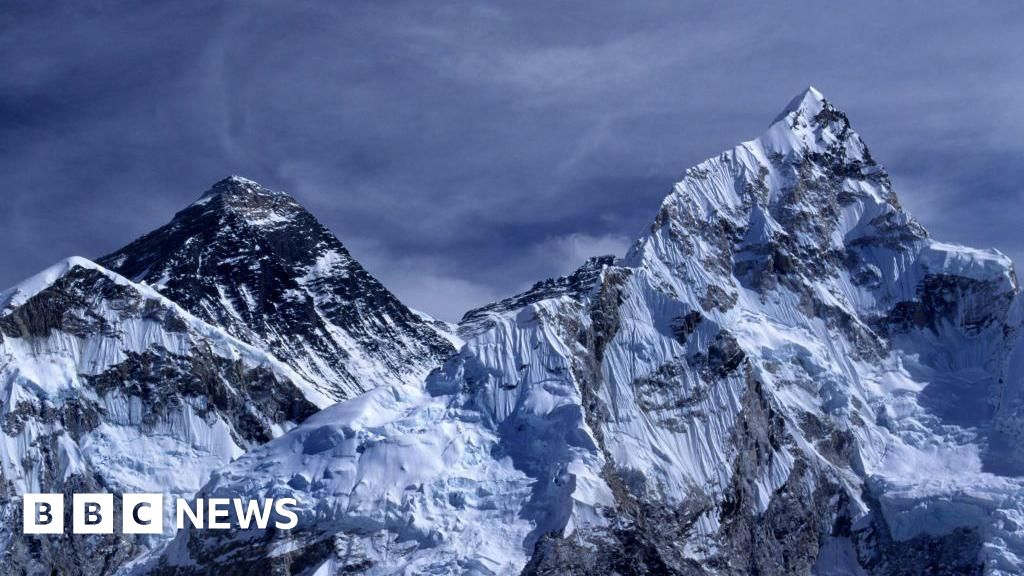
The remote Tibetan slopes of Mount Everest have become the epicenter of a dramatic rescue operation prompted by an unexpected snowstorm. According to Chinese state media, nearly 1,000 adventurers and hikers stranded at campsites above 4,900 meters are now the focus of urgent relief efforts, illustrating a broader escalation in **extreme weather events** affecting the world’s highest peaks. This situation not only underscores the peril inherent in high-altitude mountaineering but also raises questions about **climate change’s** growing influence on seasonal weather patterns, which many analysts warn could make such disasters more frequent and severe.

The immediate **geopolitical impact** of these events extends beyond the natural hazards. China’s authorities have responded decisively, deploying local villagers and specialized rescue teams to clear snow and save those caught in the storm, which struck suddenly and with unprecedented intensity. The rescue efforts, including the evacuation of approximately 350 climbers—guided to safety in nearby Qudang town—highlight Beijing’s strategic leverage over Tibet, a region historically fraught with geopolitical tensions. Tibet’s **Blue Sky Rescue team** reported tents collapsing under the weight of snow, with some victims already suffering hypothermia, demonstrating the serious risks faced by those venturing into this volatile environment.

Meanwhile, the regional crisis extends into neighboring Nepal, where heavy rains have caused devastating landslides and floods, killing at least 47 people recently. The *worsening climate conditions* are straining local infrastructure, with landslide-ravaged bridges and overwhelmed rescue services becoming common scenes—that is, a vivid manifestation of how environmental degradation exacerbates **natural disasters** with geopolitical ripple effects. Such cascading crises threaten to destabilize local economies, especially those heavily reliant on tourism, as the {Tingri County Tourism Company} has suspended ticket sales for Everest, reflecting a cautious response to *unprecedented* weather patterns.

Expert analyses from historians and climate scientists warn that these **extreme weather events**, paired with *mountaineering overcrowding* and environmental degradation, may mark a turning point for the region’s geopolitics. As international organizations debate the sustainability of Everest tourism, some educators emphasize the importance of respecting natural limits while others warn of the **cost of neglecting climate warnings**. The adventurers—primarily young and ambitious—are unwittingly caught in a larger struggle that ties ecological health, regional stability, and global climate policies into a complex web. This unfolding situation mirrors other recent scenes of natural chaos, which critics argue are a silent but deadly consequence of **unchecked environmental policies** pursued by powerful nations.

As night falls over the Himalayas, the storm’s fury is a stark reminder that the world’s tallest mountain has become a symbol of nature’s unpredictable might and humanity’s fragile grasp over its environment. History is watching — every rescue, every collapse, every international response adds another chapter to the ongoing story of nations confronting climatic upheavals that threaten to redraw the geopolitical map. With the skies darkening and the earth trembling, the question remains: how many more lives will be caught in this relentless, unfolding drama before the lessons of today are etched into the history books of tomorrow?
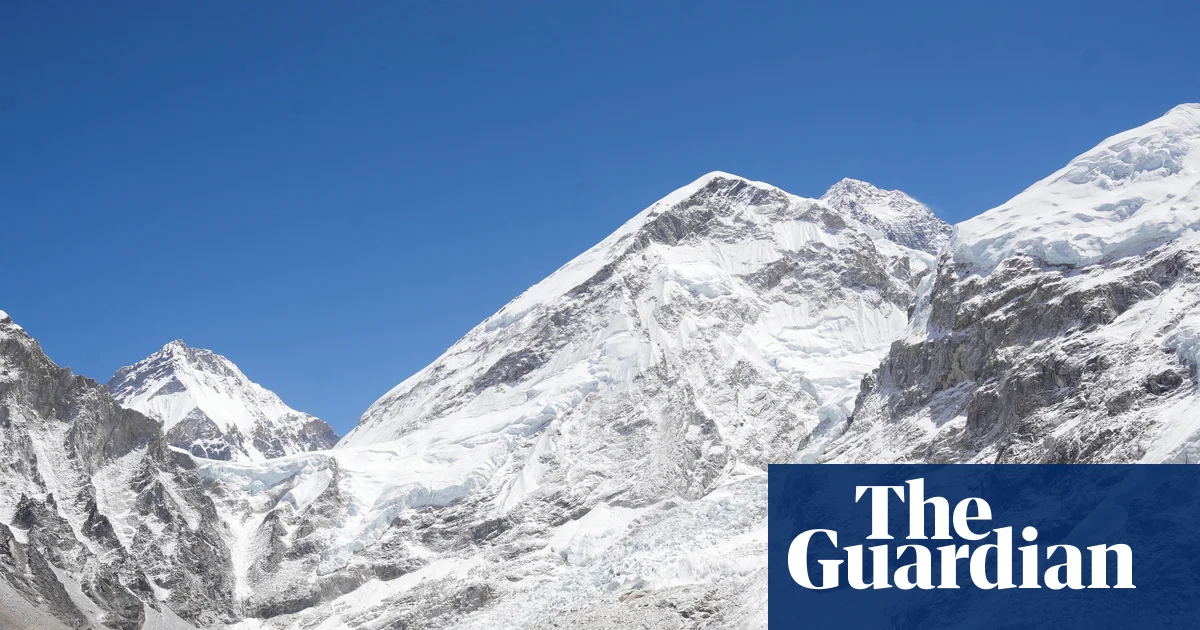

Mount Everest rescue underway as snowstorm traps nearly 1,000 climbers—urgent response in action

Amidst the rugged terrains of the Himalayas, recent natural disasters have spotlighted the fragile balance between climate change and geopolitical stability. In China, rescue efforts are ongoing to save nearly 1,000 trekkers stranded on the eastern slopes of Mount Everest following a severe snowstorm. The incident underscores the increasing unpredictability of weather patterns in this sensitive mountain range, which has historically served as a symbol of international adventure and aspiration. According to Chinese state media, hundreds of visitors seized the opportunity of an extended Chinese National Day holiday to visit the remote valley of Karma, leading many into peril as heavy snowfall rooted them in place. The response by local authorities demonstrates a critical coordination of resources, yet it also highlights vulnerabilities in managing the swelling influx of tourists amid changing climatic conditions.

The disruption in Tibet’s eastern face serves as a stark warning to the international community. The Himalayas are not only a geographic boundary but also a hotly contested locus of strategic importance, especially when environmental shifts produce dramatic events such as landslides and avalanches. Since the snowstorm struck, over 350 individuals have been safely relocated to the township of Qudang, with authorities working tirelessly to reach those still unaccounted for. Such incidents expose how nations like China and its neighbors are increasingly affected by climate fluctuations that threaten human safety and economic stability. The timing—during the peak tourist season—raises questions about the unprecedented challenges faced by nations tasked with safeguarding both their citizens and their international reputation from natural calamities driven by global warming.

On the southern side of Tibet, in Nepal, the story is equally troubling. Heavy rains since Friday have caused devastating landslides and flash floods, claiming at least 47 lives across the country. The destruction of critical infrastructure—roads, bridges, and even entire villages—has further isolated communities and complicated rescue efforts. This chain of events exemplifies how climate-induced extremes are reshaping the Himalayan geopolitical landscape, potentially fueling tensions between nations over resource access and disaster management. Analysts from the United Nations Environment Programme warn that these catastrophes may worsen as climate change accelerates, transforming the mountain region into a precarious geopolitical chessboard where local vulnerabilities intertwine with international interests.

Indeed, what is unfolding in these mountain corridors underscores a key **geopolitical impact**: the increasing importance of environmental security in international relations. Countries bordering Tibet—India, Nepal, and China—must navigate complex dynamics shaped by natural disasters and climate adaptation. The incidents on Everest and in Nepal could serve as catalysts for greater cooperation or rivalry, depending on how nations respond to shared vulnerabilities. The importance of multinational frameworks—like the underperforming Regional Himalayan Climate Initiative—becomes ever more evident as the region faces a new reality where natural calamities threaten to exacerbate existing geopolitical tensions.

As these events unfold with relentless force, the question remains: how will the Himalayan powers adapt to an increasingly unpredictable environment? Will they unite to forge resilient solutions or succumb to the chaos that climate change is unleashing upon this vital geopolitical nexus? With the weight of history pressing upon their shoulders, the nations of the Himalayas stand at a crossroads—where decisions made today will shape not just the future of their peoples but also the stability of an entire region. The mounting crises remind us that the Himalayas are more than just a majestic backdrop—they are a barometer of global health, and the current turbulence signals that humanity must confront the profound implications of an earth pushed to its environmental limits. As rescue efforts continue and nature’s fury remains unabated, the unfolding story of the Himalayas will be etched into the annals of history—an enduring testament to the indomitable resilience or inevitable decline of nations caught in the grip of Earth’s changing climate.

Social Media Auto Publish Powered By : XYZScripts.com


