
In our modern era, where societal fracture lines have deepened and alienation seems endemic, culture remains the vessel through which we define ourselves, preserve tradition, and anticipate the future. No genre better exemplifies this than the evolving realm of horror, which—despite its reputation—has become a mirror for the collective psyche of the 21st century. From its origins tangled in gothic antiquity, horror has consistently haunted the margins of respectability, yet at each cycle, it has reasserted itself as a genre capable of profound commentary. As Ortega y Gasset believed, culture is not merely ornamentation but a vital arena for understanding human existence—horror, in its essence, is a visceral dialogue with mortality, morality, and the chaos that underpins our shared reality.
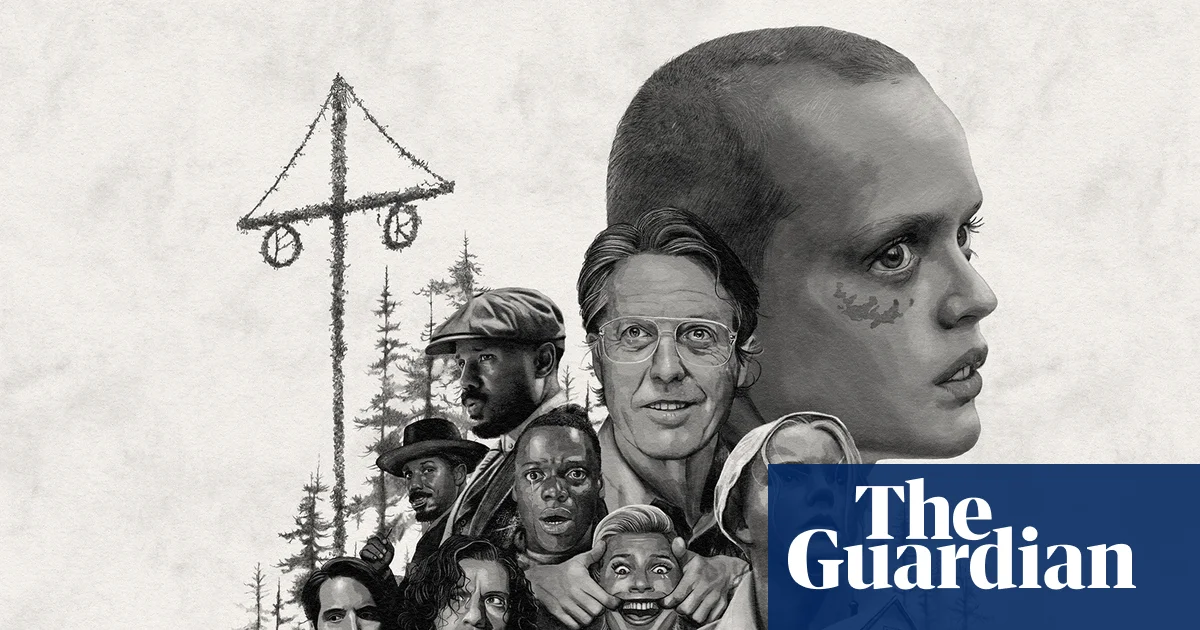
The renaissance of horror in recent years signals a cultural shift from superficial entertainment to a nuanced exploration of contemporary fears and anxieties. The rise of “elevated horror”—epic-length films by directors like Jordan Peele, Robert Eggers, and Jennifer Kent—demonstrate a deliberate move away from pulp and slasher tropes, embracing complex narratives and aesthetic experimentation. Their work abandons the traditional 90-minute formula to delve deeply into themes of societal trauma, identity, and existential dread. These auteurs recognize, as T.S. Eliot did, that the true function of art is to serve as both memory and prophecy—a means to confront the darkness of today while illuminating the path forward. Horror’s capacity for metaphor allows it to address issues like racial injustice, colonialism, and environmental decay with a symbolic language that speaks directly to the core of societal decency and decadence alike.
Moreover, the genre’s international infusion—enabled by the proliferation of digital media—has broadened the horizons of what horror can embody. From the visceral extremities of France’s New French Extremity to Korea’s unflinching psychodramas, filmmakers now push boundaries that once seemed sacrosanct, echoing Chesterton’s assertion that “the true critic,” especially in times of moral decline, must be a *defender of culture* against entropy. Today’s horror, with its innovations in visual storytelling and narrative ambiguity, blurs the line between arthouse and mainstream, reflecting a culture increasingly skeptical of simple narratives and eager for provocation and reflection. This tension suggests that in every shadow cast by a horror film lies the unspoken truth of our collective soul—a testament to our fears, hopes, and moral compass.
As history reveals, the genre’s cycles of reinvention—spurred by breakthroughs like The Blair Witch Project and Get Out—are not accidental. Each wave signifies a society grappling with new terrors, be they technological, political, or existential. The modern horror landscape recognizes this; it constructs masterpieces like Eggers’s Nosferatu or Fargeat’s vicious narratives, to echo the ancient truth that through darkness, we find our deepest selves. While mainstream cinema dons the guise of heroism and moral certainty, horror dares to peer into the abyss, revealing that perhaps the true measure of our civilization lies not solely in our progress but in our resilience to face what lurks beneath—whether it be social upheaval, internal trauma, or the unseen horrors of a world unmoored. In this continuous process, culture becomes both a guardian of memory and a prophet of future reckonings, whispering softly that humanity’s greatest strength is not avoidance, but the courage to confront the shadows within and without, with eyes wide open and hearts steadfast.