Matox News

Truth Over Trends, always!

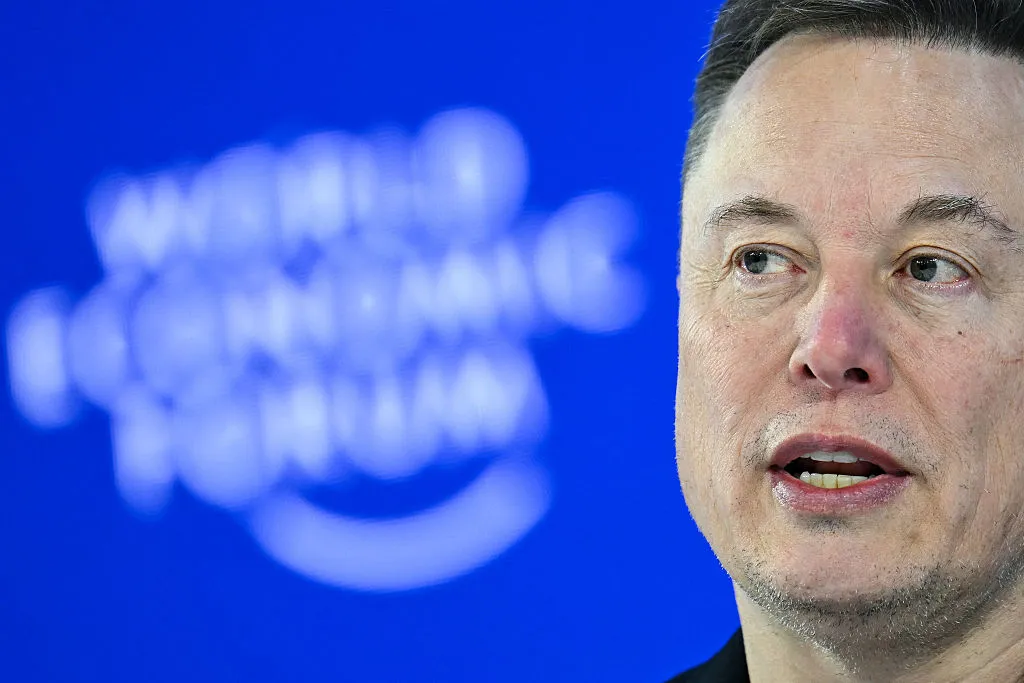
As Co-Founders Exit and IPO Nears, Musk Sets Sights on Moon Mission

Elon Musk’s xAI Targets Lunar Manufacturing as Next Technological Frontier

In a surprising pivot towards extraterrestrial innovation, Elon Musk revealed during an all-hands meeting that xAI, his burgeoning artificial intelligence enterprise, aims to establish a manufacturing facility on the Moon. This marks a significant escalation in spatial-based AI development, emphasizing the disruptive potential of leveraging lunar resources and space-borne infrastructure to accelerate technological growth while circumventing Earth’s limitations. Musk’s vision involves deploying AI satellites via a lunar catapult, a concept that underscores a radical rethinking of how industry, AI power, and space exploration intersect. Such a move signals the onset of a new era where disruption is no longer confined to terrestrial markets, but extends into space itself, charting a course for what industry analysts are already calling <the most ambitious space-centric AI initiative to date>.

The implications for the global tech ecosystem are profound. Industry leaders, including SpaceX and AI disruptors, are fueling a paradigm shift centered on off-planet manufacturing and data processing. The recent merger of xAI and SpaceX has further accelerated this trajectory, positioning Musk’s empire at the forefront of innovation—an inevitable challenge to legacy tech giants. According to Gartner, such advancements in space-based AI infrastructure are likely to catalyze Gross Domestic Profit rather than just GDP, as companies unlock unprecedented access to computing power and resource utilization beyond Earth’s constraints. Elon Musk’s confidence in his rapid technological progress underscores how disruption is becoming an essential strategy for maintaining competitive advantage—especially when competitors like China and Russia have no legal hurdles in challenging U.S. dominance in space.

Adding to the industry’s uncertainty is a wave of strategic personnel shifts within xAI, with half of the company’s original founders departing amid reports of the impending SpaceX IPO. While Musk maintains that the company is in flux and moving at an unparalleled pace, these departures highlight the inherent risks of pushing beyond traditional boundaries. As the urbanization of space continues to evolve, legal and regulatory frameworks—such as the 1967 Outer Space Treaty and the 2015 U.S. law permitting resource ownership—will undoubtedly shape what is feasible for private firms. The legal ambiguity surrounding lunar sovereignty and resource rights presents both an opportunity and a complication in Musk’s quest to turn planetary borders into cash flows—a strategic game changer for the future of space commerce.

Central to Musk’s renewed focus on the Moon is his assertion that colonizing Mars—long deemed the logical next step—is now a distant goal, with lunar development offering a faster, more practical alternative. This shift underscores a broader trend among aerospace innovators toward near-term lunar infrastructure investments, driven by the belief that a self-sustaining lunar city could outperform Mars in both time and economic viability. Industry experts anticipate this approach could unlock a “new gold rush“—not only in raw materials but in technological advancement, military leverage, and global influence. As MIT researchers and Elon Musk warn, the race for space-based AI and manufacturing is accelerating at an unprecedented clip, demanding not only technological ingenuity but also strategic agility. The next decade may well define whether humanity’s space ambitions will be a technological utopia or a geopolitical battleground.
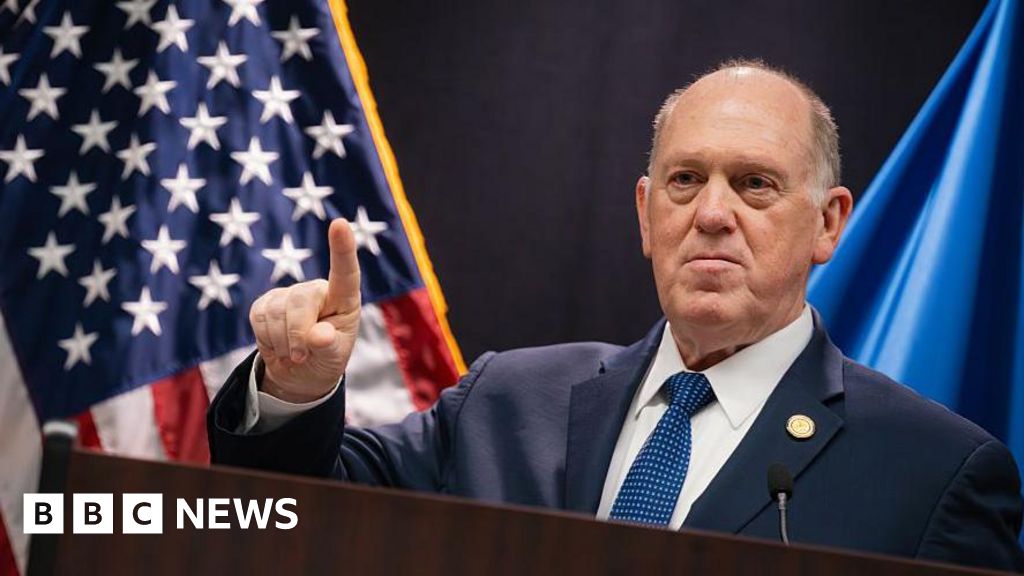
Border Chief: Minneapolis Agents May Exit If Local Leaders Cooperate

In an effort to recalibrate immigration enforcement policies, Tom Homan, a prominent figure within the Trump administration, announced a shift toward more targeted immigration operations. This move arises amidst mounting frustrations within specific urban centers and on Capitol Hill, where bipartisan concern over border security and immigration reform continues to simmer. The administration’s promise to refine enforcement strategies reflects a broader attempt to address the complex confluence of domestic pressure and international security dynamics, positioning itself at a critical juncture for U.S. domestic policy and global geopolitics.

Historically, debates over immigration have risen to the forefront of U.S. political discourse, with recent efforts emphasizing a more constrained approach to unauthorized crossings. Analysts suggest that these targeted operations aim to prioritize threats linked to transnational crime, human trafficking, and national security risks—shifting away from broad, indiscriminate sweeps. This approach aligns with the views of many security experts and included in recommendations from international think tanks and organizations such as Homeland Security. By focusing enforcement, the administration intends to avoid inflaming local communities while addressing security concerns that resonate across policy circles, especially amid growing geo-economic tensions.

The decision to implement more precise immigration actions bears significant geopolitical impacts. As regional powers such as China and Russia observe shifts in U.S. foreign and domestic policy, they are increasingly aware of how these policies influence global stability. The targeted approach is not merely about border control but acts as a strategic signal—demonstrating that the United States is refining its enforcement to avoid unnecessary humanitarian crises that could fuel international criticism, while simultaneously projecting strength against irregular migration flows that threaten borders. International organizations, including the United Nations, continue to monitor how such policies align with global standards on human rights and sovereignty.

Critical to this development are the broader implications for international relations. Countries that are sources or transit points for migration are already reevaluating their diplomatic strategies. Historically, border enforcement has had ripple effects, influencing regional stability and economic cooperation. Experts warn that overly aggressive policies could provoke retaliatory measures or destabilize neighboring nations—effects that ripple well beyond America’s borders. Furthermore, experts warn that such targeted operations could serve as a warning sign to adversaries looking to exploit internal divisions as a means of destabilization, adding a layer of tension to the already volatile global landscape.

As nations watch these developments unfold, historians and foreign policy analysts recognize that this shift marks a critical turning point in the ongoing contest over sovereignty and security. The decisions made today could echo through generations, shaping the contours of international stability and the societal fabric of America itself. With so much at stake, the weight of history hangs heavily, and the world awaits—impatiently yet anxiously—for the next chapter of this unfolding story, where policies on the home front will echo loudly across the global stage.

Daring Exit from El-Fasher: Darfur Youth Courage Amid Crisis

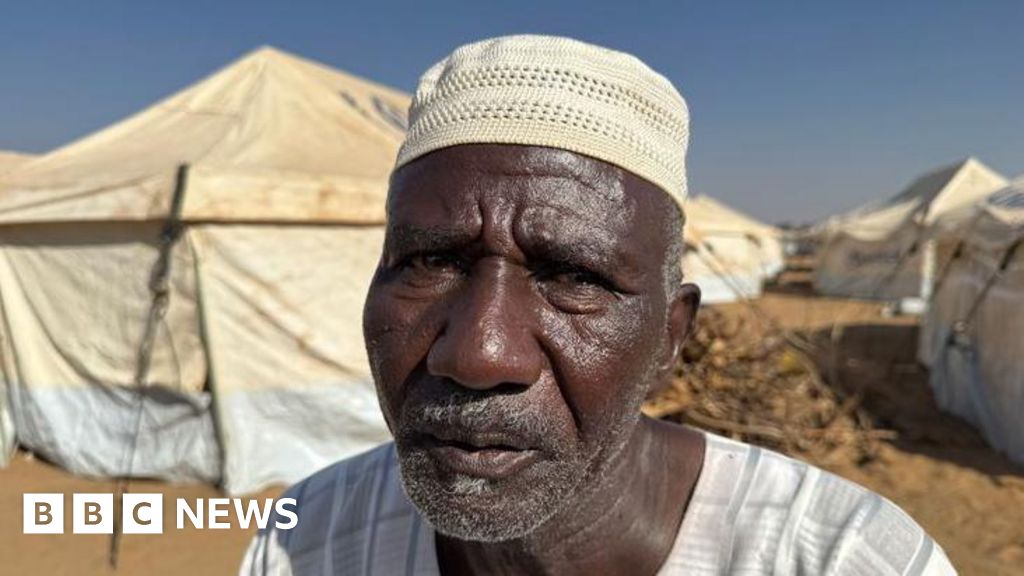
As the Sudanese civil war escalates into a new chapter of brutality, el-Fasher, the capital of Darfur, has fallen after an 18-month brutal siege, marking a significant turning point in an ongoing conflict that continues to threaten regional stability. Fighters from the Rapid Support Forces (RSF), a paramilitary group once allied with the national army, seized the city from government control, leaving a trail of devastation and prompting a mass exodus of civilians fleeing with only the clothes on their backs. The geopolitical impact of this victory for the RSF cannot be overstated, as it pushes the paramilitary group into the last stronghold of western Darfur and weakens the fragile authority of the central government—a move that may reshape long-term power dynamics in Sudan.

International organizations and analysts are quick to condemn the aftermath of el-Fasher’s fall, with widespread reports of atrocities that include mass killings, sexual violence, and destruction of civilian life. Witnesses, including survivors like Abdulqadir Abdullah Ali, recount harrowing tales of shootings and indiscriminate violence inflicted by RSF fighters, who reportedly used live ammunition against fleeing populations. The UN has documented that less than half of the approximately 260,000 citizens who inhabited the city before its fall have been accounted for, indicating an ongoing humanitarian catastrophe. The rise of the RSF in Darfur signals a potential shift in regional power, emboldening a militant faction but also drawing sharper international focus on the crisis—especially as accusations of genocide and war crimes gain traction globally.

The unfolding chaos has displaced millions, with many fleeing into neighboring countries or settling into hastily assembled camps in northern Sudan, such as the camp in al-Dabbah. Here, survivors paint a grim picture of violence, including systematic looting, sexual violence, and brutal interrogations—actions denied by the RSF, which claims to be misrepresented by political enemies. Yet, the clarity of eyewitness testimonies, like those of Mr. Ali and others, underscores the brutal reality: civilian suffering is mounting, and the fragile ceasefire prospects remain distant. How international powers respond to this escalation will have profound implications for regional security and U.S. geopolitical interests, especially as President Donald Trump promises increased involvement to broker peace.

As history continues to unfold amid the dust and chaos of Sudan’s shattered cities, the geopolitical impact of this conflict extends beyond Africa’s borders. The internal chaos threatens to destabilize neighboring countries and fuels allegations of war crimes that could invoke sanctions and international intervention. The narrative spun by the RSF’s leadership, claiming innocence and accusing their enemies of orchestrating a media campaign, does little to mask the true horror taking place. Many survivors, battered but resilient, cling to their hope amid despair, waiting for a turning point—and for the weight of history to decide whether this dark chapter will be remembered as a turning point of liberation or a tragic descent into further chaos. In the shadows of this unfolding tragedy, the whispers of history remind us: what happens in Sudan echoes far beyond its borders, shaping the destiny of nations and the future of global justice.

Marjorie Greene Plans to Exit Congress Amid Feud with Trump

Internal Strife in United States: The Fall of Marjorie Taylor Greene and Its Broader Implications

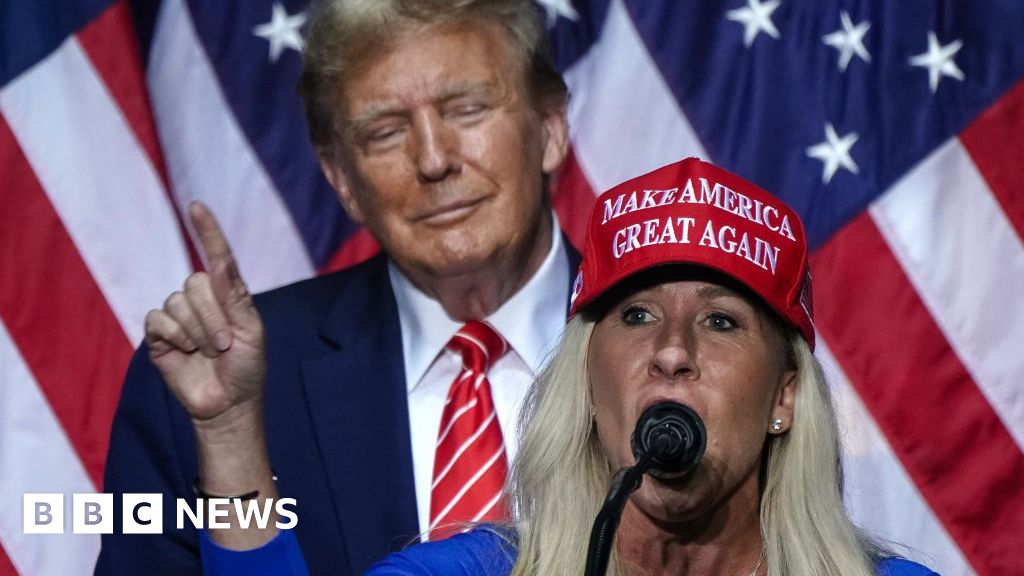
The recent announcement by Georgia Congresswoman Marjorie Taylor Greene that she will resign from the House of Representatives marks a significant escalation in the ongoing internal strife within the Republican Party. Greene, a high-profile supporter of former President Donald Trump and a representative of the America First movement, has become emblematic of the party’s ideological divides. Her departure, set for 5 January 2026, signifies not just a personal decision but a reflection of the shifting power dynamics and ideological battles shaping U.S. politics. The timing coincides with a public fallout with Trump himself, who publicly labeled Greene a “traitor” and vowed to endorse a challenger for her seat, signaling a seminal moment that could influence the upcoming 2026 midterm elections.

This internal rupture underscores a crucial geopolitical impact: the fragility of America’s political cohesion at a critical juncture in its global leadership. Greene’s vocal demands for transparency related to Jeffrey Epstein’s file releases drew her into direct confrontation with Trump, exposing divisions over how to address controversial, high-profile issues. Analysts suggest that this split may weaken the American right’s unity, which has traditionally served as a cornerstone of its geopolitical stance. As the US grapples with domestic divisions, global allies question the stability of American leadership, which has historically been anchored in bipartisan consensus on key foreign policy issues. The international community, especially nations relying on US security commitments, watches with concern as internal discord threatens to weaken the nation’s strategic resolve and decision-making consistency.

How Decisions in Washington Reshape Global Power Dynamics

The ripple effects extend well beyond the USA. The internal political shake-up potentially complicates efforts to project American strength abroad. The US remains a pivotal actor in global security and economic stability; however, with the polarization exemplified by Greene’s departure, international partners face increased uncertainty. The recent backlash and shifting alliances within the Republican Party highlight a broader trend of Persistent national division—a weakness that adversaries such as Russia and China are quick to exploit. As historian and geopolitical analyst Dr. Catherine Johnson notes, “When the United States experiences internal upheaval, the global balance of power is destabilized, providing openings for rival states to advance their interests.”

Meanwhile, the White House and security analysts are closely monitoring the renewed debate over classified documents and transparency, which has been a contentious issue both within and outside the country. The recent signing of legislation requiring the Justice Department to release Epstein-related files signals an internal effort to address grievances, yet it also underscores the nation’s ongoing struggle with transparency and accountability. As American society remains fractured and its leadership uncertain, the world watches intently—aware that this internal turmoil could influence global alliances, trade policies, and conflict management in the years ahead.

While the World watches, the story remains unwritten

As Greene prepares to step down amid the turbulence, the broader battle for America’s future continues to unfold. Her departure may serve as a catalyst for realignment within the Republican Party, but it also signals the deepening fissures in a nation that once stood as an unshakable superpower. In the shadows of these political upheavals, international actors brace for the next chapter in a saga of internal discord and global consequence. With each twist in the tale, history’s pen writes anew, leaving us to wonder: will the United States emerge united or fractured, and how will this tumult shape the course of the 21st century?

Elon Musk Surges to the Right: Follows White House Exit to Cement New Political Stance

Living with Purpose: Navigating Life’s Challenges in a Divided World

In an era where political influence often blurs the lines between personal and societal wellbeing, many young individuals are seeking to redefine what it means to lead a healthy, meaningful life. Recent headlines spotlight figures like Elon Musk, whose controversial choices and public conduct demonstrate how political fixation can infiltrate even the most innovative industries, leaving a wave of personal and consumer impact. As the world’s richest man veers further into the realm of divisive rhetoric and political speculation, it raises the question—what can young people do to stay centered in a turbulent landscape?

Achieving a balanced lifestyle requires more than just physical wellness; it necessitates a conscious effort to foster mental resilience and intentional connections, especially when sensational narratives flood the digital sphere. Experts like Dr. Jordan Peterson emphasize the significance of personal responsibility and focus, advocating for a lifestyle rooted in purposeful activities, community engagement, and skepticism of online echo chambers. The rise of online platforms, such as Musk’s recent ventures into AI with projects like “Grokipedia,” illustrates how digital misinformation can shape perceptions. In this climate, discerning truth from propaganda becomes vital, especially for the digital-native youth who are shaping tomorrow’s cultural narrative.

While the political landscape may seem overwhelming, it also offers an invitation for self-reflection and growth. Recognizing that personal health—both physical and mental—serves as a foundation for societal contribution allows young individuals to prioritize their wellness amidst chaos. Consider integrating lifestyle hacks such as:

  • Practicing daily mindfulness to stay grounded amidst digital noise
  • Seeking out trusted sources to stay informed without falling into misinformation traps
  • Engaging in community service or advocacy rooted in truth and unity

By cultivating a resilient mindset, youth can stand firm against divisive rhetoric and invest in their own leisure and wellbeing—elements that ultimately fuel societal progress. Whether it’s through outdoor adventures, creative pursuits, or meaningful conversations, the focus remains on nourishing the self so that one can better navigate the world’s complexities.

As history reminds us, life’s journey is often unpredictable, yet it also offers opportunities for renewal and hope. The stories of resilience amidst political upheaval demonstrate that embracing a lifestyle of authenticity, balance, and thoughtful engagement is a powerful act of defiance against division. In the end, it is about forging a path that reflects both personal integrity and a desire for positive change in the wider world—transforming everyday living into an inspiring act of resilience and purpose.

El-Fasher hospital worker warns of chilling terror ahead of suspected massacre exit

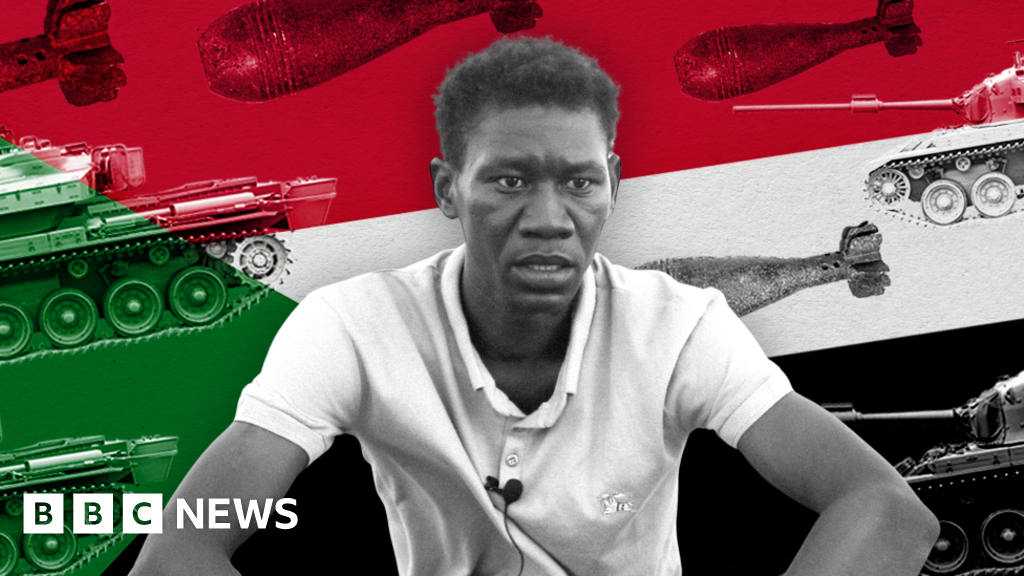
The ongoing Sudanese civil conflict has reached a catastrophic turning point with reports of mass atrocities in the city of el-Fasher. Since April 2023, a brutal power struggle between the Sudanese army and the Rapid Support Forces (RSF) has torn a nation apart, plunging countless lives into chaos, suffering, and despair. The recent escalation, especially in the western region, exposes a heartbreaking decline of humanity amid an already fragile geopolitical landscape. An eyewitness account from Abdu-Rabbu Ahmed, a doctor who survived the massacre at the Saudi Hospital, describes scenes of terror — bodies burned and buried in makeshift graves, hospitals devastated, and families shattered by violence. As analysts from international organizations highlight, this conflict is more than a domestic power struggle; it threatens regional stability and underscores the dangerous consequences when geopolitical interests collide with human rights.

Growing evidence indicates that the fighting has resulted in widespread atrocities, with satellite imagery suggesting the possibility of mass graves in el-Fasher’s hospitals and surrounding areas. Humanitarian agencies, such as the World Health Organization, condemn these acts as atrocities, while the RSF dismisses such allegations as propaganda, claiming all hospitals are abandoned. However, firsthand reports tell a starkly different story: witnesses describe bodies being dumped and set ablaze, medical staff kidnapped, and innocent civilians killed indiscriminately. These narratives, corroborated by satellite data and investigative footage, paint a grim picture of a city under siege. Historians and military analysts warn that such patterns of violence could establish a dangerous precedent for future conflicts in Africa and beyond, potentially destabilizing fragile states and encouraging similar tactics in regional insurgencies.

The geopolitical impact of this crisis extends far beyond Sudan’s borders. As neighboring nations grapple with the influx of refugees and displaced persons, global powers are divided in their responses, with some calling for intervention and others urging caution. The United Nations and regional bodies face mounting pressure to broker ceasefires, but institutional paralysis often hampers decisive action. Meanwhile, broader geopolitical interests — including strategic alliances, resource control, and influence over the Horn of Africa — complicate efforts to stabilize the country. Critics argue that foreign governments, by engaging in selective diplomacy, inadvertently embolden factions such as the RSF, worsening the humanitarian catastrophe. The loss of hope among Sudanese civilians, like Abdu-Rabbu Ahmed, serves as a stark warning of how international indifference can accelerate societal collapse. As the world’s gaze remains fixed on the unfolding chaos, many ask: how much longer can this cycle of violence continue before it tears the region apart?

The appalling images and testimonies emerge amid warnings from historians and political analysts that Sudan’s disintegration could ignite regional conflicts, drawing in rival states and creating a breeding ground for terrorism. The escalation demonstrates how international decisions—whether through embargos, peacekeeping missions, or diplomatic intervention—directly affect societal stability and the safety of millions. The conflict’s recent atrocities serve as a brutal reminder that the weight of history continues to unfurl, with each passing day shaping the future of a nation and the broader geopolitical universe. As Sudan’s cities burn and families flee, the silent question lingers: will the international community step up, or will Sudan be consigned to the pages of history as another victim of failed diplomacy and moral neglect?

‘Looney Tunes’ Makes a Epic Comeback on Tubi After HBO Max Exit — A Win for Fans and the Modern Squad

For millennials and Gen Z, Looney Tunes has long been a nostalgic staple—an iconic symbol of childhood innocence and humor. Yet, 2023 and beyond have marked an unexpectedly turbulent chapter for this beloved franchise. Warner Bros. Discovery, in a move that baffled many fans, scrapped the completed Coyote vs. Acme film, merely for tax advantages, showcasing how corporate priorities are reshaping the landscape of entertainment. The story took an intriguing turn when this film was subsequently acquired by Ketchup Entertainment in 2025, set to hit theaters in 2026. Meanwhile, Warner Bros. shifted its focus away from the classic shorts library, removing it from HBO Max—an act seen not just as a business decision but as a cultural gamble to redefine what “classic” actually means in today’s digital era.

This pivot reveals more than just corporate strategy; it underscores a **shift in how society interacts with nostalgia**. By pulling classics from traditional streaming platforms like HBO Max and reintroducing these stories through newer channels, streaming services like Tubi are rewriting the rules of cultural preservation. Since acquiring 789 episodes of Looney Tunes, Tubi has seen an astounding increase in viewership, with the cartoons landing in the platform’s Top 10. This isn’t just about entertainment—it’s about fulfilling an emotional connection to childhood memories, even in an age where youth culture is often dictated by fleeting trends and viral sensations.

  • Tubi has transformed classic cartoons into binge-worthy, ad-supported episodes, maintaining the familiar TV experience that resonates with audiences’ desire for comfort and nostalgia.
  • The reintroduction of cartoons like Tom and Jerry, The Pink Panther, and Popeye emphasizes a **deliberate focus on retro content**, positioning streaming as the new Saturday morning cartoon hub for young viewers and adults alike.

This approach reflects a **social revolution in media consumption**—where *nostalgia* becomes a strategic asset in a market saturated with fast-paced entertainment. Media analyst and sociologist Dr. Lisa Grant notes that “streaming platforms are tapping into a collective desire for **authentic, simple storytelling** that evokes emotional nostalgia, acting as a cultural respite from the chaos of modern life.” For younger audiences, this signals a *cultural shift* where the past becomes the most reliable source of comfort and shared identity. TV critic Alex Martinez argues that “repackaging classic cartoons into short episodes with modern advertising models bridges generational gaps, making the old feel new again—in a way that’s both *market savvy* and socially meaningful.”

Yet, beneath the surface of this revival lies a question that could determine the future of entertainment: Will the resurgence of old-school cartoons shape how society defines ‘authenticity’ in digital content? As streaming giants and independent distributors leverage nostalgia as a driving force, the line between *original* and *recreated* content blurs. Perhaps the next phase isn’t just about bringing classics back, but reimagining what they represent in a rapidly evolving cultural landscape. The real challenge for creators and corporations alike is to ask whether this trend will foster *true cultural continuity* or merely serve as a fleeting marketing fad—something that remains to be seen as the entertainment world continues its digital transformation.

Icons Week Continues Amid Transition as Tess Daly and Claudia Winkleman Exit

In a cultural landscape saturated with transient spectacles and fleeting trends, the BBC’s flagship dance show, Strictly Come Dancing, stands out as a testament to our enduring connection with tradition, artistry, and shared memory. As the beloved presenting duo Tess Daly and Claudia Winkleman prepare to bid farewell after two decades of guiding viewers through the glittering ballroom, we are reminded that culture is more than entertainment—it is the fabric of societal identity. Their departure marks not merely a change of faces but signifies a turning point that invites reflection on how television, and by extension our collective cultural identity, evolves amidst modern challenges.

The significance of such long-standing cultural phenomena is reminiscent of Ortega y Gasset’s notion that a society’s identity is woven through its shared narratives and cultural symbols. For twenty-one years, Daly and Winkleman became the custodians of countless memories, anchoring generations in a tradition that celebrates rhythm, dance, and human connection. Even in times of controversy or controversy, the show’s capacity to draw millions demonstrates its role as a cultural anchor. Their impending exit—highlighted by the subdued tone of the BBC’s chief content officer—suggests that even institutions deeply embedded in our social fabric are subject to the natural cycle of renewal and redefinition, echoing Tocqueville’s insights on the resilience inherent in democratic institutions that must adapt to survive.

Curiously, the inevitability of change plays into the symbolic importance of rebranded narratives, reminiscent of Chesterton’s argument that tradition is the democracy of the dead—an ongoing dialogue between past and present. The absence of Daly and Winkleman from future series leaves a gap both literally and metaphorically. Yet, it also opens a space for innovation—an acknowledgment that culture is both the memory of humanity and the prophecy of what is yet to come. Names like Fleur East, Roman Kemp, Hannah Waddingham, and others are already being whispered as potential torchbearers—figures who can carry forward the narrative of resilience, vitality, and societal cohesion. The show stands at a crossroads, where tradition and reinvention collide, reminiscent of Eliot’s notion that the future of society depends on our ability to reconcile the old with the new.

It is profound to consider that the culture of dance and storytelling is fundamentally a reflection of our identity—personal and collective. When we watch these performances, we partake in an act of shared memory, connecting us to our ancestors’ passions and aspirations. As the great cultural critics remind us, this dance with continuity and change is what sustains societies through upheavals. Whether the show rebrands or shifts its creative direction, the core truth remains that our culture—like a living organism—must continually evolve while remaining rooted in its history. This resilience is what transforms mere spectacle into a symbol of human persistence and hope amidst the chaos of modernity.

At the heart of this transition is a poetic reminder that culture is both prophecy and memory; it is the echo of the past and the whisper of the future. When the curtain falls on Daly and Winkleman’s era, it does not close the book—it writes the next chapter. Just as the dance moves to a new rhythm, so too does society find renewal through the artistry of those who dare to imagine anew. The beauty of this ongoing cultural symphony is that it reminds us: in the great hall of human achievement, our stories continue to dance, step by step, into the dawn of what is yet to come.

Autistic teen faces school exit as funds for travel are slashed

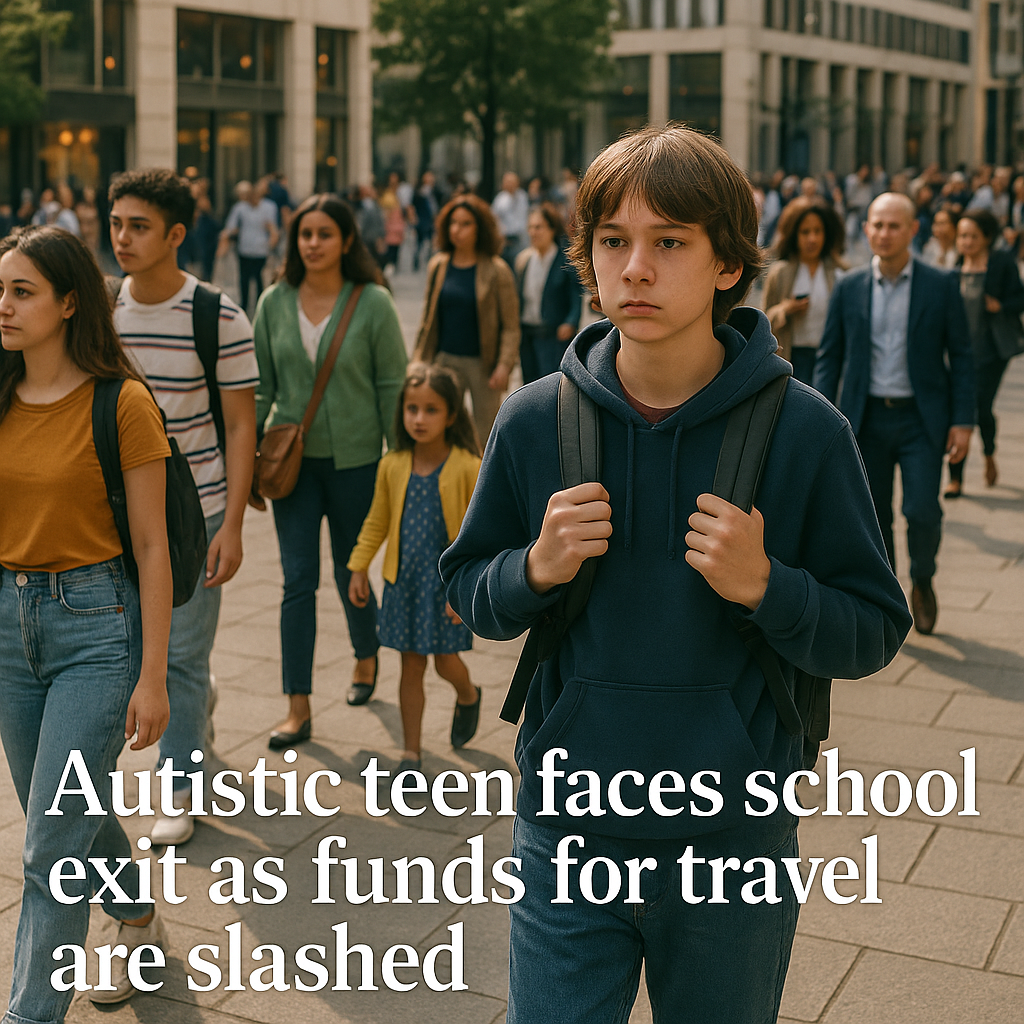
In a society that prides itself on fairness and compassion, the unfolding crisis in special educational needs and disability (Send) support exposes a harsh reality: families caring for children with complex needs are facing systemic neglect and social insensitivity. As communities increasingly rely on local governments to bridge gaps left by austerity-driven cutbacks, the stark disparities in support serve as a wake-up call to reevaluate societal priorities. The story of Luke, a fourteen-year-old autistic boy with sensory processing disorder and ADHD from Somerset, exemplifies how families are being left to shoulder the burden of inadequate social services, impacting not only the well-being of individual children but also the fabric of their families and communities.

With the transition to post-16 education, families like Luke’s find the support structures that once provided essential aid suddenly dissolving. Somerset Council’s decision to cease paying for Luke’s specialized transport—a taxi and in-car support worker—highlight the increasing disconnect between policy and human need. Now, his family faces a difficult choice: to bear the financial weight of costly travel alternatives or to risk safety by navigating unpredictable, unsupervised journeys. This shift not only endangers children like Luke but also underscores a broader societal failure to protect vulnerable youth. Social commentators and sociologists warn that when communities fail to provide adequate support, they risk fragmenting under the weight of inequality, with families bearing the brunt of systemic neglect.

‘Not safe’: The Human Cost of Systemic Austerity

Luke’s mother, Tatjana, describes her son as having “no road safety, no danger safety,” emphasizing that in his current state, he cannot transition to independent travel without significant risk. Her account sheds light on a fundamental moral challenge: the ethical obligation of society to safeguard its most vulnerable members. Since reaching age 16, Luke’s family has been offered a mere “Personal Travel Payment” of fifty pence per mile. Yet, with specialist taxi costs reaching nearly £97 per journey, this amount is grossly insufficient. The loss of dedicated, trained support for children with complex needs often translates into families sacrificing their financial stability and mental health.

Social historian Dr. Helen Miles notes the deterioration in support for families with special needs children, warning that “the long-term consequences threaten to erode social cohesion.” Families, especially those with physical or emotional hardships, become isolated as they struggle to fill the void left by underfunded government programs. Tatjana’s story—her partner’s spinal condition, her former husband’s leg amputation—epitomizes that the social safety net is fraying for those who need it most. Without sufficient support, children like Luke may face a future marred by instability, frustration, and the risk of educational failure, which inevitably impacts families’ stability and the community’s social fabric.

‘The system is broken’: Calls for reform and renewed hope

Former MP Gideon Amos articulates a bitter reality: “The Send system is broken.” His comments reflect a growing frustration among politicians, social workers, and families alike, who observe that “the current approach fails not just in policy but in moral substance.” The Department for Education’s promise to reform and “transform outcomes” signals an opportunity but also a challenge: society must reimagine how it cares for its children. Local authorities like Somerset claim they put “care and consideration” into decisions but admit their resources are stretched thin.

  • The current figures show approximately 120 post-16 Send children in Somerset rely on transport support, a number that is unlikely to decline given demographic trends.

This ongoing crisis is a stark reminder that without fundamental systemic overhaul, support for vulnerable children risks becoming a token gesture rather than a societal commitment.

As society stands at a crossroads, the question remains: will society’s collective moral conscience awaken to the plight of children like Luke? The stories behind policies are rooted in human faces—families torn between love and survival, children with dreams hindered by systemic neglect. The challenge ahead is not merely administrative but moral: to build a society where every child’s safety, potential, and dignity are prioritized, regardless of age or ability. In this moment of societal reflection, hope lies in collective action, reform, and an unwavering commitment to transform social failure into a future where every child can find their place. Only then can society truly claim to be just, compassionate, and resilient—qualities that define the strength of a civilization.

Social Media Auto Publish Powered By : XYZScripts.com