Matox News

Truth Over Trends, always!

Waymo Scores Green Light to Expand Deep into Bay Area and SoCal

Waymo’s Autonomous Expansion Signals a New Era in Urban Mobility

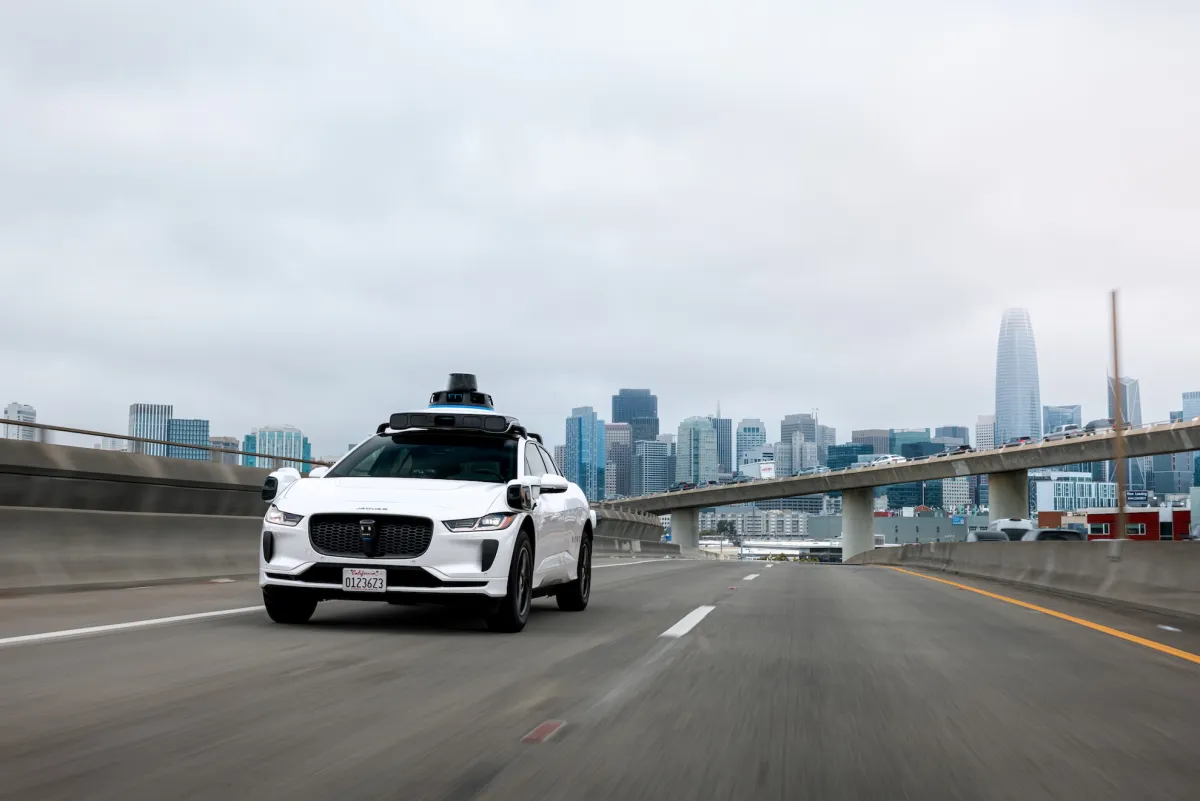
Waymo, the front-runner in robotaxi innovation, has announced a major step forward in its autonomous vehicle (AV) deployment strategy. The company has received official approval to operate fully autonomous vehicles across a significantly broader region in California, including key areas like the East Bay, North Bay (Napa/Wine Country), and Sacramento, as well as extending its territory in Southern California from Santa Clarita up to San Diego. This territorial boost not only exemplifies relentless innovation but also underscores the disruptive potential of autonomous mobility to reshape urban transportation paradigms.

While regulatory hurdles remain—since additional permits are required for commercial passenger services—Waymo’s recent expansions demonstrate industry confidence in AV technology. Targeting a mid-2026 launch in San Diego, the company’s strategic timeline aligns with broader industry expectations for large-scale autonomous deployment. This timeline reflects the urgency to capitalize on technological advances, as other players like Tesla, Uber, and emerging startups accelerate their own autonomous initiatives. The push into new markets is further amplified by Waymo’s recent announcements to expand into Minneapolis, New Orleans, and Tampa, alongside plans to eliminate safety drivers in Miami ahead of commercial launch, signaling a paradigm shift in the traditional ride-hailing model.

Business implications of these developments are profound. As disruption accelerates, traditional taxi and ride-sharing industries face existential threats, while new entrants with agile autonomous fleets could dominate urban mobility markets. Major corporations such as Google’s parent company Alphabet (which owns Waymo) are positioning themselves as long-term players, banking on AVs becoming the dominant form of city transit. The deployment of AVs on freeways—now operational in Los Angeles, San Francisco, and Phoenix—further enhances their viability by addressing long-haul efficiency issues, making shared autonomous rides a practical alternative to personal vehicles.

Experts at institutions like Gartner and MIT emphasize that this wave of innovation might redefine business value propositions, emphasizing technological disruption that could make private car ownership less relevant. However, the rapidly evolving regulatory landscape and safety concerns pose risks, especially as the industry grapples with potential safety pitfalls and public acceptance. As Elon Musk and Peter Thiel have long argued, the key to winning the autonomous revolution lies in rigorous testing, robust infrastructure, and a daredevil willingness to challenge conventions.

Looking ahead, the trajectory of Waymo and other autonomous pioneers indicates an urgent race to dominate the mobility landscape. With new markets opening and regulatory frameworks evolving quickly, the next few years promise an unprecedented transformation where innovation and disruption converge to redefine how millions move within urban environments. Investors, policymakers, and tech innovators must stay alert to this impending upheaval—those who adapt swiftly will shape the future of mobility, while laggards risk obsolescence in a rapidly shifting landscape.
Virginia’s Data Centres Expand, Residents Push Back

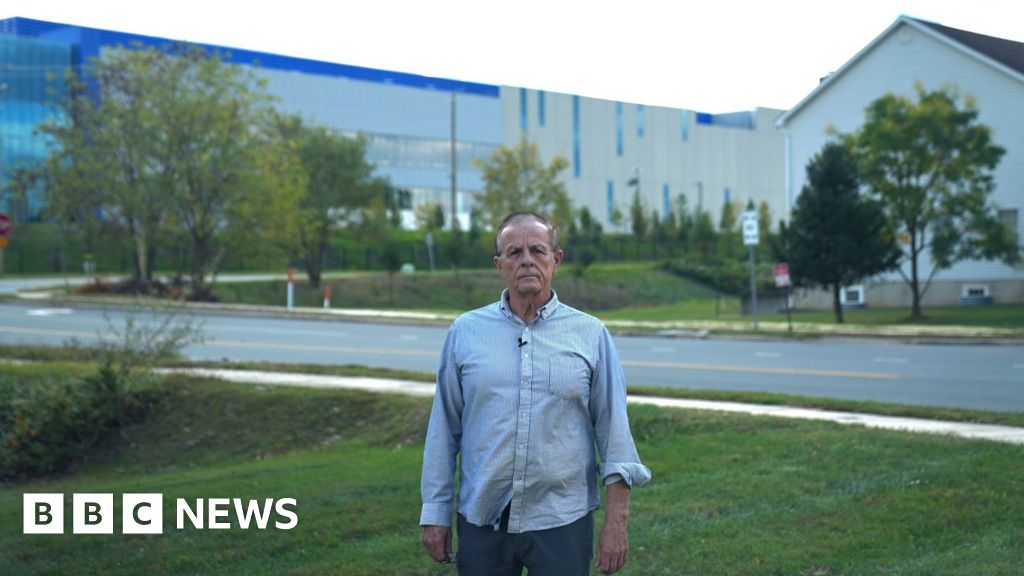
LOUDOUN COUNTY, VIRGINIA—The hum of over 200 data centres spanning approximately 45 million square metres has become an undeniable feature of Northern Virginia. Known colloquially as Data Center Alley, this region has emerged as a key battleground in the ongoing global race for technological supremacy. While the industry contributes billions to the local economy and supports approximately 74,000 jobs, it also raises profound questions about the long-term societal and environmental costs. The recent widespread Amazon outage, crippling banking systems and social media platforms alike, cast a spotlight on the immense influence wielded by these data hubs—more extensive than even China’s data infrastructure—highlighting their critical role in the digital backbone of the modern world.

This proliferation of data centres reflects a deliberate strategic direction, endorsed by powerful policymakers including President Donald Trump. The administration’s push to expedite federal permitting aims to accelerate America’s leadership in emerging fields such as artificial intelligence (AI), a sector seen as pivotal for future economic dominance. Market analysts, including those from reputable international organizations, warn that this unchecked growth may ultimately threaten local communities—as residents face rising electricity prices, environmental degradation, and obliterated natural habitats. Emily Kasabian, a Loudoun County mother, vividly encapsulates the human cost of this expansion, having seen her peaceful suburban street transformed by looming industrial complexes and the accompanying noise pollution, which has driven away native wildlife and disrupted the tranquility that drew many families to the area in the first place.

Before the decade-long surge, Loudoun County was recognized for its flat, inexpensive land and access to talent rooted in its historic ties to the internet industry—once the headquarters of AOL helped seed its digital startup culture. Yet, while local authorities and industry advocates emphasize the economic benefits, critics argue the regulatory vacuum—exacerbated by Governor Glenn Youngkin’s veto of legislation aimed at controlling the surge—has led to environmental and social upheavals. Rising electricity costs, with wholesale rates soaring by as much as 267% in certain areas, threaten to burden residents and small businesses alike. As Dan Diori of the Data Center Coalition claims, these centres are essential to the country’s technological ambitions, yet many believe this vision is being realized at the expense of the societal fabric that makes America thrive.

From the perspective of international analysts and historians, this unfolding narrative signals a pivotal moment in worldwide power structures. The decision to prioritize rapid infrastructure development over comprehensive regulation may herald an era where technological hegemony is achieved at the cost of societal cohesion. As the debate intensifies—from glowing blue facades overshadowing suburban landscapes to electric grids strained under growing demand—the shadow of history’s lessons looms. The questions remain: will this relentless drive to dominate the digital age forge a prosperous future, or will it carve deep scars into the very communities that embody the resilience of the West? As history continues to unfold, one thing remains certain—the modest hum of these data centres is a harbinger of a new global epoch, one where the choices made today will echo through the corridors of history for generations to come.

Social Media Auto Publish Powered By : XYZScripts.com