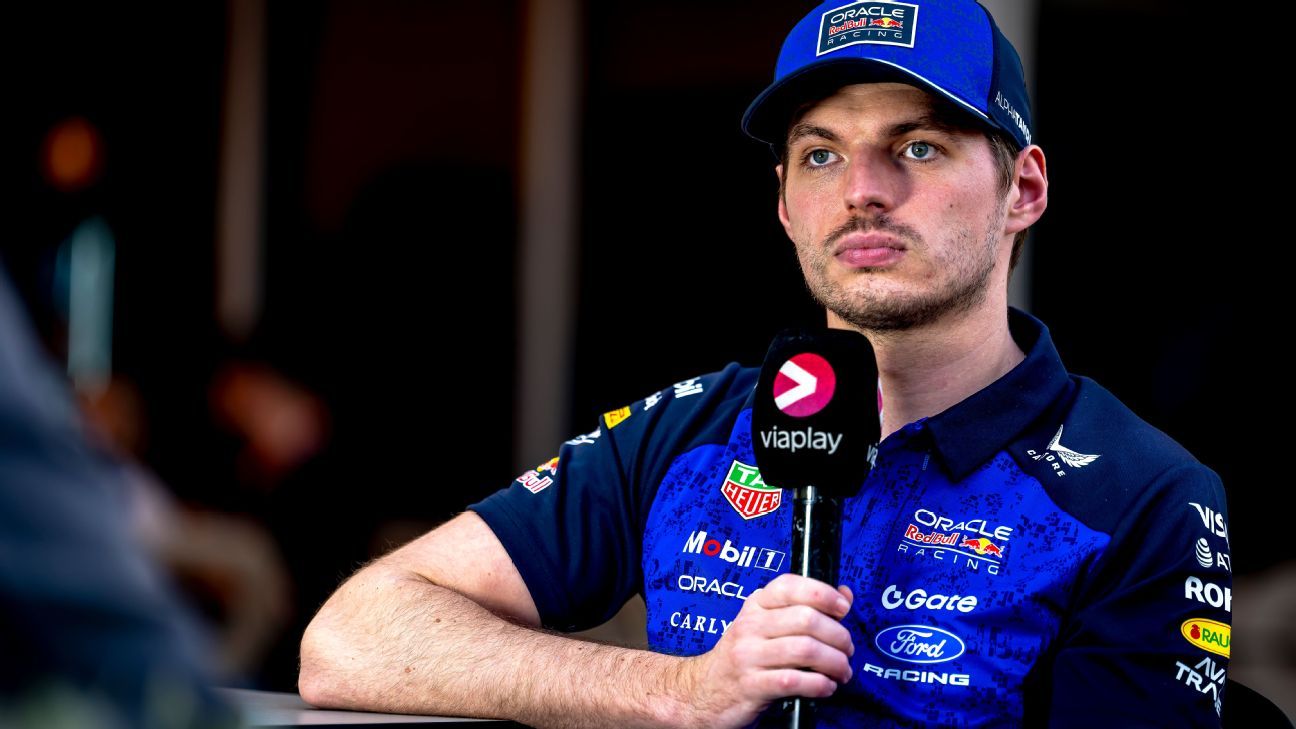

Max Verstappen Critiques New F1 Cars as ‘Not Fun’ to Drive
In a stunning revelation, four-time champion Max Verstappen has voiced his concerns about the latest generation of Formula 1 cars, calling them “not fun to drive.” According to Verstappen, who is known for his candid opinions and fierce competitiveness, these new vehicles resemble the all-electric series Formula E, albeit “on steroids.” This comparison raises questions about the evolving nature of racing and how it impacts both drivers and fans.
During a recent press conference, Verstappen elaborated on his feelings toward the new designs, emphasizing the shift in racing dynamics. “They feel heavier and less responsive than previous models,” he stated. This sentiment was echoed by several commentators who noted that the weight and aerodynamic changes have fundamentally altered how drivers interact with their machines. With the sport’s increasing focus on sustainability, the question arises: is performance being compromised in the pursuit of greener technologies?
- Comparative Performance: Verstappen’s remarks suggest that traditional racing finesse may be lost with the current generation of F1 vehicles.
- Fan Perspectives: Social media has lit up with mixed reactions, with diehard fans supporting Verstappen’s stance while others argue in favor of innovation.
- Future Implications: The shift from gas-powered cars toward electric engineering may significantly alter how races are perceived and enjoyed.
Further insight was provided by Christian Horner, Verstappen’s team principal at Red Bull Racing, who implied that while adaptability is crucial in this sport, the essence of racing should remain intact. He encouraged the FIA to consider drivers’ feedback in future regulations. Meanwhile, notable figures in the sport, including veteran commentator Martin Brundle, have cautioned against over-reliance on technological advancements, arguing that the spirit of competition is rooted in the raw thrill of driving.
As the waves of change ripple through Formula 1, it is essential to recognize the role that sports play in uniting fans, drivers, and teams. As they confront challenges both on and off the track, the fundamental love for racing and competition persists. It serves as a reminder that regardless of the evolving landscape, the heart of the sport beats strongest in moments of triumph, resilience, and shared passion. Ultimately, it is this camaraderie that elevates racing beyond mere metrics, transforming it into a universal celebration of human spirit and ingenuity.