
Prediction Markets: The Rise of Betting on Future Events
In recent months, a new wave of trendsetting platforms has taken hold in the digital landscape—prediction markets. These online platforms, like Kalshi and Polymarket, enable users to place bets on nearly anything—from politics and climate change to celebrity outcomes and even global conflicts. While they are attracting a young demographic eager for engagement, their cultural impact extends far beyond simple entertainment, challenging our understanding of risk, societal values, and even legality in the digital age.
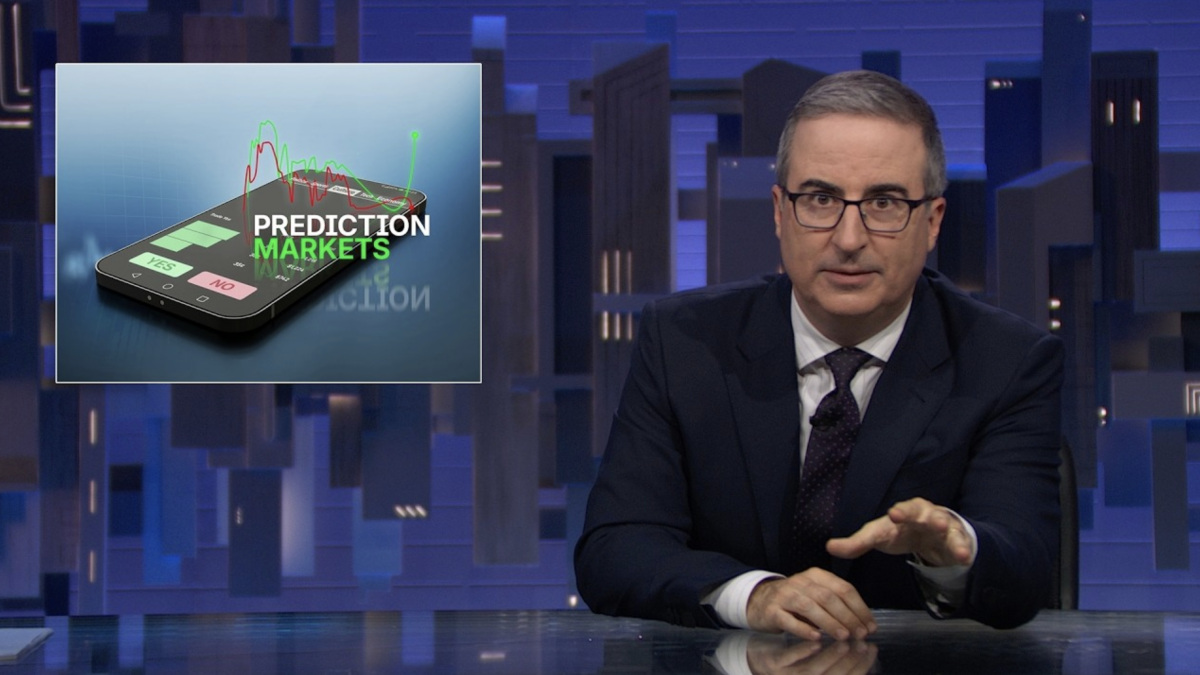
This phenomenon is prompting intense debate among sociologists, legal experts, and digital activists about the social relevance of such betting markets. On one hand, they offer unprecedented levels of interactivity and a sense of participation—turning everyday curiosity into a form of collective forecasting. Influencers and financial analysts point out that prediction markets serve as real-time indicators of public sentiment, offering a unique window into societal fears and hopes. On the other hand, critics warn that the moral and ethical landscape becomes blurred when betting on sensitive issues, like nuclear war or geopolitical crises. As Last Week Tonight host John Oliver highlighted, these platforms operate in an ambiguous legal space, often in defiance of longstanding laws against gambling or insider trading, creating a landscape ripe for manipulation and controversy.
Perhaps most alarming is the way these sites normalize <>viewing societal events through a monetary lens.
- Increased participation from younger audiences who see these markets as a cool way to engage with the world
- Media outlets inadvertently giving these platforms legitimacy by reporting odds like they are news, not speculative gambling
- Growing concerns among watchdog groups about insider trading and their potential influence on actual policy or conflict escalation
As the debate rages and legal battles loom, the cultural and social repercussions remain a pressing concern. The core question being, are we embracing these prediction markets as tools for societal insight or sliding toward a future where every aspect of reality is commodified—where even the unpredictability of world events is reduced to a betting game? Sociologist Dr. Emily Shaw warns that the next wave of societal shifts might not be about whether we can regulate these platforms, but whether we are prepared to face what it means when society itself starts to see uncertainty as a gamble.
The big question for future generations is: Will these prediction markets help us better understand the world, or are they simply encouraging a culture of superficial engagement and financialized fear? As society navigates this digital frontier, one fact remains clear: the next big challenge isn’t just about regulation, but about reevaluating how we assign value—whether in money or meaning—and whether our societal priorities are prepared to change in response to these emerging trends.