
Amid ongoing conflict in Gaza and mounting international scrutiny, Australia finds itself at a critical juncture concerning its arms export policies. A recent legal challenge launched by Palestinian human rights organizations—namely the Palestinian Centre for Human Rights, Al-Haq, and Al Mezan Center for Human Rights—aims to compel Defense Minister Richard Marles to disclose documents related to the approval of arms exports destined for Israel. These groups suspect that Australia may have granted export permits—some potentially linked to violations of international law—raising serious questions about the country’s role in international conflicts. Such moves come at a time when international bodies including the United Nations have expressed concern over allegations of genocide in Gaza, highlighting the global stakes involved in decisions made behind closed doors.
This legal effort underscores a broader debate over Australia’s participation in the global arms trade amid a reputation of secrecy and minimal transparency. Officially, the Albanese government has denied supplying weapons to Israel since October 7, 2023, describing existing permits as “dual-use,” and asserting that they include parts with civilian purposes but potential military applications. However, the Australian Defense Department has acknowledged *amending or lapsing* at least 16 permits amidst ongoing reviews—a move that suggests a degree of recalibration under international pressure. Analysts like Prof. Donald Rothwell from the Australian National University highlight that, despite official denials, **transparency remains elusive**; the public remains in the dark about whattech exports are approved and whether they could contribute to the ongoing humanitarian crisis in Gaza.
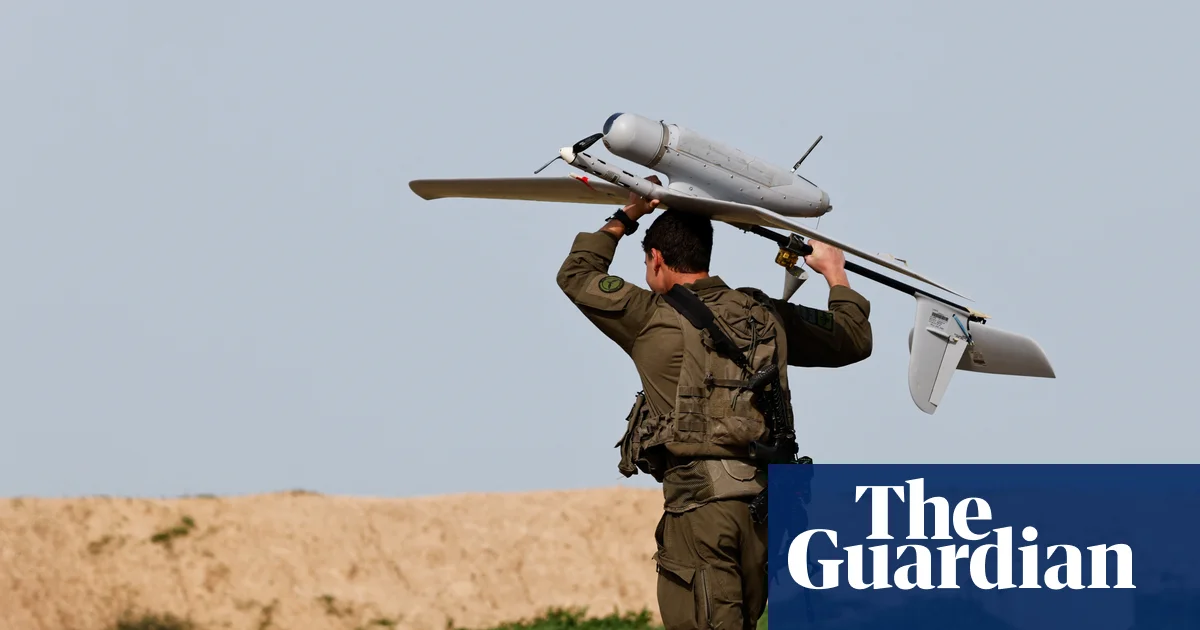
The geopolitical impact of Australia’s arms export policies extends well beyond its borders. Inside the global supply chain, more than 75 Australian companies participate in the F-35 fighter jet program, contributing critical parts such as RUAG Australia’s uplock actuator system—an essential component for maintaining stealth capabilities during combat. While some nations, like Germany, have moved aggressively to halt similar exports to Israel, Australia remains cautious, citing the absence of direct arms supplies. Still, critics warn that these components could indirectly facilitate conflict, raising questions about Australia’s compliance with international obligations to prevent complicity in war crimes and crimes against humanity.
International organizations and legal experts, including Joanna Kyriakakis of Monash University, emphasize that nations like Australia bear a legal duty under international law to avoid knowingly contributing to risks of genocide and war crimes. The case initiated by the Palestinian groups reflects a growing global awareness of how opaque exports can evade scrutiny, enabling regional violence. With Germany suspending arms shipments in response to Gaza’s turmoil, how long will Australia continue to deny the full extent of its role? As the weight of history presses down, the choices made now could determine whether Australia becomes a silent accomplice or a reluctant witness to the unfolding chaos in the Middle East. The pressure mounts on policymakers to balance strategic interests with international justice—yet the true story remains concealed behind layers of classified files, waiting for the next chapter of this complex geopolitical saga to be written.